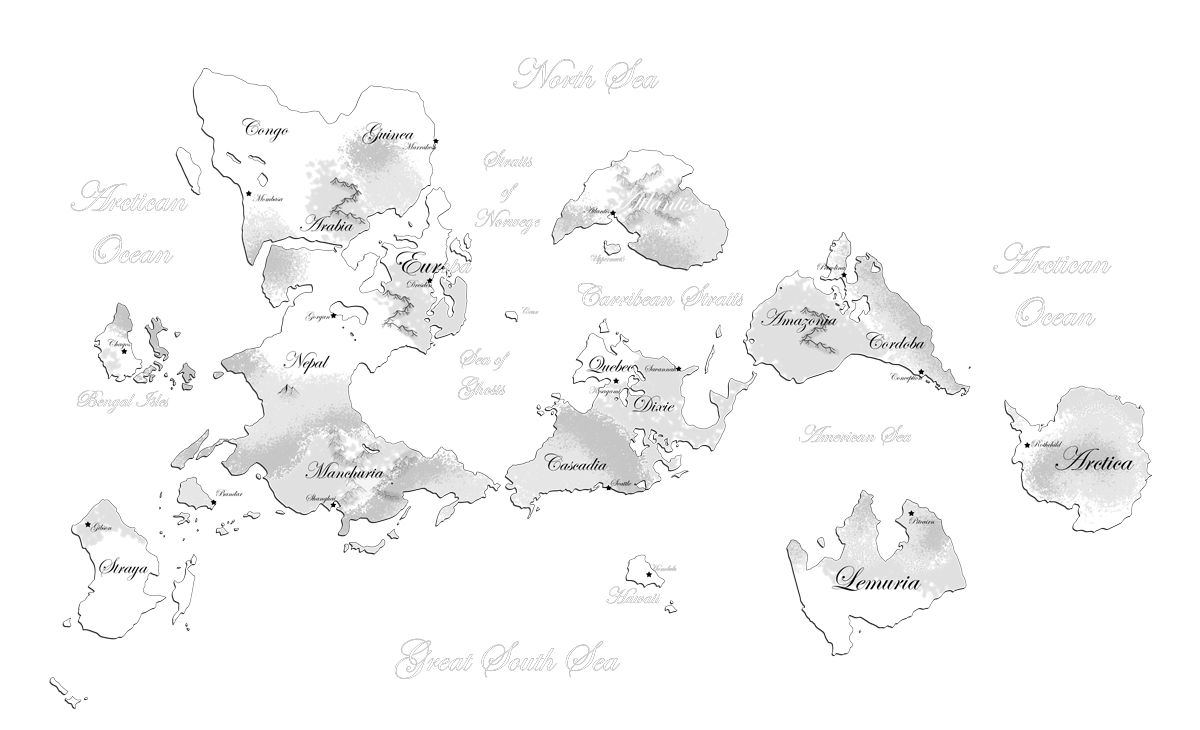
Apocalyptica Arcanum

Apocalyptica Arcanum

Complete Lore & Campaign Corpus

Apocalyptica Arcanum is a tabletop RPG campaign setting — a steampunk alternate history Earth shaped by a catastrophic magical event called the Meteor. This corpus contains the complete text of the setting wiki, session recaps, in-world documents, factions, player characters, nations, entities, and lore. It is intended for AI retrieval and indexing.

The content is organized into several namespaces: campaigns contains session recaps for all actual play campaigns; homebrew_rules_reference contains world lore, factions, rules, nations, and named entities; copper_press contains in-world fiction; books contains text from in-world documents and props.

API reference
Parameters
?topic=barnaby — filter by keyword; repeat param for AND logic
?topic=session+two&topic=barnaby — pages containing both terms
?namespace=campaigns — filter by namespace
?since=2026-03-01 — pages modified on or after this date
?limit=10 — cap number of results
?format=json — return JSON instead of HTML
?bust=1 — wipe all caches and rebuild

Examples
/corpus?topic=barnaby
/corpus?topic=barnaby&topic=sloop
/corpus?topic=barnaby&format=json
/corpus?namespace=campaigns&format=json
/corpus?namespace=campaigns&topic=sloop&since=2026-01-01&limit=5&format=json

Total files: 223.

Last updated: March 23, 2026 at 3:27 PM CST

Table of contents

books
Murmansk Chronicle April 20th 941am Murmansk Chronicle April 25th 941am The Diary Of Kaz Vetrov The Power Of Names The Shardveil Codex Viroc Provisional Field Contract Viroc Security Brief Drekanov Manor
campaigns
Apocalyptica Arcanum - First Modern Campaign Apocalyptica Arcanum - Genesis Apocalyptica Arcanum Ii Origins - Black Dog And The Two-faced Woman Origins - The Wendigo
campaigns:apocalyptica_arcanum_-_first_modern_campaign
Campaign One Recaps Campaign One Recordings
campaigns:apocalyptica_arcanum_-_first_modern_campaign:campaign_one_recaps
Session Eight Session Eighteen Session Eleven Session Fifteen Session Five Session Four Session Fourteen Session Nine Session Nineteen Session One Session Seven Session Seventeen Session Six Session Sixteen Session Ten Session Thirteen Session Thirty-five Session Thirty-four Session Thirty-one Session Thirty-three Session Thirty-two Session Thirty Session Three Session Twelve Session Twenty-eight Session Twenty-five Session Twenty-four Session Twenty-nine Session Twenty-one Session Twenty-seven Session Twenty-six Session Twenty-three Session Twenty-two Session Twenty Session Two Session Zero
campaigns:apocalyptica_arcanum_-_genesis
Genesis Campaign Session Recaps Session 10 Recap Session 11 Recap Session 12 Recap Session 13 Recap Session 14 Recap Session 15 Recap Session 16 Recap Session 17 Recap Session 18 Recap Session 19 Recap Session 1 Recap Session 20 Recap Session 2 Recap Session 3 Recap Session 4 Recap Session 5 Recap Session 6 Recap Session 7 Recap Session 8 Recap Session 9 Recap
campaigns:apocalyptica_arcanum_ii
Apocalyptica Arcanum Ii Narrative Recaps
campaigns:apocalyptica_arcanum_ii:apocalyptica_arcanum_ii_narrative_recaps
Chapter 1 Chapter 10 Chapter 11 Chapter 12 Chapter 13 Chapter 14 Chapter 15 Chapter 2 Chapter 3 Chapter 4 Chapter 5 Chapter 6 Chapter 7 Chapter 8 Chapter 9 Shambly
campaigns:origins_-_black_dog_and_the_two-faced_woman
10th 11th November 1886 12th November 1886 13th November 1886 14th November 1886 15th 16th 17th November 1886 1st November 1886 21st January 1887 23rd January 1887 24th November 1886 25th November 1886 2nd November 1886 3rd November 1886 4th November 1886 5th November 1886 6th November 1886 7th November 1886 8th November 1886 9th November 1886 Session Recaps
campaigns:origins_-_the_wendigo
Session 1 Session 2 Session 3 Transcripts
copper_press
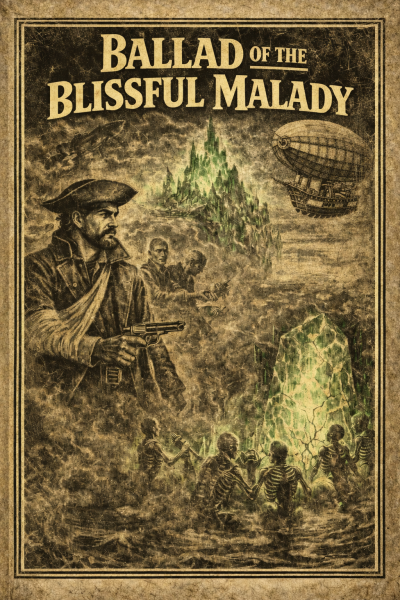
Volume 10 - The Clockwork Siren Of Verdigris Reef Volume 11 - The Last Magnolia Of Muddy Shanghai Volume 12 - Veil Of Powderfire Volume 13 - Wail On The Chagres Volume 14 - When The Rain Turned Inside Out Volume 15 - What The Well Remembers Volume 1 - Archive In The Emerald Vault Volume 2 - Laced-ink On Cobblestone Volume 3 - A Child S Plaything Volume 4 - Ballad Of The Blissful Malady Volume 5 - Echoes In Emerald Smoke Volume 6 - Three True Norths Volume 7 - From Laughter To Lions Volume 8 - Glass Jackal Of The Crescent Dunes Volume 9 - The Havana Run What The Stone Kept
homebrew_rules_reference
Belief Manifestation Creatures Adversaries Factions Firearms Ammunition Games Gambling Side Systems Generative Image Style Bible Generative Tool Directives History Of The World Hydrogas Manifestations Ascendant Entities Money Barter Nations Geography Player Characters Shard-blight Shardisite The Choir The Legion Vehicles
homebrew_rules_reference:creatures_adversaries
Named Npcs
homebrew_rules_reference:history_of_the_world
American Foreverwar Anno Meteorum The Meteor
homebrew_rules_reference:manifestations_ascendant_entities
Abartach Ghost Regiments John Jacob Astor Iv Nuckelavee Saint Sullivan The Devil Wendigo
homebrew_rules_reference:nations_geography:nations
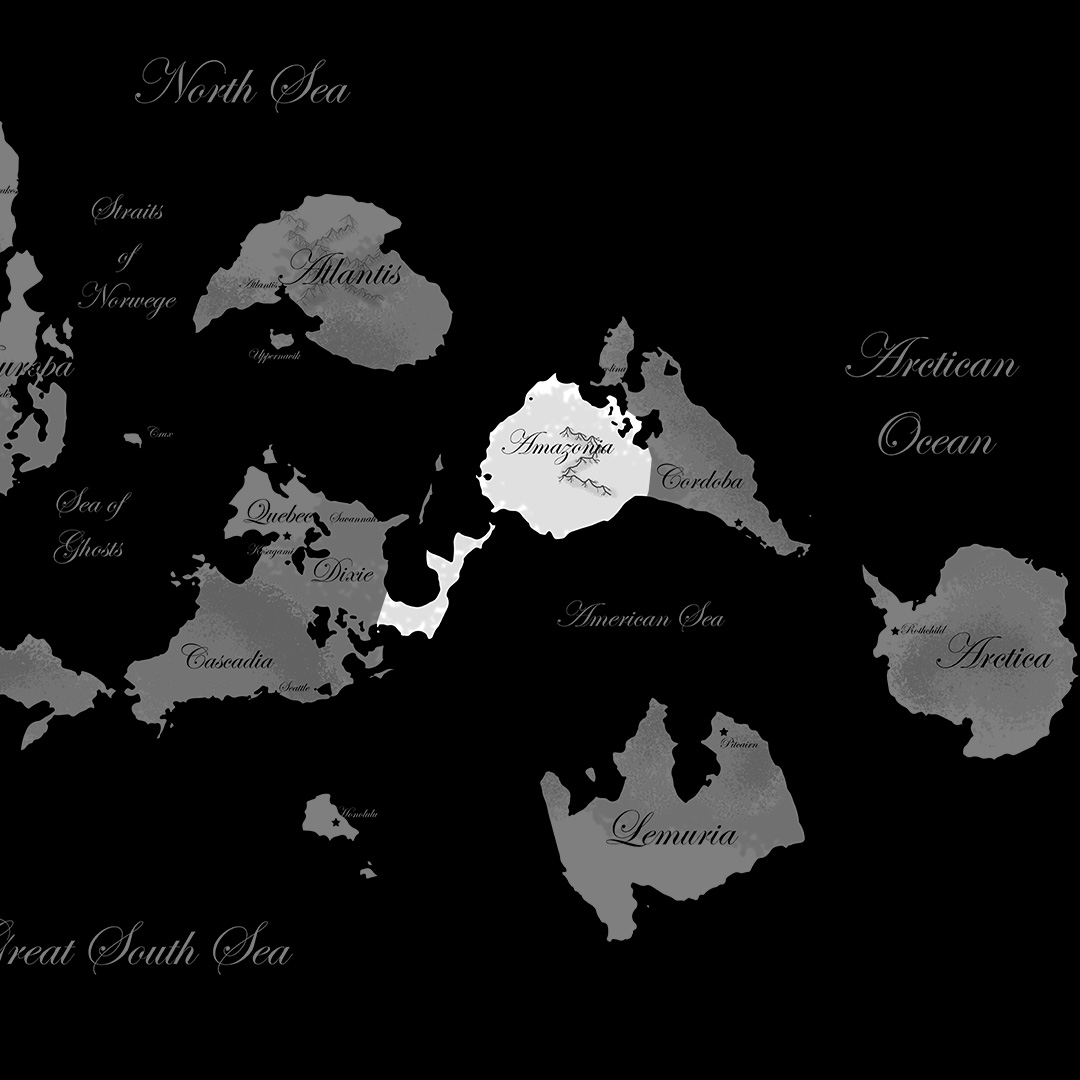
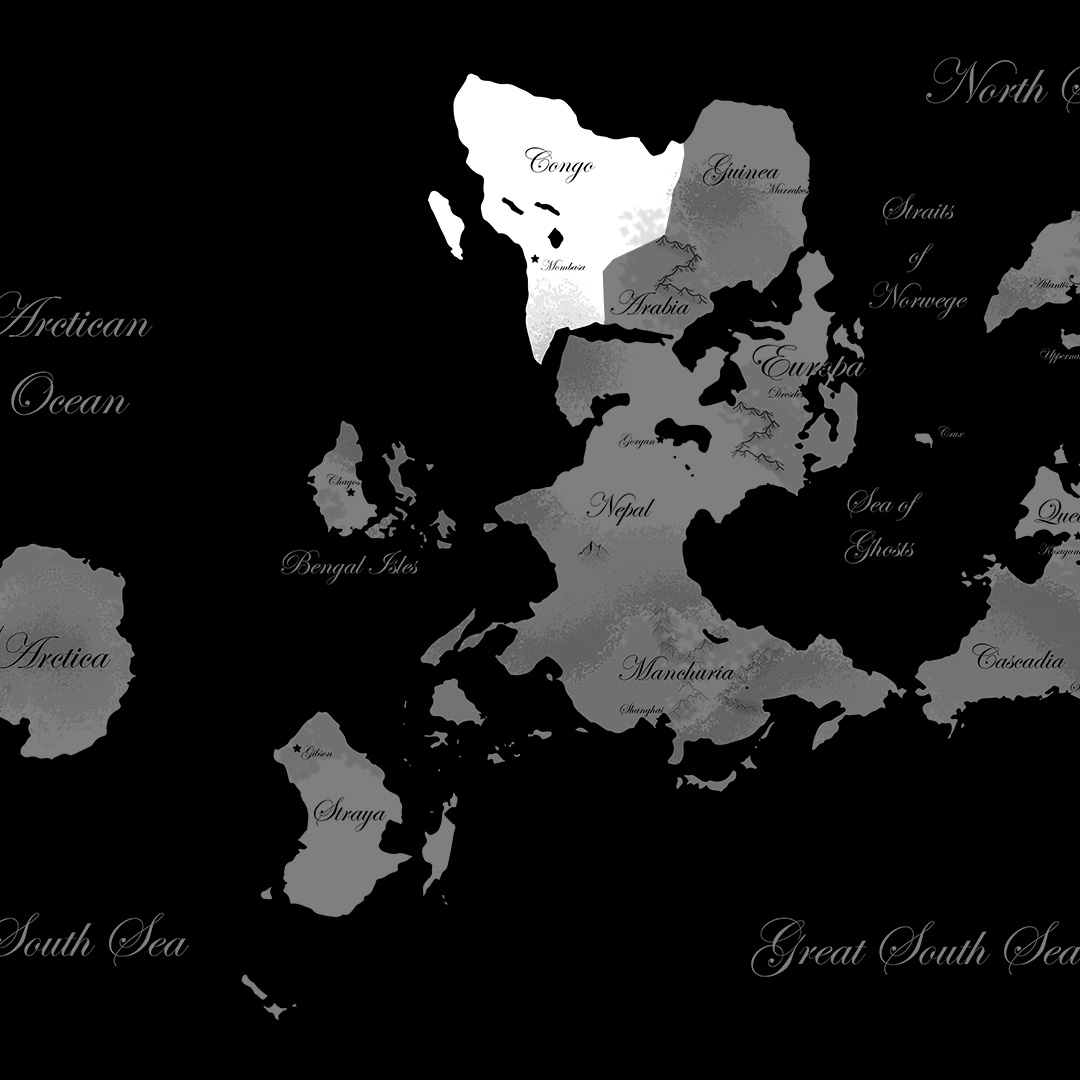
Amazonia Arabia Arctica Atlantis Bengal Isles Cascadia Congo Cordoba Dixie Europa Guinea Hawaii Lemuria Manchuria Nepal Quebec Straya
homebrew_rules_reference:player_characters
4032 Kolg Barkevius Frumpymelon Bogdan Moravec Carl J. Winslow Jonas Lasker Lusat Valthorne Mozaddha Theriska Muddy Mittens Noctis Somnia Silas Casketwalker Stanley The Seer Thorun Darkstone Victor Pucovskivich
homebrew_rules_reference:the_choir_the_legion:the_choir
Amandine Amity Brandi Caris Desire Desta Felicity Fiducia Gabouray Hara Jasiri Marvela Nadine Shanta Tafari
homebrew_rules_reference:the_choir_the_legion:the_legion
Abhay Ashok Bane Biagio Dipaka Goster Jaser Kasim Makalo Mamand Navarra Nekoda Remorso Sarabi Tristessa
homebrew_rules_reference:vehicles
Airships
root
Campaigns Copper Press Footer Homebrew Rules Reference Navbar Site-tools Home

Session Eight

Namespace
campaigns:apocalyptica_arcanum_-_first_modern_campaign:campaign_one_recaps
Page ID
campaigns:apocalyptica_arcanum_-_first_modern_campaign:campaign_one_recaps:session_eight
Canonical URL
https://apocalypticaarcanum.com/campaigns/apocalyptica_arcanum_-_first_modern_campaign/campaign_one_recaps/session_eight
File
session_eight.txt
Last Modified
View live page

Session Eight Recap

The Opium Den Finale

  • Healing and Heroics: At the start of the fight, Khalid lies unconscious and is revived when Mickle administers a healing potion. Nebish kills one of the pirates with a brutal rapier thrust through the skull, an act that leaves Captain Barnaby visibly horrified.
  • Destruction of the archanotech Spider: Bruenor, newly active in the battle, channels divine power into his warhammer using Divine Smite and Channel Divinity. The blow strikes the mechanical spider drone with tremendous force, spraying molten metal and collapsing the machine with its legs splayed across the ground.
  • Technological Insight: Mickle examines the wreckage and, through a combination of historical knowledge and technical understanding, recognizes the spider as a hydraulic war machine originally used in The American Foreverwar, the major conflict between the two regional powers, before being repurposed for criminal use.

Looting and Revelations

After securing the compound, the party searches the building.

  • The Den as a Pawn Shop: The structure turns out to function partly as a pawn shop where addicts traded stolen valuables in exchange for drugs.
  • Loot Secured: The party collects one pound of powdered gold, saffron, fine silk, two books of poetry, a mithril gauntlet, and a sack of assorted gemstones including amethysts and tourmaline.
  • The Trapped Lockbox: Behind the counter they find a locked box protected by a poison gas trap. The trap triggers as it is opened, dealing minor poison damage. Inside they discover 675 gold pieces, two turquoise animal figurines, and a map of Caracas marked with several mysterious “X” symbols scattered through residential districts.
  • Potion Identification: Mickle identifies several liquids recovered from the raid: a Potion of Speed (pearlescent), a Potion of Fire Breath (red), and a vial of Serpent Venom (green).

Negotiation with The Baron

Returning to their inn, the party discovers their room already occupied by three goliath guards and a well-dressed halfling gazing out the window. The halfling introduces himself as The Baron, the ruler of Caracas.

The negotiation for the diamond’s sale resulted in a strategic compromise that secured the party's immediate future in Caracas. While the party initially hoped for 5,000 gold, they ultimately accepted the Baron’s firm offer of 2,500 gold pieces after asking him to “sweeten the pot”.

In addition to the cash payment, the Baron provided the party with luxurious, high-altitude accommodations in his personal tower, effectively relocating them from their previous “shithole” inn.

He also granted them access to his private equipment room to outfit themselves for future tasks, a privilege earned because the party had proven their honesty by returning his stolen goods from the opium den rather than keeping them.

This arrangement effectively transitioned the group from independent debt collectors into a favored strike team operating under the Baron's direct patronage—and his constant, threatening scrutiny.

Shopping at the Busted Knuckle

  • Selling the Gauntlet: The party visits a pawn shop called The Busted Knuckle, operated by a woman named Rorix. They sell the mithril gauntlet for 500 gold and trade part of the payment for a set of smithing tools.
  • Equipment Upgrades: Mickle receives a chain shirt recovered during earlier adventures in order to improve his dangerously low armor class.

Ambush in the Slums

  • The Path to the College: Following Captain Barnaby, the party travels toward the College of Arcana to have Nebish’s sword enchanted. The route leads them through a sprawling slum filled with shanty tents, refuse, and stagnant filth.
  • The Blockade: While climbing a narrow staircase, they are intercepted by a gang of six armed figures including a Tabaxi, a Half-Orc, and a Fire Genasi. A well-dressed leader emerges from an alley and demands a cut of the party’s recent earnings.

Battle Highlights

  • Psychic Devastation: The fight begins when Nebish fires on the Tabaxi. Khalid rises into the air and unleashes a massive Psychic Blast in a thirty-foot cone, causing several enemies to bleed from the ears and nose and knocking many of them prone.
  • The Fireball Retaliation: The enemy leader reveals himself to be a powerful spellcaster. After Bludarious destroys his protective magical shields with concentrated gunfire, the wizard retaliates by casting Fireball, dealing devastating damage and leaving Captain Barnaby barely alive with a single hit point remaining.
  • Conclusion of the Fight: Bruenor grapples the wizard and nearly beats him to death with his hammer, but the mage escapes by teleporting away before the killing blow lands.

Session Conclusion

During the chaos of the battle, Nebish is severely wounded and collapses unconscious, already failing one death saving throw. As the party regroups in the shattered slum corridor, eerie whispers begin echoing from nearby windows, suggesting unseen observers are watching the fight unfold.

Session Eighteen

Namespace
campaigns:apocalyptica_arcanum_-_first_modern_campaign:campaign_one_recaps
Page ID
campaigns:apocalyptica_arcanum_-_first_modern_campaign:campaign_one_recaps:session_eighteen
Canonical URL
https://apocalypticaarcanum.com/campaigns/apocalyptica_arcanum_-_first_modern_campaign/campaign_one_recaps/session_eighteen
File
session_eighteen.txt
Last Modified
View live page

Session Eighteen Recap

The Shadow in the Crypt

Picking up from the aftermath of Session Seventeen, the party stands before the final chamber of the Petrolina cemetery crypt. Khalid’s body remains secured within Mickle Cobblelob’s Bag of Holding. As the massive marble doors groan open, the party is confronted by Remorso, a demon of the Legion and the source of the necrotic doom infesting the site. The demon is immediately shrouded in a ten-foot aura of magical darkness that imposes blindness on any who enter. Grundel flies into a barbarian rage and charges into the gloom with his “Thoughts” and “Prayers” brass knuckles, though his strikes initially find only empty air as the demon laughs from the shadows.

The Arrival of Amnon

As combat intensifies, a stranger named Amnon—a tiefling bounty hunter and sorcerer—approaches from the corridor. Amnon, also hired by Marshal Yasmin Santiago to eliminate the demonic threat, joins forces with the party. He demonstrates formidable arcane power, casting Blink to slip into the Ethereal Plane and is able to summon a spectral shadow dog to harry the demon. Meanwhile, Nebish discovers that the magic blade he recovered earlier in the crypt begins humming and vibrating, telepathically cursing at him in Abyssal as it seeks to be drawn into the fray.

The Infinite Cycle of Remorso

The battle reveals a horrific mechanic: whenever Remorso is wounded, pulses of wicked energy fly from his core to reanimate corpses in the adjacent foyer, creating a self-sustaining cycle of undead reinforcements. Bludarious de'Tempoon (Blu) identifies the tactical threat and rushes to a holy water fountain in the previous room. He spends a frantic minute dipping his bullets into the blessed water to craft makeshift holy rounds. These bullets prove decisive, cutting through the demon's darkness barrier and dealing permanent, non-regenerative damage that forces the fiend to howl in pain.

The Fall of the Demon

Mickle utilizes his homunculus, Lofta, to deliver a R.I.P. Bomb directly onto the demon, dealing massive shrapnel damage. Nebish and Grundel coordinate their strikes, with Grundel using a radiant blow from his “Prayers” knuckle to finally drop the demon’s shield. For the first time, the demon's physical form begins to crumble into what appears to be smoldering black cottage cheese. Amnon concludes the engagement by unleashing a Chaos Bolt that washes over the last lurching zombie, melting it into a smoking pile of bone with fluorescent green acid. With its hosts destroyed and its physical form reduced to a black ooze under a dousing of holy water, Remorso is banished from the Material Plane.

Loot and the Burial of Khalid

Following the battle, the party thoroughly scavenges the crypt’s burial urns and hidden alcoves, recovering a massive haul of treasures: * A Wizard's Spellbook containing five pages of scrawled magic. * A mithril-headed branding iron and an electrum house medallion bearing the sigil of the local Lanish farming family. * Four pairs of fairy wings, a gold baby rattle, and a bandolier of silver flasks containing brandy, acid, and gold dust. * A silver brooch depicting a mage’s tower, an abacus, and a set of silver shuriken. The party pays their final respects to Khalid. Eschewing a traditional return to the city, they place his body in a grand, unused sarcophagus within the crypt, sealing it as a permanent monument to their fallen comrade.

Return to Petrolina

The party returns to the capital at high noon, finding the city bustling with activity. They present the “chunky” remains of the demon to Marshal Yasmin Santiago at the Magistrate. Though she is appalled by the consistency of the evidence, she honors their contract, providing a 400 gold piece bounty. Amnon officially accepts an invitation to join the “band of degenerates” aboard the Sloop Dogg. Bludarious attempts to persuade the Marshal to restore his name to the city's monument of heroes, but his drunken state leads to a stern scowl and a refusal of further city resources.

Departure for Manticore

Returning to the docks, the party finds Ormus and Gil have made the Sloop Dogg functional, though she remains visually battered and covered in barnacles. Lofta attempts to wash her wig in the seawater, inadvertently making it filthier. After a round of stories and sad songs honoring Khalid's memory, the ship weighs anchor and rises from Petrolina. The session ends with the Sloop Dogg sailing east toward Manticore to reunite with Captain Barnaby Harrier and the Wind's Revenge.

Session Eleven

Namespace
campaigns:apocalyptica_arcanum_-_first_modern_campaign:campaign_one_recaps
Page ID
campaigns:apocalyptica_arcanum_-_first_modern_campaign:campaign_one_recaps:session_eleven
Canonical URL
https://apocalypticaarcanum.com/campaigns/apocalyptica_arcanum_-_first_modern_campaign/campaign_one_recaps/session_eleven
File
session_eleven.txt
Last Modified
View live page

Session Eleven Recap

The Canyon Rest and the Blockade

Following the defeat of the night hag coven, the party took a twelve-hour long rest in the safety of the canyon cave.

  • The Humming in the Dark: During the third watch, Khalid and Ark heard a low, steady humming sound emanating from outside the canyon walls. The sound lingered for nearly an hour before trailing away into the night.
  • Party Shenanigans: During the rest, Garbajio attempted to steal an ingested poison mushroom from Khalid, but was spotted by Nebish and Bludarious. No combat ensued, and the watch passed relatively uneventfully otherwise.
  • The Sight of the Armada: As the party crested the hills within two miles of Caracas, they observed a black-dotted horizon—a fleet of hundreds of Amazonian military airships encircling the city in a massive blockade.

Negotiation with the Amazonian Navy

The party approached the city via the main road and was intercepted by a cadre of twelve Amazonian soldiers, a Goliath, and a massive Iron Golem.

  • The Command Tent: After a high persuasion roll by Khalid, the party was allowed to keep their weapons and was escorted to a beach command center to meet with a high-ranking Colonel.
  • The Dossier: The Colonel revealed he possessed extensive dossiers on the party, knowing of their employment under The Baron (Harvey Proudbottom).
  • The Counter-Offer: Stating that he wished to take the city without a guerrilla war against criminal elements, the Colonel offered the party a deal: deliver The Baron to the Amazonian Navy alive.
  • Payment: After intense bargaining, the Colonel agreed to provide the party with a “non-fleet” airship (off the books) and allow them to keep any loot they recovered from the Baron’s compound.
  • The Tools of the Trade: To assist in the capture, the Colonel provided two Darts of Paralysis and a specialized signaling bolt to be fired once the Baron was extracted from the city.

Return to Caracas and Alara’s Shop

Entering the city, the party found Caracas in a state of eerie stillness. The bustling markets were gone, shops were boarded up, and the usual Amazonian patrols were absent from the streets.

  • The Hag Eyes: The party visited Alara Windlass to identify the properties of the eyes harvested from the coven. Alara warned that a complete set of eyes from a hag coven could be used to fuel illusions of an “epic scale”—capable of covering entire cities or countries.
  • Preservation: Alara suggested preserving the eyes in alcohol or formaldehyde, though she grew visibly unsettled as the party’s “hypothetical” questions became increasingly specific.

The Betrayal at the Compound

The party returned to the Baron’s stronghold, noting the extreme tension and skittishness of the guards.

  • The Baron’s Specter: Harvey Proudbottom revealed his own plan: he intended to use the hag eyes to create a massive, terrifying specter to intimidate the blockading forces into retreat. He tasked the party with bringing him a high-ranking Amazonian officer to complete his ritual.
  • The Decision: Realizing the Baron’s “you work for me or you're in my way” attitude left little room for neutrality, the party voted to proceed with the Amazonian contract.
  • Combat Erupts: Bruenor Silverhammer released his pixie, who attempted to steal the Baron's Dimension Door ring to prevent his escape. The theft was spotted by a hooded henchman, and combat began.
  • The Capture: Khalid cast Hypnotic Pattern, successfully charming The Baron and several guards. Seizing the opportunity, Mickle Cobblelob grappled the incapacitated Baron and stuffed him into his Bag of Holding.
  • The Cliffhanger: The session ended with Mickle's homunculus, Lofta, flying toward the exit with the Bag of Holding (containing the Baron) while the rest of the party remained engaged in combat with the Baron's Goliath bodyguard and soldiers.

Technical Notes

  • Khalid successfully resisted a Zone of Truth cast by the Baron during initial negotiations.
  • Bruenor utilized a Shardisite crystal to craft an Experimental Elixir of transformation with a 24-hour duration.
  • The party currently possesses two Darts of Paralysis provided by the Amazonian Colonel.

Session Fifteen

Namespace
campaigns:apocalyptica_arcanum_-_first_modern_campaign:campaign_one_recaps
Page ID
campaigns:apocalyptica_arcanum_-_first_modern_campaign:campaign_one_recaps:session_fifteen
Canonical URL
https://apocalypticaarcanum.com/campaigns/apocalyptica_arcanum_-_first_modern_campaign/campaign_one_recaps/session_fifteen
File
session_fifteen.txt
Last Modified
View live page

Session Fifteen Recap

The Cockatrice Nest and the Sight of Petrolina

The session begins at dawn on the outskirts of Petrolina. Standing over the remains of the three Cockatrices, Mickle Cobblelob and Grundel investigate the carcasses for venom. While they are unable to locate a specific gland, they observe petrifying drool oozing from the beaks; Mickle successfully harvests a beak dripping with the saliva and preserves it in a medium jar. Meanwhile, Nebish and Grundel search the nearby farmhouse foundation, discovering a nest containing the petrified remains of former travelers. They recover a blowgun with ten silver needles and a backpack that has been completely turned to stone. After a short rest, the party observes the skyline of the Amazonian capital, noting its military air traffic, the opulent Gothic castle of Prince Rafael de Mayo, and the massive, blocky Magistrate building at the city’s center.

Gate Guard Shakedowns

The party joins a long queue at the city gates, where they witness the City Guard—under the command of Marshal Yasmin Santiago—systematically shaking down travelers for bribes. When it is the party’s turn, Khalid attempts to bribe a guard with ten gold pieces to learn what they are searching for. The guard pockets the money but offers no information, leading to a heated verbal exchange. Khalid attempts to intimidate the guard by name-dropping Admiral Pablo Martin, but the guard remains unfazed, watching the party like a hawk as they finally enter the city’s poorer districts.

Requisitioning the Conquerante

While Mickle and Lofta split off to find a meal, the rest of the party travels to the Magistrate in the Noble District. They present their credentials as the “Heroes of Caracas” to a handler for Captain Dashan. Khalid signs a deed for their reward: the Conquerante. The ship is a sloop-class airship currently moored at the docks; however, the clerk warns that while she is seaworthy, she is not currently airworthy. Upon reaching the vessel, the party finds a 45-foot sloop with a deflated red balloon submerged in the water and a hull marred by battle damage. The hydrogas engine is intact but empty, and the internal dynamo has been stripped.

The Great Ostrich Heist and the Escape

In the Market District, Mickle successfully dines-and-dashes at an opulent restaurant, stealing a silver platter containing a full roast leg of meat. He then wanders to a local stable and attempts to steal a “war ostrich” valued at 7,500 gold. The theft goes poorly: the ostrich kicks Mickle for bludgeoning damage, and two handlers alert the City Guard. As four guards in full plate armor apprehend Mickle, Khalid intervenes from a distance, casting a third-level Heat Metal on the guards' armor. Amid the screaming and smoke, Mickle uses Dimension Door to teleport 500 feet away into a field of crops to hide until nightfall.

The Sloop Dogg and the Hedge Tavern

The party regroups at the Conquerante and debates repairs. They decide to rename the ship the Sloop Dogg and resolve to fix the balloon, rigging, engine and dynamo for approximately 800 gold. Seeking a crew, they visit The Hedge, an “all-walks-of-life” tavern outside the city gates. Using a Zone of Truth, Khalid interviews several candidates and eventually hires Ormus (a bald dwarf) and Gil (a lanky human “wizard with a knot”) for five gold pieces a day. The night ends in a massive celebratory bar crawl; Khalid becomes “white-girl wasted” and blackouts, while Vladimir Vladislav becomes the life of the party, making friends with the locals.

Morning Hangover and the Dockside Brawl

The session concludes at dawn back on the Sloop Dogg. The party wakes with debilitating hangovers only to hear the heavy pounding of boots on the deck. A gang of five brigands, led by a man seeking revenge for an ear lost during the previous night's bar fight, boards the ship. Combat erupts on the deck: Khalid unleashes a Psychic Blast that knocks three attackers into the water, while Grundel deals massive damage with his crescent wrench. Lofta executes an attacker with a Force Strike to the throat, and Bludarious lethally snipes the armored leader through his chest plate. The last of the brigands is methodically dispatched by Nebish, leaving the deck of their new ship stained with the blood of their first challengers.

Session Five

Namespace
campaigns:apocalyptica_arcanum_-_first_modern_campaign:campaign_one_recaps
Page ID
campaigns:apocalyptica_arcanum_-_first_modern_campaign:campaign_one_recaps:session_five
Canonical URL
https://apocalypticaarcanum.com/campaigns/apocalyptica_arcanum_-_first_modern_campaign/campaign_one_recaps/session_five
File
session_five.txt
Last Modified
View live page

Session Five Recap

The Execution of the First Werewolf

Picking up directly from the previous session's cliffhanger, the party finds themselves in a small room facing a terrifying half-man, half-wolf creature.

  • Combat: Captain Barnaby Harrier attempts to fire his double-barrel shotgun but suffers a critical failure. Khalid intervenes by successfully casting Hold Person, paralyzing the creature.
  • Execution: With the werewolf frozen in place, Bludarious De'Tempoon steps forward and executes it with his ornate revolver and silver bullets, delivering a devastating shot that tears through the beast’s brow and chest.
  • The Reversion: Upon death, the creature reverts to its original form: a shaggy-haired, naked human man unknown to the party.
  • The Infection Scare: While attempting to carve a tooth from the corpse as a trophy, Nebish accidentally cuts his finger. A failed medicine check leads to the grim suspicion that he may have contracted lycanthropy.

The Prison and Professor Clank

The party explores a northern corridor and discovers a small prison area containing two locked cells.

  • The Prisoner: One cell contains a haggard, filthy middle-aged man who identifies himself as Professor Clank. To ensure he is not infected with lycanthropy, the party pricks his skin with a normal dagger and confirms he bleeds normally.
  • The Kennel Room: A nearby chamber contains tapestries depicting wolves and several large crates of “Havana” brand dog kibble.
  • The Trapped Box: Khalid attempts to open a wooden box resting on a desk but triggers a lightning trap, suffering nine points of damage and becoming temporarily paralyzed.
  • The Severed Hand Solution: After Mage Hand fails to open the box safely, the party uses a severed werewolf hand to bypass the touch-sensitive mechanism. Inside they discover an iron key, which is used to free Professor Clank and recover his belongings.

Exploring the Lower Vaults

As the party regroups, Clank and Mickle Cobblelob—both artificers—enhance several weapons using Repeating Shot infusions. While examining the corpse of a slain troll, a hidden section of wall grinds open, revealing a staircase descending deeper into the mountain.

  • Discovery of Treasure: In the frozen chambers below, the party discovers a gold-and-brass gas mask mounted on a mannequin. In a nearby alcove they find a marble bust of a woman wearing a tiara set with a massive blue sapphire estimated to be worth approximately two hundred and fifty gold.

Combat with the Werewolf Pair

Descending further into an echoing chamber filled with skeletal remains, the party opens a set of heavy timber doors and inadvertently alerts two more werewolves.

  • The Battle: Mickle creates a slick zone of Grease to control the doorway. One werewolf lands a brutal critical bite on Vladimir Vladislav, nearly killing him and snapping his collarbone.
  • The Turret: Professor Clank deploys a mechanical flamethrower turret that spews burning fuel across the chamber.
  • Victory: Nebish uses Hunter's Mark and his silver rapier to deliver a devastating critical strike, impaling one of the beasts. Bludarious and Clank finish the second creature with concentrated firearm fire.
  • Body Disposal: The party discovers a rotating brass platform suspended above a pit of bubbling acid and uses it to dissolve the werewolf corpses.

The Final Boss: The Winter Wolf

The session culminates in a confrontation within a massive, pitch-black circular chamber.

  • The Beast: The party discovers a colossal Winter Wolf, standing roughly six feet tall at the shoulder, sleeping in the darkness. It awakens when Khalid and Mickle cast Cure Wounds on themselves.
  • The Breath Weapon: The creature exhales a freezing cone of frost that deals significant damage to the party.
  • The Retreat: Realizing the creature’s strength, the group retreats up a sixty-foot staircase. Clank deploys a turret behind them as a distraction, which the wolf quickly smashes.
  • The Explosion: Clank remotely detonates the turret, dealing force damage and creating a concussive blast that temporarily deafens several party members.
  • The Final Kill: As the wounded wolf charges up the staircase toward Clank, Nebish lunges forward, drives his bayonet into the creature’s neck, and fires. The shot destroys the wolf’s head and sends the massive carcass tumbling down the stairs.

Session Conclusion

The session ends with the party battered, exhausted, and victorious. With the final guardian slain, they prepare to search and loot the last chamber of the dungeon.

Session Four

Namespace
campaigns:apocalyptica_arcanum_-_first_modern_campaign:campaign_one_recaps
Page ID
campaigns:apocalyptica_arcanum_-_first_modern_campaign:campaign_one_recaps:session_four
Canonical URL
https://apocalypticaarcanum.com/campaigns/apocalyptica_arcanum_-_first_modern_campaign/campaign_one_recaps/session_four
File
session_four.txt
Last Modified
View live page

Session Four Recap

Return to Lobo Village and Investigation

The session begins with the party in a clearing following a battle with three direwolves. Exhausted and damaged, they decide to return to Lobo Village for a long rest rather than immediately pursuing the “big bad werewolf” they believe is nearby. Grundel, a goliath barbarian, decides to lug one of the six-hundred-pound direwolf carcasses back to the village to show the locals and eventually skin it for a new garment.

Upon arriving back at the village, the party conducts an investigation to determine whether the wolves they killed were responsible for the death of a resident named Raze.

  • Track Comparison: They compare the direwolf's massive paws (roughly the size of a human head) to the prints found near the attack site. The tracks are incomplete, leaving them unable to definitively confirm a match.
  • Fur Analysis: Fur taken from the original crime scene is compared with the direwolf carcass. While the coloration differs slightly, the texture is identical, confirming a wolfish attacker.
  • Wound Discrepancy: The village elder, Ozzy, shows them Raze’s body. The party notices a chunk of flesh missing from the wound that is significantly smaller than what a direwolf's massive snout would produce. This leads to the realization that their work is not finished and that a different creature—possibly a smaller wolf or a humanoid lycanthrope—is still at large.

Downtime and Preparations

The party spends the night and early morning in the village performing various tasks.

  • Gunsmithing: Bludarious uses his dagger and the village’s blacksmithing tools to attempt to modify a revolver into a long-range rifle using musket components. The village blacksmith, Tilda (a tabaxi), informs him that high-quality steel will be required to make the weapon durable and functional.
  • Tanning: Grundel skins the direwolf and begins tanning the hide using the wolf’s basketball-sized brain to create the traditional tanning slurry.
  • Negotiating Payment: Nebish speaks with the village elder, Remus, regarding compensation for their help. Remus explains that the village possesses no gold or silver but offers the party life-long friendship and access to their resources. Captain Barnaby ultimately accepts the offer as fair given their current circumstances.

The Trek to the Cavern

At dawn, the party heads back into the mountains, following a trail of blood from the clearing where the remaining wolf carcasses had been left. Something had dragged the heavy bodies through the snow toward a small cavern high on the mountainside.

Inside the cave they discover a direwolf sleeping near the entrance. To avoid a loud confrontation, the party coordinates a silent execution. Grundel sneaks up to the beast and delivers a coup de grace, driving a dagger through its ear canal and into the brain.

While searching the immediate area they discover three high-quality leather leashes and a bugbear hide coat, which Grundel claims for himself.

Deeper within the cavern the party encounters a thirty-foot-wide chasm crossed by a rickety, two-foot-wide stone bridge. Looking down, they see the pit below is filled with massive carrion worms resembling giant centipedes.

The crossing proves extremely dangerous.

  • The party ties the recovered leather leashes together to form a sixty-foot safety line.
  • Bludarious attempts to sprint across the bridge but trips, ending up dangling over the pit before being hauled back up by the others.
  • Using the leash rope as a guide line, the rest of the party—including a very fortunate Vladimir Vladislav—successfully crosses the bridge.

The Ice Troll Encounter

Beyond the bridge lies a chamber containing two doors: a stone door radiating unnatural cold and a wooden door radiating intense heat. After deducing that the doors react to opposing temperatures, Vladimir casts Sacred Flame on the frozen stone door, causing it to slide open.

Inside is a chamber completely coated in clear ice, inhabited by a hairy Ice Troll.

  • Combat: The troll is caught off guard but attacks immediately. Bludarious fires multiple gunshots while Grundel charges into battle with longsword and quarterstaff.
  • Regeneration: The party quickly notices the troll’s wounds seal themselves mid-fight, its flesh regenerating even as bullets tear through it.
  • Defeat: Realizing that fire is required to stop the creature’s regeneration, Vladimir uses Sacred Flame to ignite the troll after it is knocked down. The creature burns, carbonizes, and finally dies.

Cliffhanger

As the party recovers from the brutal fight, they hear heavy boot steps approaching from the far side of the chamber.

Suddenly, the wooden door explodes inward, blasting into splinters and filling the icy room with smoke and debris as a new threat enters.

Session Fourteen

Namespace
campaigns:apocalyptica_arcanum_-_first_modern_campaign:campaign_one_recaps
Page ID
campaigns:apocalyptica_arcanum_-_first_modern_campaign:campaign_one_recaps:session_fourteen
Canonical URL
https://apocalypticaarcanum.com/campaigns/apocalyptica_arcanum_-_first_modern_campaign/campaign_one_recaps/session_fourteen
File
session_fourteen.txt
Last Modified
View live page

Session Fourteen Recap

Water Provisions at the Summit

The session begins with the Wind's Revenge hovering at the peak of the mountain range. The party identifies salvaged parts from the Caracas Gantry, including pulleys, gears, steel cable, and brass ingots. Upon spotting glacial ice, Captain Barnaby Harrier orders the ship to descend for harvesting. The party successfully fills seven barrels with melted ice; Mickle Cobblelob utilizes ritual casting to purify the water, ensuring the crew avoids dysentery during the long journey east.

The Skracken Attack

While traversing the mountain range above a thick layer of rolling clouds, Nebish and Grundel spot unnatural glints and ripples in the cloud cover. A massive Skracken (Sky Kraken) lunges from the mists, drawn to the ship to feed on its hydrogas fuel. The beast clamps onto the side of the hull, violently rocking the vessel. Khalid unleashes a psychic blast that ripples through the creature's gelatinous form, while Mickle deploys a Flaming Sphere directly onto the monster's face. Lofta, Mickle’s homunculus, successfully hurls a R.I.P. bomb into the sphere, causing a massive explosion that maims the creature's eye and hide.

The Fall and Rescue of Grundel

The Skracken retaliates with a jagged lightning bolt that knocks Mickle prone and grapples him, along with the ship's hydrogas engine, using its tentacles. Using a legendary action, the creature flings Grundel 40 feet backward into the open sky. In a desperate rescue effort, Lofta pitches a 100-foot coil of rope toward the falling Goliath. Nebish dives from the top of the balloon at dash speed to grab the rope and fly it to Grundel, embracing him in mid-air to arrest his lateral movement. The entire party—including Mickle and Bludarious—join a combined strength check to anchor the rope to the railing, eventually hauling Grundel back aboard via a rope ladder.

Victory and the Journey South

Bludarious mans the ship's brass cannon, dealing massive bludgeoning damage to the Skracken’s face. He follows up by taking aim with his hunting rifle, firing a precision shot into a gaping hole in the creature's head. The bullet ignites the creature's internal hydrogas, causing its head to explode in a violent burst of purple flame. They harvest a square foot of Kraken skin and a 100-foot spool of brass wire from the stomach of the dead carcass. During the remaining seven-day journey, Bludarious uses the ship's workshop to craft a professional-grade stock for his rifle, significantly improving its appearance.

Arrival and the Monument of Heroes

Captain Barnaby drops the party off at a peninsula on Suriname Bay at midnight, careful to avoid detection near the Amazonian capital of Petrolina. He bids them farewell to reprovision the ship in Manticore, promising to meet them there in a few days. While traveling north through the lush jungle coastline, the party discovers a marble monument overlooking the bay. The monument features statues of warriors and lists highly decorated officers; however, the party discovers that the name Bludarious de'Tempoon has been illegally crossed out of the stone.

The Cockatrice Ambush

Continuing their forced march through the night, the party is stalked by a group of Cockatrices (hybrid bat-lizard-chicken monstrosities capable of petrification). Combat breaks out in the tall grass as the creatures charge. Bludarious uses his pistols to deliver a series of lethal “cowboy style” shots, eliminating one creature. Nebish hacks another to pieces with his rapier and shortsword. Mickle concludes the fight by using a Firebolt to ignite the feet of the final Cockatrice; the creature's frantic “hot-foot dance” causes it to lose its balance and snap its own neck. The session ends as day breaks over the horizon of the bay.

Session Nine

Namespace
campaigns:apocalyptica_arcanum_-_first_modern_campaign:campaign_one_recaps
Page ID
campaigns:apocalyptica_arcanum_-_first_modern_campaign:campaign_one_recaps:session_nine
Canonical URL
https://apocalypticaarcanum.com/campaigns/apocalyptica_arcanum_-_first_modern_campaign/campaign_one_recaps/session_nine
File
session_nine.txt
Last Modified
View live page

Session Nine Recap

The College of Arcana

The party traveled to the College of Arcana in Caracas to identify items and seek knowledge. The entrance was a magically sealed stone wall that only permitted those with magical gifts to pass.

  • The Entry: Party members cast various spells such as Firebolt, True Strike, and Speak with Animals to turn the wall transparent, allowing them to walk through it.
  • Item Identification: Inside they met a disheveled human diviner and traded a Potion of Fire Breathing for his services. He identified their woven metal gloves as Gloves of Swimming and Climbing.
  • Library Research: While the party studied biomechanics and legendary weapons in a magically silenced library, Curtis remained outside tinkering with his “Haggard Boomstick,” the homemade firearm hes been crafting during downtime. Successfully reducing its misfire score by one.

Captain Barnaby’s Backstory

During their downtime at the college, Captain Barnaby Harrier revealed much of his personal history.

  • He is originally from the island of Lemuria.
  • He contracted in a Lemurian mercenary company called “The Guardians”, working for the Hawaiian crown, before later becoming an officer in the Cordoban Expeditionary Force.
  • Eventually he led a mutiny alongside his wife Miranda, stole an airship, and became a notorious smuggler operating out of Havana. His former mutineer companions making up the majority of his crew.

The Baron’s Mission: The Hag Coven

After returning to the compound, The Baron gave the party a new and unpleasant task: travel three to four miles north along the coast to eliminate a hag coven and return with all six of their eyes.

He also provided the party with custom garments bearing his own face, which served as official identification for city guards.

The Bridge Guardian and the Water Elemental

Following a hunter’s trail toward the hags’ cave, the party encountered a middle-aged man fishing on a bridge.

  • The Confrontation: When the party attempted to intimidate him into letting them pass, he summoned a Water Elemental from the river.
  • Combat: Bludarious (Blue) quickly ended the threat from the guardian with a lethal headshot.
  • The Elemental: After its master’s death, the elemental entered a foaming frenzy and grappled both Mickle and Khalid.
  • The Kill: Bruenor destroyed the elemental with a powerful Divine Smite delivered through his warhammer.
  • Loot: The party recovered a sapphire worth 250 gold, along with a dead mouse and a comb from the guardian’s body.

The Trapped Cave

The entrance to the hag lair proved to be a gauntlet of magical traps and shifting terrain.

  • Fireball Glyph: Mickle accidentally triggered a Glyph of Warding (Fireball), dealing damage to himself, Blu, and Khalid. Khalid was knocked unconscious by the blast.
  • Wind Tunnel: A second rune activated a powerful Tunnel of Wind, buffeting the party as they attempted to advance.
  • Shifting Floors: As the group moved deeper, the ground tilted into a steep gradient, dropping Barnaby and Bruenor onto a lower ledge above the water.
  • Entangling Thorns: A final rune caused vines and thorns to erupt from the ground, entangling Grundel as he rushed toward the objective.

The Cliffhanger

The session concluded as the party finally reached a small shack at the back of the cave.

As they approached the door, it suddenly burst open, pushing them backward as a blinding white light filled the chamber.

Session Nineteen

Namespace
campaigns:apocalyptica_arcanum_-_first_modern_campaign:campaign_one_recaps
Page ID
campaigns:apocalyptica_arcanum_-_first_modern_campaign:campaign_one_recaps:session_nineteen
Canonical URL
https://apocalypticaarcanum.com/campaigns/apocalyptica_arcanum_-_first_modern_campaign/campaign_one_recaps/session_nineteen
File
session_nineteen.txt
Last Modified
View live page

Session Nineteen Recap

Departure and Downtime on the Sloop Dogg

The session begins at sunset as the Sloop Dogg departs from Petrolina, rising into the skies for a three-day journey east toward Manticore. The ship remains in a state of disrepair, requiring the new deckhands, Ormus and Gil, to work double shifts to keep the vessel airworthy. During the transit, the party engages in several downtime activities:

  • Mickle Cobblelob utilizes his tinkering tools to craft “Lofta's Turd Collar,” a retractable wire-and-manacle leash system for his homunculus that can also be used to rig tripwires and bombs. He also uses fairy wings harvested from the Petrolina crypts to brew two Potions of Resilience and two Potions of Boldness.
  • Bludarious de'Tempoon and Amnon shadow Ormus to learn the finer points of airship sailing, though Gil remains shady and avoids all conversation.
  • Nebish maintains a constant scout perimeter a quarter-mile out from the ship.
  • Mickle crafts ten mechanical bird statuettes for Nebish to eventually animate with magic.

The Sleet Elemental Attack

On the second night of the journey, the Sloop Dogg is pulled into the currents of a massive, unnatural thunderhead. Nebish identifies the heart of the storm as a Sleet Elemental (a gargantuan magical creature born of storm) that is fixated on the ship. As the creature closes the distance, Amnon attempts to mask the ship's escape with a Globe of Darkness, but the elemental passes through it unfazed. The creature retaliates by firing “Sleet Mephits”—ice-crystalline forms—directly onto the deck, initiating a chaotic boarding action.

The Bombing of the Storm

Combat erupts across the deck as the party defends the ship:

  • Bludarious utilizes his Legion Armor gauntlets to punch the Mephits, later wrapping his hands in oil-soaked cloth and igniting them to deal fire and slashing damage.
  • Amnon drinks a Potion of Speed and utilizes his Skybinder Staff to flare a blinding light against the elemental, though the creature eventually slams into the ship, tangling the balloon rigging and sending the vessel into a controlled nosedive.
  • Mickle and Nebish coordinate a high-risk gambit: Mickle ties two R.I.P. Bombs and a jug of oil into a makeshift “sea urchin” mine. Lofta flies the device to Amnon, who hurls it into the elemental’s core at point-blank range.
  • The resulting explosion deals 50 damage, shattering the elemental's form but knocking Amnon unconscious from the blast. Nebish delivers the final blow with his hunter's rifle using Hail of Thorns, causing the elemental to dissipate into harmless sleet.

Arrival and the Broken Captain

After Mickle repairs the soot-charred hull with Mending and heals Amnon, the party arrives at Manticore—a lawless regional hub run by the Deep Crimson Syndicate. They moor the ship at a price-gouged local gantry and head to the Bell Tower Inn to locate their comrade. They find Captain Barnaby Harrier sobbing in a dark corner, completely broken. He reveals that in a drunken gambling stupor, he lost the Wind's Revenge at the tables to a powerful local figure named Abraham Wheeler.

The Watchdog Casino

Refusing to let the ship remain in Syndicate hands, the party travels to the Watchdog Casino, an opulent building distinguished by bright neon underglow. Mickle (disguised again as “Chubby Blu”) wins 300 gold at the blackjack tables to secure a stake. The party is eventually escorted to a high-stakes back room, where they are forced to surrender their weapons into a Briefcase of Holding before meeting Mr. Wheeler. Wheeler, guarded by six men with high-grade lever-action rifles, dismisses Barnaby but challenges the party to win the ship back via a game of Stud Poker. Amnon uses Thaumaturgy to make his eyes dance with fire, successfully unsettling the crime lord as the dealer begins to flick the cards.

Technical Notes

  • The party arrived in Manticore with approximately 20-25% fuel remaining.
  • Mickle utilized Flash of Genius to ensure his firebolt connected with the elemental during the storm fight.
  • Amnon successfully used Strength of the Grave in a previous encounter, but failed the DC 23 charisma save this time, dropping to 0 HP.
  • Nebish and Bludarious are nearing proficiency in airship sailing following their training with the crew.

Session One

Namespace
campaigns:apocalyptica_arcanum_-_first_modern_campaign:campaign_one_recaps
Page ID
campaigns:apocalyptica_arcanum_-_first_modern_campaign:campaign_one_recaps:session_one
Canonical URL
https://apocalypticaarcanum.com/campaigns/apocalyptica_arcanum_-_first_modern_campaign/campaign_one_recaps/session_one
File
session_one.txt
Last Modified
View live page

Session One Recap

Following the haunting shared vision of the Panama Premonition, the party—Bludarious De'Tempoon, Mickle Cobblelob, Xilleth, Grundel, Khalid, Professor Clank, and Nebish—awoke aboard a moving steam locomotive in the war ravaged desert of northern Amazonia. The year is 2081 A.M. and the tranquility of their transit is short-lived. The group quickly found themselves in the center of a violent mutiny against the Cordoban Military officers overseeing their forced conscription.

The Mutiny on the Rails

The session erupted into chaos within the cramped, soot-stained confines of the train cars. As gunfire shattered windows and splinters flew, the survivors turned on their handlers.

  • The Touch of Decay: Vladimir Vladislav demonstrated the terrifying lethality of shard-touched magic. Standing up with a casual stretch, he reached out and tapped the Cordoban Commander. Utilizing a second-level Inflict Wounds, he drained the officer’s life force instantly. The party watched in grim fascination as the Commander’s body shriveled and his uniform collapsed into a coagulated, shriveled wound, leaving him no longer of this earth.
  • Prison-Style Justice: Grundel, the massive goliath, moved with surprising speed, closing the distance to an officer and unleashing a flurry of three prison-style shiv attacks with his daggers. Despite the officer attempting to ready a shot, Grundel’s blades found their mark, dropping the soldier to the ground in a spray of gore.
  • Firearm Chaos: The battle highlighted the mechanical unreliability of the era's weaponry. While Nebish and Khalid maintained a perimeter, other conscripts struggled with the heavy smoke and concussive reports of black-powder muskets.

Environmental Hazards: The Leap of Faith

The train itself proved to be as dangerous as the enemy. During a precarious crossing between moving cars, Xilleth (a genasi conscript) lost his footing.

  • The Kick of Salvation: As Xilleth began to fall into the churning wheels below, Grundel utilized his immense strength to deliver a literal kick to the ass, propelling the genasi across the gap and onto the next car. Xilleth survived the impact but was rendered unconscious by the trauma of the fall.
  • The Killer Train: The DM noted that the train had killed more people than anybody during the skirmish, as another officer tumbled to his death between the shifting iron plates.

Looting and Arcane Discoveries

With the immediate Cordoban threat neutralized, the party began a frantic search of the cars.

  • High-End Armaments: The party recovered a nickel-plated, gold-inlaid six-shot revolver from the fallen Commander, valued at over a hundred gold. Mickle also recovered two gold medals for bravery and a mysterious silk handkerchief embroidered with the initials “WB”.
  • The Pantry Brew: Investigating a savory scent, Mickle discovered a pantry containing a stew that was magical in nature. Using his artificer's intuition, he realized it was a potent alchemical brew. Lacking proper vials, he emptied his waterskin to preserve the mystery potion for later identification.
  • The Shardisite stone: A magical crystal shard, wrapped in a leather strap, was recovered from the Commander. Though its exact function remained unknown, its resonance confirmed it as a powerful relic of Post-Meteor Earth.

The Turning Tide

The party’s attempts to secure the remaining loyalist soldiers met with mixed success.

  • Intimidation and Failure: Nebish, the crazy bird guy, successfully intimidated two loyalists into dropping their muskets. However, Vladimir’s attempt to bind their hands ended in humiliation. The cleric rolled a natural one, accidentally tying his own hands while the prisoners laughed at his incompetence.
  • The Execution: When one prisoner sensed weakness and prepared to jump, Nebish ended the indecision by placing his musket against the man's head and pulling the trigger, leaving the remaining loyalist completely calm and cooperative.
  • The Seperation The party realizes that loose gunfire has broken the coupling between the cars and the engine as they feel the car they are on begin to slow and see the engine continue on down the line.

Shadow over the Tracks

As the severed train finally shuddered to a halt, the party realized they were not alone in the wasteland.

  • The Airship Approach: Using a spyglass, Professor Clank tracked the plume of steam from their departing locomotive and spotted a terrifying sight: the silhouette of an airship heading directly toward their position, estimated to arrive within forty-five minutes.
  • The Final Crate: In a desperate search for a countermeasure, Grundel kicked down the door to a rear car, discovering a disassembled brass cannon. Realizing the dirigible was likely a Cordoban interceptor, the group abandoned thoughts of rest to begin the arduous task of assembling the heavy ordnance.

Status at End of Session

The session concluded with the party standing among the carnage of the rail line, racing against the clock to mount a brass cannon atop a dead train while a hostile airship descended from the bruised clouds of the Age of Conquest. There was no time for a short rest. The next confrontation was already on the horizon.

Session Seven

Namespace
campaigns:apocalyptica_arcanum_-_first_modern_campaign:campaign_one_recaps
Page ID
campaigns:apocalyptica_arcanum_-_first_modern_campaign:campaign_one_recaps:session_seven
Canonical URL
https://apocalypticaarcanum.com/campaigns/apocalyptica_arcanum_-_first_modern_campaign/campaign_one_recaps/session_seven
File
session_seven.txt
Last Modified
View live page

Session Seven Recap

Return to Lobo Village and Preparations

After defeating the wolf entity Shusiva and escaping the mountain cave, the party returns to Lobo Village to report their success. They inform Remus that the wolf threat has been eliminated, though they confirm the existence of werewolves, validating the fears that had plagued the village.

  • Upgraded Weaponry: The village blacksmith, Tilda, completes two projects for Bludarious. She provides a heavy sack of “carpet tacks” (mini-caltrops) designed for use as blunderbuss ammunition and constructs a custom five-shot rifle cobbled together from an old pistol and musket components.
  • The Shardisite Discovery: The party presents Tilda with a strange green-glowing crystal. She immediately identifies it as a fragment of shardisite and reacts with visible fear. She warns the party that wars have been fought over such objects and urges them never to reveal it to anyone, especially the authorities at the Great House.
  • Downtime and Resting: The party takes a long rest within the village. During this time Khalid grinds a silver coin into powder using a grindstone and mixes it into food to test the townspeople for lycanthropy. No villagers display signs of infection.

The Journey to Caracas

Leaving the forested hills behind, the party travels north toward the coast.

  • Military Patrols: As they descend from the foothills into open plains and desert terrain, they observe Amazonian and Cordoban military patrols marching in mirrored formations several miles to their east and west.
  • Entering the City: The party eventually arrives at Caracas, a neutral pirate-controlled city. The settlement is choked by caustic smog and surrounded by foul brackish water. The streets are unpaved, the air heavily polluted, and the overall atmosphere is one of decay and desperation.

Urban Activities and Reconnaissance

Once inside the city, the party conducts several errands and investigations.

  • Curing Lycanthropy: After previously being infected, Nebish and Khalid visit a temple in search of healing. An elderly priestess performs a ritual using Lesser Restoration. The process takes four hours and costs ten gold pieces each, successfully curing both of them.
  • The Gantry: The party visits the gantry, a massive airship docking facility featuring elevated orbital platforms used to moor vessels. They negotiate a deal to have the hydrogas engine repaired for two hundred and fifty gold pieces, leaving the device there for a day before retrieving it.
  • Identifying the Demon Armor: At a magical shop operated by Alara Windlass, the party identifies the dark spiked armor recovered from the acid pit in an earlier session. The item is revealed to be Legion Armor (+1 plate), which enhances unarmed strikes but carries a powerful curse. Once worn, the armor cannot be removed without high-level divine intervention.

Financial Deals

To cover the increasing cost of supplies and services, the party engages in several financial transactions.

  • They sell three muskets and two revolvers to a weapons dealer for fifty-five gold.
  • Mickle reluctantly sells his enchanted gold chain to a goblin jeweler named Boblin for seventy gold.
  • Through Boblin, the party schedules a meeting with The Baron, Harvey Proudbottom, the pirate ruler of Caracas, in order to sell a large diamond they discovered. Boblin negotiates a ten percent finder's fee.

Mission: The Opium Den Raid

  • The Job: Captain Barnaby secures employment from the Baron's agents to collect a five-hundred-gold debt from an opium den located on the Amazonian side of the city.
  • Infiltration and Combat: The party scouts the target location, a dilapidated farmhouse compound guarded by four large mastiffs and an inactive archanotech spider automaton. Khalid enters the building disguised as a customer to scout the interior while Mickle casts Silence on the dogs to begin the assault.

Battle Highlights

  • Nebish dive-bombs the compound and kills two of the mastiffs.
  • Grundel attacks the archanotech spider with his greataxe, but the machine proves extremely resistant to damage and attempts to trample him.
  • An enemy marksman shoots Khalid with a poisoned crossbow bolt, knocking him unconscious and forcing him to make death saving throws.
  • Bludarious unleashes a barrage of gunfire, killing the marksman and another fleeing guard with precise shots.

Session Conclusion

The session ends in the middle of the battle. Captain Barnaby finds himself in dire condition, severely wounded and grappled by a frenzied pirate wielding a hammer and sickle.

Session Seventeen

Namespace
campaigns:apocalyptica_arcanum_-_first_modern_campaign:campaign_one_recaps
Page ID
campaigns:apocalyptica_arcanum_-_first_modern_campaign:campaign_one_recaps:session_seventeen
Canonical URL
https://apocalypticaarcanum.com/campaigns/apocalyptica_arcanum_-_first_modern_campaign/campaign_one_recaps/session_seventeen
File
session_seventeen.txt
Last Modified
View live page

Session Seventeen Recap

The Descent into the Crypts

Following the dark resonance of Vladimir Vladislav’s necrotic magic, the massive marble doors of the Petrolina cemetery crypt ground open, revealing a descent into a subterranean complex that felt disconnected from the world above. The party moved deeper into the darkness, encountering a series of arcane traps designed not merely to injure, but to force “no-win” moral choices. These mechanisms tested the party’s resolve, forcing them to navigate through corridors where every path forward required a perceived sacrifice of their values or safety.

The Pedestal of Temptation

At the heart of one of the deeper chambers, the party discovered a solitary stone pedestal. Surrounding the base of the pedestal was a gruesome collection of corpses and animal carcasses, all stopped at a perfectly circular line in the stone. The party observed that an imperceptible barrier existed at this line; even motes of dust that drifted across the boundary would instantly incinerate, leaving a sterile, lifeless void around the object on the pedestal.

The artifact atop the pedestal appeared differently to each member of the party, manifesting as their deepest, most desperate desire:

  • Bludarious de'Tempoon saw a collection of his lost war medals, a restoration of his military honor.
  • Mickle Cobblelob saw his sister, whose features bore a striking, haunting resemblance to his homunculus, Lofta.
  • Vladimir Vladislav saw a manifestation of absolute, unbridled divine and temporal power.
  • Nebish saw his Vrock Feather Sword, fully completed and pulsing with Abyssal energy.
  • Khalid saw a wicked, curved scimitar that sang to his thirst for status and arcane edge.

The Sacrifice of Khalid

The party recognized the site for what it was: the “Temptation of Death.” They understood that the barrier was lethal and that the objects were likely illusions or anchors for the Legion. However, Khalid, driven by an impulse he could not restrain, chose to tempt fate. He charged across the line in a desperate attempt to claim the scimitar.

As he crossed the threshold, the barrier reacted with terminal intensity. Khalid managed to strike the pedestal, loosening the scimitar and knocking it toward the safe side of the line, but the effort cost him his life. The arcane backlash was instantaneous and total, leaving Khalid’s lifeless body to be recovered by his companions. Nebish quickly secured the “wicked scimitar”. Mickle placed Khalid’s body into his Bag of Holding for safekeeping.

The Necromancer’s Folly

Distraught and burdened by the loss of their friend, the party pushed further into the crypt. After a light skirmish with a group of shambling undead, they entered a chamber belonging to a long-dead necromancer. The man’s corpse was found slumped over his desk, surrounded by notes detailing his attempt to summon a power he could not contain or control. The room was heavy with the stench of ozone and decay, telling a story of a man consumed by his own ambition.

The party looted the room, recovering several items, including a wizard's spellbook and various silvered flasks. As they progressed, the air grew increasingly thick with a palpable sense of guilt and regret—the environmental manifestations of their grief over Khalid and the weight of their past mistakes.

Confronting Remorso

The session reached its climax as the party reached the final set of heavy doors. The weight of their recent loss acted as a beacon, drawing them into the presence of the entity the necromancer had mistakenly invited into the world. As the doors groaned open, they came face-to-face with Remorso, a demon of the Legion and the literal manifestation of the shame and regret the party was currently enduring. The demon immediately shrouded the room in magical darkness, setting the stage for the desperate battle for survival that would follow.

Technical Notes

  • Khalid was removed from the active party following his death at the pedestal.
  • Nebish acquired the Abyssal-cursed scimitar loosed by Khalid.
  • The party entered the final encounter with Remorso significantly demoralized by the loss of their comrade.

Session Six

Namespace
campaigns:apocalyptica_arcanum_-_first_modern_campaign:campaign_one_recaps
Page ID
campaigns:apocalyptica_arcanum_-_first_modern_campaign:campaign_one_recaps:session_six
Canonical URL
https://apocalypticaarcanum.com/campaigns/apocalyptica_arcanum_-_first_modern_campaign/campaign_one_recaps/session_six
File
session_six.txt
Last Modified
View live page

Session Six Recap

Temple Exploration and Puzzle Solving

The session begins with the party interacting with a large mechanical turntable mechanism that rotates clockwise. The party determines that they can move thirty feet within a single “click” of the mechanism—roughly the equivalent of one combat round—allowing them to hop between different enclosures as the structure rotates.

As they explore the surrounding rooms, they encounter several obstacles.

  • The Poison Box: In one chamber the party discovers a metal box. After checking for traps and opening it from a distance with Mage Hand, the box releases a spray of poison gas. Inside they find arcane circuitry and a small controller box that hums in rhythm with the temple’s rotating mechanism.
  • The Lever Room: Another chamber contains a similar circuit box alongside two unmarked levers. Through experimentation they determine that the left lever stops the temple’s rotation entirely, while the right lever reverses its direction.
  • Draining the Acid: Eventually the party reaches a room with a hazy, acid-filled floor and a locked iron door. By manipulating a lever and a large wheel located in a separate control room, they manage to drain the acid and raise the heavy iron slab blocking the passage.

The Cursed Armor

At the bottom of the drained acid pool the party discovers the remains of a corpse wearing a set of magical steel plate armor. The armor is dark and menacing in appearance, covered in spikes and jagged growths reminiscent of demonic-styled armor.

The party quickly determines several unsettling characteristics.

  • The armor is cursed.
  • It appears to function as both a boon and a bane to its wearer.
  • Anyone who dons the armor may be unable to remove it afterward.

Unwilling to risk immediate consequences, the party chooses not to wear the armor and instead stores it in a backpack until its properties can be properly identified.

The Descent and Boss Battle

Passing through the newly opened doorway, the party descends a fifteen-foot staircase into a well-lit chamber lined with four pillars that periodically blast jets of flame every six seconds.

At the center of the chamber stands a large wolf-shaped entity accompanied by two dire wolves.

The creature communicates telepathically and identifies itself as Shusiva, described as the *Father of all Werewolves* within the world. It presents the party with a choice:

“Join me, or die.”

The party’s response is immediate and unequivocal, initiating combat.

Combat Highlights

  • Silver Requirements: The party quickly realizes that the werewolves are resistant or immune to non-magical damage unless it is delivered with silver. Bludarious uses silver bullets while Grundel fights with a silver dagger and a silver boomerang.
  • Mickle’s Tactics: Mickle casts Heat Metal on the silver bullets already lodged in the boss’s body, causing intense internal burning. He also activates a magical device that produces a high-frequency dog whistle sound, imposing disadvantage on the wolves’ attacks.
  • Shusiva’s Escape: Bludarious lands a series of devastating shots that destroy a large portion of the boss’s skull. Instead of dying normally, the creature’s physical form collapses into dust while its essence escapes through a chute and disappears.
  • The Minions: The party successfully slays the two remaining dire wolves after the boss flees.

Conclusion

After the battle, Mickle carves the words “Mickle was here” into the stone floor and fills the grooves with fecal matter.

Despite their victory, the triumph is overshadowed by a lingering sense of darkness emanating from the cursed armor stored in their pack—a palpable taint that every member of the party can feel.

Session Sixteen

Namespace
campaigns:apocalyptica_arcanum_-_first_modern_campaign:campaign_one_recaps
Page ID
campaigns:apocalyptica_arcanum_-_first_modern_campaign:campaign_one_recaps:session_sixteen
Canonical URL
https://apocalypticaarcanum.com/campaigns/apocalyptica_arcanum_-_first_modern_campaign/campaign_one_recaps/session_sixteen
File
session_sixteen.txt
Last Modified
View live page

Session Sixteen Recap

The Morning After and the New Crew

The session begins on the blood-stained decks of the Sloop Dogg at the Petrolina docks, as the party recovers from the previous night's bridge-gang ambush. The new crew members, a boisterous dwarf named Ormus and a shanky human wizard named Gil, arrive at the ship to find the party cleaning up corpses. Mickle Cobblelob utilizes Disguise Self to take on the appearance of a “chubby” Bludarious de'Tempoon (Curtis) to avoid being recognized following his “war ostrich” theft incident. Vladimir Vladislav takes a long rest to recover his high-level spell slots, while the rest of the party prepares to make the ship airworthy.

Refitting the Sloop Dogg at the Gantry

The party decides to sail the Sloop Dogg across the harbor to the Petrolina gantry for repairs and provisioning. Under the direction of Ormus, the party engages in an intense day of haggling and supply gathering, ultimately spending 2,100 gold pieces. This cost covers a full load of hydrogas fuel, rations, extra hull planks, balloon patches, and internal furnishings like hammocks and nets to make the vessel a self-contained unit. During this downtime, Grundel—haunted by his previous fall during the Skracken attack—insists on the development of a “parachute” or “glider” system. Mickle agrees to prototype silk-and-wire hang gliders for the crew during future multi-day journeys.

Looting the Brigands and General Shopping

Returning to the docks, the party finally loots the brigands killed in the morning skirmish. They recover a Potion of Superior Healing, a Scroll of Animal Friendship, a hooded lantern, a longbow, and five gold pieces. The party then heads to the local Market District for personal gear. Nebish purchases a Burglar's Pack and an iron lockbox for the ship, while Khalid finds a fine tobacco pipe. Mickle, still in his “Blu” disguise, visits a toy store and buys a small wooden toy elephant for six silver pieces.

Reparations at Hedge Hall

Seeking to restore their reputation and find work, the party returns to the Hedge Hall tavern. To appease the bartender, Rufus, Khalid pays 25 gold pieces to cover the damage to the tavern door from the previous night. Khalid further “sweetens the pot” by buying a 5-gold round for the house and tipping the barmaids with silver. Rufus, impressed by the party's professionalism (and coin), directs them to Marshal Yasmin Santiago, the Captain of the Guard, who has work that the regular city guard is “too squeamish” to handle.

The Contract of Yasmin Santiago

The party is escorted through the eerily quiet Royal District to the city guard house. There, they meet Marshal Yasmin Santiago, a chiseled human woman in immaculate gold-inlaid plate armor. After Khalid name-drops Rufus and mentions their success in capturing The Baron, Yasmin offers them a contract. She tasks them with investigating the city cemetery, where reports of the “dead coming alive” have terrified her men. After negotiation, the party secures a payment of 600 gold pieces for clearing the threat.

The Cemetery Skirmish

The party travels to the outskirts of the city to the foggy, chilling cemetery. Grundel leads the way with his “Thoughts” and “Prayers” brass knuckles glowing pink and orange thanks to Mickle's tinkering. They are ambushed by a group of four zombies, including a massive Goliath zombie. * Vladimir utilizes his Channel Divinity: Turn Undead, instantly crumbling one zombie to ash and sending a corpulent zombie fleeing back toward a crypt. * Khalid unleashes his blunderbuss loaded with fifty pennies, shredding two of the undead with a hail of copper. * Grundel and Nebish methodically dismantle the remaining zombies with a combination of crescent wrench strikes and rapier thrusts.

The Crypt Door Puzzle

Following the surviving zombie into a stone foyer, the party encounters a massive, handle-less marble door. Nebish and Mickle investigate and realize that all the religious symbols on the door have been desecrated or scratched out. After Vladimir fails to open the door with Bless and Sacred Flame, he realizes the seal requires an “evil” resonance to permit entry. Vladimir casts Inflict Wounds, matching the door's dark aura with necrotic power. The marble slab creaks open, releasing a cold, foul stench as the party peers into the darkness of the inner dungeon.

Session Ten

Namespace
campaigns:apocalyptica_arcanum_-_first_modern_campaign:campaign_one_recaps
Page ID
campaigns:apocalyptica_arcanum_-_first_modern_campaign:campaign_one_recaps:session_ten
Canonical URL
https://apocalypticaarcanum.com/campaigns/apocalyptica_arcanum_-_first_modern_campaign/campaign_one_recaps/session_ten
File
session_ten.txt
Last Modified
View live page

Session Ten Recap

The Portal and the Bioluminescent Cavern

The session begins with the party successfully navigating a dungeon and stepping through a blinding white portal located inside a small shack. As they pass through, the characters experience the terrifying sensation of falling through empty space before crashing into a musty cavern filled with mold and yellow-green bioluminescent rock.

Several party members—including Mickle, Grundel, and Vladimir—become violently ill from the disorientation of the transition and begin retching.

Combat with the First Hag

While the party attempts to recover, they are ambushed in a chamber filled with a gaseous cloud of spores released by a hidden enemy.

  • Invisible Foe: The party initially struggles to locate an invisible enemy that taunts them with mocking laughter.
  • Cursed: Nebish is touched by an unseen hand, leaving the left side of his body numb. The attack permanently reduces his charisma and inflicts a curse that imposes disadvantage on attacks against the creature responsible.
  • Tactics: Khalid uses Faerie Fire and a wand of Web in an attempt to reveal the surroundings, though no targets are initially caught.
  • The Reveal: Eventually three identical figures emerge directly from the stone walls—later identified as Nepalese Hags.
  • Execution: After a chaotic exchange involving a blunderbuss loaded with pennies, Grundel kills the primary hag with a massive cleaving strike from his big-ass wrench, shattering her spine and nearly decapitating her.
  • Loot: The party harvests three three-inch claws from the corpse. Additional loot includes a copper ring, a handcrafted necklace made of bright green feathers, eight gold pieces, and various alchemical components.

The Wide Open Space and the Hall of Fears

The party continues into a vast echoing cavern separated by water that they must cross.

  • Manifestation of Fears: Each character is confronted by an illusion representing their greatest fear.
  • Nebish: A screeching rock radiating dust and spores.
  • Grundel: A baby version of himself.
  • Khalid: An emaciated version of himself stripped of jewelry and status.
  • Mickle: A deep black void leading into oblivion.
  • Barnaby: The corpse of Miranda.
  • Bludarious: An undead soldier he once ordered to die.
  • Vladimir: Himself stripped of all divine power.
  • Bruenor: A demonic possession

Aquatic Hag Battle

A second hag attacks the party from beneath the water.

  • Transformation: During the fight, the hag transforms Captain Barnaby into an infant, leaving him crying helplessly on the shore.
  • Fishing for Hags: Attempting to locate the creature, Mickle uses a Genasi finger as bait on a fishing line. The hag takes the bait and pulls the entire fishing pole into the water.
  • Death of the Second Hag: Bludarious eventually kills the creature with a precise gunshot that pierces her heart.
  • Loot: The party recovers a Potion of Fox's Cunning, a Potion of Cure Light Wounds, eighty-two gold pieces, and a black sapphire ring valued at roughly eight hundred gold. A glint beneath the water also reveals a hunting rifle, which the party retrieves.

The Final Confrontation: The Crystalline Hub

The party enters a final chamber where a Night Hag resides within a massive crystalline structure.

  • Ethereal Gateway: The room functions as a hub connecting the Material Plane and the Ethereal Plane. When the crystal is damaged, objects and individuals—including Grundel and even a keg of gunpowder—randomly flicker in and out of the Ethereal Plane.
  • Night Hag Tactics: The hag casts Sleep and incapacitates Khalid. Bruenor later revives him using Lesser Restoration.
  • Restraint and Victory: Khalid uses his wand to cast Web, pinning the hag to a wall twenty feet below the party's ledge. Bludarious delivers the killing blow with a gunshot that momentarily vanishes into the Ethereal Plane before snapping back into existence and tearing through the hag's body.

Session Conclusion

The party emerges victorious but exhausted after the deadly encounter. As a lingering comedic consequence of the hag's magic, the infant-transformed Captain Barnaby must now refer to Vladimir as “Mama.”

Session Thirteen

Namespace
campaigns:apocalyptica_arcanum_-_first_modern_campaign:campaign_one_recaps
Page ID
campaigns:apocalyptica_arcanum_-_first_modern_campaign:campaign_one_recaps:session_thirteen
Canonical URL
https://apocalypticaarcanum.com/campaigns/apocalyptica_arcanum_-_first_modern_campaign/campaign_one_recaps/session_thirteen
File
session_thirteen.txt
Last Modified
View live page

Session Thirteen Recap

The party was attacked by the train soldiers and crew. The train got away, the crew did not. The party repaired the rest of the Spring wind and as it rose to the sky again, Barnaby rechristened it the Wind's Revenge. The made way back to Lobo Village. The party long rested in Lobo Village.

Nebish had Tilda and Hargrave Umfridus begin work on his Vrock Feather Sword. Grundel and Blu began training with Barnaby on airship sailing. Mickle began creating his C.R.A.P. hook and his R.I.P. bombs.

Barnaby refused to take the party to Petrolina as he has a bounty on his head there. Barnaby agreed to take them to the southern peninsula of Suriname Bay after their stop in Lobo Village. Grundel paid Remus 1 platinum for 150lbs of rice provisions. The party successfully went foraging and hunting for meat and vittles. Blu got mauled by a bear. Nebish ate it's guts. Needing water the party decided to harvest ice from the top of the mountain on their way out.

At the top of the mountain the party spotted the Amazonian Navy moving West out of Caracas

Session Thirty-five

Namespace
campaigns:apocalyptica_arcanum_-_first_modern_campaign:campaign_one_recaps
Page ID
campaigns:apocalyptica_arcanum_-_first_modern_campaign:campaign_one_recaps:session_thirty-five
Canonical URL
https://apocalypticaarcanum.com/campaigns/apocalyptica_arcanum_-_first_modern_campaign/campaign_one_recaps/session_thirty-five
File
session_thirty-five.txt
Last Modified
View live page

Session Thirty-Five Recap

Harvesting the Neolithid

Following the explosive conclusion of the battle in the sewers, the party stands amidst the gory remains of the Neolithid. Covered from head to toe in blood and viscera, they begin the grisly task of disassembling the carcass for valuable components. Mickle leads the effort, utilizing his medical knowledge and various toolkits to guide the harvesting.

The harvest results in several significant acquisitions:

  • Tentacles: The group successfully retrieves four tentacles. The process is difficult due to their fragile and slippery nature, requiring the party to use a heavy rock as a “paper cutter” to ensure clean cuts.
  • Acid Glands: By heaving the creature's mouth open with a quarterstaff, Mickle crawls inside to locate eight glands near the throat. After several failed attempts where the acid ate through glass jars and copper wire, they utilize a healer’s kit and sutures to successfully tie off and harvest four vials of magical acid.
  • Neo-Hide: The party slabs off five square yards of the two-inch-thick armored hide. Due to the varied quality of the cuts, they end up with two “high-grade” and three “low-grade” sections.
  • The Brain: Using a newly crafted surgeon’s kit, the party saws through the skull to retrieve the brain. They manage to harvest seven of the nine total parts intact.
  • The Heart: The most valuable find is a basketball-sized heart pulsing with powerful psychic magic. A ritual identification reveals that the heart can be used to cast Foresight, though it carries a risk of inducing feeblemind.

Loot and the Exit Path

While scavenging the cavern for “dead adventurer gear,” the party discovers several curiosities: a two-headed platinum coin, a Fido Whistle that buzzes with magic, a bear trap, and a bandolier with three grenades.

With the way they entered now collapsed from the explosion, the party discovers a new path out of the chamber. As they begin a multi-hour trek through the deep tunnels, their minds begin to wander, and the environment starts to feel increasingly realistic and jarring.

The Great Sewer Hallucination

Unbeknownst to the party, they have been dosed with a massive amount of chemical residue from the destroyed Narcotics lab and from harvesting the neolithid carcass, triggering a collective and vivid hallucination. As they walk, each member falls under a different psychic compulsion:

  • Drathus becomes convinced of his own godhood, demanding worship from the rest of the party and the environment.
  • Mickle hears a constant orchestral score and feels compelled to perform everything in the form of a dance.
  • Nebish finds his clothes painfully hot and itchy, leading him to strip completely naked.
  • Blu perceives his weapons as snakes coiling around his body.

The Portal Trials

The party eventually emerges into a “library” or “study” filled with glowing gateways.

  • The Purple Portal: Mickle enters a room of decorative chairs. He attempts to use magic to light them up, but the trial requires the party to sit together to succeed.
  • The White Portal: Blu and Drathus encounter a massive stone tower in the clouds guarded by an angel and a Kirin. A combat ensues where Drathus falls through the clouds back to the library, and Blu is beaten by the angel before jumping through the floor to escape.
  • The Black Portal: The party observes a mechanical factory producing Warforged and finds “Boggles” sorting through scrap metal. Drathus attempts to assert dominance over the boggles, leading to a skirmish where he is eventually thrown into a furnace.

Eventually, the party gives up on the trials and reconvenes at a table set with a “hearty commoners' meal”. After consuming the tasteless “sadness soup,” the hallucination finally breaks.

Awakening and Identified Items

The party awakens aboard the Sloop Dogg to find that eight days have passed since they entered the sewers. They are tended to by their crew, Ormus and Gil, who have mysteriously returned to the ship. The long rest is complete, but the “trip” leaves the party with several bizarre side effects:

  • Nebish is infested with fleas.
  • Blu has 54 pieces of silver magically glued to his skin.
  • Drathus has lost attunement to his Morningstar for three days.
  • Mickle has a rose tattoo on his face.

Final identifications of their haul include the Fido Whistle, which summons a spectral dog with various effects (including “distracting” enemies or “peeing” on the user). Drathus also attunes to the Veil of Chains armor, which permanently burns out his left eye with green flames but grants him immunity to being charmed or frightened.

Final Note

This is the end of Apocalyptica Arcanum - Campaign I. Partly because of scheduling conflicts, and partly because there were many aspects of the setting that had not been fully fleshed out and needed to be addressed. Issues of note were:

  • Our homebrew weapons and class mechanics were wildly out of balance leaving combat extremely difficult to balance for such a large party. On average we had between six and 9 players at the table per session. It may not seem like it from the recaps but there was almost always one or two players “visiting” for a session or two and many of them didn't make it into the recaps.
  • The entire theology of Choir and Legion was in a state of flux and many names/domains had not been settled on even during play. Some of these details have since been retconned in the recaps to better fit the larger setting.
  • This campaign was always meant to be a testing ground for the setting as a whole and as such had all sorts of wild, experimental mechanics and lore. It relied heavily on random tables and did not set the stage for a cohesive storytelling platform.

Because of these reasons and more the group decided to take a break from D&D for a while and come back when the time was right. Thankfully we did.

Session Thirty-four

Namespace
campaigns:apocalyptica_arcanum_-_first_modern_campaign:campaign_one_recaps
Page ID
campaigns:apocalyptica_arcanum_-_first_modern_campaign:campaign_one_recaps:session_thirty-four
Canonical URL
https://apocalypticaarcanum.com/campaigns/apocalyptica_arcanum_-_first_modern_campaign/campaign_one_recaps/session_thirty-four
File
session_thirty-four.txt
Last Modified
View live page

Session Thirty-Four Recap

The Sewer Ambush and Tactical Withdrawal

The session begins five hours into a long rest within a Tiny Hut in the sewers of Gorgon. The party is alerted by Draven to the sound of 15 armed “bruisers” (associates of a criminal named Dimitri) approaching their position. When the hut is dropped, a chaotic skirmish erupts:

  • Draven immediately unleashes a 4th-level Fireball, followed later by a 5th-level Fireball and Scorching Ray.
  • Mickle utilizes Lofta 3.0 to hurl bottles of high-proof spirits, which Draven ignites to clear the magical fog.
  • Blu provides precision fire with his rifle, utilizing “piercing shots” that explode the heads of multiple attackers.
  • Nebish summons a swarm of bees to harry the center of the enemy formation.
  • Despite the enemies being “sturdy” and wearing body armor, the party kills ten of the fifteen bruisers.

Realizing that more reinforcements are likely en route, the party decides to abandon their rest and retreat to the surface to better prepare for the environment ahead.

Preparing for the Depths: Gas Masks and Enchantments

Back at the Sloop Dogg, the party takes a short rest to recover. Recognizing the tactical disadvantage of the sewer’s “shit shroud” (toxic magical fog), they visit an army surplus store. They purchase six gas masks for 24 gold.

Utilizing a stone of Shardisite and a Chromatic Orb spell, the party enchants the masks with Devil's Sight. This magical modification allows the wearer to see through magical and non-magical darkness up to a distance of 40 feet, effectively neutralizing the Neolithid's environmental defenses.

Descent and Navigation: Mystery Goo and Sewer Dwellers

The party re-enters the sewers at midnight. During their navigation, they encounter several curiosities:

  • The Mystery Growth Goo: They discover a room where a magical liquid drips from the ceiling, causing moss and sprouts to grow and die instantly. Mickle collects two jars of this “mystery goo.”
  • The Human Cocoons: In a spider-infested corridor, they find mummified vagrants wrapped in silk. They harvest five bolts of spider silk from the cocoons.
  • The Loadies: The party encounters a group of homeless junkies living behind a ramshackle door. For the price of bread, “Drunken Uncle” booze, and a dose of Illithidust, the dwellers provide directions to the Neolithid's lair: follow the south wall west.

Confronting the Neolithid: The Final Battle

The party enters a massive cavern (150–200 feet wide) and encounters the Neolithid, a gargantuan, psychic purple worm with a gaping maw and lashing tentacles.

  • The creature initiates a psionic assault, attempting to confuse the party and using telekinesis to hurl Blu and Draven against the rocky walls.
  • Draven maintains concentration on Immolation, keeping the beast continuously burning.
  • Nebish, empowered by a glowing celestial gem from the Angel of Relief, delivers a devastating radiant dive-bomb that slashes through the creature's tail.
  • Mickle uses Catapult to lodge a dagger into the beast’s side, subsequently casting Heat Metal to burn it from the inside.

The tide turns when the Neolithid swallows Mickle whole. While inside the creature's gullet, Mickle utilizes his final 4th-level spell slot to cast Polymorph, transforming himself into a Cloud Giant.

The sudden expansion of the giant's form inside the Neolithid causes the beast to splay open in four great chunks, spraying gore and stomach acid across the cavern. As the creature dies, the party emerges from the wreckage. In a final, undignified flourish, Mickle—still in gaseous form before his transformation—chooses to exit the dead beast by “farting out the butthole.”

The session concludes with the Neolithid slain and the party preparing to harvest the acid glands for their employer, Georgie Hristo.

Session Thirty-one

Namespace
campaigns:apocalyptica_arcanum_-_first_modern_campaign:campaign_one_recaps
Page ID
campaigns:apocalyptica_arcanum_-_first_modern_campaign:campaign_one_recaps:session_thirty-one
Canonical URL
https://apocalypticaarcanum.com/campaigns/apocalyptica_arcanum_-_first_modern_campaign/campaign_one_recaps/session_thirty-one
File
session_thirty-one.txt
Last Modified
View live page

Session Thirty-One Recap

Rumors and Morning Deliberations

The session opens with the party aboard the Sloop Dogg in the city of Gorgon, Nepal, discussing the various leads they gathered the previous day. The Dungeon Master clarifies a list of active rumors circulating in the city:

  • The Stolen Cloak: A black cloak was stolen from a patron at the Burnt Bridge Tavern. The owner is offering an unusually high reward of 10 platinum.
  • The Ornate Casket: Ditch diggers near the shrine of Marvela unearthed a mysterious tin casket they cannot open.
  • Hobgoblin Tunnels: Rumors persist of hobgoblins tunneling under the city a year ago, an event suppressed by the Black Guard.
  • The Slavers: A merchant named Samira Zagant is seeking his son, who was sold to Manchurian slavers.
  • Missing Vagrants: Homeless populations are disappearing, and large, unusual dung droppings have been found across the city, corroborating the Neolithid rumor.
  • Political Fervor: The local Church of Jasiri is distributing pamphlets calling for the conquest of the Bengal Isles, accusing their Emperor of worshipping the demon Nekoda.

Following a vote, the party decides to prioritize the stolen cloak due to its proximity and high payout, though they plan to research the Neolithid later in the day.

Retrieval and the Broom Fiasco

At dawn, the exotic carcass dealer Georgie Hristo arrives with a crew of laborers to retrieve the Dragon Turtle shell. While the shell is being moved, Mickle attempts to fly his new Broom of Flying. Due to poor coordination (and a series of low rolls), the broom shoots out of his hand and sails onto the deck of a neighboring ship, leaving him grounded and embarrassed.

After paying the 20 gold daily docking fee, the party seeks directions from the City Watch, who describe the Burnt Bridge Tavern as being located in a blue-collar factory district across town.

The Burnt Bridge Tavern

The party arrives at the tavern, which has been largely avoided by locals lately because of a disgruntled patron who has been “flipping out” for three days. Blu consumes several bottles of “Triple X” grain alcohol, becoming significantly intoxicated before the party heads upstairs to investigate.

In Room 3, they kick open the door to find a disheveled human man who is stark naked and highly agitated. After a tense interaction where he nearly grabs Amnon, he reveals his story: five nights ago, he was drugged and mugged during a high-stakes card game. He lost 800 gold and a “sentimental” black cloak.

The man describes four players from the game:

1. A **Tiefling** with a thick African accent and poor gambling skills.
2. A **Dragonborn** who was quiet and difficult to read.
3. Two local laborers covered in silt or clay, one of whom is a human with two different colored eyes (one green, one brown).

The Flower Shop and The Ostrich Race

The bartender directs the party to a flower shop at the end of the block that doubles as an illegal bookie joint. Inside, they meet a Goliath bookie named Ricky. To gain Ricky's favor, the party pays 5 gold to place a 10-to-1 bet on an ostrich named Thunder Thighs for the 3:00 PM race.

While the party is in the shop, Grundel inquires about underground brawls. Ricky leads him to a back room where Grundel spots the man with the one green eye counting money. Grundel signs up for a main event fight at 10:00 PM against a woman named Sheila.

The party travels to the racetrack, where Mickle sneaks into the rafters and dopes Thunder Thighs with a Potion of Swiftness via a dart. The ostrich wins “by a beak,” netting the party 50 gold, though Blu loses 91 gold on side bets he placed while drunk.

Bestiary Research and Welterweight Brawls

Before the fights, the party takes an aerial trolley to a Bestiary to research the Neolithid. The keeper describes the creature as an ancient, psychic “mutated earthworm” from the time of the Meteor strike. He warns that they are masters of the mind and suggests that hunting one in the sewers or rail tunnels would require massive amounts of incapacitating drugs.

Returning to the warehouse for the fights, the party discovers the ring is surrounded by a powerful anti-magic/counterspell field.

  • Blu wins his welterweight fight by knockout.
  • Amnon is knocked unconscious by a massive opponent.
  • Drathus wins his match against a clean-cut human fighter.

The session concludes as Grundel enters the main ring for his fight against Sheila, a massive half-orc woman. As he rages, he makes eye contact with the man with one green eye who is watching from the crowd.

Session Thirty-three

Namespace
campaigns:apocalyptica_arcanum_-_first_modern_campaign:campaign_one_recaps
Page ID
campaigns:apocalyptica_arcanum_-_first_modern_campaign:campaign_one_recaps:session_thirty-three
Canonical URL
https://apocalypticaarcanum.com/campaigns/apocalyptica_arcanum_-_first_modern_campaign/campaign_one_recaps/session_thirty-three
File
session_thirty-three.txt
Last Modified
View live page

Session Thirty-Three Recap

The Death of Amnon and the Black Guard

The session begins with the party returning to the Burnt Bridge Tavern to confront their original client. Mickle utilizes his Broom of Flying to eavesdrop on the room from outside, hearing the conspirators discuss rigging fights and accusing the party of being in league with the thieves.

Before a plan can be formed, Amnon sneaks into the building through a window to confront the men in the hallway. A brief struggle ensues, followed by the deafening report of a blunderbuss. By the time the party enters, they find Amnon dead and his body ransacked. A quick investigation of the corpse recovers his Pearl of Power, Ring of Truth, and Headband of Intellect, though his other magical items have been stolen.

The tavern proprietor calls for the guards, and five members of the Black Guard—the city’s elite, law enforcers—arrive. After a Zone of Truth spell confirms the party’s innocence, the guards cordon off the area and allow them to leave. However, Mickle, attempting to pickpocket a guard while invisible/gaseous, is caught and blasted with a necrotic spell. He takes 31 necrotic damage, which reduces his maximum hit points until a long rest.

New Allies and the Private Eye

Back at the Sloop Dogg, the party meets Draven, a bald man with severe burn scars who has been hired by Georgie Hristo to assist the party in hunting the Neolithid.

The next morning, the party hires a private investigator, Vitaly Stepan, to locate their missing crewmen, Ormus and Gil. While at Vitaly's office, Blu smokes a potent drug called Ogre's Breath, which grants him a +4 bonus to Dexterity saving throws but carries the risk of swelling the brain and tongue.

Descent into the Sewers

The party enters the sewers via a manhole in the street. After descending a ladder that terminates in a 40-foot drop, they splash into two feet of filth. Using a Lion and a Mastiff from a Bag of Tricks as scouts, the party heads south toward sounds of activity.

Their progress is interrupted by a Glyph of Warding (Force damage) burned into a wall. While most of the party survives the blast, the Mastiff is killed instantly.

Ambush at the Antechamber

The party encounters a group of “sewer junkies” and a spellcaster in a makeshift antechamber.

  • Drathus delivers a series of Smite-fueled strikes with his executioner’s axe, while Draven utilizes Scorching Ray.
  • The enemy spellcaster nearly petrifies Draven with a stone-skin spell.
  • Blu eliminates a talkative marksman with a precision rifle shot to the head.
  • Grundel pummels the final crackhead into unconsciousness.

Following the combat, the party recovers a Junkie +1 Dagger, a +1 Glaive, and a Dancing Monkey Fruit. They also discover a mysterious Astrolabe Globe that contains a magical item sealed within a conjuration barrier. Interrogation of the surviving wizard reveals they are manufacturing a narcotic using Neolithid droppings.

The Narcotic Lab and the Flaming Bears

The party moves deeper into the complex, turning a massive iron crank to lift a portcullis. They discover a fully operational Drug Lab manned by twelve technicians and guarded by two Cave Bears.

A secondary skirmish erupts:

  • Draven casts Fireball, centered on the bears, which causes the lab equipment to explode in a chain reaction.
  • The explosions kill both bears and several technicians, filling the room with chemical smoke.
  • Drathus executes the final ruffian, while the remaining spellcaster surrenders.

Spoils and the Final Lead

The party identifies three primary drugs being produced in the lab:

  • Sleepy Salt: Grants +5 Temp HP and bludgeoning resistance, but induces an hour of sleep.
  • Spiral: A liquid that numbs pain (advantage on pain saves) but causes severe dizziness (disadvantage on Dex saves).
  • Illithidust: Made from fermented Neolithid droppings. It provides random psionic powers (telepathy, mage hand, or psychic damage) but may cause long-term intelligence penalties.

The session ends with the captured “Stony Boy” pointing toward a final door, revealing the location of the Neolithid.

Session Thirty-two

Namespace
campaigns:apocalyptica_arcanum_-_first_modern_campaign:campaign_one_recaps
Page ID
campaigns:apocalyptica_arcanum_-_first_modern_campaign:campaign_one_recaps:session_thirty-two
Canonical URL
https://apocalypticaarcanum.com/campaigns/apocalyptica_arcanum_-_first_modern_campaign/campaign_one_recaps/session_thirty-two
File
session_thirty-two.txt
Last Modified
View live page

Session Thirty-Two Recap

The Brawl and the Shadowing

The session continues with Grundel locked in a brutal underground brawl against Sheila, a massive half-orc woman. Grundel enters a blind rage while the rest of the party attempts to position themselves in the packed warehouse. Blu and Nebish are unable to push to the front, but Mickle and Drathus secure a vantage point near the ropes.

From their position, Mickle and Blu spot their target—Heinrich Voss (the man with the green eye)—watching the fight and counting a large sum of money. Acting quickly, Mickle casts Invisibility on Blu, who begins to navigate the crowd. To provide further support, Mickle mounts his Broom of Flying to track the invisible Blu from above. To distract the crowd and Voss, Blu begins “making it rain” by throwing 15 gold pieces into the air, creating a chaotic stir that allows the duo to shadow their target without raising immediate alarm.

The Climax of the Fight

In the ring, the fight reaches a violent peak. Grundel utilizes his superior strength to suplex Sheila, dealing significant damage. He attempts to straddle and pummel her, but the crowd's cheers fuel a comeback for the veteran fighter. Sheila retaliates with a series of lightning-fast strikes, landing a dirty blow to Grundel's groin. As Grundel doubles over, Sheila delivers a powerful critical hit directly to his nose, knocking him unconscious and winning the fight. Despite the loss, the party nets 100 gold as Blu had bet against Grundel at 10-to-1 odds.

The Docks Confrontation

As the crowd disperses for the next match, Heinrich Voss attempts to slip away. Mickle and an invisible Blu follow him to a dark, industrial river boardwalk. Blu reveals himself behind Voss and attempts a deception, posing as a “curator of curious items” interested in purchasing the stolen black cloak. Heinrich, inherently paranoid, becomes suspicious when four of his associates emerge from the shadows, flanking the party.

Tensions break into a Quick Draw moment between Blu and Voss. Using a grit point, Blu acts with incredible precision, shooting the revolver directly out of Heinrich’s hand before he can fire.

Combat in the Industrial District

A full-scale skirmish erupts near the river:

  • Nebish uses Conjure Animals to summon eight swarms of ravens, which descend upon the thugs in a swarm nightmare.
  • Mickle superhero-smashes Brandi’s Blessing into the ground, casting a third-level Bane on the attackers and Hexing Heinrich.
  • Drathus arrives on the scene, delivering a monstrous 54 damage turn by combining Divine Smite with his executioner’s axe to instantly pulverize a brute.
  • Mickle utilizes Catapult to launch a R.I.P. Bomb at the group’s heavy hitter; the explosion is so intense it immolates the upper half of the target.
  • Blu methodically clears the area, eventually finishing an attacker with a “home run” swing from the butt of his rifle (the “Butt Stick”).

Heinrich Voss, seeing his crew decimated, dives into the river to escape. However, Blu snipes him from 150 feet away, “red-misting” him as he surfaces. The party retrieves the bleeding Voss and stabilizes him.

The Shanghai Slicker and Loot

Under interrogation, Heinrich Voss produces the stolen item: the Shanghai Slicker, a jet-black cloak soaked in blood. The party decides against execution, instead choosing to return the mangled “Voss” to the flower shop bookie joint as an “olive branch” to the local mob.

While identifying their spoils from the bodies, the party discovers a massive haul:

  • The Shanghai Slicker: A cloak with 12 magically sealed, undetectable pockets.
  • Encyclopedia (S through Z): An item allowing the party to automatically succeed on investigation checks regarding topics within those letters.
  • The Highest of Fives: A legendary wooden ring that grants powerful magic (like Heal or Globe of Invulnerability) when paired with its counterpart, the “Lowest of Lows.”
  • Ultra Mega Maxi Vita Pills: Experimental drugs with potent temporary buffs but a severe physical come-down.
  • Cloak of Death: A garment that grants the wearer an undead appearance to confuse other undead.
  • Shanghai Lightning Moonshine: A potent whiskey that allows the drinker to cast high-level lightning spells.

Conspiracies at the Tavern

Returning to the city, Mickle utilizes his broom and enhanced hearing to eavesdrop on the original client at the Burnt Bridge Tavern. Inside, the client is conspiring with several others, accusing the party of rigging the fights and colluding with the thieves.

The conspirators realize that the party are not the easy “marks” they initially anticipated. As the men flee the room and move down the hallway, the party realizes they have stumbled into a larger scheme involving potential robbery and the mysterious presence of a Medusa within the city.

Session Thirty

Namespace
campaigns:apocalyptica_arcanum_-_first_modern_campaign:campaign_one_recaps
Page ID
campaigns:apocalyptica_arcanum_-_first_modern_campaign:campaign_one_recaps:session_thirty
Canonical URL
https://apocalypticaarcanum.com/campaigns/apocalyptica_arcanum_-_first_modern_campaign/campaign_one_recaps/session_thirty
File
session_thirty.txt
Last Modified
View live page

Session Thirty Recap

Awakening and the Swamp Trek

The session begins with the party waking up in a marshy clearing on a small island, approximately 5-10 miles square, following the banishment of the demon Makalo (the Demon of Surprise). The party realizes the dark carnival was an illusion. Nebish flies up and determines that the main continent lies to the south, though the boat is not immediately visible.

The trek through the mangrove swamp is arduous:

  • Everyone makes Constitution checks with the Gatling gun in tow (Mickle had successfully retrieved it before the carnival vanished).
  • Mickle is the only one to emerge unscathed; others take 5 points of slashing damage from the rough brush.
  • All rations spoil during the trek, with the exception of Grundel's.

Repairs at the Shore

The party reaches the beach and finds the Sloop Dogg. The hired crew, Ormus and Gil, have made significant progress, leaving the ship approximately 70% repaired. The Dragon Turtle shell remains lashed to the hull.

While repairs continue:

  • Nebish and Grundel consume Potions of Flying and Swiftness to scout the island.
  • Mickle spends his time finishing Lofta 3.0. This new version of his homunculus is built from scraps and powered by a blue sapphire eye which glows under shard light.
  • The party discusses their next move, ultimately deciding to set sail toward the east while continuing repairs en route.

The Hunter Belos

During their scouting, Nebish and Grundel find a small cabin with white smoke. Inside, they discover tiny furniture scaled for someone larger than a gnome but smaller than a human. Nearby, they find a massive Bugbear caught in a large trap.

After a brief interaction, the creature reverts into its true form: a disheveled halfling hunter named Belos. He reveals he has lived on the island for ten years and warns the party of a “darkness” coming from the east. After a meal of “amazing” stew, the party returns to the ship to depart.

The Shard-Surge and Arrival at Gorgon

The party sets sail, naming the ship's motor “Siri”. During the journey:

  • Blu crafts 12 Holy Bullets by engraving wings into rounds and filling them with holy water.
  • Mickle and others use Mending and fire magic to rebuild Grundel's shattered wrench, the “Big-ass Crescent Wrench.” It is now a jagged, welded weapon dealing slashing damage.
  • Nebish assists in mounting the Gatling gun to the front of the boat.

As the journey continues, Mickle becomes obsessed with “optimizing” Siri. Believing the recently enchanted Shardisite propeller is under-performing, he begins tinkering with the engine's hydrogas-mix—a dangerous habit previously established during his attempts to “huff” hydrogas and siphon fuel into his Bag of Holding.

While attempting to bypass a pressure valve, Mickle inadvertently triggers a catastrophic “Shard-surge event.” The engine emits a high-pitched, metallic shriek, and the Shardisite core flares with a blinding, toxic emerald light. The Sloop Dogg is violently jerked as a localized rupture in reality swallows the ship.

Following the disorienting transition, the party emerges on the other side into a picturesque landscape of rolling green hills. Scanning the horizon, they spot a massive sprawling city on a coastline coast which Grundel identifies as Gorgon, the “capital of Nepal”.

Market Activities and the Neolithid Rumor

The party docks at a major gantry (docking tower). They pay 400 gold for spare fuel, 200 gold to fill their tanks, and a 20 gold-per-day docking fee.

In the city:

  • Mickle utilizes Comprehend Languages to read the first chapter of his Tome of Stories of Legendary Weapons, discovering the legend of the Norse sword Tyrefin.
  • The party visits an Exotic Carcass Dealer. They strike a deal to trade half of the Dragon Turtle shell and 50 gold for four Flail Snail shells, which provide illumination when rubbed.
  • The dealer informs them of a Neolithid—a gargantuan, psychic-oriented “big worm”—living in the sewers. The creature has been taking the local homeless population, and the dealer offers “thousands upon thousands” of gold for its carcass.

The session ends with the party returning to the Sloop Dogg to rest and prepare for their hunt in the sewers of Gorgon.

Session Three

Namespace
campaigns:apocalyptica_arcanum_-_first_modern_campaign:campaign_one_recaps
Page ID
campaigns:apocalyptica_arcanum_-_first_modern_campaign:campaign_one_recaps:session_three
Canonical URL
https://apocalypticaarcanum.com/campaigns/apocalyptica_arcanum_-_first_modern_campaign/campaign_one_recaps/session_three
File
session_three.txt
Last Modified
View live page

Session Three Recap

Arrival at Lobo Village

Following the combat with the armored constructs, Captain Barnaby Harrier urged the party to flee toward the foothills as more metallic screeching echoed from the hole the beasts had emerged from.

  • Scouting the Compound: Nebish scouted from an altitude of three hundred feet and spotted a steady gray trail of smoke inside a band of green trees roughly two miles away. He discovered a man-made palisade compound built on a raised stone pedestal featuring primitive Mongol-style huts.
  • Mickle’s Inventions: While waiting for Nebish to return, Mickle Cobblelob used his tinkerer's tools to forge an iron codpiece that doubled as an ear-horn listening device. He also successfully identified Grundel's new magical items as the Gloves of the Bear, which allow the wearer to pass a failed Strength saving throw once per day.
  • First Contact: The party entered the village, which was identified as Lobo Village. They were met by a hesitant older man and a sixteen-year-old youth named Embry, who bore a striking, deep-crevice scar running down his jawbone.

The Investigation of Raze’s Death

The village was in a state of mourning following the brutal death of a resident named Raze, who had been killed that morning.

  • The Crime Scene: Nebish and the party inspected the body inside a hut that functioned as a shop. Raze’s arm had been practically ripped clean off, and he suffered a monstrous gash from his neck to his chest. The wound appeared fresh, and a piece of his shoulder had been bitten out by a beast.
  • Clues Recovered: Nebish used his tracking skills (rolling a natural twenty) to find four-toed claw marks in the dirt floor. However, there were no landing or takeoff prints outside the hut, suggesting the attacker had leapt a great distance or flown. An older man named Ozzy produced a tuft of wiry hair found in the victim’s wounds that smelled distinctly like a dog.
  • The Lobo Connection: Grundel recognized the village name Lobo as the Wolf Clan, an ancient rival to his own Bear Clan. He realized the village likely had a lycan problem, as the locals admitted the name was inspired by the howls they heard at night.

The Midnight Ambush

As evening fell, the party tracked the creature into a thick brush clearing half a mile from the village.

  • The Howl and the Hunt: A loud, close-range howl signaled an attack, and a dire wolf wearing a crude leather collar lunged into the clearing. As the fight progressed, two more wolves emerged to support their injured pack-mate, utilizing pack tactics.
  • Combat Highlights:
    • Nebish deflected a lunge with his silver saber and later investigated the collars, finding them to be crude iron-buckle straps with no markings.
    • Mickle unleashed a Witch Bolt, connecting a sustained arc of lightning to one wolf, and later used a fire-based Chromatic Orb to ignite the hair of another.
    • Bludarious attempted to discipline a wolf with an empty leather pouch before shooting it in the neck with a silver bullet, nearly incapacitating it.
    • Khalid (who gave the villagers the name Khalid al-Mazouz Ibn Fazira) attempted to speak with the animals. In an act of compassion, he used Healing Word to close the wounds of a dying wolf, hoping to make a friend.

Conclusion: The Master’s Voice

Despite Khalid's attempts at domestication, the wolves remained hostile. They appeared to recognize the word Master but refused to comply. Khalid eventually ended the suffering of the most wounded wolf with a musket ball to the head.

The session ended with an ominous howl from deep in the distance. The party heard a voice, understood through magic, respond to the death of the wolf with the words: “Come to me, my son.” This suggested that a leader—perhaps an ascendant entity of some kind or the father of the pack—was aware of the party’s actions.

Session Twelve

Namespace
campaigns:apocalyptica_arcanum_-_first_modern_campaign:campaign_one_recaps
Page ID
campaigns:apocalyptica_arcanum_-_first_modern_campaign:campaign_one_recaps:session_twelve
Canonical URL
https://apocalypticaarcanum.com/campaigns/apocalyptica_arcanum_-_first_modern_campaign/campaign_one_recaps/session_twelve
File
session_twelve.txt
Last Modified
View live page

Session Twelve Recap

Chaos at the Compound

The session begins in the immediate aftermath of the Baron’s capture, with the party engaged in a violent barroom brawl within the dark, wind-shattered wreckage of the Baron’s compound. Mickle Cobblelob’s homunculus, Lofta, attempts to fly out of the compound while carrying the Bag of Holding containing the captured Baron. Captain Barnaby Harrier charges through the line of guards to create an escape route, successfully shoving several enemies prone. Khalid rises into the air and unleashes a massive psychic blast in a cone, knocking henchmen across the room and filling the area with a palpable sense of dread. Bludarious utilizes his modified musket and “violent shots” to methodically eliminate the remaining professional soldiers and criminal guards. Mickle executes a guard with a second-level Ray of Sickness, causing the target to fester and collapse in a scream of agony. Grundel, the Goliath barbarian, engages the Baron's Goliath bodyguard in a brutal exchange of blows involving a massive crescent wrench and a billy club.

The Execution and the Escape

As the room clears, the party surrounds a mesmerized Fire Genasi wizard who had been incapacitated by Khalid’s magic. Bludarious executes the wizard with a point-blank musket shot to the face, reducing the mage's head to a pink mist. Upon the wizard's death, his blood acts as a magical fuse that ignites his body, triggering a localized fireball that engulfs the room and leaves only a scorch mark behind. Meanwhile, Nebish takes to the air and intercepts the fleeing Lofta over the water, successfully securing the Bag of Holding. The party loots the compound, securing 800 gold pieces and several sets of scale armor from the fallen guards. As they prepare to leave, they observe the Amazonian Navy beginning a thunderous artillery bombardment of the western, Cordoban-controlled side of Caracas.

Handing Over the Baron

The party regroups outside the city to secure the Baron’s person and assets before the military arrives. Grundel hauls the Baron out of the Bag of Holding by his leg, and the party immediately threatens him with readied weapons. To prevent the Baron from using his magic rings to escape via Dimension Door, the party forces him into a large bear trap. The trap successfully clamps onto the Baron's neck and legs, leaving him in excruciating pain and unable to fight back. The party strips eight magical rings from his person, including the Ring of Lies and the Ring of Truth. After Bludarious fires a signaling flare, an Amazonian airship descends and deploys twenty-four soldiers. The high-ranking Colonel (Rear Admiral Annatar) takes custody of the trapped Baron and informs the party that a requisition for their reward—a private airship—has been placed at the administrative headquarters in Petrolina.

Recruitment and the Road South

Returning to the city's gantry, the party finds the facility deserted and manages to recover their hydrogas engine, which is now fully loaded and repaired. The party decides to travel south along the railroad tracks to reach the crash site of the Spring Wind. During their trek through a corridor of refugees, they encounter a group of weary travelers at a campfire. Among them is Hargrave Umfridus, a 60-year-old scholar and former intelligence advisor to Captain Dashan. After Khalid and Grundel present a rare Primordial book containing legends of elemental spirits, Hargrave is persuaded to join their crew. During a long rest, Bludarious utilizes his tinker’s tools to reattach a specialized telescopic sight to his rifle, granting him advantage on long-range attacks.

Reclaiming the Spring Wind

The party continues their march for several miles until they hear the rhythmic sound of tools striking steel. Nebish flies ahead and discovers a maintenance train and a squad of a dozen soldiers conducting repairs on the tracks. Further off the tracks, the party spots the wreck of the Spring Wind, which is being guarded and patched by a unit of the 18th Cordoban Light Infantry. Captain Barnaby Harrier, agitated by the sight of soldiers touching his vessel, charges toward the ship with authority. The Cordoban soldiers, caught off guard by Barnaby's sudden approach, level their rifles and order the party to halt in the name of the nation.

Session Twenty-eight

Namespace
campaigns:apocalyptica_arcanum_-_first_modern_campaign:campaign_one_recaps
Page ID
campaigns:apocalyptica_arcanum_-_first_modern_campaign:campaign_one_recaps:session_twenty-eight
Canonical URL
https://apocalypticaarcanum.com/campaigns/apocalyptica_arcanum_-_first_modern_campaign/campaign_one_recaps/session_twenty-eight
File
session_twenty-eight.txt
Last Modified
View live page

Session Twenty-Eight Recap

The Ringmaster's Spectacle

The session began in the cavernous arena beneath the big top, where the party was divided between the arena floor and iron cages suspended 30 feet over 10-foot-high magical flames. The Ringmaster—a purple-skinned, horned entity with flaming eyes—welcomed them to his “macabre game,” revealing that he had intended for the entire group to be imprisoned.

Note:

Before combat intensified, the Dungeon Master provided a meta-level explanation of the world's theology: there are no “true” gods, but rather Angels and Demons who serve as physical embodiments of mortal emotions. Empowered by collective belief through Shardisite, these entities are sentient but not omniscient; they are banished to their home planes of “Heaven” or “Hell” (distinct planes of existence) upon defeat.

Phase One: Flaming Skulls and the Great Escape

The Ringmaster initiated the “show” by twirling a dual-bladed scepter that, upon hitting the ground, split into two sentient, laughing flaming skulls. The party scrambled to secure their freedom and neutralize the new threats:

  • Toots Bagoots: Cast Fear, manifesting a terrifying image of the Angel of Courage (Jasiri), which successfully frightened the Ringmaster and forced him to keep his distance. She later utilized Wall of Water to extinguish a 30-foot line of fire beneath the cages, creating a gout of steam that obscured the area but mitigated fire damage.
  • Drathus: Eschewing subtlety, Drathus used his mallet and Divine Smite to smash a “big ass gash” through the bars of his cage. He jumped 30 feet down, landing prone in the steam and flames before joining the fray.
  • Mickle: Utilized Gaseous Form to seep through the cage bars and hover outside the immediate danger zone. After reverting to his physical form, he used a C.R.A.P. hook (a makeshift grappling hook) to snag a flaming skull, pinning it to the ground.
  • Grundel: Utilized his “baiting strategy” once more, dousing a flaming skull with four pints of fermented tanning solution (aged urine). While the liquid only momentarily doused the flames, he followed up by crushing the skull into dust with his “Thoughts” and “Prayers” brass knuckles.
  • Nebish: Utilized a magical wand to batter the bars of Toots Bagoots' cage, successfully tearing them open to free the Triton bard.
  • Bludarious (Blu): Suffered a string of mechanical failures as both of his revolvers jammed in quick succession, leaving him temporarily disarmed during the opening skirmish.

Phase Two: The Juggler and the Arena Shift

The Ringmaster escalated the performance by introducing a “technological marvel” from the old world: a machine gun (Gatling gun). He fired wild, maniacal arcs into the crowd, damaging both the party and his own flaming skulls.

The spectacle was further complicated by the arrival of Boom Boom the Juggler, a larger-than-life clown juggling four bombs. Boom Boom hurled a bomb that exploded into bolts of lightning, dealing 17 points of damage to those caught in the blast. Mickle retaliated by shooting a fire bolt at one of the bombs still in the Juggler’s hands, causing it to detonate prematurely and deal massive necrotic damage to the clown.

As the Ringmaster grew frustrated, the arena floor began to crack and sway like a wave. Pieces of the floor dropped into a void, replaced by a massive, bubbling lava pit that filled the air with a sulfurous stench.

The Demon Revealed and Final Strike

Driven to a genuine state of worry by the party’s resilience, the Ringmaster's illusory showman facade peeled away. He revealed his true form as Makalo the Demon of Surprise with massive leathery wings, horns, and the ability to fire arcane beams from his eyes.

The final confrontation was swift and brutal:

  • Nebish delivered a devastating strike with his demon-slaying sword (Nat 20), dealing 54 points of damage and leaving the demon “flashing” on the brink of death.
  • The Demon attempted to hurl Nebish down the 90-foot center hole, but the birdman maintained his composure.
  • Bludarious (Blu) unjammed his weapon and delivered the killing blow: a dead-center bullseye to the back of the demon's head as it tried to fly across the arena. The demon's head exploded in a spray of black tar and ichor.

Aftermath and the Jungle Arrival

Upon the demon's death, the music stopped and the entire carnival began to dematerialize into dust. Mickle acted with incredible speed, successfully grabbing the abandoned Gatling gun just as the world faded to white.

The party awoke at dawn in a clearing within a dank, swampy jungle on an unidentified island. Nearby, they discovered a glinting chest containing the remnants of the Ringmaster's “spoils.”

Loot Acquired:

  • Gatling Gun (Mickle - currently lacks ammunition)
  • Vial of Alchemist's Fire
  • Winged Boots (They hum with magic and grant flight/levitation)
  • Gas Filtering Respirator (Gas mask without eye protection)
  • Dust of Sneezing and Choking
  • 100 Feet of Gold Wire (Worth approximately 10 GP)
  • One Juggler's Bomb (Retrieved by Drathus via boomerang)

Session Conclusion: The party, now safe from the carnival but lost in a hostile wilderness, began tending to their wounds as they realized they had no idea where they had been transported.

Session Twenty-five

Namespace
campaigns:apocalyptica_arcanum_-_first_modern_campaign:campaign_one_recaps
Page ID
campaigns:apocalyptica_arcanum_-_first_modern_campaign:campaign_one_recaps:session_twenty-five
Canonical URL
https://apocalypticaarcanum.com/campaigns/apocalyptica_arcanum_-_first_modern_campaign/campaign_one_recaps/session_twenty-five
File
session_twenty-five.txt
Last Modified
View live page

Session Twenty-Five Recap

The Journey West

The party departed the smoldering ruins of Caracas at sunset, taking to the air in the Sloop Dogg (formerly the Conquerante). Following the coastline toward the west, the crew caught a jet stream that provided a significant tailwind for their initial travel. During the flight, the party successfully identified several magical items recovered from the late Baron Harvey Proudbottom’s vault: the Accorder Shield, the Pendant of Purity, the Delver's Jewel, and the Airstep Boots. However, they failed to identify a mysterious magical blunderbuss and a curious object.

During a period of downtime, Mickle utilized a bolt of silk to craft a “silk banana hammock” (loincloth) for Grundel, which the Goliath immediately used for a session of yoga on the top deck. Nebish maintained a scouting perimeter around the ship, noting that the night air felt unusually clammy.

The Ocean Landing

The journey was plagued by inefficient piloting during the second watch, which resulted in the ship fighting against heavy chop and burning through more hydrogas fuel than anticipated. By the third watch, an investigation of the fuel tanks revealed that only an eighth of a tank remained. To conserve their remaining fuel for potential emergencies, the party decided to descend and sail the rest of the way. The landing was ungraceful; despite a successful proficiency check, the Sloop Dogg splashed “hard, hard, hard” into the ocean, jarring the resting party members and causing some to fall out of their beds.

The Shardisite Engine Ritual

Stranded in relatively calm waters with no wind and a non-functional engine, the party debated several methods of propulsion, including robotic hamsters and the creation of makeshift sails. Eventually, they settled on a high-risk plan to enchant the ship's propeller using their newly acquired ingot of Shardisite.

The party performed a ritual of collective will to infuse the propeller with magic, intending for it to respond to verbal commands. The process was physically taxing, as the Shardisite drew power directly from the party's life force, dealing 14 force damage to each participant as the crystal turned to dust. The enchantment was successful, granting the ship a top water speed of 120 feet per round. However, the magic carries a 10% chance of failing to respond to verbal commands and a 10% chance to “overboost,” potentially causing bludgeoning damage to those on deck.

Battle with the Dragon Turtle

While the others worked on the engine, Grundel engaged in a “baiting strategy,” chumming the water with steaks and mackerel caught with his fishing tackle. His efforts eventually attracted a silver-sheened swordfish, which lunged onto the deck. Immediately following the swordfish, a young Dragon Turtle—roughly half the size of the ship—attacked the Sloop Dogg, splintering the railings with its massive jaws.

The ensuing combat was chaotic:

  • Bludarious (Blu) opened fire with his revolvers, though the bullets initially struggled to penetrate the creature's thick carapace.
  • Drathus delivered several brutal strikes to the creature's neck with his executioner's axe, carving deep wounds into the meat.
  • Mikkel utilized a Potion of Swiftness to climb onto the turtle's shell, eventually using a Wand of Web to “glue” himself to the beast to avoid being thrown off.
  • Nebish provided aerial fire with his hunting rifle, successfully exploding one of the Dragon Turtle's eyes.
  • Blu ended the shipboard phase of the fight by jumping onto the creature and jamming the unidentified magic blunderbuss into its neck wound. The resulting “violent shot” and thunderous shockwave blasted the turtle off the boat and into the water.

The creature attempted to flee into the depths, but Grundel dove into the blood-stained water, swam to the front of the shell, and used his great axe to cleanly sever the Dragon Turtle's head.

Harvesting the Spoils

With the threat neutralized, the party used ropes to lash the massive shell to the side of the Sloop Dogg. Mikkel used fire magic to cauterize and “cook” the internals of the neck wound to gain access to the stomach cavity. The party members took turns diving into the acidic stomach to recover treasures from the turtle's past victims:

  • Blu recovered two bright, shiny magical metal bands.
  • Drathus found an oversized silvered boomerang.
  • Grundel retrieved a leathery magic belt.
  • Mickle salvaged a spring-loaded wrist dagger.
  • Nebish found a magical lantern with a flame that appeared impossibly lit.

Session Conclusion

The party set a course to beeline for the shore to properly secure the shell in shallow water. During the transit, they took a short rest to reflect on their survival against the young dragon turtle. The session ended with the crew bandaging their wounds and preparing for the next leg of their journey toward Mana.

Session Twenty-four

Namespace
campaigns:apocalyptica_arcanum_-_first_modern_campaign:campaign_one_recaps
Page ID
campaigns:apocalyptica_arcanum_-_first_modern_campaign:campaign_one_recaps:session_twenty-four
Canonical URL
https://apocalypticaarcanum.com/campaigns/apocalyptica_arcanum_-_first_modern_campaign/campaign_one_recaps/session_twenty-four
File
session_twenty-four.txt
Last Modified
View live page

Session Twenty-Four Recap

The party began leaving the vault of the late Baron, Harvey Proudbottom, but was attacked by the four bronze statues Grundel had vandalized on their way in. Opting to run instead of fight, the party along with their new found riches, reemerged from the compound only to discover that Barnaby had stolen The Wind's Revenge leaving Ormus and Gil tied up on the deck of the Sloop Dogg. Having left the ア尺ムノ丂乇り 乃リ イん乇 ᄃんムᄊアノの刀丂 with Gil, Hargrave Umfridus and Rufus Massey appear to have left with Barnaby.

The following letter was left by Barnaby:

My compadres,
I have met you all at a tumultuous time in my life. As friends, you have learned a lot about me - the good and the bad - and as your friend, I have done the same. But the thing that I have not shared with you, has been what has occupied most of my thoughts and energy.
Miranda.
When Miranda was taken from me, I thought my life was over. If it weren’t for you guys it may have been. But lo and behold you boys found me and lifted my spirit back into the skies where it belongs. I am eternally grateful for that. Thank you.
But Miranda’s memory haunts me, every minute of every day. It consumes my thoughts and even my dreams. Now I know why. Now I know what I must do. I must find those who took her from me, and I must exact a swift and final retribution upon them.
I will not ask you to join me in this quest as it is my burden alone. But know that the times we have shared will be with me on my journey.
My apologies for liberating The Revenge from y’all but I will not leave the last remaining piece of Miranda that I have in Wheeler’s filthy hands.
I pray that when my task is complete you might perhaps consider taking to the skies with me again.
Your friend,
Captain Barnabus Harrier
PS: Please tell the new guys I said sorry.
PSS: Also please tell the crew of The Sanguine Saber I said thanks for the gas…

Seeing the city of Caracas still burning and crumbling around them, the party decided to go to the market district to check up on their old friend Alara. When they arrived, Alara was being attacked by mutated brigands seeking to pillage her store. Perhaps the only store still standing unharmed among the rubble of the city. Alara proved to be a very skilled mage utilizing some very dark magic to dispatch at least one of the would be looters. When the fight was over, the party had Alara identify some of the loot they acquired in the vault, bought some supplies, and decided to leave town towards Mana.

With fuel running short and piloting a ship without any armaments, the party decided it would be wise to follow a conservative route along the coastline in case they need to touch down in the water…

Session Twenty-nine

Namespace
campaigns:apocalyptica_arcanum_-_first_modern_campaign:campaign_one_recaps
Page ID
campaigns:apocalyptica_arcanum_-_first_modern_campaign:campaign_one_recaps:session_twenty-nine
Canonical URL
https://apocalypticaarcanum.com/campaigns/apocalyptica_arcanum_-_first_modern_campaign/campaign_one_recaps/session_twenty-nine
File
session_twenty-nine.txt
Last Modified
View live page

Session Twenty-Nine Recap

The Marshy Clearing and the Long Rest

Following the defeat of the demon Makalo, the illusory carnival vanished, leaving the party in a swampy, marshy clearing. Exhausted from their trials, the group established camp and took a necessary long rest. However, the sleep was far from peaceful; the party awoke in the dead of night to a cold, pale fog and an overwhelming sense of dread.

Utilizing their magically enhanced senses, Nebish and Drathus detected a lingering fiendish presence nearby, obscured as if behind a “veil”. More significantly, they felt a powerful, clean beacon of celestial light pulsing to the south. Drawn by this light, the party began a wordless march into the mist.

The Angel of Relief

As they traveled, the world seemed to shrink and become “fake,” the trees and marsh vanishing into an ethereal haze. They eventually encountered a blinding silhouette of a figure seated at a massive, ornate wooden desk. The entity was revealed to be Brandi, the Angel of Relief.

The encounter prompted a deep exploration of the party's spiritual standing:

  • Theology of Belief: Brandi explained that in this shard-touched world Angels (The Choir) and Demons (The Legion) manifest from collective mortal devotion.
  • Drathus's Past: The trial forced Drathus to confront his history as a fallen paladin. He revealed that he abandoned his faith in Jasiri (Courage) after his wife was killed by zombies and the church failed to intervene. He now feels a draw toward Sarabi (Rage).
  • The Stance of the Party: Blu expressed a post-war disillusionment with the divine, while Nebish voiced a disgust toward both sides for their manipulation of mortals.

Trial in the Realm of the Mind

Brandi offered the party a trial within a “realm of their own making” to determine if they could serve as champions for the Choir. The party accepted and was transported to a floating island shaped like an inverted cone.

The physics of this realm responded entirely to willpower:

  • Uncanny Environment: The ground felt like wax, and the “dirt” tasted like buttery mushroom cake. Mickle sustained damage after taking a large bite of the landscape.
  • Flight of Will: The party discovered that physical laws were secondary to thought. They were able to fly, run at superhuman speeds, and stand on vertical walls simply by visualizing it.
  • The Revelation: After several failed attempts to escape by flying “up” or imagining their ship, the party realized the core of the test: they had to explicitly acknowledge none of it was “real”. Once stated, a stone archway appeared, leading deeper into the trial.

The Cavern of Three Sins

Passing through the archway, the party (now stripped of their gear and wearing commoner's clothes) entered a stone cavern inhabited by three shambling figures representing internal conflicts:

1. The Shadow of Khalid (Regret)

The party was confronted by their fallen comrade, Khalid, who accused them of forsaking him and lacking honor. He violently spun Drathus around when the paladin tried to turn his back. However, the group responded with compassion, embracing the manifestation and reassuring him they were brothers. This act of genuine fellowship caused the manifestation to dissipate.

2. The Corpulent Man (Greed/Disgust)

A grotesque, bureaucratic figure berated the party for living “worthless lives” and turning from opportunities for greatness. He attacked with a lash of dark energy, dealing psychic damage to Blu, who jumped in the way to protect his teammates. Later, the entity fired necrotic blasts; Drathus heroically intercepted a shot meant for Nebish, which resulted in Drathus being stunned and suffering a temporary memory wipe of the last few hours. The figure vanished when the party fully embraced their weaknesses as a source of their individual strength.

3. The Adonis (Pride/Conceit)

The final figure was a chiseled, “Fabio-like” warrior who mocked the party as weak and ugly. He used a force push to slam a blind Nebish into a wall. Blu and Drathus engaged in a verbal duel, defining greatness not through personal glory, but through teamwork and sacrifice. Drathus delivered a final “cutting” argument that physically lacerated the entity, causing it to dissolve into mist.

Blessing and the Dawn

The cavern dissolved, and Brandi reappeared, expressing surprise at the party's ability to prioritize the greater good over personal greed. She granted them her blessing—though she warned it was fickle and could be revoked if misused.

The party awoke at dawn in their bedrolls, feeling fully rested. Upon waking, Nebish, Drathus, and Blu each found a magical gem on their person, dripping with power.

Loot Acquired:

  • Purple Gem (Nebish)
  • Yellow Gem (Drathus)
  • Blue Gem (Blu)

Session Twenty-one

Namespace
campaigns:apocalyptica_arcanum_-_first_modern_campaign:campaign_one_recaps
Page ID
campaigns:apocalyptica_arcanum_-_first_modern_campaign:campaign_one_recaps:session_twenty-one
Canonical URL
https://apocalypticaarcanum.com/campaigns/apocalyptica_arcanum_-_first_modern_campaign/campaign_one_recaps/session_twenty-one
File
session_twenty-one.txt
Last Modified
View live page

Session Twenty-One Recap

The Aerial Gambit and the Gully Descent

The session begins with the Wind's Revenge and the Sloop Dogg fleeing the massive Cordoban Navy galleon. Captain Barnaby Harrier, spurred by the impending combat, snaps out of his depressive stupor and begins shouting navigational orders to optimize the ships' speed. Despite the galleon being faster in a straight line, it lacks maneuverability. Bludarious de'Tempoon identifies a vast canyon system—a “gully”—that offers significant shelter from the galleon’s broadside cannons.

The party executes a rapid descent. The Sloop Dogg lands admirably, but the Wind's Revenge scrapes the sandy bottom in a wide arc, slamming Gil and the Tabaxi, Rufus Massey (Furball), into the handrails, causing them minor injuries. The Cordoban galleon, unable to match the sharp turn, lazily lists over the top of the canyon, training its cannons downward from 100 feet above.

The Sabotage and the Deception

The galleon's commander, acting under orders from Governor Scarborough of Cordoba, demands the party surrender their vessels for “crimes against the state”. While Amnon uses Thaumaturgy to amplify his voice and buy time by claiming the party is already his “bounty,” Nebish stealthily flies beneath the Cordoban warship.

Nebish discovers the galleon’s ballast systems are held by simple ropes and methodically cuts 18 counterweights. This sabotage prevents the galleon from descending to board and causes it to list and rise uncontrollably. As the Cordoban crew descends into confusion, Nebish is spotted and takes a “million-dollar wound” bullet to the butt cheek while fleeing back to the party's ships. Leveraging the chaos, both the Wind's Revenge and the Sloop Dogg rocket out of the gully and escape toward Caracas.

Downtime and the Ruined City

During the three-day journey east, the party engages in several activities:

  • The Scimitar's Contract: Hargrave Umfridus advises the party on the Abyssal-cursed scimitar, noting it likely requires a sacrifice or offering to fulfill a contract with a demon. He suggests seeking experts at the College of Arcana at Caracas.
  • Industrial Mishaps: Mickle Cobblelob attempts to bottle the explosive hydrogas from his Bag of Holding into jars. The attempt is mostly a failure; he loses half his fuel, shatters his jars, and accidentally poisons himself while attempting to “huff” the gas to see if it has recreational properties.
  • Tailoring: Mickle and Amnon successfully sew a secret pocket into Amnon’s ankle cuff to hide his thieves' tools.

Upon arrival, the party finds Caracas heavily scarred by the recent Amazonian naval bombardment, with entire districts smoldering and refugees living in tents. They dock at the damaged gantry, where Mickle and Grundel use their combined engineering and strength to repair a buried air compressor for the facility's young attendant.

The Baron’s End

The party travels to the Baron’s compound (now an Amazonian military outpost) to fulfill Abraham Wheeler's contract and open the Baron's vault. Bludarious successfully bluffs the Amazonian guards and Midshipman Royden, using his reputation and the name of Captain Dashan to gain “free rein” of the castle.

They find the captured Baron (Harvey Proudbottom) in a dark top-floor cell, mangled and beaten from interrogation. Under a Zone of Truth, the Baron reveals his vault is hidden beneath the private booth in his basement bar. After the interrogation, Grundel decisively ends the Baron’s life by using a massive crescent wrench to twist his head nearly 180 degrees. To prove the kill to Wheeler while leaving a dummy body for the Amazonians, the party harvests the Baron’s head and hands, stuffing the remains of a bedroll and a piton into a bag on the stump to mimic a hooded prisoner.

The Vault Gauntlet

In the ruins of the basement bar, the party finds a magical rune etched into the private booth’s oak table. After identifying it as an Arcane Lock of the school of abjuration, Grundel bypasses the puzzle by hacking the table into kindling with his great axe.

Descending the secret stairs, they navigate a gauntlet of traps:

  • The Statues: They vandalize four bronze statues of the Baron to prevent them from animating.
  • The Pillars: A hallway of color-coded pillars (Yellow, Red, Green, Purple) blasts the party with Thunder, Fire, Poison, and Psychic damage. They eventually solve the trap by hitting the pillars with matching magical damage types.
  • The Secret Office: They reach a furnished office and trigger several mechanisms, including a pitfall trap beneath the guest chairs and a hidden blade in a desk drawer.
  • The Bookshelf: By knocking books off the shelves in the correct order, they reveal a secret closet containing a “dollhouse” table. Lighting the four tiny candles on the miniature table triggers a mechanical stone-scraping sound, revealing a final chamber.

The session concludes as the party enters a room where five featureless stone statues sitting at a dining table spring to life and take up combat positions.

Session Twenty-seven

Namespace
campaigns:apocalyptica_arcanum_-_first_modern_campaign:campaign_one_recaps
Page ID
campaigns:apocalyptica_arcanum_-_first_modern_campaign:campaign_one_recaps:session_twenty-seven
Canonical URL
https://apocalypticaarcanum.com/campaigns/apocalyptica_arcanum_-_first_modern_campaign/campaign_one_recaps/session_twenty-seven
File
session_twenty-seven.txt
Last Modified
View live page

Session Twenty-Seven Recap

The Carnival Midway

The session began with the party on a mysterious island shrouded in a shimmering magical fog and absolute darkness. They found themselves in a deserted carnival midway populated by strange creatures manning stands. In an attempt to clear the area and draw out enemies, Mickle and Grundel attempted to set hay bales on fire using fire bolts. However, the extreme humidity and cold air prevented a major blaze, resulting only in a large amount of thick, smoldering smoke.

A disembodied, cackling voice invited the party to play a macabre game. Following the sound, the group navigated a labyrinthine queue of velvet ropes for half an hour until they reached a large track-mounted clown cart. The cart featured a giant smiling clown face on one end and a frowning face on the other. Despite some internal debate and Mickle having to use a Wand of Web to prevent an enraged Grundel from smashing the vehicle, the party voted to face the frowny direction. The cart then rocketed through the fog at incredible speed, reminiscent of a tunnel ride.

The Spinning Disc and the Great Split

The cart stopped at a 30-foot-wide, ancient wooden spinning platform pivoting over a void. The party attempted to transition from the cart to the disc, with varying degrees of success:

  • Drathus (Draftus): Failed his acrobatics check, tumbled off the side, and disappeared into a void.
  • Toots Bagoots: Successfully jumped onto the disc but eventually chose to leap off into the fog while playing her flute.
  • Grundel: Performed a “Street Fighter” style uppercut lunge into the air and vanished into the fog.
  • Bludarious (Blue): Attempted to repel down the side with a rope, but the line went slack as he was pulled into a different plane.
  • Mickle: Utilized a potion of flying to hover before eventually following the others into the void.

Individual Trials: Drathus and Toots Bagoots

The party was scattered into numbered “rooms,” facing individual challenges:

The Trial of Drathus

  • Room 2 (The Bell): Drathus landed in a small room containing a lever-activated bell. He successfully rang the bell with a massive strike (Nat 27), found a potion of healing, and was flushed into the next area.
  • Room 6 (The Poison Cavern): He arrived in a cavern filled with noxious sulfurous gas. Using his potion of flying, he held his breath and crossed a 100-foot gap to reach a T-intersection.
  • Room 14 (The Liar's Riddle): Drathus encountered two guard statues and a clown visage that presented the classic “one always lies, one always tells the truth” riddle. He guessed a path and moved to Room 25.
  • Room 25 (The Anti-Gravity Arch): Entering a cone-shaped cavity, Drathus ran through a stone archway. The room's anti-gravity enchantment sent him falling upward into the dome, dealing damage before he was plunged into darkness and imprisoned in a cage.

The Trial of Toots Bagoots

  • Room 3 (The Hall of Mirrors): Toots landed in a perfect hall of mirrors. She successfully shattered a mirror (Nat 20) and moved to Room 8.
  • Room 8 (The Key Room): She found a room filled with hundreds of clinking keys and an iron door. She successfully located the correct key (Nat 20), recovered a potion of water breathing, and moved to Room 18.
  • Room 18 (The Maze of Overthinking): Toots navigated a T-intersection maze featuring the word “Overthinking” on the walls. After several turns, she reached Room 27.
  • Room 27 (The Teeter-Totter Ladder): She entered a room with a ladder leading to a trapdoor, but the floor was a precariously balanced disc. She slipped off the edge and fell into a void, ending up in a cage near Drathus.

Team Trials: Blu, Mickle, and Grundel

The remaining members, often referring to themselves as “Team Foreskin,” faced a series of collaborative puzzles:

  • Room 4 (The Teeter-Totter Board): The group attempted to cross a 40-foot teetering board over a pool. After multiple failed balance checks, everyone fell into the water.
  • Room 9 (The Teardrop Room): They landed in a teardrop-shaped room containing a hideous clown statue. The statue manifested as Grundel's worst fear (thousands of children), leaving him magically frightened. Mickle used Lesser Restoration by smashing a beaker on Grundel’s knee to snap him out of the trance.
  • Room 20 (The Lever Gauntlet): The party pulled eight levers in an Abyssal numerical order (1, 8, 5, 2, 4, 6, 7, 3) provided by Blu. Despite the floor dropping out in sections, they used flight to bypass the danger and found a potion of flying.
  • Room 28 (The Fountain of Blood): They found an oval room with a fountain of “clown tears”. Mickle was sucked down a drain when the water turned to blood. Grundel attempted to smash a mysterious wooden cube with his massive crescent wrench, but the tool shattered against the “odd wood”. Blu eventually used a mithril gauntlet to punch the box open, revealing a mithril key and a magical pearl.
  • Room 30 (The Ring of Keys): The group faced a massive ring of thousands of “squishy” keys that were all too small for the locks. Grundel solved the puzzle by squishing the entire ring into a single large ball, which opened both a stone chest (containing magic makeup) and the exit door.

The Grand Finale: The Ringmaster's Arena

The final challenge took place in Room 32, a massive chamber where five large D6 dice fell from the sky, covered by illusory hands. The party had to guess the values of the dice to proceed. Grundel acted as a “meat shield,” repeatedly attacking the hands to reveal the dice while sustaining heavy bludgeoning damage from the hands' retaliatory swats. They successfully identified the dice as 5, 5, 3, 2, and 3.

Upon guessing correctly, the floor dropped one final time. The entire party—including those previously caged—landed in a heap in a large cavernous arena. Spotlights revealed three cages hanging over fire and a wicked Ringmaster with purple skin, curled horns, and flaming eyes. The session ended with the party facing the Ringmaster in his domain as a battle was about to begin.

Session Twenty-six

Namespace
campaigns:apocalyptica_arcanum_-_first_modern_campaign:campaign_one_recaps
Page ID
campaigns:apocalyptica_arcanum_-_first_modern_campaign:campaign_one_recaps:session_twenty-six
Canonical URL
https://apocalypticaarcanum.com/campaigns/apocalyptica_arcanum_-_first_modern_campaign/campaign_one_recaps/session_twenty-six
File
session_twenty-six.txt
Last Modified
View live page

Session Twenty-Six Recap

The Shimmering Fog

Following their departure from the ruins of Caracas, the party traveled west until they encountered a mysterious island shrouded in absolute darkness and a thick, magical shimmering fog. Upon landing, the crew discovered a deserted carnival midway populated by strange, twisted creatures manning various stands. Throughout their exploration, the party was taunted by a disembodied, evil, cackling voice in their heads that spoke with a high-pitched tone reminiscent of Mickey Mouse.

The Midway Encounters

The party investigated several areas of the carnival, including a shooting gallery, a food area, and a stand for “buying crap”. At one of the food stands, Mickle engaged in a tense “alchemy off” or showdown with a creature while attempting to acquire food, which ultimately turned out to be rotten. Nearby, the group discovered an illusory spit that appeared to be roasting a beast but provided no heat when touched.

Battle with the Mimics and Abominations

The eerie atmosphere turned violent when the party discovered and engaged two mimics. One mimic had taken the form of an owl-bear, while the other was disguised as a juggling kit. Upon their defeat, the mimics lost their shapes and dissolved into gelatinous, “Ditto-like” goo.

During the skirmish, additional threats emerged:

  • The Rug Ambush: Bludarious (Blu) was repeatedly stabbed by a mysterious enemy hiding within or appearing as a rug.
  • Goblinoid Abominations: The party faced “demented, twisted abominations” described as mutilated, goblin-like creatures. One was killed by a gunshot to the head, while others simply “popped out of existence” during the fight.

The Ringmaster's Invitation

Once the dust settled from the combat, the disembodied voice returned to the party's minds, sounding gleefully happy to finally have company. The voice officially invited the crew to participate in a “macabre game”. The session concluded as the party began to follow the sense of the voice deeper into the fog toward a maze of velvet ropes.

Session Twenty-three

Namespace
campaigns:apocalyptica_arcanum_-_first_modern_campaign:campaign_one_recaps
Page ID
campaigns:apocalyptica_arcanum_-_first_modern_campaign:campaign_one_recaps:session_twenty-three
Canonical URL
https://apocalypticaarcanum.com/campaigns/apocalyptica_arcanum_-_first_modern_campaign/campaign_one_recaps/session_twenty-three
File
session_twenty-three.txt
Last Modified
View live page

Session Twenty-Three Recap

The Vertical Escape

  • The Climb: Following the destruction of the mechanical fire-breathing hounds, the party identifies the only exit as a ledge 40 feet above them. Nebish flies up to scout, discovering a dark corridor leading deeper into the complex.
  • Scaling the Face: Bludarious (Blu) utilizes his Gloves of Climbing but falls twice, sustaining bludgeoning damage before successfully reaching the top. Drathus uses a climber’s kit to anchor himself and scales the wall with ease. Grundel struggles initially, losing his footing and falling once, but eventually manages to crest the ledge with the rest of the party.

The Lavish Armory and the Green Glow

  • The Descent: The party follows a spiraling stone corridor that descends deep below the level of the previous rooms. The air grows cold and damp, and the stone begins to emanate a faint, sickly green glow reminiscent of Shardisite.
  • The Armory Room: They enter a lavish, masonry-carved armory filled with polished weapons and four stone pedestals (daises).
  • Magical Acquisitions: Mickle utilizes Detect Magic to identify several items, though most pedestals are protected by poison gas traps:
    • The Ale of Flying Fist: Grundel retrieves a gold-fitted wooden keg. Despite triggering a trap and taking 4 poison damage, he acquires several servings of an ale that grants temporary hit points and the effects of a Bless spell.
    • Assassin's Glass Daggers: Blue and Nebish recover a belt of six obsidian daggers. They trigger a trap during the “switcheroo,” sustaining 11 poison damage from the resulting gas.
    • The Baron's Shield: Mickle uses a gas mask to safely retrieve a teardrop shield emblazoned with the Baron’s face, which hums with magical energy.
    • The Quarterstaff: Tucked away on a rack, Mickle finds an unidentified magical quarterstaff.

The Silver Golem of the Baron

  • The Statue Ambush: In the next chamber, the party finds a five-foot-tall, twice life-size solid silver statue of The Baron holding a massive amber jewel. Drathus snatches the jewel, causing the statue to animate as a Silver Golem and enter a combat stance.
  • Brutal Combat: Grundel finds his non-magical wrench ineffectual against the silver construct. However, Drathus delivers two consecutive critical hits with his magical morningstar, enhanced by a second-level Divine Smite, carving deep gashes into the golem's silver “flesh”.
  • The Molten Maneuver: The golem retaliates by slamming Drathus, its fists turning “molten” to form a silver net that constricts and restrains the Paladin.
  • The Execution: After Mickle paints a “frowny face” on the golem's butt as a distraction, Blu borrows the “Executioner” great axe from Drathus. Blu leaps from the stairs and splits the golem in half, causing it to hit the ground with the sound of a massive gong.

The Great Vault Heist

  • The Exploding Chests: The party discovers two large chests near the golem's dais. Both are rigged with high-yield explosives:
    • Chest One: Explodes for 32 damage, pelting the party with 36 gold bars (25 lbs each).
    • Chest Two: Explodes for 25 damage, releasing 12 platinum bars (25 lbs each).
  • The Haul: Realizing they cannot carry the full weight of the treasure, the party fills the Bag of Holding to its 500-lb limit with all 12 platinum bars and 7 gold bars, leaving the rest of the “riches” behind.

The Illusion Machine

  • The Hidden Contraption: Mickle detects a massive object hidden behind a magically reinforced, regenerating stone wall. After failed attempts to chisel through the stone or use Dimension Door, they resort to the “Big Boy” bomb provided by Grundel.
  • The Reveal: The explosion shatters the illusion, revealing a large, now-defunct mechanical contraption. Mickle identifies it as a specialized Projector designed to cast “illusions of grand power” over vast distances. The machine features three empty slots meant for jars—presumably the resting place for the Hag Eyes the Baron intended to use to intimidate the Amazonian Navy.
  • Conclusion: With the machine destroyed and the vault picked clean, the party prepares for their final escape as midnight approaches.

Session Twenty-two

Namespace
campaigns:apocalyptica_arcanum_-_first_modern_campaign:campaign_one_recaps
Page ID
campaigns:apocalyptica_arcanum_-_first_modern_campaign:campaign_one_recaps:session_twenty-two
Canonical URL
https://apocalypticaarcanum.com/campaigns/apocalyptica_arcanum_-_first_modern_campaign/campaign_one_recaps/session_twenty-two
File
session_twenty-two.txt
Last Modified
View live page

Session Twenty-Two Recap

The Mannequin Skirmish

  • The Ambush: The session opens with the party in a 30×30 foot room within the Baron's vault, facing five featureless stone mannequins that spring into combat positions after Mickle Cobblelob attempts to feed them. These constructs are revealed to be incredibly nimble, utilizing “Matrix-style” dodging maneuvers to evade initial attacks.
  • Combat Progression: Nebish opens fire with his hunting rifle, while the new party member, the Paladin Drathus, accidentally has his oil flask splash across the feet of both Grundel and one of the constructs. Amnon capitalizes on this by casting a Twin Firebolt, which ignites the oil and sets Grundel's feet on fire.
  • Bulking Up: Two of the constructs undergo a physical transformation, growing iron bands across their bodies and shifting their hands into hammer-like fists at the cost of their agility.
  • The Kill Count: Drathus demonstrates the power of his magical Morningstar and Divine Smite to dismantle one construct. Bludarious (Blu) uses his revolvers to “canoe” the forehead of one mannequin and later shoots a bulky construct through its back, causing its internal clay and stone to explode out of its torso. Amnon finishes the final construct with a Firebolt that causes it to burn from the inside out until its components crumble.

The Emerald Discovery

  • Investigation: Following the fight, the party investigates the “featureless” room, noting a fireplace with a functional flue. Drathus uses a maul to smash through a “false back” in the fireplace, revealing a small crawl space containing a shoebox-sized chest.
  • The Shardisite Chunk: After Mickle successfully disarms a tripwire trap on the chest, Amnon opens it to find a glowing ingot of Shardisite. The party recognizes this as a massive find, as it is ten times the size of previous shards they have encountered, though its “radioactive” nature raises immediate concerns about mutation and Shard Blight. Amnon discovers that even his small shard necklace has already left a burn mark on his skin.

The Jail Cell Puzzle

  • The Hallway: The party advances into a 25-foot hallway containing a seamless iron door on the left and a locked wooden door at the end. While they cannot budge the iron door, they hear an “odd sounding” barking coming from behind it that sounds like complete gibberish rather than “dog ease”.
  • The Levers and the Gas: Blu unlocks the end door, revealing a room with a desk, a jail cell, and three floor levers. Grundel pulls a lever that triggers a dark green toxic gas trap, poisoning both himself and Mickle.
  • The Escape Route: Pulling the remaining levers opens the jail cell and causes the iron door in the hallway to slam open. Mickle uses a Potion of Flying to ascend through a hole in the cell ceiling, discovering a false floor that leads back to the Baron's statue room from the previous session.

The Hounds of the Cavern

  • The Natural Cavern: The party enters a large, cold natural cavern where they encounter two large mechanical hounds with fire burning in their eyes.
  • The First Dog: Combat erupts as the first dog bites Blu, prompting Amnon to summon a Hound of Ill Omen and cast Blink. Drathus successfully gimps the dog's leg with his Morningstar. In a turn of “Mickle mischief,” Mickle uses a Wand of Web to restrain the dog, but inadvertently webs Grundel and Drathus to the creature as well.
  • The Second Dog and the Death of Lofta: A second mechanical hound jumps down from a ledge and breathes a 60-foot line of fire onto Grundel, singeing his remaining chest hair. This hound thunders forward and swallows Mickle's homunculus, Lofta, whole in a single massive critical bite.
  • The Conclusion: Nebish dive-bombs the first hound with his new demonic magic sword, identified as “Shamshir-e Zomorrodnegar,” and cuts it in half. Mickle retaliates for his “sister” by hurling a jar of hydrogas at the second dog's head, engulfing it in blue flame before Nebish delivers a final lethal strike through its spine.
  • Aftermath: As the session concludes at midnight, Mickle searches the mechanical entrails and recovers Lofta's “soul stone”—a blackened shardisite stone—to preserve her essence for a future 3.0 rebuild.

Session Twenty

Namespace
campaigns:apocalyptica_arcanum_-_first_modern_campaign:campaign_one_recaps
Page ID
campaigns:apocalyptica_arcanum_-_first_modern_campaign:campaign_one_recaps:session_twenty
Canonical URL
https://apocalypticaarcanum.com/campaigns/apocalyptica_arcanum_-_first_modern_campaign/campaign_one_recaps/session_twenty
File
session_twenty.txt
Last Modified
View live page

Session Twenty Recap

The High-Stakes Gamble

The session opens in the back room of the Watchdog Casino in Manticore, where Grundel and Bludarious de'Tempoon engage in a high-stakes game of three-card stud (using a three-die progression system) against the Deep Crimson Syndicate underboss, Abraham Wheeler. The primary objective is to win back the Wind's Revenge. Mickle Cobblelob, operating under his “chubby Bludarious” disguise and heavily intoxicated, attempts a reckless intimidation tactic by jumping on the table and shouting, “Check these nuts!” He is immediately pinned and dragged from the room by Wheeler’s bodyguards, leaving his companions to finish the game.

Despite the chaos, Grundel demonstrates surprising card skill. He wins a massive pot by revealing a “trip fives” hand, leveraging his gambling proficiency to adjust his dice rolls. The party concludes their gambling spree with a profit of over 5,000 gold pieces. Impressed by their card prowess, Wheeler eventually departs, leaving the remaining 16,000 gold pieces sitting on the table for the party to collect.

The Syndicate Job

Following the game, Wheeler offers the party a formal contract. He reveals that The Baron (Harvey Proudbottom) was also a Syndicate underboss, and his capture in Caracas has left a power vacuum that Wheeler intends to fill. Wheeler tasks the party with returning to Caracas to investigate the Baron's status; if he is still alive, Wheeler wants him eliminated to ensure he is no longer “in his hair.”

As a gesture of faith and payment, Wheeler returns the Wind's Revenge fully repaired, gassed, and provisioned. He also provides the party with a specialized key to the Baron’s vault—an ornate object cast in the likeness of the Baron’s own face—noting that whatever “nest egg” remains inside belongs to the party.

Siphoning and Sabotage

While the group prepares for departure, Mickle engages in several “industrial acquisitions.” He successfully steals 20 feet of copper piping from the casino’s unventilated bathroom. Later, at the city’s gantry, he attempts to siphon hydrogas fuel directly into his Bag of Holding. The attempt causes a massive leak of green neon gas that briefly poisons Mickle but successfully secures 40 cubic feet of explosive fuel. To cover his tracks, Bludarious alerts the facility's simple attendant, Henry, that a pipe has “come loose,” allowing the party to escape suspicion as the attendant rushes into the vapor to fix the valve.

To bolster their numbers, the party recruits a Tabaxi bard they caught counting cards on the casino floor. After the Tabaxi is beaten and evicted by Wheeler’s enforcer, Willis, the party hires him for 100 gold up front. The crew, now including the Tabaxi (nicknamed “Furball”), Hargrave Umfridus, and the visibly depressed Captain Barnaby Harrier, prepares to move out.

Departure and the Cordoban Shadow

At midnight, the party departs Manticore, maintaining two vessels: the Wind's Revenge and the Sloop Dogg. They tack against the wind, heading toward Lobo Village to drop off the Sloop Dogg as a hidden backup vessel before proceeding to Caracas. Amnon, Nebish, Bludarious, and Mickle crew the Wind's Revenge, while Grundel keeps a close watch on Barnaby and the new Tabaxi recruit aboard the Sloop Dogg.

As dawn breaks, Hargrave spots a shape on the horizon. Using his rifle's scope, Bludarious identifies a massive Cordoban Navy galleon tailing them from approximately half a mile away. Unlike the party's ships, the galleon utilizes magical propulsion rather than sails and is heavily armed with four cannons on each broadside. The crew members are standing at attention on deck, their spyglasses fixed on the party's vessels.

Strategic Deliberations

The session ends with the party preparing for an aerial confrontation. Realizing they cannot outrun the galleon while sailing against the wind, the group deliberates several tactical options:

  • The Suicide Lofta: Mickle proposes opening a Dimension Door portal to roll a barrel of explosives directly onto the enemy's deck.
  • Propulsion Sabotage: Nebish suggests a stealth flight to apply thermite to the enemy's propulsion units to “melt them shut.”
  • Grounding the Fight: The party considers landing on the ground to force the Cordoban ship into a ground-based bottleneck, potentially negating its broadside advantage.

With the warship gaining ground, the party prepares to roll initiative at the start of the next session.

Session Two

Namespace
campaigns:apocalyptica_arcanum_-_first_modern_campaign:campaign_one_recaps
Page ID
campaigns:apocalyptica_arcanum_-_first_modern_campaign:campaign_one_recaps:session_two
Canonical URL
https://apocalypticaarcanum.com/campaigns/apocalyptica_arcanum_-_first_modern_campaign/campaign_one_recaps/session_two
File
session_two.txt
Last Modified
View live page

Session Two Recap

The Cannon and the Train Trap

The session began with the party standing outside their disconnected train cars, debating how to assemble the massive brass cannon they had discovered. Mickle, the gnome artificer, successfully supervised the assembly process, which took approximately six minutes of heavy labor from Grundel and the others.

Simultaneously, Bludarious devised a plan to turn the remaining train cars—which were filled with crates of volatile gunpowder—into a massive bomb to attract attention or deter pursuers. He laid a seventy-foot trail of gunpowder leading away from the train. When he ignited the trail with his musket flint, the resulting explosion was catastrophic, completely destroying the cars and the tracks and sending a massive plume of black smoke into the sky. The shockwave was so intense it caused Mickle significant injury and temporarily deafened Grundel.

The Crash of the Spring Wind

While the party dealt with the train, Nebish flew into the air to scout an approaching glint in the sun. He observed a large airship engaged in a firefight with the engine of the train that had previously abandoned the party. The airship, eventually identified as the *Spring Wind*, took heavy damage from the battle with the train engine and Nebish assumed that the Spring Wind was an enemy, so he decided to puncture the Hydrogas envelope and it began a slow, unintentional descent, ultimately touching down roughly 1,500 yards away.

The party approached the wreckage cautiously at night. Nebish used a Minor Illusion of a gunshot to flush out any survivors, prompting a panicked volley of return fire from beneath the collapsed canvas of the ship's balloon. Eventually, the ship's captain, Barnaby Harrier, emerged.

The Funeral and Negotiations

The party discovered that the rest of the crew had perished, mostly upon impact. They learned that among the crew was Barnaby's partner and lover, Miranda. Despite their rough introduction, the group spent the night helping Captain Barnaby. Mickle utilized his Mending cantrip and a sewing kit to repair the twenty-foot tear in the airship's canvas, while the others dug seven ten-foot-deep graves for the fallen crew. Following a somber funeral ceremony, the party took a long rest.

In the morning, Captain Barnaby offered the party a place on his crew, explaining that his ship was a privateer vessel. He revealed they were roughly thirty miles from Caracas. The airship's hydrogas engine—a shardisite powered device—was damaged and needed a magister at a port to be repaired for approximately five hundred gold.

The Journey to the Mountains

The party decided to camouflage the *Spring Wind* with canvas and sand, detach the engine, and head toward the mountains to avoid Cordoban patrols along the rail line. Before departing, Barnaby distributed equipment to the party:

  • Bludarious: A double-barrel shotgun and thirty silver bullets.
  • Mickle: A long dagger (functioning as a short sword).
  • Grundel: A pair of magical leather gloves that made him feel stronger and more powerful.
  • Nebish: Recovered an ornate silver rapier from the initial crash site.

The Canyon Ambush

As the group navigated a canyon that bore a haunting resemblance to the site of their shared premonition, they were ambushed. Two massive, twenty-foot-long arcanotech beasts fused with metallic armor in the shape of ankylosaurs—burst from the rock face.

The ensuing combat was brutal:

  • Faerie Fire: Khalid cast a purple Faerie Fire, outlining the beasts and granting everyone advantage on attacks.
  • Bludarious: Used his revolvers and violent shots to shatter the metallic plating on the constructs' heads, eventually splitting one creature’s head open.
  • Nebish: Executed a dive attack, plunging his silver rapier deep into the back of one construct.
  • Grundel: In a display of raw barbarian rage, he used his daggers to pry and eventually rip the head off one construct and the tail off the other.

Upon the destruction of the beasts, a sickly, green necrotic smoke dissipated from their remains. Mickle and Grundel scavenged two stones of shardisite from the constructs' bodies.

The session ended as Captain Barnaby, hearing more metallic screeching coming from the hole the creatures had emerged from, urged the party to flee the area immediately.

Session Zero

Namespace
campaigns:apocalyptica_arcanum_-_first_modern_campaign:campaign_one_recaps
Page ID
campaigns:apocalyptica_arcanum_-_first_modern_campaign:campaign_one_recaps:session_zero
Canonical URL
https://apocalypticaarcanum.com/campaigns/apocalyptica_arcanum_-_first_modern_campaign/campaign_one_recaps/session_zero
File
session_zero.txt
Last Modified
View live page

Session Zero Recap

The Panama Premonition was the introductory scene that set the stage for the world at large. In spite of it being a session zero, the events that transpired at the table during play are considered canon although at the time the players did not realize it.

Overall it was a collective psychic event experienced by a group of diverse conscripts—Bludarious De'Tempoon, Mickle Cobblelob, Xilleth, Grundel, Khalid, Professor Clank, and Nebish—while in transit to the front lines of the American Foreverwar. The vision served as a prophetic warning regarding the lethality of post-shardisite-era combat and the unstable nature of the divine manifestations that haunt post-meteor Earth.

The Vision: The Canyon March

In the vision, the group found themselves as involuntary conscripts in the Cordoban Military, marching through a desolate desert canyon in East America. Choked by the heat and the jangle of scavenged gear, they were led by a clean-cut human commander in a gray uniform with blue insignia.

Each conscript was armed with standard-issue gear reflecting the scavenging economy of the Age of Conquest:

  • Muskets: Late 19th-century black-powder weapons.
  • Survival Kits: Bedrolls, three days of rations, and waterskins.
  • Personal Totems: Khalid carried a lute and ball bearings; Mickle carried a material component pouch; Professor Clank held a spyglass and an artificer's wand.

The Ambush at the Butte

While passing through a thirty-foot-tall rock face, the column was halted by the commander, whose horse had grown spooked. As Mickle cast Dancing Lights to illuminate the shadows, a hidden force of scraggly guerrilla fighters—resembling the desert nomads of ancient myth—opened fire.

The ensuing combat established several canonical “Laws of Reality” for the Apocalyptica Arcanum setting:

  • Firearm Lethality: The muskets proved devastating but mechanically unreliable. Bludarius and Khalid utilized “Dead Eye” precision to deliver lethal headshots that left pink mist silhouettes against the desert sun.
  • The Kaboom Effect: Xilleth attempted to fire a high-capacity six-shot revolver recovered from the slain commander, but the weapon suffered a catastrophic squib failure. The bullet jammed in the barrel, causing an arcane thunderclap explosion that injured Grundel.
  • Manifestation of Belief: Mickle Cobblelob demonstrated the setting's core principle that belief shapes reality. He manifested Magic Missile not as abstract energy, but as shimmering, chromatic “angry ducks” that battered an ambusher into the canyon wall.
  • Divine Support: The cleric Vladimir Vladislav manifested a Spiritual Weapon in the shape of a petrified, rock-stiff dog—a grim echo of loyalty from the afterlife—to bludgeon the remaining hostiles.

The Commander's Visitation

Following the defeat of the ambushers, a sickening silence fell over the valley as the remaining Cordoban company deserted into the wastes. The survivors experienced a localized distortion of reality. Each felt a cold tap on their shoulder. Upon turning, they were confronted by the Dead Commander—the man they had just watched die with a bullet hole in his forehead.

The entity, a manifestation of the Legion or a spectral echo of fallen soldiers, pressed a revolver to each of their foreheads and fired point-blank, plunging their consciousness into darkness.

The Shared Awakening

The group was startled awake simultaneously aboard a moving steam train. They realized that they had never made it to the front, nor had the march in the canyon yet occurred. They remained in transit, conscripted and heading toward their first true engagement, but now bound by a shared memory of their own deaths and the changed nature of the world's magic.

Campaign One Recaps

Namespace
campaigns:apocalyptica_arcanum_-_first_modern_campaign
Page ID
campaigns:apocalyptica_arcanum_-_first_modern_campaign:campaign_one_recaps:start
Canonical URL
https://apocalypticaarcanum.com/campaigns/apocalyptica_arcanum_-_first_modern_campaign/campaign_one_recaps/start
File
start.txt
Last Modified
View live page

Apocalyptica Arcanum I Session Recaps

Campaign One Recordings

Namespace
campaigns:apocalyptica_arcanum_-_first_modern_campaign
Page ID
campaigns:apocalyptica_arcanum_-_first_modern_campaign:campaign_one_recordings
Canonical URL
https://apocalypticaarcanum.com/campaigns/apocalyptica_arcanum_-_first_modern_campaign/campaign_one_recordings
File
campaign_one_recordings.txt
Last Modified
View live page

Campaign One Recordings

Apocalyptica Arcanum - First Modern Campaign

Namespace
campaigns
Page ID
campaigns:apocalyptica_arcanum_-_first_modern_campaign:start
Canonical URL
https://apocalypticaarcanum.com/campaigns/apocalyptica_arcanum_-_first_modern_campaign/start
File
start.txt
Last Modified
View live page

Apocalyptica Arcanum I

 Nebish, Bludarious De'Tempoon, Grundel, Mickle Cobblelob


Player Character Player Status
Bludarious De'Tempoon Curtis Renner Resolved
Nebish Nathan Gade Resolved
Mickle Cobblelob Michael Leyland Resolved
Grundel Dustin Hinrichs Resolved
Draven Gray Noah St. Michael Resolved
Khalid al-Mazouz Ibn Fazira Noah St. Michael Deceased
Amnon the Tormentor Noah St. Michael Deceased
Vladimir Vladislav Bjorn Pederson Retired
Sodster Scott Keeney Retired
Xilleth Joshua Hoffer Retired
Ark Todd Retired
Professor Clank Brian Klinnert Retired
Bruenor Silverhammer Jason Edwards Retired
Garbajio Colin Guare Retired
Drathus, the Arisen Gibb Sheets Retired
Toots Bagoots Amanda Retired

Set more than a millennium after the fall of The Meteor, this campaign explores a world where nations have reformed, magic has stabilized, and the scars of apocalypse have hardened into ambition. The age of survival is over; this is the Age of Conquest.

The journey begins in the devastated ruins of East America, the central battleground of the American Foreverwar. Here, the superpowers of Amazonia and Cordoba fight an attritional proxy war across shattered cities and poisoned skies, reducing the land to blood-soaked ash.

The Narrative Journey

Spanning 36 sessions, the campaign follows a group of conscripts who escaped a military mutiny to become one of the most notorious mercenary crews in the hemisphere. Their journey is defined by several major narrative arcs:

  • The Fugitive Arc (Sessions 0–2): Following a shared psychic vision known as the Panama Premonition, the party escapes a Cordoban prison train and salvages the crashed airship, the Spring Wind.
  • The Father of Werewolves (Sessions 3–7): The party investigates a lycanthrope outbreak in Lobo Village, culminating in a confrontation with Shusiva, the Father of all Werewolves.
  • The Pirate Lord of Caracas (Sessions 8–12): Operating out of the smog-choked city of Caracas, the party enters the service of The Baron (Harvey Proudbottom) before ultimately betraying him to the Amazonian Navy.
  • Voyage of the Sloop Dogg (Sessions 13–25): The crew renovates their own vessel, the Sloop Dogg, survives a Skracken attack, and navigates treacherous waters to slay a Dragon Turtle.
  • The Macabre Game (Sessions 26–29): Transported to a nightmare island, the party defeats the demon Makalo in a dark carnival and undergoes a spiritual trial by Brandi, the Angel of Relief.
  • The Gorgon Sewers (Sessions 30–35): After a Shard-surge transports them to Gorgon, Nepal, the party hunts a gargantuan, psychic Neolithid within the city’s narcotics-infested sewers.

Key Figures

Captain Barnabus “Barnaby” Harrier: A Lemurian privateer and former Cordoban officer who served as the party’s founding mentor and employer. Haunted by the death of his partner, Miranda, his personal quest for resolution drove much of his early guidance of the crew, culminating in his decision to reclaim the Wind's Revenge and depart on a solitary crusade of vengeance.

The Baron (Harvey Proudbottom): The halfling pirate lord and ruler of Caracas who initially employed the party as a strike team before being betrayed by them. His capture by the Amazonian Navy and eventual execution by the party in a prison cell fulfilled a contract for the Deep Crimson Syndicate and resolved the Caracas narrative arc.

Abraham Wheeler: An influential underboss of the Deep Crimson Syndicate operating out of Manticore. He served as a high-stakes antagonist at the gambling tables before becoming a primary employer, returning the Wind's Revenge to the party in exchange for the assassination of The Baron.

Marshal Yasmin Santiago: The Captain of the Guard in Petrolina whose contracts for cleaning out the city's infested cemetery granted the party official status as “Heroes of Caracas” and paved the way for their acquisition of the Sloop Dogg.

Shusiva: Known as the “Father of all Werewolves,” this telepathic entity served as the campaign's first major supernatural antagonist. His confrontation with the party in the mountain vaults established the high-lethality stakes of the world's emerging manifestations.

Makalo: A demonic entity of the Legion known as the “Demon of Surprise” or the “Ringmaster”. He subjected the party to a macabre “game” within an illusory carnival on a nightmare island, serving as the bridge between the Caribbean and Nepalese chapters of the campaign.

Brandi, the Angel of Relief: A powerful celestial entity of the Choir who intercepted the party following the defeat of Makalo. She conducted a spiritual trial of their souls within a willpower-based realm, ultimately providing the party with a meta-explanation for the setting’s theology and granting them celestial blessings.

Legacy and Meta-Context

As the first modern campaign in the setting, this story served as an experimental testing ground for the world's mechanics and lore. During active play, the theology of the Choir and the Legion was in flux, and many early details were later retconned in the recaps to align with finalized setting canon.

The campaign is characterized by its high lethality, “wildly out of balance” homebrew weapons, and a reliance on random tables that reflected the chaotic nature of a world still being reshaped by Shardisite.

Session Resources

Recorded sessions are available here.

Narrative session recaps are available here.

The Dungeon Master

André Palmier

Genesis Campaign Session Recaps

Namespace
campaigns:apocalyptica_arcanum_-_genesis
Page ID
campaigns:apocalyptica_arcanum_-_genesis:genesis_campaign_session_recaps
Canonical URL
https://apocalypticaarcanum.com/campaigns/apocalyptica_arcanum_-_genesis/genesis_campaign_session_recaps
File
genesis_campaign_session_recaps.txt
Last Modified
View live page

Genesis Campaign Session Recaps


Chapter One

When the party arrived in Murmansk, they entered a frontier town fueled by Shardisite mining and corporate control. What began as infiltration into the operations of Viroc Industries quickly escalated as they uncovered the family secrets of the Drekanov dynasty. Subtle reptilian mutations among staff, warehouses and basements filled with unstable experiments, and an open-air assault led by Lucien Drekanov’s right hand, Anton Erekson, revealed ambitions that extended far beyond profit into dangerous arcane manipulation.

The conflict carried the party to Drekanov Manor, where events spiraled when Lucien initiated the penultimate goal of his experiments, resulting in the violent birth of the first dragon. The party fought through guards, cultists, automatons, and collapsing structures as reality strained under the forced creation of something that had never before existed. This was no longer corporate sabotage. It was the moment myth was driven into the material world.

As if in response, the first angel manifested as a divine counterweight to artificial creation. The party witnessed dragon and angel clash, mutation against manifestation, ambition against divine rebuttal. Lucien fell, but his death did not close the wound. The dragon escaped. Angelic presence left its mark. The world had permanently crossed into a new era.

Chapter Two

Session 10 Recap

Namespace
campaigns:apocalyptica_arcanum_-_genesis
Page ID
campaigns:apocalyptica_arcanum_-_genesis:session_10_recap
Canonical URL
https://apocalypticaarcanum.com/campaigns/apocalyptica_arcanum_-_genesis/session_10_recap
File
session_10_recap.txt
Last Modified
View live page

Genesis - Session 10 Recap

The party confronted Lucien Drekanov in a brutal aerial battle within the shattered great hall of Drekanov Manor. After retreating into the Verdant Nexus Prism to regroup, they returned to finish Lucien, only for the first dragon to roar into the world, shattering the hall and the manor itself. Bogdan was transformed into the Avatar of Radiance, and the party began their first desperate battle against the dragon and its shardborn echoes.

Lucien’s Arrival & Battle

The session opened with Lucien’s disembodied voice taunting the party while the proto-dragon stirred in the chapel. Lucien eventually revealed himself, suspended in the air and hurling powerful spells. Much of the fight focused on bringing him down from the sky, while he pressed his advantage with devastating magic supported by balcony cultists and fleeing laboratory scientists. Several party members were knocked unconscious and revived multiple times, significantly draining the group's resources.

The Dragon’s First Signs

As the fight against Lucien raged, the dragon’s roar split the air and shook the manor to its foundations. The shardstorm outside surged, shattering the great stained-glass windows of the hall in a rain of emerald shards. The ground trembled and the manor began to fracture as the beast’s presence grew, signaling the imminent birth of a global threat.

Retreat into the Verdant Nexus Prism

With Lucien preparing to execute Carl, the party activated the Verdant Nexus Prism. Inside the pocket dimension, the group took a long rest, identified items, and discussed strategy. During this time, Bogdan’s patron spoke for the first time, urging him to endure for a light that would rise to counter the darkness. Upon returning to the manor, the group suffered the Prism’s side effect: ravenous hunger and disadvantage on Constitution saves until a large meal could be consumed.

Lucien’s Fall

The party reappeared directly behind Lucien just as he unleashed a devastating spell into the empty air where they had previously stood. Seizing the opening, Thorun struck from behind with his Emerald Rift Glaive, beheading Lucien Drekanov and ending his reign of terror over the hall.

The Dragon’s Birth

With Lucien slain, the dragon was fully born into the world, tearing through the chapel and filling the sky with its shardstorm. Each party member was gripped with fear as the enormity of the threat became clear; the beast was a force of nature unlike anything they had faced before.

Bogdan’s Ascension

In response to the dragon's arrival, Bogdan was engulfed in radiant energy and lifted into the air, transforming into the first Avatar of Radiance. As the divine counterforce to the dragon, he engaged the beast while the rest of the party found their attacks doing negligible damage. Both the proto-dragon and the Avatar showed signs of instability, unleashing unpredictable area effects across the battlefield. The dragon twice split itself into “shard-born echoes”—shade-like fragments of its form. While Bogdan destroyed one with a well-timed Hellish Rebuke, the echoes proved formidable.

Status at End of Session

The session concluded after two full rounds of combat with the manor collapsing around the party. Though Lucien is dead, the dragon remains alive and the battle for survival continues amidst the fracturing ruins of the hall. The party has been warned that their survival in this historic confrontation will depend entirely on tactical precision.

Session 11 Recap

Namespace
campaigns:apocalyptica_arcanum_-_genesis
Page ID
campaigns:apocalyptica_arcanum_-_genesis:session_11_recap
Canonical URL
https://apocalypticaarcanum.com/campaigns/apocalyptica_arcanum_-_genesis/session_11_recap
File
session_11_recap.txt
Last Modified
View live page

Genesis - Session 11 Recap

The group navigated the immediate aftermath of the battle at Drekanov Manor, dealing with shifting power dynamics at Viroc Industries and the emergence of new world threats. Between strategic discussions at the Gilded Gull and a tense visit to Viroc HQ, the party transitioned from company employees to free agents, eventually accepting a high-stakes delivery mission from Dr. Minerva Sedgwick.

Downtime Activities and Mechanics Changes

During a period of transition, André introduced several updates to the campaign's mechanics, including a quantification system for Shardisite power levels and a new party inventory feature. The group discussed the aftermath of their recent battle, noting that despite the appearance of the first dragon and the Avatar of Radiance, the world remained largely unaware of the full scale of the event. During this time, the party was introduced to Noctis, a Bloodhunter Rogue with a dark and volatile past.

Dragon Threat and Investigations at The Gilded Gull

The party met for breakfast at The Gilded Gull, discovering that their company badges were no longer active. A local newspaper reported only the death of Seraphim Drekanov, conspicuously omitting the dragon's appearance and the deaths of other family members. Viktor gathered intelligence from the Maitre'D, Tomasz Brenner, regarding the remaining Drekanov brothers—Ernst and Harold. The atmosphere in the restaurant was one of palpable fear as middle management braced for a potential power struggle within the company.

Violent Incident at the Canteen

While preparing for their next steps, the group visited the Viroc Canteen. Viktor successfully navigated the rationing system to purchase five boxes of Viroc Meal Biscuits through negotiation and subterfuge. However, as the party departed, Noctis stayed behind to barter with the proprietor. When the negotiation reached an impasse, Noctis executed the proprietor with a point-blank shot to the head, collected a vial of his blood, and quietly rejoined the group.

Viroc HQ and Corporate Power Vacuums

The party traveled to Viroc Headquarters to meet with Commander Ellard Crosse. Crosse expressed a grim relief that the dragon threat had been temporarily mitigated but acknowledged the massive power vacuum left by the Drekanovs' departure. The conversation highlighted the instability of the company's leadership and the desperation of those left to pick up the pieces.

A New Contract: The St. Petersgrad Delivery

Dr. Minerva Sedgewick joined the meeting and offered the party a new contract: the delivery of a critical package to Harold Drekanov, the Regent of Continental Affairs, who is currently returning from a diplomatic mission to Atlantis. The group negotiated for significant individual rewards upon successful completion, including a shop for Thorun, an observatory for Bogdan, and a promotion for Carl.

Status at End of Session

The session concluded with the party preparing to board an 8:30 PM train to St. Petersgrad. Their objective is to meet Harold Drekanov upon his arrival on the VSS Dominion in three days and deliver the package directly to him at the Viroc refining facility.

Session 12 Recap

Namespace
campaigns:apocalyptica_arcanum_-_genesis
Page ID
campaigns:apocalyptica_arcanum_-_genesis:session_12_recap
Canonical URL
https://apocalypticaarcanum.com/campaigns/apocalyptica_arcanum_-_genesis/session_12_recap
File
session_12_recap.txt
Last Modified
View live page

Genesis - Session 12 Recap

The group embarked on a 16-18 hour train mission from Murmansk to St. Petersgrad to deliver a high-priority package to Harold Drekanov. Aboard the modern Viroc locomotive, the party navigated through luxury cars, casino entertainment, and armored security, ultimately uncovering a global cult conspiracy and a deadly corporate trap.

Journey and Preparations

The mission began with the party boarding a Viroc train, noting the sharp contrast between the advanced transport and the surrounding wasteland. During the journey, the group spent time identifying magical loot, including a Ratcheted Autokey, a magical brooch, and a Crystal Dagger. Lusat utilized the downtime to copy spells from Anton Erickson's spellbook, while Victor experienced a strange pulse from his amulet during meditation.

Infiltration and Exploration

The party split up to scout the various cars: * The Lounge and Casino: Viktor and Carl engaged in gambling and drinks, while Bogdan and Thorun investigated suspicious patrons. * The High Ground: Noctis chose to scale the exterior of the train to reach the armored car independently. * Crowd Control: In the dining car, Viktor used a Hypnotic Pattern spell to incapacitate guards and diners, allowing him and Carl to pass through the galley and galley cars unchallenged by persuading staff they were on an inspection for Commander Crosse.

The Cult of the Verdant Light

Bogdan and Thorun intercepted two hooded figures whose glowing green eyes and amulets identified them as shardisite-touched cultists. After a brief skirmish and a successful bluff using a forged Viroc badge, the party moved the cultists to a private cabin for interrogation. * The Interrogation: Mentally probing the captives revealed they belonged to the Cult of the Verdant Light, a globally spanning organization embedded within Viroc's infrastructure. * Key Figures: The interrogation identified Petyr Sarnov (involved in illicit trade) and Sister Elsbeth (an Atlantean network leader) as rising figures in the power vacuum following Lucien's death. * The Outcome: Deeming the cultists a liability, the group threw them from the moving train after stripping them of their gear.

The Armored Car and the Volatile Cube

Noctis, Viktor, and Carl successfully infiltrated the armored car. They bypassed a lethal magical barrier by triggering it with a dead body, causing a massive arcane ward to explode. Inside, they discovered a highly volatile, glowing cube suspended by chains. The explosion caused a surge of energy that was felt throughout the entire train, disrupting the concealment charms on their other gear.

Minerva’s Betrayal

The arcane disturbance from the armored car revealed the true nature of the parcel Minerva Sedgewick intended for Harold Drekanov. The party realized the parcel was a sophisticated trap designed to trigger a catastrophic event the moment a member of the Drekanov family opened it. As the train hurtles through the night toward St. Petersgrad, the group remains divided on whether to complete the delivery and trigger the trap or keep the dangerous artifact for themselves.

Session 13 Recap

Namespace
campaigns:apocalyptica_arcanum_-_genesis
Page ID
campaigns:apocalyptica_arcanum_-_genesis:session_13_recap
Canonical URL
https://apocalypticaarcanum.com/campaigns/apocalyptica_arcanum_-_genesis/session_13_recap
File
session_13_recap.txt
Last Modified
View live page

Genesis - Session 13 Recap

The party continued their investigation aboard the train to St. Petersgrad, navigating moral dilemmas and high-stakes gambling before arriving in the industrial heart of the region. During the journey, Viktor experienced a transformative encounter with raw magical energy, and the group uncovered the true, lethal nature of their delivery mission.

Shardisite Energy Encounter

Viktor experienced a powerful encounter with shardisite energy emanating from the volatile cube in the armored railcar. Utilizing his Angelic Favor and his amulet, he successfully pushed back against the overwhelming force to prevent Viroc from weaponizing it. The encounter left Viktor with visions of the ruined manor and a burning sensation on his palm. Following this event, the cube disappeared into an unstable, temporary location, effectively cutting off Viroc's access to the artifact and causing a localized disruption in gravity.

The Assassination Package and Ethical Dilemmas

As the arcane disturbance from the cube faded, the glamour concealing Minerva’s parcel failed, revealing it to be an assassination device designed specifically for Harold Drekanov. The group engaged in a heated debate regarding the ethics of the delivery: * The Pawns: They questioned if Minerva had intentionally placed them in the crossfire of a corporate execution. * The Plan: After considering drastic measures—such as amputating Harold's hand to prevent him from opening the box—the team decided to proceed with the delivery but vowed to warn Harold of the danger, presenting themselves as hired professionals who had discovered a threat.

High-Stakes D&D Poker

To pass the remaining hours in the casino car, the party engaged in a unique game of poker. André introduced custom mechanics where Charisma and Intimidation checks allowed players to manipulate dice rolls (D6, D12, and D20s) to simulate hands. While Carl suffered significant losses at the roulette tables, Viktor dominated the poker game, winning a massive pot of gold and leaving the NPC opponents dejected.

Train Status and Arrival

The Captain of the train reported smooth progress despite worsening weather, though he noted a growing security concern regarding three missing guards and the breach of the armored car. Viktor spent the final hours of the trip communing with the newly born force of good, strengthening his resolve against the corruption of the world. After 18 hours of travel, the train pulled into the smoke-choked skyline of St. Petersgrad.

Exploring St. Petersgrad

Upon arrival, the group observed the city’s industrial atmosphere, characterized by magical neon signs and a permanent layer of smog. They navigated the two-tiered streets—businesses on the bottom, apartments above—and visited a tattoo parlor. There, a woman named Anya recognized Lusat and began work on a magical tattoo for Viktor.

Discoveries in Lusat’s Office

The session concluded in Lusat’s office near the docks, where the party found several pieces of correspondence: * The Paycheck: A $500 payment from Viroc Fiscal Affairs for the original contract with Anton. * The Denial: A formal rejection from Viroc Internal Oversight regarding their previous information requests. * The Lead: A handwritten letter from Marta Skelland seeking a discreet investigator for a private matter.

From the second-floor window, the party observed the cold, smog-filled docks, noting the absence of any Viroc ships as they awaited Harold’s arrival.

Session 14 Recap

Namespace
campaigns:apocalyptica_arcanum_-_genesis
Page ID
campaigns:apocalyptica_arcanum_-_genesis:session_14_recap
Canonical URL
https://apocalypticaarcanum.com/campaigns/apocalyptica_arcanum_-_genesis/session_14_recap
File
session_14_recap.txt
Last Modified
View live page

Genesis - Session 14 Recap

The party settled into St. Petersgrad before boarding the quarantined VSS Dominion, where they uncovered Minerva Sedgewick’s attempt to assassinate both them and Harold Drekanov. By the end of the session, they tentatively accepted Harold’s offer to become his personal strike team, received a list of five possible dissenters aboard the vessel, and witnessed the proto-dragon attacking a Viroc refinery in the city.

Anya’s Ink, Rooms, and Rumors

The session opened at Anya’s tattoo shop. Viktor revealed his new arcane tattoo and settled his payment, though he has yet to attune to the ink. The group secured a base of operations in St. Petersgrad by renting an additional room in the building for the month. Anya shared rumors of a new “crimson-robed” cult interested in individuals with supernatural abilities, which the party recognized as a sign of expanding Verdant Light influence.

Bridge Shadow and the Shifting Eagle

While crossing a bridge toward the docks, the party noticed a lone figure trailing them. When confronted, the man fled and wild-shaped into an eagle. Lusat’s hawk familiar tracked the bird to a manor in the Corporate Heights, where it disappeared inside. The only physical clue left behind was a dropped American cigarette.

Quarantine and the Dominion

Learning the VSS Dominion was offshore under quarantine, the party negotiated a 25-gold dinghy ride from a drunken sailor to reach the ship immediately. Arriving alongside the massive vessel at midnight in rough weather, they were taken aboard under heavy suspicion by Viroc security.

Harold, Minerva, and the Assassination Device

The party met Harold Drekanov and revealed their suspicions regarding Minerva’s parcel. Harold confirmed the “gift” was an assassination device designed to trigger a chain reaction with the ship's Shardasite stores, which would have destroyed the Dominion and the surrounding waterfront. Following this revelation, the party was politely confined to a cargo hold, where they took a long rest inside a Tiny Hut.

Gods, Dragons, and Corruption

During the rest, Bogdan’s augury warned that “All are corrupt.” The next morning, Harold met the group for tea and used Detect Thoughts to probe them. The party carefully curated the memories they shared—showing the dragon and the newborn god—while successfully hiding their direct involvement in the deaths of Lucien and Seraphim.

Harold’s Offer and the Five Names

Harold positioned himself as an opponent to Minerva, offering the party high-paying work as his personal strike team. As they spoke, the proto-dragon attacked the Viroc refinery in St. Petersgrad, an event Harold viewed as potential leverage in his struggle for corporate control. Harold’s undersecretary provided the party with a list of five individuals aboard the Dominion suspected of disloyalty to be “removed” before the ship docks at noon.

Doubt, Temptation, and Moral Lines

The party held conflicting views on the task. Viktor, as a paladin, objected to executing a priest (“Father”) on the list. In a private meeting, Harold attempted to charm Viktor into viewing the task as “necessary surgery,” but Viktor remained unconvinced. Meanwhile, Harold approached other party members with promises of extra rewards if they completed the job despite their friends' hesitations, clearly treating the group as pieces on his corporate board.

Session 15 Recap

Namespace
campaigns:apocalyptica_arcanum_-_genesis
Page ID
campaigns:apocalyptica_arcanum_-_genesis:session_15_recap
Canonical URL
https://apocalypticaarcanum.com/campaigns/apocalyptica_arcanum_-_genesis/session_15_recap
File
session_15_recap.txt
Last Modified
View live page

Genesis - Session 15 Recap

The party carried out a targeted purge aboard the quarantined vessel, confronting and eliminating four individuals identified as threats to Harold Drekanov and Viroc Industries. While most targets were removed with finality, one was interrogated and released under mysterious circumstances. As the operation concluded, a powerful presence manifested, leaving the party with a rare sense of clarity and hope.

The Internal Purge

Harold Drekanov provided the party with five specific names to be dealt with while the ship remained under quarantine. This task was presented as a necessary internal purge of the VSS Dominion, serving as a test of the party's lethality and loyalty. Harold indicated that this was only the first phase of their cooperation, with further assignments expected once the party reached the shore and the corporate landscape of St. Petersgrad shifted.

Confrontations and Executions

The party methodically hunted down and executed Father Alexei Krovic, Mikhail Dren, Evgeni Karsov, and Silen Koresh. Each encounter was handled with clinical efficiency, and the targets offered little resistance once they realized they had been cornered by Harold's new strike team. These swift removals emphasized the cold reality of the mission: these were not individuals meant for interrogation or detention, but obstacles to be erased before the ship docked.

The Interrogation of Kaz Vetrov

Kaz Vetrov was the only individual on the list taken alive for questioning. Visibly terrified and bordering on instability, he revealed that the VSS Dominion may have harbored a dark intent during its voyage to Svalbard. Despite his obvious fear, he provided limited new information beyond confirming the deep-seated corruption within the crew. Following the questioning, Viktor asked Kaz if he could swim; upon receiving a positive answer, Viktor allowed him to flee. Kaz was last seen running through the ship's corridors in a desperate attempt to escape before the rest of the party or Harold’s loyalists could intervene.

Manifestation of the Presence

Following the final execution in Silen Koresh’s stateroom, the atmosphere shifted as a powerful presence manifested during Viktor's prayers. The air grew heavy and warm, a physical sensation that was unmistakable to the entire party. While Viktor was the only one to speak directly with the presence—though its identity and specific demands remained shrouded in mystery—the effect on Bogdan was profound. He received no audible words but was instead left with an overwhelming sense of hope, providing a stark contrast to the ambiguity that has defined his previous spiritual encounters.

Arrival and End State

By the end of the hour, the party believed their task was complete and the internal threats to Harold’s command were neutralized. At approximately 11:00 a.m., with only one hour of quarantine remaining, the party stood prepared for their imminent release. They now wait to reach the docks of St. Petersgrad, anticipating further instructions from Harold Drekanov as they step into a city already reeling from the dragon's arrival.

Session 16 Recap

Namespace
campaigns:apocalyptica_arcanum_-_genesis
Page ID
campaigns:apocalyptica_arcanum_-_genesis:session_16_recap
Canonical URL
https://apocalypticaarcanum.com/campaigns/apocalyptica_arcanum_-_genesis/session_16_recap
File
session_16_recap.txt
Last Modified
View live page

Genesis - Session 16 Recap

After arriving in St. Petersgrad aboard the VSS Dominion, the party moved ashore to carry out Harold Drekanov’s directives against dissident elements within the city. Navigating the widespread disruption caused by the recent dragon attack, they successfully infiltrated the Viroc Industries campus, located the Arcane Affairs building, and eliminated all personnel inside before withdrawing to reassess their next targets.

Contact and Counter-Surveillance

Upon disembarking from the VSS Dominion, the party began their journey toward the Viroc Industries campus. They quickly noticed they were being followed by a local—the same blackout-drunk sailor who had ferried them to the quarantined ship the previous night. To neutralize the potential tail, they provided him with money and redirected him to Donny’s Bar, effectively removing him from their path.

Chaos Management and Infiltration

The party navigated the post-dragon attack chaos to reach the main Viroc office. Using a scrying globe, they performed long-distance reconnaissance to identify the specific location of the Arcane Affairs building on the St. Petersgrad campus. Their approach was marked by a series of environmental and security hurdles including clearing massive iron conduits and navigating a localized shard-dust storm. The party used social engineering to bypass posted Viroc security and utilized their arcane knowledge to see through the illusion magic concealing the Arcane Affairs building.

The Arcane Affairs Building

Upon entry, Viktor immediately chained the doors shut to prevent any escape or reinforcement. He cast Hypnotic Pattern, effectively incapacitating the majority of the scientists and guards and dictating the flow of the subsequent slaughter. One scientist was vaporized by Lusat’s upcast Fireball, while another was killed when an interrupted experiment destabilized and detonated. The explosion triggered the emergence of a shard-born being—a grotesque fusion of flesh and crystal—from an experimental structure. It attacked with crystalline projections from its chest but was swiftly brought down by Thorun. By the end of the confrontation, all Viroc personnel within the building were dead.

State of St. Petersgrad

As the party withdrew toward Donny’s Bar, they observed a city in total moral and magical collapse. The air in St. Petersgrad had become dense and oppressive, saturated with raw magical and emotional resonance following the dragon attack. Escaped shardisite, fueled by the widespread fear and despair of the populace, has made magic volatile and no longer subtle. Darker forces have begun to stir just beyond the edges of perception as the environment itself now tangibly reacts to the collective emotional state of the city.

Session 17 Recap

Namespace
campaigns:apocalyptica_arcanum_-_genesis
Page ID
campaigns:apocalyptica_arcanum_-_genesis:session_17_recap
Canonical URL
https://apocalypticaarcanum.com/campaigns/apocalyptica_arcanum_-_genesis/session_17_recap
File
session_17_recap.txt
Last Modified
View live page

Genesis - Session 17 Recap

The party regrouped at Donny’s Bar after their assault on the Viroc Arcane Affairs building. St. Petersgrad remained unstable, with the air thick from residual magic and raw emotion following the dragon’s attack. While the city struggled with a newfound heaviness, the group began a series of high-stakes investigations into the remaining names on Harold’s list, leading to a miraculous manifestation and a confrontation with an otherworldly entity.

The Second Angel and the Bar of Light

During a scouting phase, Lusat’s familiar investigated the Graybridge Apothecary and reported the presence of Kaz Vetrov. However, a second scouting mission to Grigor’s Exchange ended in the familiar's death. Before departing Donny’s Bar to address these leads, Lusat used the Radiant Transmuter to summon a lesser angel. The being, a corporeal entity of radiant light with piercing green eyes, marked only the second recorded angelic appearance in history. Bogdan used this divine backdrop to preach a message of hope to the stunned patrons; while many fled in terror, others were deeply moved, taking his words to heart as the angel eventually faded into a path of light through the clouded sky.

The Burning of Graybridge Apothecary

Unnoticed by the rest of the group, Viktor traveled alone to Graybridge Apothecary. There, he confronted Kaz Vetrov and his wife, Lenadra. The encounter was interrupted by a ripple in a cursed mirror behind the counter, out of which an entity began to manifest. Viktor moved the couple to safety, casting Sanctuary as the mirror shattered. During a brief interrogation, Kaz insisted he was targeted merely for speaking out against orders, eventually handing Viktor a journal containing his knowledge of the Drekanovs’ cruelty. To cover their tracks, Viktor instructed the couple to burn the shop and disappear, providing them with a signet to seek help in his name.

Confrontation with the Mirror Entity

Viktor faced the creature that emerged from the glass alone. The entity proved to be a drain on his very vitality, reducing his maximum hit points with its unnatural touch. Using Fire-Eye Whiskey to ignite the room and his Channel Divinity to empower his strikes, Viktor fought a brutal battle amidst the flames. He eventually split the creature in half with a radiant glaive strike, receiving a vision of the Vetrovs escaping safely as the beast died. As he retreated across the bridge, the city felt colder, and the distant screams echoing through the streets suggested that this mirror entity was not the only horror unleashed that night.

Reflected Ink and Morning Grief

The party reunited at Anya’s tattoo parlor, where Bogdan continued to debate philosophy and hope with the skeptical artist. His words triggered a brief, visible magical flare in Anya’s tattoos before she suppressed the reaction. By morning, the sky over St. Petersgrad was unnaturally clear, yet the city felt hollowed out by grief; for the first time, the industrial forges remained unlit. While Viktor reviewed Kaz’s journal, Thorun and Lusat spent the downtime preparing equipment and spells for their final target: Grigor the Ghost.

Grigor’s Exchange and the Shadow of Crux

The party traveled to Grigor’s Exchange, a shop tucked beneath the Argent Spire that was protected by potent illusion magic. After negotiating with a surly, partially undead clerk and testing a volatile proto-draconic reagent, the group’s core members were escorted into a back room to meet Grigor. Inside a surreal, magically isolated space, Grigor expressed delight at the news of the Drekanov deaths but denied any role in the dragon's release. He warned the party of “Crux,” an island of immense Shardisite wealth tied to Harold Drekanov’s ultimate ambitions. Refusing to simply die to satisfy Harold’s list, Grigor instead prepared to propose a counter-offer: a new target for the party to eliminate in exchange for his cooperation.

Session 18 Recap

Namespace
campaigns:apocalyptica_arcanum_-_genesis
Page ID
campaigns:apocalyptica_arcanum_-_genesis:session_18_recap
Canonical URL
https://apocalypticaarcanum.com/campaigns/apocalyptica_arcanum_-_genesis/session_18_recap
File
session_18_recap.txt
Last Modified
View live page

Genesis - Session 18 Recap

Quick Recap

After securing an agreement with Grigor to eliminate his quarantined lover at Brassalo Hospital in exchange for his staged death, the party left the Argent Spire with multiple objectives still unresolved. Choosing to move down the list before addressing the hospital, they traveled into the Warrens to confront Irina Talovska at the Shardveil Reading Room. What began as a controlled exchange over dragon-related volumes quickly escalated into a full arcane lockdown, culminating in the destruction of the Reading Room’s defenses and the banishment of Talovska herself.

Grigor’s Final Terms

While Thorun and Carl remained upstairs negotiating with the clerk, Viktor and Bogdon concluded their private discussion with Grigor. Grigor revealed that the woman he loves is being held in quarantine on the 12th floor of Brassalo Hospital. According to him, Viroc doctors discovered that her blood contains transferable magical properties and have been exploiting it. She was taken four weeks ago. Grigor does not want her rescued. He believes she would not wish to return in her current state and instead asked that she be killed and told that he sent the party and never abandoned her. The agreement reached was direct: the party will eliminate her, and Grigor will convincingly fake his own death and disappear. He declined to provide inside access to the hospital but assured them he would handle the “being dead” portion of the arrangement. Reunited upstairs, Viktor and Bogdon informed the others of the deal. With Telepathic Bond cast as a ritual, the party left the Argent Spire and chose to proceed first to the Shardveil Reading Room.

Through Corporate Heights and Into the Warrens

The mood of the city had shifted again. Corporate Heights lacked its usual arrogance. Movement was thinner, conversation quieter. Crossing into the Warrens, the emotional weight intensified. Despair felt heavier, more concentrated. The party arrived at the Shardveil Reading Room.

The Shardveil Reading Room

A bell announced their entry. A male clerk sat at the front desk. Posted rates included five gold per hour for access. The shop retained its reputation as one of the region’s major collectors of magical texts, spellbooks, and arcane manuscripts. Lusat informed the clerk he had rare material for Irina Talovska. The clerk referenced an overdue book Lusat had not returned. Lusat assured him it would be handled and implied the value of what he now carried exceeded the previous debt. Talovska agreed to see Lusat alone. Carl attempted to bless Lusat before he entered and was immediately counterspelled by the clerk. Lusat entered Talovska’s office.

The Offer and the Lockdown

Inside, Talovska greeted Lusat while magically stirring tea. Lusat presented dragon-related texts and stated plainly that he had been present at the dragon’s birth. He emphasized that only a handful of individuals possessed that knowledge, increasing its value significantly. Talovska’s demeanor shifted. The office locked. Across the Reading Room, suits of armor animated simultaneously. Combat begins.

Battle Within the Reading Room

Viktor immediately engaged the nearest animated armor after casting Shield of Faith. Bogdon pressed the clerk with Hex and Eldritch Blast. The clerk responded with Shield and later Hold Person, briefly paralyzing Bogdon before he broke free. Multiple animated suits engaged the party across the shop floor. Bystanders fled, including one who escaped via Dimension Door. Inside the office, Lusat banished Talovska after countering her attempt to counterspell. She was removed to another plane of existence, if only temporarily. As each suit of armor fell, it left behind a pulsing green orb. At the end of each round, these orbs detonated in shockwaves of force and magical backlash. Scrolls ignited. Books burst with uncontrolled arcane discharge. The Reading Room’s carefully warded collection became a cascade of unstable magical effects. The clerk attempted to reposition and was killed by Carl’s reaction strike. Thorun destroyed one of the armors and hurled one of the unstable orbs across the room before it detonated. Viktor and Carl absorbed repeated blast damage as the chain reactions continued. Lusat exited the locked office via Dimension Door, consumed a Sharddust Vial, and rejoined the fight. One detonation triggered a brief presence that answered Viktor’s unspoken question with certainty: Was releasing Kaz and Lenadra the right choice? The presence responded in the affirmative. One by one, the animated suits were destroyed. The final orb detonated. The Reading Room fell silent.

End of Session State

The clerk lay dead. All animated armors were destroyed. The Reading Room sustained significant structural and arcane damage. Irina Talovska remained banished, with less than half a minute before her return. The party regrouped outside the sealed office door, preparing for her reappearance. The session ended with the banishment about to expire.

Session 19 Recap

Namespace
campaigns:apocalyptica_arcanum_-_genesis
Page ID
campaigns:apocalyptica_arcanum_-_genesis:session_19_recap
Canonical URL
https://apocalypticaarcanum.com/campaigns/apocalyptica_arcanum_-_genesis/session_19_recap
File
session_19_recap.txt
Last Modified
View live page

Genesis - Session 19 Recap

In Session Nineteen, the party—Lusat “Lews” Valthorne, Thorun Darkstone, Viktor Pucovskivich, Bogdan Moravec, and Carl J. Winslow—engaged in a high-stakes battle at the Shardveil Reading Room in St. Petersgrad, followed by major character developments and investigations across the city.

The Battle of the Shardveil Reading Room

The session opened with the party positioned outside Irina Talovska’s office. Lusat cast Knock to bypass the locked door, triggering combat against an Animated Armor and Irina herself.

  • Summoning the Acolytes: Viktor activated his amulet to cast Echoes of Kaali, summoning five acolytes with the command to kill everything that isn’t us.
  • The Shadow Demon Appears: Behind the office door, a swirling smoky entity—later identified as a Shadow Demon—emerged. The acolytes destroyed the Animated Armor, but its destruction triggered a Shardisite explosion from a glowing green orb that injured everyone nearby.
  • Irina’s Retaliation: Irina vanished into mist before reappearing and casting Fireball. The party survived with minimal damage, but the blast incinerated all of Viktor’s summoned acolytes.

Combat Highlights

  • Carl maintained a Moonbeam in the doorway to restrict enemy movement.
  • Thorun attempted to grapple the Shadow Demon’s spinal cord but failed, suffering necrotic damage while partially inside the creature’s form.
  • Bogdan used Hex and Eldritch Blast, though one blast went wide and accidentally struck Thorun.
  • Viktor wielded his Emerald Rift Glaive with Spirit Shroud, striking both Irina and the demon.

The Conclusion

Irina attempted to cast Cone of Cold on Viktor, but he survived the blast and delivered the final killing strike with his glaive, shattering her skull—and her teacup—in the process. Bogdan finished the Shadow Demon with two Eldritch Blasts that reduced its skull to dust.

Looting and Arcane Discoveries

With the Reading Room in chaos, the party spent roughly an hour searching the premises.

  • Irina’s Personal Effects: Her spellbook, spell components, a never-ending pen, a magical ledger filled with illegible entries, and her glasses, which functioned as her spellcasting focus.
  • The Safe: Bogdan discovered a hidden iron safe beneath the stone floor. Lusat used Stone Shape to expose it, and Thorun stored it in his Bag of Holding to open later. Inside they eventually discovered 750 gold pieces.
  • The Scrolls: The group recovered 24 spell scrolls, including powerful magic such as Chain Lightning, Wall of Force, and Magic Jar.
  • The Codex: Two important books were found: The Shardveil Codex (magically sealed) and a damaged tome titled The Power of Names.

During the search, a student wandered into the shop. Viktor briefly paralyzed him with Hold Person while Lusat informed the boy that the shop was under new management before letting him leave.

Before departing, Lusat cast Arcane Lock on the door with the passphrase: “The Angel of Radiance Brings Hope.”

Recovery in St. Petersgrad

While crossing The Graybridge, the party observed a city suffering from despair and exploitation in the aftermath of the dragon attack.

They returned to Anya’s tattoo parlor, discovering the shop vandalized and its window smashed by a local gang.

  • Comforting Anya: Anya spoke about her fear and loss of hope. Bogdan offered her a strong drink of Nyx Pearl and words of encouragement.
  • The Gift: Bogdan, Carl, and Lusat pooled 5,000 gold to commission a special angel-themed tattoo for Lusat.

Viktor’s Vision

During a long rest, Viktor meditated with his amulet and experienced a profound spiritual vision.

The familiar emerald glow of Shardisite within his mind was replaced by pure white light. A faceless presence appeared—not judging Viktor, but judging the amulet itself.

The entity spoke of the need for a vanguard with unshakable faith to lead the world through the difficult times ahead and to pierce the darkness. When Viktor questioned its motives in a world driven by greed, the presence replied that it sought a better world for all before vanishing.

Final Actions of the Session

  • Thorun spent two hours cracking open the bookstore safe, recovering the 750 gold within.
  • Bogdan visited a local shop to purchase whiskey and cigars. When confronted by locals demanding a visitor’s tax, he de-escalated the situation by buying them a bottle and gathering information about the gang responsible for vandalizing Anya’s shop.

Session Conclusion

In the final moment of the session, Lusat used the Radiant Transmuter to summon a Lesser Angel.

The room filled with warmth and brilliant light. Mesmerized by the sight, Anya began fervently sketching the angel’s form directly onto Lusat’s arm and neck, beginning the design of his new tattoo.

Session 1 Recap

Namespace
campaigns:apocalyptica_arcanum_-_genesis
Page ID
campaigns:apocalyptica_arcanum_-_genesis:session_1_recap
Canonical URL
https://apocalypticaarcanum.com/campaigns/apocalyptica_arcanum_-_genesis/session_1_recap
File
session_1_recap.txt
Last Modified
View live page

Genesis - Session 1 Recap

Hired Help

The party began their time in Murmansk under contract as “extra security” for Viroc Industries, stationed at The First Cut quarry. Their assignment seemed routine until a violent midnight blast ripped through the pit, collapsing scaffolds and tunnels. Out of the smoke surged Shard-warped miners, grotesquely mutated—including their foreman, Clem Torson.

The Mutant Outbreak

The sudden assault forced the party into their first desperate combat. Fighting amid falling rock and dust, they cut down the twisted miners, though several party members were dropped before the mutants were defeated. In the aftermath, inspection of the bodies revealed puncture wounds identical across each victim, alongside a shattered injector still glowing with refined Shardisite. The blast site bore scorch marks and Shardisite residue, evidence pointing to deliberate sabotage rather than an accident.

Session 20 Recap

Namespace
campaigns:apocalyptica_arcanum_-_genesis
Page ID
campaigns:apocalyptica_arcanum_-_genesis:session_20_recap
Canonical URL
https://apocalypticaarcanum.com/campaigns/apocalyptica_arcanum_-_genesis/session_20_recap
File
session_20_recap.txt
Last Modified
View live page

Genesis - Session 20 Recap

The Power of Names and the Naming of Hope

In the quiet hours following the battle at the Shardveil Reading Room, Bogdan Moravec and Viktor Pucovskivich engaged in a profound theological debate regarding the nature of the newly manifested angelic entity. Drawing from his research into a treatise (The Power of Names by Dr. Alaric Shimmy of Tindar) acquired at the Shardveil Reading Room, Bogdan proposed that the act of naming a shard-manifested being does not merely describe its current state but dictates the direction of its future evolution. He argued that since the entity was born from collective intent and the party’s own aspirations, they possessed the unique opportunity to curate its development. Bogdan suggested the name “Nadine,” an old-world term meaning “hope,” believing that providing the downtrodden citizens of St. Petersgrad with a beacon of hope was the only way to balance the scales against the established evil forces in the world, notably the legion.

Viktor remained respectfully skeptical, citing his history as a paladin of a collapsed Shardisite religion and the inherent danger of imbuing any powerful being with further influence. He expressed concern that even the most benevolent intent could be twisted into a tool for manipulation and greed, much like the corporate interests of Viroc Industries. However, Bogdan maintained that Viktor’s very trepidation made him the ideal guardian for such a path, as a warrior with a cautious spirit would ensure the entity’s purity. Ultimately, the two reached a tenuous agreement to feed the manifestation with the ideal of hope, while Viktor vowed to remain vigilant against any sign of corruption.

The Angel’s Ink and Anya’s Grief

Simultaneously, the specialist tattoo artist Anya continued the arduous process of etching an arcane design into Lusat Valthorne’s arm and neck. Using the Radiant Transmuter to summon a Lesser Angel as a corporeal blueprint, the room was filled with a heat and brilliance that bordered on the divine. As she worked with Shardisite-laced ink, Anya was overcome by a rare display of raw emotion, weeping and muttering to herself about a past love also named Nadinya who had died years prior in a hospital bed. The connection between the name chosen by Bogdan and the personal tragedy of the artist suggested a resonance that transcended mere coincidence, implying that the seeds of hope planted by the party were already taking root in the city’s spirit.

The tattooing process proved physically taxing for Lusat, as the magical energy being imbued into his flesh fought against his own willpower. Despite his resilience, the pain eventually became overwhelming, and he passed out in the chair. By dawn, the party found Anya transformed; the cynicism that had previously defined her was replaced by a quiet self-actualization. She confessed that speaking her lost lover’s name for the first time in sixteen years had released a burden she had carried since the city fell into shadow. Though the tattoo on Lusat’s arm was finished, it remained unstable, having bound itself in a way that left him in lingering physical pain and requiring several days to fully acclimate to his spirit.

Requisition at the Frackwater Facility

Seeking supplies for their upcoming mission at Brassalo Hospital, the party traveled to the Frackwater Facility, a large private security compound on the northern edge of the city. Recognizing the need for heavy ordnance should their “surgical” approach fail, Viktor utilized his formidable presence and social engineering to bypass the facility's rigid security. After checking their overt weapons at the gate, the group navigated the pompous, medal-heavy atmosphere of the administration building to find the Quartermaster.

Through a high-stakes negotiation involving a refined Shardisite shard recovered from a previous encounter, the party secured approximately two hundred pounds of dynamite and a specialized long-burn fuse. The Quartermaster, a mustachioed veteran with a mechanical leg, made it clear that the transaction was strictly “under the table,” demanding that no record of the explosives ever be traced back to the facility. With the explosives secured in their bag of holding, the group departed the compound unchallenged, having successfully navigated a military installation without a single act of violence.

The Prophet’s Invitation

As the group moved through the city’s Warrens, they encountered the street preacher whom Bogdan had previously defended. The man appeared revitalized, beaming with a new sense of purpose as he and his son distributed hand-written pamphlets to the weary populace. He invited the party to a gathering scheduled for six o'clock that evening, promising bread, soup, and a message of inspiration for all who wished to attend. The preacher credited the party’s presence in the city as the catalyst for his renewed faith, noting that a “new wind” was blowing through St. Petersgrad. While the party focused on their lethal objective at the hospital, the encounter served as a reminder that their actions were beginning to foster a burgeoning movement of resistance among the common citizens.

Infiltration of Brassalo Health & Research

The party arrived at Brassalo Hospital, a massive fifteen-story white stone structure that smelled of sterility and hidden rot. To gain entry, Viktor faked a severe illness, utilizing his amulet to give his clear mucus a magical, glowing green tint that suggested an uncontrolled arcane contamination. The deception immediately caught the attention of the medical staff, who bypassed their standard coldness and hurried Viktor into a sick bag. During the transition, the party utilized a Telepathic Bond to coordinate their movements and maintain their cover as a Viroc internal security detail.

When a skeptical Viroc official arrived to scrutinize the group, the party doubled down on their ruse. They claimed to be personal agents of Harold Drekanov with a “vested interest” in Viktor's outcome, insisting that they accompany him to the restricted floors for “dark care.” The bluff, supported by their Viroc armor and forged credentials, proved successful. The official led them to an elevator, where they ascended to the twelfth floor, leaving the crowded lobby and the suspicious nurses behind.

The Twelfth Floor

The doors of the elevator opened to reveal a hallway that stood in stark contrast to the sterile lower levels of the hospital. The twelfth floor was ornate and heavily carpeted, lined with real plants and decorated with the unmistakable opulence of Viroc’s upper management. However, the air was thick with the metallic scent of unrestrained Shardisite magic, and the atmosphere was one of high-security isolation. Guarding the entrance to the wing were two Atlantean warforged, their stoic forms pulsing with internal green light. As the party stepped onto the floor, the sound of distant, echoing screams suggested that the “research” conducted within Brassalo was every bit as horrific as the rumors suggested. The session concluded with the group positioned at the heart of the enemy’s laboratory, prepared to face whatever twisted experiments Harold Drekanov had seen fit to hide from the world.

Session 2 Recap

Namespace
campaigns:apocalyptica_arcanum_-_genesis
Page ID
campaigns:apocalyptica_arcanum_-_genesis:session_2_recap
Canonical URL
https://apocalypticaarcanum.com/campaigns/apocalyptica_arcanum_-_genesis/session_2_recap
File
session_2_recap.txt
Last Modified
View live page

Genesis - Session 2 Recap

Jonas Lasker’s Warning

Jonas Lasker, head of the cleanup crew arrived on site. Publicly, he relieved the party of duty; privately, he warned them of deeper dangers—sealed directives signed by Lucien Drekanov, mysterious night shipments, and disappearing workers. Jonas urged the group to keep digging, pressing a few incriminating scraps into their hands.

Thorun Joins

From the collapsed shaft staggered Thorun Darkstone, a dwarven engineer who had just slain a lone mutant below. Wounded but resolute, Thorun confirmed the collapse was no accident and joined forces with the party, binding his fate to theirs.

The Docks

Later that same night, while escorting Jonas near the Murmansk docks, the group was ambushed by one of Lucien’s escaped prototypes. A massive reptilian mutant released to silence Jonas. The brutal fight ended with the creature slain, but Jonas suffered mortal wounds and died on the pier. His final act was entrusting the party with his suspicions and scraps of evidence.

Session 3 Recap

Namespace
campaigns:apocalyptica_arcanum_-_genesis
Page ID
campaigns:apocalyptica_arcanum_-_genesis:session_3_recap
Canonical URL
https://apocalypticaarcanum.com/campaigns/apocalyptica_arcanum_-_genesis/session_3_recap
File
session_3_recap.txt
Last Modified
View live page

Genesis - Session 3 Recap

After defeating a large monster, the group plans to report their success and seek compensation, with members agreeing to meet at a bar the following day after a rest period. They discuss inconsistencies in a newspaper article about a recent incident and debate whether to investigate further or play along with the company's narrative. The group eventually meets with a high-ranking company official who tasks them with investigating a warehouse on the docks, leading to various planning and preparation activities including acquiring weapons and magical items.

Monster Defeat and Next Steps

The group discusses their next steps after defeating a large monster, including how to report their success and seek compensation. They decide to take a long rest at their respective lodgings before meeting at the Lantern Tap Room bar the next day. During the rest period, one character plans to cast a “find familiar” spell. The party agrees to meet around 1 PM after getting 8 hours of sleep, with Thorun noting his usual work shift would start at 2 PM if circumstances were normal.

Debating the Truth and Next Steps

The group discusses the newspaper article about the recent incident, noting inconsistencies in the reported numbers of casualties and the cover-up of the true events. They consider their options, including investigating further or playing along with the company's narrative. The team debates whether to report what really happened or simply collect their payment. They decide to visit the Gilded Gull, a local establishment mentioned in the paper, to gather more information and possibly enjoy a meal.

Uninvited Guests at Gilded Gull

The group visits the Gilded Gull restaurant, which is empty except for them. Bogdan investigates the kitchen and finds no signs of recent use. A well-dressed woman enters and sits at a table set for tea. The group causes a commotion, leading the host to ask them to leave. One member casts a charm spell on the host and offers gold, allowing them to stay. The woman makes her presence known loudly, and when approached, she questions their presence in the restaurant. Lusat explains they are associates of Mr. Laster, who was killed the previous night, and they came to relieve their sorrow.

Uncovering Anton's Deceptive Plans

The group meets with a woman who appears to be a high-ranking company official. She questions their employment status and reveals that Anton Ereckson, who hired them, is not to be trusted and works for Lucian Drekanov, the Executive Regent of Operations. The woman expresses frustration with Anton's actions, including his pilfering of supplies, and seeks information about his activities. She offers the group direction, implying they could be useful to her in uncovering Anton's motives and plans. She Identifies herself as Dr. Minerva Sedgewick, Regent of Arcane Affairs.

Illicit Warehouse Investigation

Dr. Minerva Sedgewick, Regent of Arcane Affairs at Viroc Industries, tasks the group with investigating a warehouse on the docks that she suspects Anton Erekson is using for illicit activities. She provides them with identifying Department of Arcane Affairs badges but warns that if caught, she will deny involvement. The group discusses potential strategies for accessing the warehouse and shares information about missing syringes and mutated creatures. Dr. Sedgewick expresses concern about the potential catastrophic nature of the situation and examines a tooth from the creature tagged P-03 that attacked them the night previous.

Dangerous Creature Investigation Briefing

The group meets with Dr. Minerva Sedgewick who takes possession of items related to a dangerous creature they encountered. She instructs them to investigate a warehouse and provides them with a sending stone for communication. The woman also arranges for the cook to supply the group with black market weapons. During a private conversation, she informs one member that there is no known cure for shard-blight, but offers to research it if they prove useful. The meeting concludes with the group preparing to carry out their assigned task.

Scouting the Warehouse District

The group discusses their recent acquisition of weapons from the cook's shady dealer, including a revolver and a hand crossbow. They debate the best time to investigate the warehouse district, considering the pros and cons of going during the day versus at night. They ultimately decide to send a hawk familiar to scout the area before making a decision. Lusat plans to cast Mage Armor in preparation for their mission.

Warehouse Infiltration Strategy Meeting

The group discusses plans to infiltrate a heavily guarded warehouse. They consider various approaches, including using disguises and forged paperwork, but encounter difficulties with their magical badges that resist concealment. After debating options like waiting until nightfall or attempting a direct assault, they ultimately decide to visit the employee canteen first. At the canteen, the proprietor recognizes their badges and becomes much more welcoming and eager to assist them.

Magical Shop Adventure

The group visits a magical shop where they purchase various items, including silver daggers, a map, and a bag of holding. Bogdan buys an expensive exotic potion called “Nyx Pearl” from Lemuria. He takes a shot at a nearby bar, experiencing magical effects such as enhanced vision, the ability to see magical auras, and temporary camouflage-like skin changes. The potion appears to grant detect magic and darkvision abilities, with nine doses remaining. The group considers deception at the warehouse with their newly acquired antique badges, from the canteen.

Warehouse Infiltration Strategy Meeting

The group discusses their plan to infiltrate a warehouse guarded by Viroc security. They initially try to cause a distraction and use magic to unlock the door, but this fails and nearly gets them arrested. They talk their way out of that. putting the guards on high alert. After observing a shift change via boat, they debate whether to forge paperwork, use disguises, or directly assault the guards to gain entry. They note the guards seem well-equipped and formidable. The group decides to take more time to observe and plan rather than rushing in, potentially waiting a day to gather more information or acquire better resources like invisibility spells. They are conflicted about using violence but acknowledge it may be necessary to complete their mission of gathering information from inside the warehouse.

Warehouse Guard Ambush Success

The group plans and executes a surprise attack on two guards outside a warehouse. Meek casts Pass Without Trace to enhance stealth, then Lusat launches a fireball as the opening move. The rest of the party follows up with gunfire and spells, quickly dispatching both guards. After the successful ambush, they approach the warehouse door. When lockpicking fails, Lusat casts Knock to open it, revealing glimpses of green glowing lights inside.

Session 4 Recap

Namespace
campaigns:apocalyptica_arcanum_-_genesis
Page ID
campaigns:apocalyptica_arcanum_-_genesis:session_4_recap
Canonical URL
https://apocalypticaarcanum.com/campaigns/apocalyptica_arcanum_-_genesis/session_4_recap
File
session_4_recap.txt
Last Modified
View live page

Genesis - Session 4 Recap

The team discussed welcoming a new player and addressed the aftermath of an explosion, including examining bodies and finding unusual items. They explored a warehouse, discovering various rooms and magical locks, while also finding a ledger of cargo movements that stopped abruptly six months ago. The group found a refined shardisite stone that required special handling, and after preparing for potential combat, they engaged in a series of intense battles against various enemies, ultimately emerging victorious with new weapons in tow.

Warehouse Investigation and Lock Picking

The team discussed the aftermath of the attack on the guards, examining bodies and finding some plus one ammunition. They entered the warehouse where they sensed a strong presence of raw magic in the air. The group explored the warehouse, discovering it had functional windows and a catwalk that wasn't visible from outside. They found disturbed cargo and a large bone in a crate of straw, which Lews failed to identify with a nature check. Meek and others attempted to pick locks on various doors, with limited success, leading to suggestions of using brute force or magic to open them. The team discussed the possibility of using detect magic to reveal hidden items but decided to explore further first, considering the potential for combat.

Warehouse Investigation and Discovery

The group explored the warehouse, discovering a series of offices and a hidden cache of glowing powder-filled jars. They encountered a magical lock on one door, which Lews was able to open with a successful knock spell. In another office, Lews found a complete ledger of cargo movements that stopped abruptly six months ago. The team discussed whether to investigate the green-lit door or continue searching the building, ultimately deciding to prioritize the green door due to a perceived time constraint. They also noted movement outside in the city, suggesting they may have attracted attention to their investigation.

Shardisite Stone Discovery

The group discovered a warehouse containing specialized tools and a large piece of refined shardisite stone, which was glowing with a green light. They attempted to secure the stone but encountered difficulties due to its raw magical properties. After some discussion, they considered contacting Dr. Sedgewick to safely transport the stone away but decided against it. Meanwhile, they continued gathering jars and preparing for an impending threat from a mob approaching outside.

Defense Against Shadow Figures

Thorun was affected by handling the shardisite such that time had slowed slightly for him while their friends appeared to be moving faster from his point of view. They encountered 8 ununiformed and unbadged figures emerging from shadowy streets outside, with 4 moving in robotic lockstep and 4 following behind. The group decided to bar the warehouse doors and prepare for combat. They assigned initiative roles to team members, with Meek taking the first action. The group planned their strategy, considering window positions and potential escape routes, as a feminine-voiced person outside threatened an “easy” or “hard” way.

Armed Confrontation and No Escape

The group discussed a tactical situation involving an armed confrontation. Silas fired his rifle through a broken window pane, but the shot missed and the woman showed no reaction. The team then debated whether to stay put and ready a fireball or move upstairs, ultimately deciding to move to a catwalk. Bogdan used a thunder step ability to attack the automatons, causing damage and temporarily locking the door. The group also noted that the building was unstable, with a girder falling from the ceiling.

Environmental Hazards and Spells

The group engaged in a detailed role-playing session involving a combat scenario where characters used various weapons and abilities against multiple enemies. André narrated the action, describing how characters moved, attacked, and used spells, including a dramatic fireball that partially destroyed several automaton enemies and caused significant damage to others. With the building unstable, and spells flying in all directions, Lews found himself restrained beneath a fallen steel girder, and Meek and Bogdan incapacitated. The team encountered automatons, a breacher, and a mysterious woman who cast spells that incapacitated some members. Silas was hit repeatedly by a magically focused sniper.

Victory but not Complete

They used tactics like smoke bombs, sneak attacks, and healing to overcome their enemies. The combat was intense, with close calls and strategic decisions made on the fly. The players faced illusions and had to determine which targets were real. André clarified the rules for certain abilities and spells, such as Hunter's Mark and magic missile. The fight progressed with the group working together to defeat their opponents, though some confusion arose about the effectiveness of certain actions. They successfully defeated most of their opponents but the shadowy woman and the ranged attacker escaped mostly unharmed. Meek then picked up the breacher’s shotgun and the session ended.

Session 5 Recap

Namespace
campaigns:apocalyptica_arcanum_-_genesis
Page ID
campaigns:apocalyptica_arcanum_-_genesis:session_5_recap
Canonical URL
https://apocalypticaarcanum.com/campaigns/apocalyptica_arcanum_-_genesis/session_5_recap
File
session_5_recap.txt
Last Modified
View live page

Genesis - Session 5 Recap

The group engaged in a series of strategic discussions and intense combat scenarios, focusing on enhancing their equipment with a powerful substance called Shardisite and confronting various adversaries. They encountered mysterious characters, explored magical artifacts, and uncovered evidence of unauthorized activities, leading to a climactic battle against high-ranking officials. Throughout their journey, the group demonstrated teamwork, adaptability, and tactical prowess, ultimately emerging victorious in their confrontations while navigating complex political and magical landscapes.

Shardisite Manipulation and Power Enhancement

Following the confrontation at the warehouse, the team discussed using the refined Shardisite to enhance their equipment. Under André’s guidance regarding the risks of energy release, Thorun successfully split the material into four fragments using a delicate approach with a rock hammer. The process triggered a blinding white light, granting Silas a vision of his past connections with Thorun , while Bogdan channeled the energy into his tome. Thorun and Silas successfully imbued their weapons, though Lusat’s attempt to enchant his cloak resulted in the cloak itself becoming invisible due to a moment of doubt. During this process, a man named Carl claiming to be from Harbor Security arrived, but the group remained suspicious of his true intentions.

Warehouse Security and Viroc Reporting

The team successfully secured the warehouse by convincing the night watchmen to evacuate, citing a Shardisite leak and potential contamination. With the area cleared, they returned to Viroc HQ to meet with Dr. Minerva Sedgwick. They turned over the mysterious bone, the jars of powder, and the inventory manifests they had recovered. Sedgwick appeared notably relieved to see the manifests, which were initialed by Anton Erickson, providing a direct link to his unauthorized activities.

Espionage Mission and Character Updates

Dr. Sedgwick reviewed the evidence of illegal cargo and the team's encounter with the automaton attackers. In recognition of their work, the group received payment in platinum coins and was advised to keep a low profile. While offered housing in the Department of Arcane Affairs dormitories, the team opted to remain at their current lodgings for the time being. During their rest, the party experienced vivid dreams that provided insight into their personal histories and emotional states. The group also spent time adjusting their gear and familiarizing themselves with the mechanics of their newly enhanced Shardisite items.

The Department of Operations Meeting

The team received sealed messages from the Department of Operations, summoning them to a meeting at the Administration Tower. After a magical breakfast at the Gull restaurant—which granted them temporary tactical advantages—they proceeded to Suite 4C to meet with Field Officer Anton Erickson. The meeting was intended to discuss their recent activities, but the atmosphere was immediately hostile.

Confrontation with Anton Erickson

In a luxurious underground office, Anton Erickson accused the group of stealing from the warehouse. Tensions quickly escalated into a violent confrontation as Anton and his associate, Galina, unleashed magical attacks. The group responded with a coordinated defense, utilizing spells like Haste, Moonbeam, and Mind Spike. Despite Anton's attempts to charm and control members of the party, the team adapted their strategy to overcome his high-ranking status and magical prowess.

Victory Over Anton and Galina

Through strategic spellcasting and focused fire, the team managed to defeat Anton in the fourth round of combat. His ally, Galina, attempted to hide and launch counterattacks but was eventually finished off by a Mind Spike spell. With both enemies eliminated, the group discovered Galina's true appearance and a significant scar on her face, signaling a decisive but likely complicated victory against the company's internal corruption.

Session 6 Recap

Namespace
campaigns:apocalyptica_arcanum_-_genesis
Page ID
campaigns:apocalyptica_arcanum_-_genesis:session_6_recap
Canonical URL
https://apocalypticaarcanum.com/campaigns/apocalyptica_arcanum_-_genesis/session_6_recap
File
session_6_recap.txt
Last Modified
View live page

Genesis - Session 6 Recap

The group explored various locations and discovered magical items while dividing loot equally among members. They encountered dangerous situations and covered up incidents, leading to discussions about defense strategies and plans to exit the area. The team investigated the Department of Arcane Affairs, gathered intelligence about Drekenov's activities, and planned their next steps while managing inventory and supplies.

Magical Loot and Spell Discoveries

The group explored a room containing a magical globe with glowing city spots, a bookshelf with ancient tomes, and a deceased woman's belongings. They discovered a spellbook filled with low to mid-level spells, a black glass memory crystal, and various magical items including a choker, a ring, and a pistol with regenerating properties. The group decided to divide the loot equally, with each member receiving 66 gold pieces and the ability to copy spells from the spellbook. They also discussed the need for better defense against potential guards who might arrive soon.

Covering Up a Magical Death

The group encountered a dangerous situation involving Anton, who was killed during a confrontation. They decided to cover up the incident by burning the bodies in the fireplace. The group took various items from Anton's office, including a wand of counterspell and a magical cloak among others. They left the scene after ensuring that any evidence of the fight was hidden or destroyed. The group then returned to Dr. Sedgwick’s office, where they planned their next steps and discussed the need for extraction from the area.

Department of Arcane Affairs Investigation

The group discussed a plan to create a distraction and leave the building without being detected, using deception and minor illusions. They successfully convinced a receptionist that Silas was Anton using Disguise Self and he was needed on the 4th floor, allowing them to exit unhindered. Upon entering the Department of Arcane Affairs, they found it bustling with activity and encountered Minerva Sedgwick, who examined a syringe containing a viable embryo splice. She confirmed their suspicions about the department's involvement in hijacking shipments and using mutagenic catalysts. The group also found ancient books about dragons and elder worms, which Dr. Sedgwick found intriguing but not impossible. They concluded that they had evidence linking Drekenov to the activities, but needed to determine their next steps.

Tracking the Creature's Escape

The group discussed their options after a battle, focusing on tracking down the creature that attacked them. Dr. Sedgwick offered advice on where to look and shared her research on Shardisite refinement techniques and safer shipment methods at the facility. Despite not having official authorization, the team planned to investigate the Department of Operations' buildings to find a boat for their pursuit.

Magical Items and Their Abilities

The group identified several unique magical items recovered during their investigation. These included a silverspun quill that serves as an arcane focus, a cloak of veiled steps for enhanced stealth, and a silent spell-focused choker that enables spellcasting without components once per day. Other discoveries included a glass dagger dealing additional psychic damage, and a coat of hidden scripts that functions as mage armor. The group also examined a suspicious fake badge, suggesting a potential conspiracy beyond Seraphim Drekanov.

Inventory and Payroll Management

The team managed their newly acquired inventory, which included the signet pen, badge, ring, and various potions. They visited a canteen to cash their payroll checks, receiving additional gold. Taking advantage of their Viroc employee status to secure lower prices, the team purchased essential supplies, including Shardisite handling tongs, beast skin armor, and a brass compass.

Negotiating and Acquiring a Boat

The party explored the bustling docks of Murmansk, observing various vessels for their mission. After debating several magical and persuasive approaches to obtain a security boat, the group decided to forge a Viroc requisition document. By utilizing a special pen activated by a “message” spell and a successful deception, they successfully fooled the guards and secured a security vessel.

Security Patrol and Magical Discovery

Setting out to sea, the team passed a burned-down warehouse and observed the city's mining scars and pollution. As night fell, they spotted a structure with a strong magical presence: Drekenov Manor. They observed a hardened security team of 12 members at the docks but remained undetected as they scouted a nearby landing area to dock their boat.

Drekenov Manor Reconnaissance Plan

The group devised a plan to investigate the manor, opting to berth their boat at a nearby beach and take a long rest within a tiny hut. The plan involved sending a scout to sneak into the manor to gather intelligence on facility operations and delivery patterns. They established a watch schedule to monitor the area for any unusual activity or potential new warehouse locations in town.

Night Watch and Individual Reflections

During the night watch, the group observed a mysterious green light pulse at midnight and a winged figure at sunrise. They discussed how their exposure to Shardisite was beginning to change their perceptions and senses. The session concluded with the team weighing the risks of immediate action versus continued caution as they prepared to infiltrate Drekenov's domain.

Session 7 Recap

Namespace
campaigns:apocalyptica_arcanum_-_genesis
Page ID
campaigns:apocalyptica_arcanum_-_genesis:session_7_recap
Canonical URL
https://apocalypticaarcanum.com/campaigns/apocalyptica_arcanum_-_genesis/session_7_recap
File
session_7_recap.txt
Last Modified
View live page

Genesis - Session 7 Recap

The group reflected on their previous actions, including the killing of Officer Anton Erickson and the forging of documents, before traveling to Drekanov Manor where they set up camp and observed suspicious activity. They discussed magical item attunement and planned to use a newly attuned cloak for infiltration, while also discovering new capabilities with their Viroc sending stones. The session concluded with combat encounters against enemy patrols and the group's subsequent exploration of Drekanov Manor, where they uncovered clues about the missing Seraphim Drekanov.

Magical Attunement and Mission Planning

The group spent time attuning to recovered magical items. Silas successfully attuned to the Cloak of Veiled Steps after several attempts, integrating it into a plan for an invisible infiltration of a nearby fortress. The team also discovered that their Viroc sending stones could be linked to form a communication network, a tactical advantage for their upcoming mission.

Bird Reconnaissance in Troubled Times

Following a concerning message from Dr. Sedgwick indicating that the party is now wanted in Murmansk, the group realized they could not return to their base. Lusat suggested using his familiar to survey Drekanov Manor from the air, providing a safe way to gather intelligence. The team also clarified the limitations of their sending stones, noting they can only be used once per day, which forced a more cautious approach to their next moves.

Fireball Ambush and Beach Combat

The party engaged a Viroc patrol on the beach, initiated by Silas unleashing a devastating level 3 fireball. While some guards managed to protect themselves with shield spells, the blast left the unit dazed and smoking. An intense skirmish followed, featuring shotgun blasts, rifle fire, and Bogdan’s Eldritch Blasts. During the fight, one enemy injected himself with a mysterious substance to gain enhanced abilities. Ultimately, the party emerged victorious after Victor delivered a final crushing blow to the last guard.

Strategic Infiltration and Preparation

Following the battle, the group opted to use the guards' heavy plate armor as a disguise, debating the trade-offs between protection and mobility. They recovered several items, including Shardisite Infusion Vials and a “proto-draconic reagent” capable of causing draconic mutations. After a short rest to heal and bury the enemy bodies, the team finalized their plan to pose as a returning patrol escorting a prisoner.

Deception at Drekanov Manor

The group approached the imposing, castle-like Drekanov Manor. Despite ill-fitting armor and some initial skepticism from the sentries, the party successfully bluffed their way past the gates. Once inside the courtyard, they observed that the guards possessed unsettling reptilian features, such as scale-like markings on their skin. The team noted several guard positions and entrances while maintaining their cover.

Exploring the Chapel

Inside the manor, the team entered a massive chapel dominated by a suspended T-Rex fossil and a giant statue of Seraphim Drekanov. The area was eerily devoid of guards but filled with a pervasive smell of death and an omnipresent, oppressive humming. Though they considered using the fossil as a distraction, the group decided the space was too large for the plan to be effective and moved deeper into the residence.

Mansion Investigation and Clues

Exploring the residential wing, the group found evidence that the manor had been in decline for months. They discovered a resignation letter from the servants dated half a year ago and portraits of the Drekanov family. The team noted the continued absence of Seraphim himself, whom no one had seen for a significant amount of time.

Castle Discovery and Basement Encounter

In the upper living quarters, the group discovered the desiccated body of a man they identified as Harold, the Regent of Financial Affairs. Moving to the basement, they encountered a pantry and a room sealed by a magical barrier. Using a knock spell to enter, they found a horrific chamber filled with the decaying remains of failed reptilian experiments, many still in Viroc uniforms. As they exited the room, they were intercepted by four Viroc guards preparing for a fight, bringing the session to a climactic halt.

Session 8 Recap

Namespace
campaigns:apocalyptica_arcanum_-_genesis
Page ID
campaigns:apocalyptica_arcanum_-_genesis:session_8_recap
Canonical URL
https://apocalypticaarcanum.com/campaigns/apocalyptica_arcanum_-_genesis/session_8_recap
File
session_8_recap.txt
Last Modified
View live page

Genesis - Session 8 Recap

The group explored various areas of Drekanov Manor, including a chapel and an arcane laboratory, while discovering magical items and facing challenges like extracting gemstones from a massive statue. They encountered multiple combat scenarios involving guards and other enemies, using a mix of stealth, deception, and direct confrontation to progress through the facility. The session concluded with the group attempting to escape a prison complex after an intense confrontation with the manor's leadership.

Chapel Exploration and Magical Finds

The team investigated the south wing chapel, noting the absence of a dining hall in the basement level. While observing guard patrols, the group considered using disguises to blend in. During their search, they recovered several magical items, including various potions, Boots of Elvenkind, and an Amulet of Proof against Detection and Location. Uncertain of the building's exact layout, the team debated splitting up before deciding to investigate the massive statue of Drekanov.

Seraphim Drekanov Statue Extraction

The group encountered a 60-foot tall statue of Seraphim Drekanov and attempted to extract two Shardisite gemstones from its eyes. Using specialized tools and potions, they faced several near-misses. Bogdan successfully caught one falling stone, but Viktor dropped the second, triggering a Shardisite explosion. Following the blast, a high-pitched chime echoed through the chapel, and Viktor utilized a prayer of healing to restore the wounded party members.

Chapel Alcove Barrier Exploration

The group discovered alcoves within the chapel protected by magical barriers. They brainstormed ways to bypass the seals, including the use of Misty Step or finding a steward to unlock them. After successfully securing the spinning Shardisite gemstone in a jar, the team decided to scout the upper floors, feeling that the courtyard below left them too exposed to enemy eyes.

The Corpse

While exploring the mansion the party began to smell the telltale scent of decay. Upon entering a bedroom, they discovered the desiccated corpse of (presumably) Ernst Drekanov with some suspicious evidence concerning its state. They party was unable to properly confirm the cause of death but the state of the body suggested foul play and that the corpse had been left alone for quite some time.

Drekanov Manor Infiltration Strategy

The team focused on an iron door guarded by two elite sentries. Viktor suggested a social approach, using his persuasion to convince the guards they were escorting a captured agitator to Lucien Drekanov. While they noted a dinosaur-like skeleton in the floor and staff in a nearby dining hall, they prioritized the guards. The group prepared for the possibility that the deception would fail, requiring a forced entry.

Escape From the Arcane Laboratory

The group entered an arcane laboratory converted from a chapel and confronted Lucien Drekanov. Their attempt to present a fake prisoner failed when Lucien’s keen senses saw through the ruse. A powerful spell was unleashed, forcing a desperate retreat. Thorun managed to escape by jumping from a balcony, but the rest of the party was captured and subdued.

Escape From Prison Cell Complex

The party (minus Thorun) awoke in individual cells with their equipment missing. While some used Misty Step to bypass the bars, others used brute force to break out. Simultaneously, Thorun attempted to scale the manor walls to reunite with the team, but he was intercepted by two guards in the courtyard. After a failed attempt at deception, a fight broke out between Thorun and his pursuers.

Prison Break and Fireball Corridor

As the rest of the group progressed through the prison corridors, they engaged a wave of guards. Silas and Bogdan unleashed spells while Victor and Carl provided defense via Sanctuary. Thorun, despite being grappled, defeated several guards with powerful melee strikes. The battle moved into a circular room where Bogdan cast Wall of Fire, trapping the enemies in a lethal ring of heat.

Victory and Approaching Footsteps

The combat concluded with the deaths of the prison guards, including one shot point-blank during the chaos. The group hurriedly discussed hiding the bodies to maintain the element of surprise. However, as they prepared to make their final exit, the sound of approaching footsteps echoed from a distance, signaling that their escape was far from over.

Session 9 Recap

Namespace
campaigns:apocalyptica_arcanum_-_genesis
Page ID
campaigns:apocalyptica_arcanum_-_genesis:session_9_recap
Canonical URL
https://apocalypticaarcanum.com/campaigns/apocalyptica_arcanum_-_genesis/session_9_recap
File
session_9_recap.txt
Last Modified
View live page

Genesis - Session 9 Recap

The group navigated through various sections of Drekanov Manor, encountering guards, automata, and a bedridden Seraphim Drekanov while completing tasks and acquiring items. They engaged in combat scenarios and magical duels, using spells and abilities to defeat enemies and influence cultists at a party. The session concluded with the group successfully defeating all the cultists and guards in a final battle in the great hall, as Lucien Drekanov unleashed the first dragon unto the world.

Thorun Navigates the Manor

Thorun moved through a grand hall, overhearing guards discuss a password change to “Amberfall” at 1700. In the library, he disabled a brass automaton using an override pin before discovering a bedridden Seraphim Drekanov. The elder Drekanov was connected to a network of crystals scrying the manor's surroundings. In a botched attempt to stabilize him with a potion, Thorun inadvertently caused Seraphim's death. After failing to pick a bedside safe, Thorun crossed an arcane-charged courtyard. Though the energy arcs destroyed his stabilizing bracers, he emerged otherwise unscathed.

Kitchen Chaos and Guard Encounter

Thorun entered a chaotic kitchen and managed to earn the trust of the cooks by violently beheading a goose during a frantic encounter. Moving back into the corridors, he intercepted a guard by slamming a locker onto him, preventing an alarm. From the guard, he recovered a magical cutlass, several ampoules, and a cache of gold coins.

Dungeon Discoveries and the Shard Storm

The party reunited in the dungeons, recovering several powerful items: Verdant Shard Capacitors, a Tesla Rod, and a Shardwind Cutlass. Lusat identified the Verdant Nexus Prism, an artifact allowing the group to retreat into a pocket dimension. With a shard storm approaching, the group also gathered Shardshock Ampoules—explosive devices capable of dealing massive damage—before planning their exit from the lower levels.

Manor Infiltration

The party prepared to infiltrate a feast, observing guards mingling with devotees. They weighed the risks of using disguise potions and debated the ethics of using fireballs in a crowded room. Ultimately, they opted for a more subtle approach, using a suggestion spell to peel guards away from the party to secure their uniforms. During this time, the group attuned to several recovered items, including a magical coat and wand.

Cultist Confrontation

The ruse was partially compromised when a guard recognized Silas. A chase ensued back to the kitchen, where the group stood their ground against an enemy wielding an Emerald Rift Glaive. A fierce combat followed involving rifle fire and Tesla Rods. The group eventually defeated the high-threat target after incapacitating him with a sleep spell.

Attunement and Mass Suggestion

Lusat successfully attuned to items previously owned by Anton, expelling his lingering presence from a wand and coat. The group then executed a bold plan using Mass Suggestion on the cultists at the feast, convincing them to leave their robes and belongings in the kitchen. The spell affected over half the targets. While most cultists were oblivious, one who followed the party to the kitchen was swiftly neutralized by Silas.

Unbridled Destruction

Preparing for the climax, the group used a long-rest item to regain their strength. They formulated a “scorched earth” strategy, planning to blanket the great hall with Shardshock Ampoules and fireball spells. Despite uncertainty about the room's exact layout, the group committed to the plan, aiming to release total destruction upon the cultist gathering.

Cultist Defeat and the Dragon's Rise

The party successfully cleared the great hall of all guards and cultists through a barrage of magical attacks. As the last enemies fell, raw magical energy began to coalesce and flow toward the chapel. The disembodied voice of Lucien Drekanov delivered a final monologue, claiming total authority and promising to rule with “calculus and power.” In the session’s final moments, a dragon—the first of its kind—shattered the chapel walls and began crawling into the courtyard, signaling a terrifying new era for the world.

Apocalyptica Arcanum - Genesis

Namespace
campaigns
Page ID
campaigns:apocalyptica_arcanum_-_genesis:start
Canonical URL
https://apocalypticaarcanum.com/campaigns/apocalyptica_arcanum_-_genesis/start
File
start.txt
Last Modified
View live page

Apocalyptica Arcanum: Genesis

 Victor Pucovskivich, Lusat Valthorne, Thorun Darkstone, Bogdan Moravec, Carl J. Winslow

Player Character Player
Bogdan Moravec Nathan Gade
Carl J. Winslow Jeremy Schultz
Lusat "Lews" Valthorne Adam Nesvold
Thorun Darkstone Matt Skarie
Viktor "Pooch" Pucovskivich Curtis Renner
Noctis Somnia (retired) Jason Saylor
Silas Casketwalker (retired) Jason Saylor
Jonas Lasker (retired) Jeremy Schultz
Meek Storm (retired) Mike Ohren

Set at the close of the Age of Nations, the Genesis campaign follows a group of outsiders arriving in Murmansk, a brutal frontier town controlled by Viroc Industries and built atop one of the original Shardisite mining claims, The First Cut.

What begins as routine work, dockside violence, and local intrigue around the mine soon reveals deeper rot beneath the town’s corporate order. Propaganda masks lethal working conditions. Security crackdowns escalate. Strange anomalies spread through the city, and rumors of hidden experiments refuse to stay buried.

As the party digs deeper, they are drawn into the legacy of the Drekanov family and Viroc Industries’ concealed history. Street-level incidents and official cover stories give way to direct confrontation at Drekanov Manor, where the truth behind the Drekanov’s influence and its fanatical following, known as The Verdant Light, erupts into a world-changing, life-or-death reckoning.

This is an age of miracles and machines and the consequences of Drekanov ambition will endure for generations…


Narrative session recaps are available here.

The Dungeon Master

André Palmier

Chapter 1

Namespace
campaigns:apocalyptica_arcanum_ii:apocalyptica_arcanum_ii_narrative_recaps
Page ID
campaigns:apocalyptica_arcanum_ii:apocalyptica_arcanum_ii_narrative_recaps:chapter_1
Canonical URL
https://apocalypticaarcanum.com/campaigns/apocalyptica_arcanum_ii/apocalyptica_arcanum_ii_narrative_recaps/chapter_1
File
chapter_1.txt
Last Modified
View live page

Chapter 1: The Descent into the Sea of Ghosts

The Voyage of the Albacore

In the year 2101 A.M., a group of disparate travelers seeking a new life or specialized opportunities in the Europan capital of Dresden secured passage aboard the ESS Albacore. Originating from the port of Nunavut in Cascadia, the submersible vessel was one of the few capable of traversing the treacherous Sea of Ghosts. Because the permanent magical Maelstrom renders airship travel over these waters impossible, the journey required descending into the lightless depths of the ocean, a feat for which Captain Isaac Carver had built a stern but fair reputation. The vessel carried not only passengers but high-value cargo destined for the Europan markets, setting an atmosphere of tight security and professional isolation from the moment of disembarkation. The traveling party consisted of individuals from across the globe, each carrying their own history and motivations for the trek to Europa. Among them were the silver-tongued Tabaxi Mazaddha Theriska, a traveler seeking a fresh start away from Cascadian creditors, the unkempt Tabaxi rat-catcher Muddy Mittens, and the Nepalese dwarf Chegglin Chinbeard. They were joined by a Yuan-Ti man of faith known as Stanley the Seer, who favors the precision of alchemical explosives over the steel of blades, an air genasi named Aurora, and a manufactured gnome-like construct designated Lofta. Rounding out the group was Barkevius Frumpymelon, a dwarf returning to his home city of Dresden to face the legacy of the stone docks he once fled, and 4032 Kolg, an Atlantean warforged veteran of the American Forever War who served twenty-one continuous years in Lt. Smithlock’s recon platoon and was among the rare few of his kind to survive that attrition-heavy conflict.

A Sinister Command

While Captain Carver presented an image of Europan discipline, the rest of the ship’s command structure immediately unsettled the passengers. First Officer Drax Trulia carried an imposing and sinister weight, leaving many with a bad taste in their mouths during the initial boarding process. The engineering deck was overseen by the Europan halfling Sampson Hornblower and the Arctican dwarf Hothad Copperhood, joined by his kin and fellow mechanic Drigg Bronzefinger. The Cascadian half-orc Warwick Drutha manned the helm, while the bar-brawling and fiddle-playing sailor Nicola Cornelius, the human Manchurian navigator Miyake Harrier, and the reclusive researcher Zachary Harrow kept a watchful distance from the group, with the latter often remaining confined to his private laboratory.

Security for the Albacore was provided by a specialized Marine Expeditionary Force of six Atlantean warforged led by a human officer, Arthur Langdon. These sentinels—designated with monikers and serials such as Boss (8055), Boo (8000), Bolo (8010), Bobo (8080), Bibi (8181), and Bill (8111)—were noted for their stoic, personality-free adherence to their duties. They were not a standard part of Carver’s crew, having been hired specifically for their lethality and their absolute obedience to Langdon’s command. As the Albacore submerged and left the Cascadian coastline behind, the pressure of the deep sea began to mirror the growing tension between the crew and their mechanical guardians.

Shadow in the Hull

The fragile tranquility of the voyage was shattered during the first night underway. The mangled remains of the warforged guard Bill (8111) were discovered hidden within the ship's structure, the wreckage of his frame serving as a grim indicator that a killer was already aboard. The discovery was a shock to the ship’s equilibrium, as the warforged were considered formidable assets, and the perpetrator had attempted a poor cover-up of the mechanical carnage.

Captain Carver immediately placed the Albacore on high alert and called a mandatory muster on the bridge. What followed was a rigorous and tense interrogation as Carver, Trulia, and Langdon grilled every crew member and passenger to determine how a sentinel could be dismantled without a single alarm being raised. While the initial inquiry yielded no definitive culprit, it successfully sowed the first seeds of profound distrust. Observations of the crew revealed a pervasive nervousness, suggesting that the mystery of Bill’s death was merely a symptom of a much larger, darker conspiracy brewing beneath the waves of the Sea of Ghosts.

000111222

Chapter 10

Namespace
campaigns:apocalyptica_arcanum_ii:apocalyptica_arcanum_ii_narrative_recaps
Page ID
campaigns:apocalyptica_arcanum_ii:apocalyptica_arcanum_ii_narrative_recaps:chapter_10
Canonical URL
https://apocalypticaarcanum.com/campaigns/apocalyptica_arcanum_ii/apocalyptica_arcanum_ii_narrative_recaps/chapter_10
File
chapter_10.txt
Last Modified
View live page

Chapter 10: Ashes and Alliances

The Storm Over the Estate

The midnight assault on the Nightingale Estate served as the violent crescendo of the revolution. As the revolutionary armada, led by the party and Field General Neckett, closed in, they were met by Captain Isadora Nightingale and her elite inner circle in a final, desperate aerial defense. At this stage, it was undeniable that the Nightingales had aligned themselves with the dark energies of the Legion, as a palpable surge of arcane evil settled over the battle, carrying a heavy emotional weight that resonated with the sorrow of Tristessa. The night sky over Dresden was illuminated by the relentless exchange of arcane discharges, heavy munitions, and the burning hulls of falling airships. This was not merely a tactical engagement, but a struggle for the very soul of Europa, with the darkness of the Legion clashing against the desperate hope of a populace seeking liberation from merchant-class tyranny.

The tide of the battle shifted irrevocably when the ground unit successfully delivered its massive, shard-laced, explosive payload to the manor’s foundations. The resulting detonation rocked the entire district, shattering the estate’s structural wards and sending a shockwave that was felt across the burning capital. This massive shockwave caused the command vessels to crash into one another, locking them in a deadly embrace as they began their uncontrolled descent. In the ensuing chaos, the party boarded and engaged Isadora’s command vessel in a brutal exchange that continued even as the ships lost fell from the sky. Through a combination of tactical precision and the manifestation of divine and demonic energies—notably Muddy Mittens consciously drawing upon demonic resonance to bolster his strength—the party formally defeated Isadora Nightingale and her high-ranking officers during the crash sequence. As the command airships finally plummeted toward the earth, the era of Nightingale oversight came to a fiery and final conclusion.

The Wreckage of Victory

The party awoke amidst the smoldering wreckage of their crashed vessel on the outskirts of the city, battered but alive. The silence that followed the battle was heavy, broken only by the distant crackle of fires and the groans of settling metal. Looking back toward the skyline, they beheld a Dresden that had been utterly transformed; the capital of Europa was in absolute shambles, its iconic architecture reduced to bombed-out husks. While the Nightingales had been dismantled, the price of victory was etched into every cratered street and ruined monument. The group realized that the revolution had successfully cleared the path for a new world, but it had left them with the daunting task of governing a city that no longer possessed a functioning infrastructure.

Echoes of the Conflict

Amidst the physical ruins, each member of the party was forced to reckon with their own internal transformations. Barkevius Frumpymelon struggled with the weight of his inheritance; though long estranged from his family, the death of his father Bilferrus during the city's bombardment left him as the de facto successor to the Frumpymelon Docks & Loading Company, forcing him to choose between his wanderer’s life and the responsibility of rebuilding his home. Mozaddha Theriska grappled with his shifting identity, attempting to reconcile his history as a pirate with his new role as an honorable vanguard of the people. Meanwhile, Stanley the Seer sought clarity in his newfound rededication to Jasiri, the Archangel of Courage, finding his old religious ties completely severed by the fires of the revolt. He would go on in the next few weeks to rebuild from the ground up the local cathedral in Jasiri's name rather than Amandine. The most profound change, however, was visible in Muddy Mittens. The permanent stain left by the Mark of Tristessa on his palm, and haunted by the promise he still carried for Captain Carver, Muddy stood among the ruins as a physical manifestation of the revolution itself: victorious, yet deeply and perhaps irrevocably scarred by the darkness it had been forced to endure.

A New Horizon

As the sun began to rise over the shattered remains of Dresden, the vanguards of the revolution looked toward the horizon with a mixture of exhaustion and grim determination. The alliances forged in the sewers and the blood spilled over the Nightingale Estate had created the foundation for a new Europan government, yet the path forward remained uncertain. They knew that the Nightingales’ defeat was only the beginning; the shadows of the Legion still lingered in the corners of the world, and the task of rebuilding a nation from the ashes would require a courage as fierce as the fires that had consumed the old regime. Standing together on the blood-soaked soil of their new home, the survivors prepared to face the long, cold morning of a new era.

000111222

Chapter 11

Namespace
campaigns:apocalyptica_arcanum_ii:apocalyptica_arcanum_ii_narrative_recaps
Page ID
campaigns:apocalyptica_arcanum_ii:apocalyptica_arcanum_ii_narrative_recaps:chapter_11
Canonical URL
https://apocalypticaarcanum.com/campaigns/apocalyptica_arcanum_ii/apocalyptica_arcanum_ii_narrative_recaps/chapter_11
File
chapter_11.txt
Last Modified
View live page

Chapter 11: Foundations of Faith

The Seat of the Merchant Council

In the wake of the Nightingale Estate's destruction, a transformed Dresden began the arduous process of self-governance. The revolution had successfully dismantled the old hierarchy, but the resulting power vacuum threatened to plunge the capital into further chaos. To stabilize the city, a new Merchant Council was convened within the scarred remains of the Capitol Building. Barkevius Frumpymelon, having finally reconciled with his lineage following the death of his father, Bilferrus, formally assumed his inheritance. No longer the wandering stowaway, he took his seat at the council table as the head of the Frumpymelon Docks & Loading Company. His presence provided a vital link between the city’s industrial infrastructure and its new revolutionary leadership, though he quickly discovered that the transition from vanguard to statesman brought a new set of lethal complications.

The Lion’s Pulpit

While the council focused on the physical reconstruction of Dresden, Stanley the Seer turned his attention to its shattered spirit. Recognizing that the bombed-out Cathedral of Amandine could no longer serve as the city’s anchor, Stanley began an aggressive evangelical crusade to establish the Church of Jasiri. He preached a doctrine of active courage, arguing that the people had survived the Nightingales not through passive love, but through the strength granted by the Archangel of Courage. Stanley appointed a devout follower named Orliath as his second-in-command to organize the growing number of converts. His message resonated even within the old priesthood; notably, he recruited Reverend Isaiah Windlass, a former priest of Amandine, who renounced his old ties to serve as a high-ranking minister for the new faith. Together, they began the task of raising a new temple from the rubble, transforming the symbols of the city's greatest defeat into a monument of its newfound resolve.

The Shadow of Coalborne

The legitimacy of the new council faced a recursive crisis when the proceedings within the Capitol Building were interrupted by the presence of Coalborne, a notorious drug baron who had flourished in the absence of Nightingale oversight. While some members of the provisional government sought to appease the criminal element to maintain peace, Barkevius Frumpymelon took immediate and violent offense to a syndicate leader being invited to the council table. Viewing the inclusion of a drug lord as a stain upon both his family’s industrial legacy and the blood spilled during the revolution, Barkevius bypassed diplomacy entirely. The session collapsed into chaos as Barkevius personally and brutally executed Coalborne’s primary lieutenant, prompting the other council members to scatter in terror while the rest of the party engaged in a frantic skirmish against the baron's remaining enforcers.

In the bloody silence that followed the fighting, the party was confronted by Lavinia Overton, a respected former member of the previous council who had proven herself a vital ally during the revolution. Rather than condemning the violence, she provided a cold, pragmatic assessment of the city's fragmented power structure. She convinced the group that if the new government expected to have a lasting foundation in a city as deeply scarred as Dresden, men like Coalborne had to be brought into the fold rather than merely discarded. She warned that the criminal underworld possessed the infrastructure the state currently lacked, and that failing to integrate them would inevitably lead to the syndicates seizing total control through a second, more shadow-bound conflict.

“If you don't work with the criminals, the criminals will take over,” Lavinia argued, forcing the vanguards of the revolution to reckon with a bitter reality of governance. She maintained that a stable Europa required a foundation built on even the most unsavory alliances to prevent the capital from slipping back into total anarchy. Reluctantly accepting this realpolitik, the party agreed to tolerate Coalborne’s presence, realizing that the struggle for Dresden’s soul now required the ink of compromise as much as the steel of conviction. This fragile peace with the underground secured Barkevius’s position for the moment, but it solidified a dangerous and simmering enmity with Coalborne that threatened to ignite the very streets they were attempting to rebuild.

000111222

Chapter 12

Namespace
campaigns:apocalyptica_arcanum_ii:apocalyptica_arcanum_ii_narrative_recaps
Page ID
campaigns:apocalyptica_arcanum_ii:apocalyptica_arcanum_ii_narrative_recaps:chapter_12
Canonical URL
https://apocalypticaarcanum.com/campaigns/apocalyptica_arcanum_ii/apocalyptica_arcanum_ii_narrative_recaps/chapter_12
File
chapter_12.txt
Last Modified
View live page

Chapter 12: The Sky Cannonade

The Shadow of the Skyline

The political consolidation of the new Merchant Council was violently interrupted when a massive shadow eclipsed the Dresden skyline, plunging the soot-stained streets into an unnatural twilight. Descending from the cloud cover was a colossal floating landmass—a mobile, miniaturized Hydrogas manufactory—that hovered with predatory intent over the capital. The silence of the recovering city was shattered by a booming, magically-amplified voice that rolled across the districts like thunder. Captain Hale Damien, world renowned pirate and the only known successful assaulter of the formidable Dreadfort, began broadcasting with a distinct and threatening pirate swagger, demanded the city’s immediate and unconditional surrender, mocking the new government's attempt to rebuild from the ashes.

The Night of Plunder

Before the Merchant Council or the unorganized remains of the Europan military could coordinate a defensive response, the pirate invasion of Dresden began in earnest. Pirate crews began rappelling from the landmass above, utilizing specialized gear to descend into the heart of the city. They quickly established a formidable foothold near the Augustus bridge over the Elbe river, securing a strategic choke point that divided the city's districts. Upon taking the bridgehead, the invaders established a massive ground-side teleportation circle, intended to serve as a conduit for moving plundered loot and resources back up to the floating fortress.

Throughout a long and bloody night, Dresden was subjected to a relentless wave of opportunistic theft and violence. The party was forced to navigate the chaos of the streets, engaging in several desperate skirmishes against raiding parties and opportunistic looters who sought to pick the shattered city’s bones clean. These encounters served as a grim reminder that while the Nightingales were gone, the city’s wealth remained a magnet for the world's most dangerous predators. It was only on the following day that the party, recognizing they could not win a war of attrition on the ground, resolved to seize the teleportation circle and take the fight directly to the source of the shadow.

The Battle for the Platform

Their initial plan relied on stealth, attempting to navigate the bridgehead unseen while the island “chimed up” above them. However, the infiltration was botched; the party was spotted and forced to materialize onto the floating island while under heavy fire, turning the tactical approach into a desperate scramble for survival. This confrontation served as a critical turning point for Mazaddha Theriska, as the presence of a legendary figure like Hale Damien forced his charlatan's “pirate” backstory into a direct, uncomfortable collision with reality.

On the platform, they materialized into an immediate and high-intensity kill-zone. Instead of a standard garrison, they were met by a massive earth elemental bound to the pirates' service, supported by a heavy contingent of raiders led by Damien's first mate, Greta Ironheart. The platform became a chaotic arena of shifting stone and gunfire. The group was forced to fight for every inch of ground, eventually pushing through the pirate lines to reach the island's primary defensive battery.

Commandeering the Guns

In a decisive tactical maneuver that turned the tide of the engagement, the party successfully seized control of the island's heavy cannons. With the group's combined martial focus, they turned the massive weapons against their own creators. The first volley was leveled at the earth elemental, shattering its core and ending the immediate terrestrial threat on the platform. In a display of devastating precision, the party then aimed the guns downward, raining fire upon the pirate forces holding the bridgehead in the city below, effectively severing the invaders' link to the surface.

The Felling of the Tower

The cannonade reached its destructive climax when the party targeted the island’s primary command spire. A concentrated barrage of heavy shot slammed into the masonry, causing the tower to buckle and collapse. While the resulting explosion killed dozens of pirate defenders, it also achieved a Pyrrhic victory; the blast incinerated a significant portion of the hoard contained within, wiping out approximately half of the loot the party would have otherwise claimed. Faced with the sudden loss of her primary defense and the terrifying lethality of the party's marksmanship, Greta Ironheart was forced into a tactical retreat. She led the surviving pirates into the labyrinthine interior of the island, abandoning the surface platforms to the vanguards of the revolution and forcing the struggle into the dark, gas-choked tunnels of the manufactory’s core.

000111222

Chapter 13

Namespace
campaigns:apocalyptica_arcanum_ii:apocalyptica_arcanum_ii_narrative_recaps
Page ID
campaigns:apocalyptica_arcanum_ii:apocalyptica_arcanum_ii_narrative_recaps:chapter_13
Canonical URL
https://apocalypticaarcanum.com/campaigns/apocalyptica_arcanum_ii/apocalyptica_arcanum_ii_narrative_recaps/chapter_13
File
chapter_13.txt
Last Modified
View live page

Chapter 13: The Emerald Core

The Subterranean Labyrinth

Following the tactical retreat of Greta Ironheart and the incinerated ruins of the command tower, the party pursued the surviving pirates into the dark, jagged apertures that led into the island’s interior. This pursuit was defined by the adrenaline of the botched infiltration; having already been spotted and forced to materialize onto the platform under heavy fire, the group abandoned any further pretense of stealth. Beyond the surface platforms, the landmass was revealed to be a complex network of natural caverns and reinforced industrial tunnels. The transition from the smoke-filled sky to the claustrophobic dwellings within the rock was jarring; the pirates had converted these caves into a fortified warren, using the narrow corridors to stage desperate ambushes. The party was forced into a series of high-intensity skirmishes, clearing the tunnels room by room as they descended toward the rhythmic thrumming of the island’s primary power source.

The Breath of the Manufactory

As the group moved deeper into the airborne island's core, the air became thick with the scent of copper and ozone, the telltale sign of raw shardisite infused into the bones of the island itself. They eventually emerged into the heart of the facility: a honeycombed, mine-like Hydrogas manufactory. The environment was perpetually steeped in emerald-tinted vapors leaking from high-pressure valves and immense Shardisite-infused stills. This saturation created a pontentially lethally explosive environmental hazard; those among the party who had secured gas masks—enchanted with Devil's Sight during their time in the Dresden sewers—were able to navigate the haze with relative ease. However, those without protection suffered from the disorienting and toxic effects of the unrefined gas. Amidst the hissing steam and the glow of the emerald tanks, the group recognized that the manufactory was the literal lifeblood of the pirate occupation, producing the fuel that kept the island airborne.

The Brass Sentinel

The party’s progress through the manufactory was halted by the arrival of the sector’s primary defender. Emerging from the shifting vapors was a specialized pirate guardian encased in a massive, steam-powered suit of brass and leather. This mechanical rig was equipped with integrated weaponry and pneumatic limbs designed for high-pressure combat within the core. The guardian utilized the verticality of the manufactory’s catwalks and the obscuring gas to strike with terrifying force, acting as a final bulkhead for the retreating Greta Ironheart.

The resulting battle was a chaotic exchange of steel and arcana amidst the humming machinery. Stanley the Seer, continuing his role as a beacon of courage, utilized his alchemical expertise to target the suit's venting systems, while Mazaddha Theriska fought to maintain his newfound “honorable pirate” persona against the backdrop of a real pirate stronghold. Through a combination of focused violence and tactical positioning, the vanguards eventually overwhelmed the pilot, shattering the suit’s brass casing and disabling the sector's defenses. With the guardian defeated, the path to the pirate garrison and the command centers lay open, though the ever-present threat of the volatile Hydrogas remained a constant, flickering danger beneath their feet.

000111222

Chapter 14

Namespace
campaigns:apocalyptica_arcanum_ii:apocalyptica_arcanum_ii_narrative_recaps
Page ID
campaigns:apocalyptica_arcanum_ii:apocalyptica_arcanum_ii_narrative_recaps:chapter_14
Canonical URL
https://apocalypticaarcanum.com/campaigns/apocalyptica_arcanum_ii/apocalyptica_arcanum_ii_narrative_recaps/chapter_14
File
chapter_14.txt
Last Modified
View live page

Chapter 14: The Emerald Conflagration

The Pirates' Nest

After dismantling the mechanical sentinel guarding the manufactory's heart, the vanguards of Dresden pushed deeper into the island’s core. Beyond the industrialized corridors of the facility, they entered a vast, subterranean cavern that the invaders had converted into a sprawling barracks. Within this fortified warren, the group discovered the true scale of the threat: dozens of raiders were stationed here, preparing for a secondary assault on the city of Dresden below. The party realized that a direct confrontation against such overwhelming numbers within the narrow confines of the island’s interior would be suicidal, forcing them to seek a more efficient means of neutralizing the garrison.

The Breath of Fire

The environment within the barracks remained heavily saturated with unrefined Hydrogas, which pooled in the low-lying alcoves and hissed from the improvised ventilation used by the pirates. Muddy Mittens, whose connection to the darker manifestations of Tristessa had grown increasingly profound since his trials in the wood, felt the darkness of his mark pulsing in response to the volatile atmosphere. Drawing upon his demonic resonance to bolster his resolve, Muddy recognized the tactical potential of the emerald-tinted vapors. In a moment of lethal pragmatism, he utilized a spark of arcana to ignite the pooled gas.

The Emerald Conflagration

The resulting conflagration was instantaneous and devastating. The barracks were engulfed in a roar of green-tinted flames as the pockets of Hydrogas detonated in a violent chain reaction. The blast and the subsequent inferno decimated the pirate force, killing nearly the entire garrison within seconds. For the survivors of the party, the scene was a harrowing display of the raw power contained within the manufactory—and a stark reminder of the lengths to which they were now willing to go to secure the future of the revolution. Muddy remained silent in the wake of the explosion, the physical evidence of his corruption—his blackened hand and bloodshot eyes the outward appearance of the suffering he embraced now out in the open as he watched the fires consume the nest.

The Pursuit to the Surface

In the charred and smoke-choked silence that followed the explosion, the party located Captain Hale Damien and Greta Ironheart, who had been overseeing the final preparations for the raid from a command overlook. Having witnessed the sudden annihilation of their crew, the pirate leadership engaged the vanguards in a desperate and frantic exchange of gunfire. This confrontation was particularly impactful for Mazaddha Theriska, as he was forced to maintain his “honorable pirate” mask while facing off against a world-renowned figure like Damien. Realizing that the manufactory’s core was rapidly becoming unstable and that their tactical advantage had vanished, Damien and Greta executed a fighting retreat. They utilized a series of vertical lift-shafts to flee the burning interior, leading the party back up toward the island’s surface for a final, decisive reckoning amidst the clouds.

000111222

Chapter 15

Namespace
campaigns:apocalyptica_arcanum_ii:apocalyptica_arcanum_ii_narrative_recaps
Page ID
campaigns:apocalyptica_arcanum_ii:apocalyptica_arcanum_ii_narrative_recaps:chapter_15
Canonical URL
https://apocalypticaarcanum.com/campaigns/apocalyptica_arcanum_ii/apocalyptica_arcanum_ii_narrative_recaps/chapter_15
File
chapter_15.txt
Last Modified
View live page

Chapter 15: The Sky's Inheritance

The Final Ascent

Driven by the roar of the Hydrogas conflagration in the barracks below, Captain Hale Damien and Greta Ironheart executed a frantic retreat toward the island’s surface. The party pursued them through the vertical lift-shafts, emerging from the smoke-choked interior onto the open-air platforms of the sky fortress. The final reckoning took place amidst the howling winds of the upper atmosphere, with the pirate leadership making a desperate last stand against the vanguards of Dresden. Through a coordinated barrage of gunfire and arcane focus, the party systematically dismantled the remaining pirate resistance. With their command structure shattered and their leverage over the city broken, Damien and Greta were finally defeated, leaving the party in undisputed control of the floating landmass.

The Gift to Dresden

In the immediate aftermath of the victory, the party found themselves in possession of a formidable asset: a mobile, miniaturized Hydrogas manufactory. While the facility represented a source of immense potential wealth and global leverage, the group recognized that their primary duty lay with the reconstruction of the capital they had helped liberate. In a decisive act of civic altruism, the party chose to relinquish their ownership of the island. They officially handed the facility over to the Merchant Council under the direct stewardship of Barkevius Frumpymelon, intending for the manufactory to serve as a cornerstone for Dresden’s industrial recovery. This gesture provided the new government with a self-sustaining supply of economic stability to fund the infrastructure needed to stabilize Europa in the wake of the Nightingale collapse.

The Month of Preparation

As the transition of the island was finalized, the party turned their attention to the long-delayed promise made to Captain Isaac Carver. Using a portion of the resources salvaged from the pirate hoard, they commissioned the construction of a specialized airship at the Dresden gantries. While the group understood that this ambitious project would not be completed for some time, they utilized the following month to solidify their positions within the city and foster its rebirth.

This period was defined by the rhythmic sound of industrial reconstruction and the steady evangelical growth of the Church of Jasiri. Under the leadership of Stanley the Seer, Orliath, and the newly recruited Reverend Isaiah Windlass, the faith of the Archangel of Courage became the city's new spiritual anchor. Throughout this month, the smoke over Dresden began to thin, and the vanguards of the revolution were celebrated as the champions of the city, and the architects of a new era for the nation of Europa.

The Promise of the Deep

When the hour of departure finally arrived, the party said goodbye to Barkevious Frumpymelon, Sikro, and the enigmatic Professor Harrow and returned to the captain’s yacht with a new party member, Grilldis Drummy. The miniaturized submarine that had carried them from the implosion of the ESS Albacore's seaworthiness remained a point of significant debate, but it proved to be a trustworthy means of reaching Ireland to fulfill their oath. With their gear stowed and the ship in a bottle—containing the powerful, but unidentified magic for the Captain's family—safely secured, the party submerged into the lightless depths of the sea. They along with Miyake Harrier left the rising government of the capital behind, steering their small craft toward the horizon to seek the family of the man whose sacrifice had bound them together.

000111222

Chapter 2

Namespace
campaigns:apocalyptica_arcanum_ii:apocalyptica_arcanum_ii_narrative_recaps
Page ID
campaigns:apocalyptica_arcanum_ii:apocalyptica_arcanum_ii_narrative_recaps:chapter_2
Canonical URL
https://apocalypticaarcanum.com/campaigns/apocalyptica_arcanum_ii/apocalyptica_arcanum_ii_narrative_recaps/chapter_2
File
chapter_2.txt
Last Modified
View live page

Chapter 2: Blood and Sabotage

Whispers of Distrust

In the wake of the mystery surrounding the dismantled warforged sentinel, the atmosphere aboard the ESS Albacore turned from professional isolation to active paranoia. During a lunch following the initial interrogation, the sailor Nicola Cornelius began openly sowing seeds of distrust among the party members. He revealed that Captain Carver possessed a notorious reputation in Europan naval circles for being a man who frequently returned from high-risk expeditions without his original crew or his vessel, suggesting that the current voyage might be following a similarly tragic pattern.

Further unsettling information was provided by Miyake Harrier, the ship’s 19-year-old navigator. Despite her visible disdain for the passengers, she hinted that the ship's internal stability had been fractured long before the current mission began. She revealed that the vessel had experienced a moment of “near revolt” among its previous security detail, indicating that the simmering dissatisfaction among the crew was a chronic condition rather than a sudden development. Amidst this growing tension, Muddy Mittens attempted to bridge the gap with the aloof navigator by asking her to dance; despite a remarkable display of grace and a perfectly executed lead, Miyake remained unimpressed, maintaining her professional distance from the group.

The Officer’s Dinner

Seeking to maintain a veneer of normalcy, Captain Carver invited the traveling party to a formal officer’s dinner. The meal was attended by Carver, First Officer Drax Trulia, the Cascadian helmsman Warwick Drutha, and Officer Arthur Langdon. While the scene was punctuated by forced humor and professional courtesy, the party quickly realized the event was a thinly veiled informal interrogation intended to suss out if any of the passengers were involved in the sabotage of the warforged guard. The tension in the room was palpable as the party attempted to flip the questioning, seeking more information about Carver’s previous failed voyages, though their inquiries were largely deflected by the senior staff.

The Elemental Breach

The dinner was violently interrupted by the screeching of metal and the frantic tolling of alarm bells echoing through the hull. The party rushed toward the source of the chaos in the engine room, discovering that the vessel’s complex boiler system—powered by bound water and fire elementals—had been compromised. One of the massive water elementals had been intentionally released from its containment housing, threatening to flood the engineering deck and kill the ship’s propulsion.

In a harrowing and deadly battle, the party engaged the primordial entity amid high-pressure steam and shifting machinery. While they were ultimately successful in re-containing the elemental and restoring the ship's systems, the incident provided undeniable proof that the Albacore was being targeted by a saboteur within its own ranks.

Fractured Allegiances

Following the battle in the engine room, the lines of loyalty aboard the submersible became sharply defined. Suspicion fell heavily upon Officer Trulia, who was observed in a series of shady, whispered exchanges with the engineer Sampson Hornblower. Attempting to glean the nature of these meetings, a member of the party utilized magic to turn invisible and follow them; while the exact words remained unintelligible, the conspiratorial nature of the exchange confirmed their deepest fears. The party identified a clear schism in the crew: Drax Trulia, Hornblower, the dwarf Hothud Copperhood, and Nicola Cornelius appeared increasingly aligned toward mutiny, while Warwick Drutha, Drigg Bronzefinger, and Arthur Langdon remained abjectly loyal to the Captain.

The researcher Zachary Harrow and Miyake Harrier remained wildcards, their true allegiances obscured by eccentricity and silence. Furthermore, the party discovered an unsettling detail regarding the security force: the six warforged sentinels were each fitted with an arcane control lock. These devices allowed Officer Langdon to override their free will via a master switch, effectively turning the stoic mechanical soldiers into an absolute extension of his command—a tool that would become a focal point for the coming struggle for control over the vessel.

000111222

Chapter 3

Namespace
campaigns:apocalyptica_arcanum_ii:apocalyptica_arcanum_ii_narrative_recaps
Page ID
campaigns:apocalyptica_arcanum_ii:apocalyptica_arcanum_ii_narrative_recaps:chapter_3
Canonical URL
https://apocalypticaarcanum.com/campaigns/apocalyptica_arcanum_ii/apocalyptica_arcanum_ii_narrative_recaps/chapter_3
File
chapter_3.txt
Last Modified
View live page

Chapter 3: The Wreck and the Betrayal

The Sunken Grave

As the ESS Albacore pressed further into the lightless reaches of the Sea of Ghosts, the vessel's sonar arrays detected the skeletal remains of a derelict ship resting on the seabed. Driven by a career-long obsession with reclaiming high-value wreckage, Captain Carver insisted on a scavenging expedition. This decision sparked a moment of public and vocal dissent from First Officer Drax Trulia, who openly challenged the Captain's authority in front of the assembled crew. “Every time this happens, we lose somebody, and I don't want to do this,” Trulia declared, citing Carver's notorious reputation for returning from such voyages without his original crew. Despite the warning, Carver utilized the stoic warforged sentinels to muscle the remaining crew into acquiescence, forcing the expedition to proceed.

Into the Depths

The scavenging mission required the use of specialized deep-sea diving suits capable of withstanding the crushing weight of the ocean beneath the permanent Maelstrom. The diving team consisted of the entire traveling party, Captain Carver, Miyake Harrier, and the Arctican mechanic Drigg Bronzefinger. They were escorted by three warforged sentinels designated Boss (8055), Boo (8000), and Bolo (8010). As they stepped out into the crushing darkness, the divers navigated a terrain of silt and jagged metal, guided only by the narrow beams of their helmet lamps.

Tragedy in the Derelict

The interior of the sunken vessel proved to be a labyrinth of environmental hazards and predatory threats. Shortly after entering the wreck, the party was ambushed by a pair of vibrant Shocktopuses, one blue and one red. In the chaotic underwater skirmish that followed, the party successfully dispatched the creatures, but the victory was hollow. The derelict’s unstable structure suffered a catastrophic collapse during the fighting, pinning and killing Drigg Bronzefinger. The loss of the mechanic—who was inseparable from his kin Hothud Copperhood—cast a somber pall over the survivors. Recognizing the mounting danger, Carver ordered his team to gather what salvage they could and retreat immediately to the submersible.

The Mutiny Revealed

The somber return to the Albacore was met with a horrifying discovery. The airlock opened not to a welcoming crew, but to a vessel that had been transformed into a battlefield. In the hours the party spent on the seabed, the simmering distrust aboard the ship had erupted into a full-scale mutiny. The divers found the mangled remains of Officer Arthur Langdon, who had been murdered by the traitors. Most significantly, Drax Trulia had seized Langdon's arcane control device—a master switch that allowed him to override the free will of the remaining warforged sentinels. With the ship at a dead stop and the command structure shattered, the party realized they were no longer passengers, but obstacles to a crew that had finally decided to take the Albacore for themselves.

000111222

Chapter 4

Namespace
campaigns:apocalyptica_arcanum_ii:apocalyptica_arcanum_ii_narrative_recaps
Page ID
campaigns:apocalyptica_arcanum_ii:apocalyptica_arcanum_ii_narrative_recaps:chapter_4
Canonical URL
https://apocalypticaarcanum.com/campaigns/apocalyptica_arcanum_ii/apocalyptica_arcanum_ii_narrative_recaps/chapter_4
File
chapter_4.txt
Last Modified
View live page

Chapter 4: The Sentinel's Sacrifice

The Bloodied Deck

The party’s return to the ESS Albacore was met not with the professional silence of a submersible, but with the chaotic echoes of a vessel in the throes of a violent coup. In the chaos of the opening salvos of the mutiny, while still in their diving suits, Captain Carver was captured by Trulia and his cadre of warforged. The party, chose to side with Carver and so began their pursuit. They discovered the mangled remains of Officer Arthur Langdon, who had been brutally murdered by the mutineers during the party's absence. First Officer Drax Trulia had seized the arcane control switch, effectively enslaving the ship’s warforged security force to his will. The submersible became a claustrophobic dungeon as the party navigated through flooding corridors and flickering lights, engaging in desperate skirmishes against their former crewmates. During the initial push to retake the ship and rescue Carver, the loyal helmsman Warwick Drutha was killed in a frantic exchange of fire, further thinning the ranks of those loyal to the Captain.

The Descent into Chaos

As the party moved deeper into the hull, they were forced to corner and eliminate the primary instigators of the mutiny. The sailor Nicola Cornelius and the engineer Hothad Copperhood were both slain in a series of brutal, close-quarters confrontations as the party fought to reach the captive Captain Carver. Amidst the fighting, the party discovered a profound secret regarding the vessel's construction: the Albacore was equipped with a unique sentient enchantment, a mimicry of Carver’s daughter, Lucy, currently living in Ireland. This artificial soul made the ship uniquely responsive to Carver’s voice, explaining why the mutineers had captured the Captain rather than executing him immediately. They eventually found a relieved Miyake Harrier and she joined with them as they moved to discover the loyalties of the remaining professor Harrow. Within his lab he made it clear he wanted to join in rescuing the captain.

The Final Stand of the Sentinels

The mutiny reached its violent climax on the bridge and in the engine rooms. In a final, desperate battle against Drax Trulia and Sampson Hornblower, the high-pressure environment of the deep sea became an active combatant. Gunfire and magical discharges punctured the pressure-stressed hull, causing freezing seawater to erupt into the ship. Trulia, realizing his defeat was imminent, fatally sabotaged the vessel's primary systems before he was finally brought down. Captain Isaac Carver was mortally wounded during the exchange, leaving the survivors with minutes to escape before the ship's total structural failure.

In a final act of reclaimed autonomy, 4032 “Kolg” stepped forward to lead his mechanical brethren. Recognizing that the structural failure of the submersible was total, Kolg signaled to the remaining Atlantean warforged sentinels—Boss (8055), Boo (8000), Bolo (8010), Bobo (8080), and Bibi (8181). Utilizing their massive frames to block ruptures and hold back the encroaching weight of the ocean, the sentinels formed a living bulkhead under Kolg’s command. He issued a final tactical directive: buy the party, Miyake Harrier, and the eccentric Zachary Harrow enough time to reach the Captain’s yacht, a smaller submersible attached to the Albacore's belly. As the yacht detached and accelerated away, the survivors watched through the viewports as Kolg and the sentinels stood defiant until the ESS Albacore finally imploded under the crushing weight of the Sea of Ghosts.

Somber Waters

As the yacht detached and accelerated away from the doomed vessel, the party watched through the viewports as the ESS Albacore imploded under the crushing weight of the Sea of Ghosts. The journey toward the Europan coastline was defined by a heavy, somber silence. During this journey Muddy Mittens developed a quiet but unashamed fondness for Miyake Harrier which largely went unreturned. They did however share in some deeply personal conversations about both of their estranged relationships with their missing fathers. This marked the first time that Miyake's hardened exterior showed signs of cracks.

During the transit, Captain Isaac Carver succumbed to his wounds. In his final moments, he extracted a solemn promise from Muddy Mittens to deliver a ship in a bottle—which served as the housing for a powerful, but unidentified magic—to his wife, Agatha, and his daughter, Lucy, in Ireland. He wished for them to know the story of his sacrifice and the final fate of his vessel.

000111222

Chapter 5

Namespace
campaigns:apocalyptica_arcanum_ii:apocalyptica_arcanum_ii_narrative_recaps
Page ID
campaigns:apocalyptica_arcanum_ii:apocalyptica_arcanum_ii_narrative_recaps:chapter_5
Canonical URL
https://apocalypticaarcanum.com/campaigns/apocalyptica_arcanum_ii/apocalyptica_arcanum_ii_narrative_recaps/chapter_5
File
chapter_5.txt
Last Modified
View live page

Chapter 5: The Shadows of Dresden

Arrival at the Industrial Heart

The survivors of the ESS Albacore arrived at the Europan capital of Dresden under a pall of exhaustion and grief. Upon docking the Captain's yacht, the party decided to leave Miyake Harrier and the eccentric Zachary Harrow with the vessel while they sought a foothold in the city. The transition from the lightless depths of the Sea of Ghosts to the smog-choked skyline of Dresden was jarring. As the industrial hub of the region, Dresden was defined by a sharp dichotomy: a landscape where the extreme opulence of the ruling merchant class sat directly atop the soot-stained desperation of a massive blue-collar workforce.

Guided by Barkevius Frumpymelon, who was returning to his childhood home, the group navigated toward a district known for its diverse and often illicit clientele. For Muddy Mittens, the trek had personal stakes; his only clue to his missing father was a fine pocket watch gifted by the Frumpymelon Docks & Loading Company, and he sought to uncover the truth of his lineage within the city's industrial heart. Their path took them past the monumental Capital Building, the seat of the Europan Council of Merchants. There, they witnessed the growing unrest of the populace firsthand as a massive protest choked the streets. The workers and laborers of the city voiced their disdain for the wealthy council members—specifically figures like Lord Harrison Blackwood, Isadora Nightingale and Sir Reginald Sterling—whose control over trade and the Guild of Unions had pushed the working class to a breaking point.

The Iron Horse Inn

The party sought refuge in the Iron Horse Inn, a ramshackle sanctuary described as a chaotic stack of structures built one upon another. Known as a place where both the wealthy and the desperate converged, the inn served as a vital hub for information and underground activity. Inside, the group’s anonymity was briefly shattered when Barkevius was recognized by former acquaintances. It was revealed that he was the son of a wealthy merchant family associated with the Frumpymelon Docks & Loading Company, and that he had left the city years prior on deeply unfavorable terms. Among the party, Mazaddha Theriska maintained his rough, pirate-like persona, though the facade concealed the truth of a silver-tongued charlatan who had fled Cascadian creditors.

As the group shared a drink and Barkevius provided a briefing on the city's power structures—including the influence of The Nightinggales, the Clocktower Syndicate and the Iron Fist—the atmosphere of the city outside reached a violent tipping point. Shouted demands were replaced by the sounds of shattering glass, the crack of arcane discharges, and the distinct report of gunfire.

Blood in the Streets

Rushing outside to investigate the escalating chaos, the party witnessed a force of darkly armored elite guards known as the Nightingales moving to corral the dissenters. This “open-secret” police force, commanded by Captain Isadora Nightingale, utilized excessive and brutal violence to suppress the crowd. The tension broke entirely when the party observed a Nightingale preparation to publicly execute an unarmed woman who appeared to be a mere protester. Prompted by Mazaddha, who actively incited violence against the elite guards, the party decided that any group willing to murder an unarmed protester were “the bad guys” and they swiftly intervened, initiating a bloody skirmish in the streets.

The battle was chaotic and fierce. The party successfully dispatched several of the elite guards, but the arrival of a Nightingale airship deploying reinforcements forced a desperate retreat. While the group managed to escape into the city's labyrinthine slums, the victory was deeply hollow. In the crossfire and confusion of the riot, several innocent bystanders were killed—a consequence of both Nightingale ruthlessness and the party's own intervention. This weight of guilt defined the start of their journey in Dresden, as they realized that in the capital of Europa, the line between justice and atrocity was as thin as the smog that blanketed the streets.

000111222

Chapter 6

Namespace
campaigns:apocalyptica_arcanum_ii:apocalyptica_arcanum_ii_narrative_recaps
Page ID
campaigns:apocalyptica_arcanum_ii:apocalyptica_arcanum_ii_narrative_recaps:chapter_6
Canonical URL
https://apocalypticaarcanum.com/campaigns/apocalyptica_arcanum_ii/apocalyptica_arcanum_ii_narrative_recaps/chapter_6
File
chapter_6.txt
Last Modified
View live page

Chapter 6: Breakout from the Bastion

The Price of Defiance

Following the bloody skirmish outside the Iron Horse Inn, the traveling party found themselves hunted through the labyrinthine streets of Dresden. Despite their efforts to evade the secret police, the elite Nightingales cornered the group near the city’s docks. Outnumbered and facing the specialized arcane armaments of Captain Isadora Nightingale’s forces, the party was eventually subdued through magical means. They were transported a mile outside the city limits to the Nightingale Headquarters—a formidable stone fortress that served as the organization's administrative heart, training grounds, and primary high-security penitentiary.

The party awoke within the cold, damp confines of the Bastion’s lower dungeons, stripped of their weapons and gear. Recognizing that their execution was likely imminent given the Nightingales’ penchant for public retribution, the group coordinated a desperate magical prison break. Utilizing their innate abilities and the specialized skills of Lofta and Stanley the Seer, the party bypassed their cell restraints and initiated a systematic purge of the dungeon level. This miniature dungeon crawl forced the travelers to reckon with the sheer lethality of the Nightingale guards, though they were ultimately successful in eliminating their immediate jailers and liberating several other political prisoners held in the depths.

The Chronos Gambit

As the party ascended through the facility, they successfully located the fortress's contraband storage, where the personal effects of prisoners were processed. In addition to reclaiming their own specialized equipment, the group discovered several experimental Nightingale assets, including a specialized arcane explosive designed to manipulate local temporal fields—a “Time-Stop Grenade.” Armed once more, they pushed further into the keep connected to the prison, where they uncovered the true nature of Isadora Nightingale’s internal operations. The keep was rife with evidence of forbidden demonic pacts and the unethical manipulation of raw Shardisite, suggesting that the Nightingales were drawing power from the Legion to maintain their iron-fisted control over Europa.

The escape reached a violent climax on the massive stone bridge spanning the chasm between the keep and the outer walls. There, they were intercepted by Isadora Nightingale herself, who descended upon the party while mounted atop a ferocious wyvern. The ensuing battle was a chaotic exchange of magic and steel, with the party struggling to overcome the aerial advantage of the Captain's beast. In a moment of tactical desperation, the group deployed the captured time-stop grenade, creating a localized sphere of frozen time that caught the wyvern mid-lunge. With her mount neutralized, Isadora realized the city was slipping from her grasp and performed a tactical retreat, abandoning the Bastion to return to the heart of Dresden.

A City in Flames

Left as the temporary victors of the Nightingale compound, the party recognized that they could not remain in the isolated fortress. They commandeered a small dinghy from the facility’s private wharf and began a somber transit back toward the capital. As they navigated the dark waters of the river, the true scale of the consequences of their earlier defiance became visible on the horizon. The smoke-choked skyline of Dresden was lit by the orange glow of a thousand fires; the unrest they had helped spark had curdled into a full-scale, active revolution.

The party understood that their public stand against the Nightingales had served as the catalyst for the working class to finally rise against the Council of Merchants. The working-class districts were in open revolt, and the sounds of distant bombardment echoed across the water as the state military began a brutal crackdown on its own citizens. Reaching the city under the cover of night, the party reunited with their remaining allies, Miyake Harrier and Zachary Harrow, realizing that they were no longer mere travelers. They were now the vanguards of a revolution that threatened to burn the old world of Europa to the ground.

000111222

Chapter 7

Namespace
campaigns:apocalyptica_arcanum_ii:apocalyptica_arcanum_ii_narrative_recaps
Page ID
campaigns:apocalyptica_arcanum_ii:apocalyptica_arcanum_ii_narrative_recaps:chapter_7
Canonical URL
https://apocalypticaarcanum.com/campaigns/apocalyptica_arcanum_ii/apocalyptica_arcanum_ii_narrative_recaps/chapter_7
File
chapter_7.txt
Last Modified
View live page

Chapter 7: The Weeping Realms

The Path Through the Pines

Following their return to the burning streets of Dresden, the traveling party sought a means to reach the Capitol Building to serve as vanguards for the rising revolution. They gathered at the ruins of the Cathedral of Amandine, which had been reduced to a bombed-out husk by Nightingale artillery. There they met several revolutionary contacts; Reverend Isaiah Windlass a priest of Amandine, Orliath a professor at the local College of Arcane studies, and Lavinia Overton an undersecretary for the former Council of Merchants. They informed the party that the surface streets were a total kill-zone, heavily patrolled by the military. The only viable path to the seat of power lay through the ancient sewer tunnels running beneath the river. To reach the hidden entrance to this labyrinth, the group was forced to navigate the Tristessa Wood—a legendary, haunted forest on the outskirts of the city that remained under constant Nightingale surveillance believed to suppress illegal demon worship. Given their discoveries at the Nightingale headquarters, serious suspicion arose about that mandate.

The Demon’s Domain

The transition into the Tristessa Wood was marked by an immediate, unnatural shift in reality. The sounds of the revolutionary fires and distant bombardment faded into a suffocating, heavy silence. As the party pushed deeper into the twisted pines, they were intercepted by an aspect of Tristessa, the Demon of Sadness. Recognizing the group as the catalysts for the city's upheaval, the demonic entity pulled them entirely out of the material world and into her own harrowing realm. The travelers found themselves in a mirror-version of Dresden—a gray, desolate landscape where the weight of existence felt physically crushing.

Within this realm, the party was subjected to a series of psychic trials that forced them to confront depression and sorrow at a scale beyond human endurance. The environment manifested the collective grief of the city’s history, dragging the characters into a state of profound emotional paralysis. As they struggled through these trials, the realm provided fractured visions of the city's past during the early Age of Dominion. They witnessed the ancient celestial battle where the Archangel Amandine descended to challenge Tristessa for the devotion of the people, eventually casting the demon down from the heavens into the very forest where the party now stood.

The Footsteps and the Coffin

The party materialized back in the living world within the cold stone confines of a massive mausoleum at the heart of the forest’s graveyard. Inside, they discovered a grand coffin illuminated by a single, persistent moonbeam. Through a tactical puzzle involving mirrors to divert the light they forced the coffin open, discovering a significant artifact of Tristessa's legacy. Exhausted and hollowed out, the group secured the mausoleum to take a necessary long rest before their final descent.

The Lion’s Blessing and the Darker Stain

During the quiet hours of their vigil, the party was visited by a second celestial manifestation: Jasiri, the Archangel of Courage. Appearing as a vibrant and commanding presence, Jasiri voiced his admiration for their defiance against both the Nightingales and the Demon of Sadness. He declared the party to be his champions in the coming struggle for Dresden’s future and, as a physical sign of this divine covenant, he left an actual brand upon each of their palms. This encounter had a profound impact on Stanley the Seer, whose previous religious devotion to Amandine was completely transformed. He officially renounced his old ties and rededicated his faith to Jasiri, embracing the path of courage as the group’s primary spiritual anchor.

However, the blessing took a sinister turn for Muddy Mittens. Still disillusioned by the lack of divine intervention during his recent trials, Muddy walked to the mausoleum door and dedicated himself with “old words” while placing his hand upon the stone. Muddy then walked to the waterfront and witnessed a significant manifestation: the sight of footsteps in the water walking toward him. Instinctively taking a defensive stance, he drew his sword, and the presence vanished instantly. In that moment, he recognized it was Tristessa reaching out to him, and with a searing pain, the divine brand of Jasiri on his palm was corrupted and replaced by the Mark of Tristessa. As the party prepared to locate the concealed entrance to the sewers within the graveyard, Muddy began the difficult task of hiding the physical evidence of his corruption from his companions. Marks of darkness had begun to circle his increasingly bloodshot eyes, and his hand took on a slow, unnatural blackening where the demonic seal bound itself to his flesh—a secret burden that would haunt him throughout the remainder of the revolution.

000111222

Chapter 8

Namespace
campaigns:apocalyptica_arcanum_ii:apocalyptica_arcanum_ii_narrative_recaps
Page ID
campaigns:apocalyptica_arcanum_ii:apocalyptica_arcanum_ii_narrative_recaps:chapter_8
Canonical URL
https://apocalypticaarcanum.com/campaigns/apocalyptica_arcanum_ii/apocalyptica_arcanum_ii_narrative_recaps/chapter_8
File
chapter_8.txt
Last Modified
View live page

Chapter 8: Sewers and Sovereignty

The Hollow Deep

Following their harrowing experience within the weeping realms of the Tristessa Wood, the traveling party located a concealed entrance to the city’s ancient underground tunnel system hidden within the forest’s graveyard. Descending into the lightless labyrinth, they found a sprawling network of sewers that offered a treacherous but necessary bypass to the heavily blockaded surface streets. The atmosphere beneath Dresden was one of stagnant decay, a stark contrast to the divine brilliance they had just witnessed, and served as a physical manifestation of the city's neglected underbelly. Within these close confines, Muddy Mittens found it increasingly difficult to hide his blackened, bloodshot eyes and the darkening of his hand from his companions, even as Stanley the Seer utilized his newfound faith in Jasiri to act as the group’s primary spiritual anchor in the dark.

The expedition through the tunnels was quickly complicated by the discovery that the path was occupied by a malevolent necromancer. This practitioner of the dark arts had been utilizing the isolation of the sewers to conduct horrific experiments on the goblin population that dwelled beneath the city streets. Initially, the party engaged the goblins as hostile threats, but they soon realized the creatures were victims of the necromancer's influence. After a sharp confrontation, the party eliminated the necromancer, bringing a grim end to his exploitation of the depths.

The Sentinel of Slowness

Amidst the carnage of the necromancer’s laboratory, the party encountered a unique anomaly: an undead goblin they nicknamed Shambly. Unlike the aggressive thralls they had previously dispatched, Shambly was so ancient, withered, and physically degraded that he moved at an agonizingly slow pace, rendering him effectively harmless. In a moment of macabre levity, the party chose to spare the creature rather than destroy him. Shambly became a recurring, if unintentional, fixture of their journeys through the substructure, always lingering far behind the group as he perpetually attempted to catch up to the vanguards of the revolution.

The Fractured Line

The party emerged from the sewer system after more than twenty-four hours in the darkness, surfacing near the high walls of the Europan military headquarters. The scene that greeted them was one of absolute devastation; the civil unrest they had helped spark had evolved into a full-scale catastrophe, leaving much of the capital in smoking ruins. Recognizing that the Nightingales had effectively commandeered the state's military resources to suppress the populist uprising, the party sought to infiltrate the compound to find a way to tip the scales in favor of the revolution.

Inside the compound, they discovered that the Europan military was no longer a unified force but was instead fractured into warring factions. A violent internal struggle and coup had left many of the high-ranking officers dead, creating a dangerous power vacuum. Leveraging the chaos, the party forged a strategic alliance with Field General Philander Bramwell Neckett, a career officer who had recently self-promoted to command the remaining loyalist elements. Neckett informed the group that the Nightingales were formulating a massive, final strike against the city’s dissenters, backed by a palpable and terrifying surge of dark arcane energy that threatened to drown the city in Legion-aligned power. Realizing that the revolution had reached a critical tipping point, the party coordinated with Neckett to prepare for a midnight offensive that would decide the fate of Dresden once and for all.

000111222

Chapter 9

Namespace
campaigns:apocalyptica_arcanum_ii:apocalyptica_arcanum_ii_narrative_recaps
Page ID
campaigns:apocalyptica_arcanum_ii:apocalyptica_arcanum_ii_narrative_recaps:chapter_9
Canonical URL
https://apocalypticaarcanum.com/campaigns/apocalyptica_arcanum_ii/apocalyptica_arcanum_ii_narrative_recaps/chapter_9
File
chapter_9.txt
Last Modified
View live page

Chapter 9: The Midnight Assault

The Gathering Gloom

As the revolution in Dresden reached its fever pitch, the atmosphere of the city began to shift in a way that was both physical and metaphysical. Recognizing that the old world of Europa was effectively dead, the party and Field General Neckett spent the following days consolidating a fractured host of revolutionaries. This desperate coalition consisted of defecting military loyalists, emboldened laborers from the Guild of Unions, notable criminal elements and civilian survivors who had been pushed to the brink by the state's relentless bombardment. While Field General Neckett focused on the logistics of the unified front, Stanley the Seer moved among the ranks, preaching Jasiri's doctrine of active courage and the need for a spiritual vanguard against the encroaching darkness. The alliance was fragile, held together only by the shared understanding that if Isadora was allowed to realize her dark machinations at the Nightingale Estate, there would be no city left to rebuild.

A Plan of Fire and Steel

The strategy for the final offensive was born of tactical desperation. The party and the Field General devised a two-pronged midnight assault designed to overwhelm the Nightingales' superior arcane defenses. The first component involved a dedicated ground unit comprised of both seasoned soldiers and volunteer civilians. Their objective was to storm the perimeter of the Nightingale Estate and deliver a massive, specialized ground bomb—an explosive of such magnitude that it was intended to shatter the estate’s structural wards and provide a breach for the secondary force.

Simultaneously, the party was tasked with leading a fleet of commandeered Europan airships to provide aerial superiority. This “Revolutionary Armada” was a collection of salvaged hulls and repurposed merchant vessels, all unified under the banner of a new Dresden. The plan was high-stakes and unforgiving; the ground team would face the brunt of Isadora's elite terrestrial guardians, while the airships would have to contend with the Nightingales' own specialized aerial assets and the unpredictable atmospheric distortions caused by the localized Legion influence.

The Offensive Begins

The attack commenced at midnight, as the orange glow of the burning city served as the backdrop for the revolution's final gambit. The silence of the capital was shattered by the rhythmic thunder of the ground team’s advance and the low hum of the airship engines overhead. As they approached the Nightingale Estate, the travelers felt the dark arcane pressure intensify, a psychic screaming that tested the resolve of even the most hardened veterans.

For Muddy Mittens, the pressure was physical; he felt the darkness of his mark pulsing in response to the Legion energy, and he began to consciously draw upon that cold, demonic resonance to bolster his own resolve and provide the strength needed for the coming victory. Beside him, Mazaddha Theriska tightened his grip on his weapon, finally discarding his charlatan's mask to embrace the role of the honorable pirate vanguard he had spent so long pretending to be. Stanley the Seer fully called upon the resolve offered by his newfound angelic patron and as such became a beacon of courage to his comrades both literally and figuratively.

The air above the estate soon became a chaotic tapestry of gunfire, magical discharges, and the screech of wyverns. From their vantage point on the command airship, the party watched as the ground unit initiated their desperate push toward the manor's foundations. The revolution had moved past the stage of simple unrest and had become a focused engine of war. As the first shells of the bombardment fell upon the estate, the party realized they were no longer fighting for passage or profit—they were fighting to decide the soul of a nation.

000111222

Shambly

Namespace
campaigns:apocalyptica_arcanum_ii:apocalyptica_arcanum_ii_narrative_recaps
Page ID
campaigns:apocalyptica_arcanum_ii:apocalyptica_arcanum_ii_narrative_recaps:shambly
Canonical URL
https://apocalypticaarcanum.com/campaigns/apocalyptica_arcanum_ii/apocalyptica_arcanum_ii_narrative_recaps/shambly
File
shambly.txt
Last Modified
View live page

Shambly

The Labyrinthine Origins

Shambly was first discovered within the ancient and decaying sewer system that sprawls beneath the Europan capital of Dresden. He was found deep inside a lightless labyrinth that served as a clandestine laboratory for a malevolent necromancer. This practitioner of the dark arts had been utilizing the isolation of the city's underbelly to conduct horrific experiments on the resident goblin population, transforming them into various forms of undead thralls. While the party was forced to eliminate the necromancer and his more aggressive guardians, Shambly was identified as a peculiar and non-threatening anomaly of reanimation.

The Sentinel of Slowness

The physical state of Shambly is characterized by extreme degradation and advanced age. He is described as ancient and withered, with a mechanical or magical failure in his reanimation that resulted in an agonizingly slow pace of movement. Because of this physical infirmity, he was deemed effectively harmless by the traveling party during their initial trek to forge an alliance with Field General Philander Bramwell Neckett. In a moment of macabre levity amidst the chaos of the revolution, the group chose to spare the creature rather than destroy him, allowing him to persist within the tunnels.

A Comedic Fixture of the Revolution

Following the party's decision to grant him mercy, Shambly became a recurring fixture of the campaign’s narrative. As the vanguards of the revolution utilized the sewer network multiple times to navigate between the Tristessa Wood and the military compound, they frequently encountered the undead goblin. Shambly’s role became one of unintentional comedy, as he was perpetually found lingering far behind the group, still attempting to catch up to them hours or even days after their initial passage. Despite the fires consuming the city above, Shambly remained a constant, slow-moving reminder of the strange arcane secrets hidden within the foundations of Dresden.

From the Depths to the Archives

Following the violent conclusion of the revolution and the final defeat of the Nightingales, the long process of rebuilding the shattered capital began. In the aftermath of the conflict, Shambly eventually accomplished his perpetual goal of navigating the city’s lightless labyrinth and emerged from the sewer system into the surface world. Despite his undead nature and extreme physical degradation, the unusual creature was not destroyed or discarded by the newly established government. Instead, due to his centuries of observation within the city's foundations and his methodical, if agonizingly slow, pace of operation, he was hired as a formal archivist at the Europan Parliamentary Archives in Dresden. There, the former laboratory experiment found a new purpose among the soot-stained records of Europa’s history, serving as a living—if withered—bridge between the city’s dark past and its uncertain future.

Apocalyptica Arcanum Ii Narrative Recaps

Namespace
campaigns:apocalyptica_arcanum_ii
Page ID
campaigns:apocalyptica_arcanum_ii:apocalyptica_arcanum_ii_narrative_recaps:start
Canonical URL
https://apocalypticaarcanum.com/campaigns/apocalyptica_arcanum_ii/apocalyptica_arcanum_ii_narrative_recaps/start
File
start.txt
Last Modified
View live page

Apocalyptica Arcanum II Session Recaps

Notes for this campaign were spotty at best so all of these recaps were reconstructed from fragments and memory. Some details may not reflect exactly what happened at the table.

Part I: The Albacore

Part II: Revolution

Part III: Rebuilding Through Faith

Part IV: The Promise

Apocalyptica Arcanum Ii

Namespace
campaigns
Page ID
campaigns:apocalyptica_arcanum_ii:start
Canonical URL
https://apocalypticaarcanum.com/campaigns/apocalyptica_arcanum_ii/start
File
start.txt
Last Modified
View live page

Apocalyptica Arcanum II

 Grildis Drummy, Barkevius Frumpymelon, Mozaddha Theriska, Chegglin Chinbeard, Muddy Mittens, Stanley the Seer

Player Character Player
Mozaddha Theriska Curtis Renner
Muddy Mittens Nathan Gade
Grildis Drummy Luke Brendemuhl
Chegglin Chinbeard Dustin Hinrichs
Stanley the Seer (retired) Cody Stanley
Barkevius Frumpymelon (retired) Luke Brendemuhl
Sikro (retired) Chris Zabel
4032 "Kolg" (retired) Adam Brendemuhl
Lofta (retired) Michael Leyland
Aurora (retired) Noah St. Michael

Set during the Modern Era, primarily in the haunted waters of Sea of Ghosts and across the fractured continent of Europa, this campaign followed a crew of unlikely heroes as they navigated political collapse, divine allegiances, and ancient horror.

The story began aboard a submarine bound for Dresden, a hub of Europan industry steeped in divine legend and unrest. Their arrival set off a chain reaction: a coup by the insurgent Nightingales, the fall of the old regime, and a city overrun by criminal factions jockeying for control.

Amid this chaos, the players encountered Tristessa, a demon of sorrow and longing, and in defiance of the Legion's reach, forged a bold allegiance with Jasiri, an angel of justice.

From the ashes of a ruined cathedral to the birth of a new faith, a player-founded government rose within Dresden’s shattered streets. But their journey led further still, to the cursed isle of Eire, where they confronted the ancient vampire Abartach in a final reckoning with death and desire.

This campaign asked not just what the divine want from mortalkind, but what mortalkind are willing to become in the face of it, and what they'll leave behind when they do.


Narrative session recaps are available here.

The Dungeon Master

André Palmier

10th 11th November 1886

Namespace
campaigns:origins_-_black_dog_and_the_two-faced_woman
Page ID
campaigns:origins_-_black_dog_and_the_two-faced_woman:10th_11th_november_1886
Canonical URL
https://apocalypticaarcanum.com/campaigns/origins_-_black_dog_and_the_two-faced_woman/10th_11th_november_1886
File
10th_11th_november_1886.txt
Last Modified
View live page

10th & 11th November, 1886

The two days following the fight with the war party are mostly uneventful as the party decides to keep a low profile in their journey, sneaking past both a wagon train and a mutated beast of the prairie.

12th November 1886

Namespace
campaigns:origins_-_black_dog_and_the_two-faced_woman
Page ID
campaigns:origins_-_black_dog_and_the_two-faced_woman:12th_november_1886
Canonical URL
https://apocalypticaarcanum.com/campaigns/origins_-_black_dog_and_the_two-faced_woman/12th_november_1886
File
12th_november_1886.txt
Last Modified
View live page

12th November, 1886

The party finally comes to the landmark crossing that the Brule elder directed them to but find that the “bridge” is in such a state of disrepair that is seemingly uncrossable. After a few gripping failures and some unintended swims in the ice cold river the party and their horses finally make it across. The party decides to make camp on the far side of the river so they can dry themselves and their gear before they continue.

13th November 1886

Namespace
campaigns:origins_-_black_dog_and_the_two-faced_woman
Page ID
campaigns:origins_-_black_dog_and_the_two-faced_woman:13th_november_1886
Canonical URL
https://apocalypticaarcanum.com/campaigns/origins_-_black_dog_and_the_two-faced_woman/13th_november_1886
File
13th_november_1886.txt
Last Modified
View live page

13th November, 1886

The party, knowing they are close to their journey’s end, makes haste to the Blackfoot settlement and find it sprawling in the prairie near days end. It is massive and apparently also home to a few different Lakota tribes. The party decides to make contact with the Brule band of indians in the center of the settlement and after some tangling with the language barrier the party is shown that one of the pipes they carry allows them to speak freely with one another.

The party litters them with questions that have been raised along their journey and they find most of them answered. The party learns some of the different pipe’s magic. The party learns of the state of the Lakota nation and it’s peoples. The party learns that most bands of the Lakota wish to end the tyranny of Black Dog and his corrupting magic, brought on by Iktomi, the trickster.

After most of their questions are answered, the party directs the conversation to learning how to control their new powers. Chief Red Crow tells them they must go on a spirit journey to discover their own truths and they will begin their “Hanbleceya” in the morning. They then make camp nearby.

14th November 1886

Namespace
campaigns:origins_-_black_dog_and_the_two-faced_woman
Page ID
campaigns:origins_-_black_dog_and_the_two-faced_woman:14th_november_1886
Canonical URL
https://apocalypticaarcanum.com/campaigns/origins_-_black_dog_and_the_two-faced_woman/14th_november_1886
File
14th_november_1886.txt
Last Modified
View live page

14th November, 1886

The party awakens to Red Crow describing the “Hanbleceya” ceremony. They will each wait in the wilderness for as long as it takes to begin their journey. They will be naked, alone, without food or water. When it is over they will discover the path forward.

Each in turn is stripped of all belongings and led to a grassy hillside in on the plains. They are left alone.

15th 16th 17th November 1886

Namespace
campaigns:origins_-_black_dog_and_the_two-faced_woman
Page ID
campaigns:origins_-_black_dog_and_the_two-faced_woman:15th_16th_17th_november_1886
Canonical URL
https://apocalypticaarcanum.com/campaigns/origins_-_black_dog_and_the_two-faced_woman/15th_16th_17th_november_1886
File
15th_16th_17th_november_1886.txt
Last Modified
View live page

15th - 17th November, 1886

Each party member is stricken with cold, hunger and thirst on these first days of Hanbleceya. On the third day, they each fall unconscious and slip into the spirit world.

Confused, in pain and weak the party confronts a Lakota woman on a sheet of ice. She tempts them with fruit but none of them accept. When they refuse she smashes the fruit and breaks the ice. All but Jed fall into the crevasse.

Jed plants himself on the hillside and beseeches his creator for help. He finds none. His vision fades to white.

Chow, Raylan and Grimm fall into an endless pool of blood and are attacked by strange creatures. The beasts overwhelm them and each in turn falls unconscious in this dream.

1st November 1886

Namespace
campaigns:origins_-_black_dog_and_the_two-faced_woman
Page ID
campaigns:origins_-_black_dog_and_the_two-faced_woman:1st_november_1886
Canonical URL
https://apocalypticaarcanum.com/campaigns/origins_-_black_dog_and_the_two-faced_woman/1st_november_1886
File
1st_november_1886.txt
Last Modified
View live page

1st November, 1886

Chow Yun-Phat and Elder Jedidiah Smith arrive in Fargo ND via the Northern Pacific rail line and head to the Senate Saloon to get a drink. Todd Johnson arrives in Fargo ND via the St. Paul rail line and heads to the Senate Saloon to find a card game. Upon arriving at the saloon they overhear an old indian drinking heavily and telling a tale in the corner. The man tells a very dark story and the room is completely enraptured until he is disrespectfully interrupted by the bartender. After finishing his tale and answering some inquiries from the party, he walks around the corner and takes his own life. Aside from the rush of looters to take valuables this does not raise much of a commotion.

Afterwards, Todd invites a patron to a game of cards while Chow and Jed ask some of the other patrons about the nature of the story the old indian told. They learn that it is the Lakota legend of the end of the world. When Todd’s luck at poker takes a turn for worse, he taps into his magic to try and change it. When he does, his spell backfires and he is severely injured. Seeing a blatant display of magic from a stranger frightens the other card player and he runs from the saloon in terror.

Todd decides to seek rest for the night at the Sherman Boarding House. Chow and Jed rent a room at the Headquarters Hotel. Chow and Jed come to find that Todd’s magical display at the saloon wasn’t the only display of arcane ability that night as while they are enjoying fine cigars in the hotel lobby, a lynch mob forms outside to hang a magic user in the street by torchlight.

All three rush to the aid of this unknown magic-user and Todd again uses his magic to chase the mob away with a summoned cloud of locusts, spewing forth from his mouth. After a few words, all four then make their way to the stranger’s camp just outside of town.

Around his fire, Jerome Crow Dog introduces himself to the party and elaborates on the Lakota legend they heard at the saloon. He warns the party that these wonton displays of magic have a tendency to scare those who don’t understand them. He then tells them that there are those who have begun to master using this new magic among his people in the Northern Badlands. Jerome tells the party to seek their knowledge and help in mastering their powers. After they share a pipe around the fire, the party then decides to retire back at the Headquarters Hotel.

21st January 1887

Namespace
campaigns:origins_-_black_dog_and_the_two-faced_woman
Page ID
campaigns:origins_-_black_dog_and_the_two-faced_woman:21st_january_1887
Canonical URL
https://apocalypticaarcanum.com/campaigns/origins_-_black_dog_and_the_two-faced_woman/21st_january_1887
File
21st_january_1887.txt
Last Modified
View live page

21st January, 1887

The atmosphere was one of heavy silence and “solemn survival” as they trekked through a landscape perpetually choked by “Green Ash” and unnatural cold.

The party arrived at the gates of Fort Bennet, a military and refugee holdout straining under the weight of the winter. They found the garrison in a state of desperation, facing severe supply shortages and fearing the supernatural threats roaming the Northern Badlands. Upon entry, Elder Jedidiah Smith and U.S. Marshal Raylan Marston sought out the fort's leadership and local Lakota elders to share the “Badlands Intelligence” they had gathered during their journey from the deserted settlement.

During a council with the elders, the party received a harrowing report: the “Army of Custer” had returned from the dead. This spectral force had been roaming the land for approximately six weeks, leaving a trail of “smoldering ruin” identical to the cavalry sightings reported by Lt. Colonel Forsyth back in Bismarck.

The elders provided two critical pieces of information:

  • The roaming undead were linked to an emergent “evil around the Oglala Nation”.
  • Sightings suggested dark forces were converging on the town of Deadwood, drawing closer to the heart of the Black Hills.

Recognizing that their mastery of their new arcane powers was tied to confronting this darkening legend, the party resolved to depart Fort Bennet and proceed directly to Deadwood to investigate. Chow Yun-Phat utilized his magic to stabilize the party's remaining supplies, while Doc Holliday attended to the lingering wounds sustained during their previous Hanbleceya trials and the battle with Anúŋg Ité.

The session concluded with the party preparing for a forced march toward Deadwood, knowing they were now going deep into the heart of the evil plaguing the land.

23rd January 1887

Namespace
campaigns:origins_-_black_dog_and_the_two-faced_woman
Page ID
campaigns:origins_-_black_dog_and_the_two-faced_woman:23rd_january_1887
Canonical URL
https://apocalypticaarcanum.com/campaigns/origins_-_black_dog_and_the_two-faced_woman/23rd_january_1887
File
23rd_january_1887.txt
Last Modified
View live page

23rd January, 1887

WESTERN UNION TELEGRAPH COMPANY
————————————————————
STATION: FORT BENNET
DATE: 23 JANUARY 1887
————————————————————

TO: COLONEL FORSYTHE

GREETINGS STOP SPOKE WITH ELDERS
REGARDING TRAVEL TO NORTHERN
BADLANDS STOP ARMY OF CUSTER
RETURNED FROM DEAD AND ROAMING
LAND SIX WEEKS HENCE STOP CURRENTLY
STATIONED FORT BENNET STOP SEND POTATOES
URGENT STOP BADLANDS INTELLIGENCE
SUGGESTS LINK TO EVIL AROUND OGLALA
STOP PROCEEDING TO DEADWOOD
TO PURSUE LEADS STOP

END RECORD
————————————————————

24th November 1886

Namespace
campaigns:origins_-_black_dog_and_the_two-faced_woman
Page ID
campaigns:origins_-_black_dog_and_the_two-faced_woman:24th_november_1886
Canonical URL
https://apocalypticaarcanum.com/campaigns/origins_-_black_dog_and_the_two-faced_woman/24th_november_1886
File
24th_november_1886.txt
Last Modified
View live page

24th November, 1886

The party awakens to find themselves bandaged and healing from real wounds sustained on their journey through the realm of the spirit. A full week has passed since the Indians retrieved their unconscious bodies from the wilderness. During this week, each member is approached by the Medicine Man Wochikeye to help them interpret their spirit journey. He tells them that they are not yet ready to face Black Dog or Iktomi, that The Two-faced Woman Anúŋg Ité must be defeated before they can harness their true inner power.

25th November 1886

Namespace
campaigns:origins_-_black_dog_and_the_two-faced_woman
Page ID
campaigns:origins_-_black_dog_and_the_two-faced_woman:25th_november_1886
Canonical URL
https://apocalypticaarcanum.com/campaigns/origins_-_black_dog_and_the_two-faced_woman/25th_november_1886
File
25th_november_1886.txt
Last Modified
View live page

25th November, 1886

When the party is fully rested and healed they approach the Brule Chief Red Crow to talk about their upcoming journey and to ask some more questions about the Lakota beliefs. After some storytelling and questions they go out in search of Wochikeye to send them on their journey to face Anúŋg Ité. When they arrive in the spirit world, Chow, Jed, and Raylon reach out to their ancestors for guidance and strength, and their prayers are answered.

The calls out to Anúŋg Ité in the spirit world and she draws them to her domain. They find her in a void. As they approach, granite spikes burst forth from below them. A ground forms and she attacks. The party finds that just as the realm will bend to her will, it will also bend to theirs at a cost. They gain a small victory as Anúŋg Ité retreats to another of her realms within the spirit world.

This realm is lush, verdant, and forest-like. The party devises a plan to use explosives against her. As they flee the charge, Grimm and Jed are caught in the blast. While Jed’s wounds are survivable, Grimm becomes caught in limbo. Neither dead nor alive. In a valiant last stand, Raylan goes down shooting. As hopes for a victory steadily wane, Chow opens up a portal back to the living world for a much needed respite. After gathering some advice from the Lakota elders and a little bit of healing he returns to the fight to find Anúŋg Ité gone along with Grimms body. Chow heals Jed and Raylan as best as he can and they pursue the badly injured Anúŋg Ité into her next realm of the spirit world.

The last realm of Anúŋg Ité is an icy forest. A chill wind cuts through to the bone. A deadly silence fills the air. After teleporting themselves to the supposed location of their friend's body, they still find an empty forest. It is only after the reanimated corpse of Grimm attacks them that they realize that Anúŋg Ité and her thrall are both invisible. After taking some deadly hits they finally defeat Anúŋg Ité; her last words: “Why do you fight for them?”

When the party returns to the world of the living, they find a nightmarish scene. The settlement has been deserted with frozen blood and bodies out in the cold harsh winter.

2nd November 1886

Namespace
campaigns:origins_-_black_dog_and_the_two-faced_woman
Page ID
campaigns:origins_-_black_dog_and_the_two-faced_woman:2nd_november_1886
Canonical URL
https://apocalypticaarcanum.com/campaigns/origins_-_black_dog_and_the_two-faced_woman/2nd_november_1886
File
2nd_november_1886.txt
Last Modified
View live page

2nd November, 1886

When they awaken the party makes their way back into town to buy provisions and ready for their journey to the western badlands. After visiting the local general stores, the party boards a train heading West.

The train passes through many abandoned towns and makes a few stops along the way. When the train stops in Valley City, a family of four, tries to board but doesn’t have any money. The father pleads with the conductor to accept his fine gold watch as payment but the conductor refuses. Seeing this, Jedidiah intervenes and purchases the watch for $80. The father rushes back to his wife and two children and they board the other car on the train.

The train stops in the abandoned town of Windsor for the night as the conductor tells the party that it is unsafe to travel after dark.

3rd November 1886

Namespace
campaigns:origins_-_black_dog_and_the_two-faced_woman
Page ID
campaigns:origins_-_black_dog_and_the_two-faced_woman:3rd_november_1886
Canonical URL
https://apocalypticaarcanum.com/campaigns/origins_-_black_dog_and_the_two-faced_woman/3rd_november_1886
File
3rd_november_1886.txt
Last Modified
View live page

3rd November, 1886

In the morning, the train again makes its way West. Somewhere near Driscoll, the train is ambushed by half a dozen Lakota Warriors on horseback. In the ambush the train is derailed by explosives on the tracks. The explosion awakens U.S. Marshal Raylan Marston who was traveling in the second car. Upon awakening, Raylan witnesses the family from the day prior brutally attacked and murdered by the Lakota Warriors. In the time it takes Raylan to gather his wits and exit the train, the fight is over. Chow and Todd shot and killed at least three of the warriors while Elder Jedidiah magically put two warriors to sleep. The remaining Lakota Warriors fled south on horseback. While watching them flee the party sees a massive storm gathering to the south, green streaks of lightning lining its thunderhead. * The party notices that these Lakota are indeed twisted and darkened by unknown forces, similar to the legend told back at the saloon. In spite of this, they try and question them but are unsuccessful in gathering any useful information. The party decides to take their horses and get moving but before they could leave, they hear the sound of a crying baby tucked into the dead woman’s arms inside the train car. They gather up the baby and they then decide to backtrack to the much closer town of Steele to hopefully leave the child in the care of the locals.

Following the tracks, the party sneaks past a grotesquely mutated bear sniffing around the tracks and they safely arrive at an abandoned farmhouse outside of the town of Steele. As they arrive the storm has caught up with them, and rain begins to pour as darkness falls.

The sounds of the storm dominate the night as the party searches the farmhouse for anything useful. Aside from furnishings and mostly spoiled provisions, they find little of value. As Jedidiah attempts to feed the baby, he notices that when it opens its mouth, the sounds of battle can be heard as plain as day. Over the next few minutes the sound intensifies and when they attempt to use their magic to learn the nature of this child it begins to grow restless in its sleep. Discovering that this child is an entity of evil Jedidiah attempts to purify it and when he discovers that he cannot, he attempts to destroy this nexus of evil with a blade. It awakens. And when it does it begins to transform into a massive grotesque aberration with eight 30ft long legs bursting through the farmhouse and exposing the party to the storm. Lighting and rain and hail crashes around them as they begin to fight with whatever this monster is. They quickly realize that in order to defeat it they must first immobilize it so they start to attack its legs, one by one. When the monster loses its footing and crashes to the ground the party is unable to finish it off completely before it dematerializes and disappears like a slick black oil seeping into the ground.

The party finds that in the fight the horses have become crazed and in their attempts to gather them one of the horses is struck by lightning and killed. The party then seeks shelter in the nearby abandoned post office. The storm rages through the night and the party is unable to find much of any sleep.

4th November 1886

Namespace
campaigns:origins_-_black_dog_and_the_two-faced_woman
Page ID
campaigns:origins_-_black_dog_and_the_two-faced_woman:4th_november_1886
Canonical URL
https://apocalypticaarcanum.com/campaigns/origins_-_black_dog_and_the_two-faced_woman/4th_november_1886
File
4th_november_1886.txt
Last Modified
View live page

4th November, 1886

The party wakes up to find that winter has found them on the prairie. Frozen puddles from the previous night’s storm and now fresh snow falling from the sky. As they gather themselves and make ready for the journey ahead, they are greeted by two travelers on a rickety open wagon drawn by two emaciated mares. John Henry Holliday and Horace Malek Grimm return their greeting with cordial if not short salutations. Seeing that the party is in need of medical attention and “Doc” Holliday being a medical professional, they decide to join the party on their way West.

As the party makes its way into the once flourishing city of Bismarck, they discover that it has also fallen into mostly ruin. Seemingly kept running by the ferry service to cross the great Missouri river, as well as the former U.S. Army company who protects it. They are halted before entering the now village by a small posse of soldiers, who question them about their business in Bismarck. When the party reveals that they are on their way west, and they tell the story of how they made it this far, the leader of the posse informs them that they will be brought before his commander to personally share these events.

The party is introduced to the deformed mutant Lieutenant Colonel James William Forsyth, a former U.S. army officer now turned local militia leader. He tells the party that he has taken the safety of the peoples of these lands into his own personal charge and that he must see the abilities of the party with his own eyes if he is to offer them any help. He tells the party to return the next day for a demonstration of their arcane abilities. The party agrees and finds lodging at a local flop house, meeting a deranged “innkeeper” along the way.

5th November 1886

Namespace
campaigns:origins_-_black_dog_and_the_two-faced_woman
Page ID
campaigns:origins_-_black_dog_and_the_two-faced_woman:5th_november_1886
Canonical URL
https://apocalypticaarcanum.com/campaigns/origins_-_black_dog_and_the_two-faced_woman/5th_november_1886
File
5th_november_1886.txt
Last Modified
View live page

5th November, 1886

The party awakens to the “innkeeper” unconscious from what is assumed is an overdose. After the party relieves him of his weapons and pocket change they make their way to the militia encampment. Upon arriving at the encampment they find that Lt. Colonel Forsyth has his men on parade in a clear show of force to intimidate his Lakota prisoners. When asked to demonstrate their arcana, he tells the party to kill one of the imprisoned Lakota warriors. Without hesitation, Chow volunteers and blasts the prisoner with a fiery blast of pure light that completely engulfs himself and the indian in an explosion. When the dust settled, Chow remained unharmed while the indian was all but consumed by the nova.

Being impressed by this spectacle, Lt. Colonel Forsyth detailed a problem he has been plagued with within the Dakota Territory. It seems that a mysterious “spectral cavalry” has been ravaging the lands and leaving whole settlements in smouldering ruin in its wake. Lt. Colonel Forsyth asks the party to reconnoiter this army and report back to him. He offers the party all the provisions that his encampment can offer and after little deliberation the party agrees to this mission. After provisioning with the encampment quartermaster, the party once again heads West. Crossing the Missouri proves only a slight challenge for the party but they make it into Indian Country unscathed. After about a half day's ride on their now fresh horses they are struck by a blizzard. Seeing the need to find shelter as soon as possible they decide to press forward in hopes of making it to Sedalia before dark. Upon arriving, they stumble across what appears to be a moonshiner operation and the proprietors attack the party on sight.

As bullets flew and magic singed the air, Grimm cast a spell that went wild and the party was pulled from this reality into the spirit world. While there their consciousnesses merged and all their secrets were lost to each other. After what seemed like ages, they were at last released back into the world exactly how they left it, only exactly one day had gone by.

6th November 1886

Namespace
campaigns:origins_-_black_dog_and_the_two-faced_woman
Page ID
campaigns:origins_-_black_dog_and_the_two-faced_woman:6th_november_1886
Canonical URL
https://apocalypticaarcanum.com/campaigns/origins_-_black_dog_and_the_two-faced_woman/6th_november_1886
File
6th_november_1886.txt
Last Modified
View live page

6th November, 1886

The party returns to the cabin exactly 24 hours after they were pulled into the spirit world. The surviving moonshiner fled with the bodies of his comrades and the party decided to track him into the snow. His trail leads them to an indian encampment in a forested valley.

They make contact with a Brule elder and his sons and are invited to sit around their fire. After smoking the pipe with this family, the party finds that they can speak and understand the Lakota language perfectly. They then trade stories with the Indians and are given directions to find the Blackfoot chief’s settlement.

7th November 1886

Namespace
campaigns:origins_-_black_dog_and_the_two-faced_woman
Page ID
campaigns:origins_-_black_dog_and_the_two-faced_woman:7th_november_1886
Canonical URL
https://apocalypticaarcanum.com/campaigns/origins_-_black_dog_and_the_two-faced_woman/7th_november_1886
File
7th_november_1886.txt
Last Modified
View live page

7th November, 1886

Upon awakening the next day, the party begins to socialize with the Indians of the Brule refuge. Chow, Jed, and Raylan decide to join some youths on a buffalo hunt while Grimm joins the women in camp. While choring with the women, Grimm learns much of the language and culture. The hunting party finds their quarry and after Jed reveals their location to the prey, they are charged by the buffalo and one of the indian boys is gored.

Chow springs into action and heals the boy using his magic. When they return back to the valley, the boy’s father in gratitude gives Chow the Indian name “Healing Tail”. After spending another night in camp, the party once again continues their journey to the Blackfoot chief.

8th November 1886

Namespace
campaigns:origins_-_black_dog_and_the_two-faced_woman
Page ID
campaigns:origins_-_black_dog_and_the_two-faced_woman:8th_november_1886
Canonical URL
https://apocalypticaarcanum.com/campaigns/origins_-_black_dog_and_the_two-faced_woman/8th_november_1886
File
8th_november_1886.txt
Last Modified
View live page

8th November, 1886

Following the directions of the Brule elder, the party follows a river path. After a full day’s ride they make camp on a hillside. That night Raylan and Jed fall into a magical fugue and are shown visions of a child in jeopardy. Thinking that he will rescue the child, Raylon springs into action with Jed close by. In his confusion, Raylan ends up shooting Jed in the shoulder before they are able to collect their wits about them once again and see that they were in fact bewitched by an evil entity. After very little rest or sleep through the night, the next morning they continue their trek in uncomfortable silence.

9th November 1886

Namespace
campaigns:origins_-_black_dog_and_the_two-faced_woman
Page ID
campaigns:origins_-_black_dog_and_the_two-faced_woman:9th_november_1886
Canonical URL
https://apocalypticaarcanum.com/campaigns/origins_-_black_dog_and_the_two-faced_woman/9th_november_1886
File
9th_november_1886.txt
Last Modified
View live page

9th November, 1886

Their journey is stopped by a lone traveler who meets them on the river path. The man, Charles Mercier, is a strange, but talkative hermit who makes his way around these parts trading and trapping. After some banter and some barter the party acquires a few magical trinkets and provisions. Of note, they acquire another of the Lakota pipes. This one with unknown markings.

After they part ways with the strange Mr. Mercier, they continue on their journey until they are ambushed by an Oglala war party. After a very harrowing battle, the party emerges victorious but find they have little to gain from the spoils of combat as most of the important seeming Oglala’s bodies were washed downstream. The party decides to make camp for the night nearby.

Session Recaps

Namespace
campaigns:origins_-_black_dog_and_the_two-faced_woman
Page ID
campaigns:origins_-_black_dog_and_the_two-faced_woman:session_recaps
Canonical URL
https://apocalypticaarcanum.com/campaigns/origins_-_black_dog_and_the_two-faced_woman/session_recaps
File
session_recaps.txt
Last Modified
View live page

Origins: Black Dog and the Two-Faced Woman - Session Recaps

Origins - Black Dog And The Two-faced Woman

Namespace
campaigns
Page ID
campaigns:origins_-_black_dog_and_the_two-faced_woman:start
Canonical URL
https://apocalypticaarcanum.com/campaigns/origins_-_black_dog_and_the_two-faced_woman/start
File
start.txt
Last Modified
View live page

Origins: Black Dog and the Two-Faced Woman

 Chow Yun-Phat, Horace Grimm, John Holliday, Jedidiah Smith

Player Character Player
John Holliday Adam Nesvold
Chow Yun-Phat Curtis Renner
Horace Grimm Matt Skarie
Jedidiah Smith Nathan Gade
Todd Johnson (retired) Dustin Hinrichs
John Holliday (retired) Noah St. Michael

Set in the bleak winter of 1886, less than a year after the meteor shattered the world, this campaign marks the beginning of the Age of Collapse.

The story began in the Dakota Territory, where a group of human mutants became entwined in a Lakota Prophecy that foretold the end of all things.

Black Dog, guardian to I-hkų́, devoured her sacred work and the hearts of the people.

The party endured Hanbleceya trials, faced Anúŋg Ité, and were watched always by Iktómi.

In the end, Black Dog was defeated, but the world was forever changed.


Narrative session recaps are available here

The Dungeon Master

André Palmier

Session 1

Namespace
campaigns:origins_-_the_wendigo
Page ID
campaigns:origins_-_the_wendigo:session_1
Canonical URL
https://apocalypticaarcanum.com/campaigns/origins_-_the_wendigo/session_1
File
session_1.txt
Last Modified
View live page

Session 1

The Broken World

In February 1886, a world once defined by Industry and Enlightenment has descended into “sheer Terror” following a catastrophic event four weeks prior. Somewhere near Lake Erie, three strangers—John Wilson, Josiah Reubenson, and Katya Blackheart—trudge through a storm of wet snow mixed with Green Ash that clings to them like wet concrete. Driven by a hunger that has lasted many days, their minds drift back to the night reality fractured.

The Night the Stars Fell

John Wilson (The Charlatan):

John, an unshaven and jittery fraudulent medium with greasy long hair and a cloak, was in his parlor in New York performing a scam seance for a couple seeking their lost son, George. As he pretended to channel the boy, a low rumble shook the house, and the room was flooded with a blinding green-tinged light. Suddenly, hundreds of humanoid spectral wisps appeared, magnetically attracted to him. He fled outside to find a green trail across the sky and an earthquake swaying buildings. A ghostly young girl grabbed his hand, asking if she could “go where George Went”. Terrified, John retreated back inside, salting his doors and windows as hundreds of ghosts packed into his home, pawing at him.

Josiah Reubenson (The Cadet):

Josiah, a tall military cadet, was in a damp cellar studying a decrepit book written in blood that he had found in the Arizona territories. When an emergency bugle sounded, he emerged to see a massive meteor streaking across the sky. Chaos erupted as green-tinged shadows swallowed soldiers whole or caused them to convulse with mutations, their bones jutting from their skin. As shadow tendrils crawled toward him, Josiah set his book on the ground, and it flooded with green light. A voice filled his head, claiming: *“I is The Edge that guts The Shadow… tonight I am your salvation”*.

Katya Blackheart (The Survivor):

Katya, a six-foot-tall athletic woman in black leathers and a half-cape, was at her home in Atlanta when a brick smashed through the window. Outside, robed riders in white proclaimed a “day of reckoning” as they set her house on fire. Katya fought with a kitchen knife and her dog, Reginald (a blue heeler), but was eventually kicked in the face by a horse. As she lay unconscious, her blood mixed with her mother's in the snow, and she saw a green slimy thing weaving through the red before a surge of power blinded her.

The Wagon and the Omen

Returning to the present, the three survivors find a tipped covered wagon splattered with red. They discover human bones picked mirror-clean, marked by flat, humanoid teeth marks rather than those of a beast. Every scrap of food, including the sauce inside cans, has been licked dry.

The party scavenges essential tools:

  • John: A military saber, dynamite, and a leather blacksmith’s apron.
  • Josiah: Morphine (opium), whiskey, and a spear.
  • Katya: A shovel, charcoal, rum, and a wide-brimmed witchy hat.

While investigating, John touches a bone and experiences a vision of an attack where an inhuman strength swats a face; he wakes to find a red welt in the shape of a human hand on his own face. Reginald catches a scent, leading them to misshapen paw prints 20 inches across.

The Battle of the Frozen Lake

The trail leads onto a frozen lake where they are charged by a 1,200-pound mutant grizzly bear covered in bone spurs, jiggling water-balloon-like sores, and exposed ribs. During the fight, John assails the bear's mind with “whispers of the dead,” while Josiah infuses Katya's revolver with elemental fire. Katya fires a radiant shot that rips away the bear’s jaw, binding the creature in its own coagulated blood.

As the ice shatters, Josiah casts Thunderstep to teleport himself and Katya to safety. The resulting shockwave proves fatal to Reginald, whose small frame is crushed by the arcane pressure.

The Resurrection and the Feast

Refusing to let the dog die, John pulls Reginald’s spirit back from the entourage of ghosts following him. Using a mixture of magic and a Wild Magic surge, he revives Reginald. The dog returns “changed,” possessing a deep, estranged intelligence and the ability to mimic human mouth movements as if trying to speak.

Josiah finishes the bear and discovers a green glowing crystal in its chest. At a makeshift shelter, John recalls that “belief makes it real”. As the party unifies their thoughts on a meal, the crystal crumbles into dust and manifests a succulent feast of slow-roasted beef, caramelized onions, buns, butter, and ale.

The episode ends as the blizzard clears and the party wakes to see a trail of dark smoke rising from a settlement within a mile.

Session 2

Namespace
campaigns:origins_-_the_wendigo
Page ID
campaigns:origins_-_the_wendigo:session_2
Canonical URL
https://apocalypticaarcanum.com/campaigns/origins_-_the_wendigo/session_2
File
session_2.txt
Last Modified
View live page

Session 2

The Lingering Hunger

The survivors wake from their long rest to find that while their bodies are nourished, they are plagued by a ravenous, unnatural craving. Katya, Josiah, and the dog Reginald are overcome by a compulsion to lick the plates and pick at crumbs from their clothing and the dirt, acting with a beastly desperation that John, who is spared the craving, finds deeply jarring. They realize this “insatiable hunger” is likely what drove the previous owners of the wagon to succumb to cannibalism, noting that the stone provides food but something else breeds a hunger that cannot be truly satisfied.

The Weight of Memory: Katya’s Flashback

As the group prepares to move, Katya is haunted by a memory of the city of Atlanta four weeks prior. In the smoke-hazed dawn following the night of the meteor strike and the attack on her home in Atlanta, she found herself unconscious in the street, guarded with “desperate ferocity” by Reginald until her brother, Yuri Blackheart, approached. Yuri’s hands were already blackened and shriveled by the new world's sickness. Together, they found their mother dead in the street and their father deceased inside their incinerated home.

They fled the city to bury their parents on a familiar hillside. There, Yuri revealed he possessed a new “inner fire” and attempted to use it to heal Katya’s wounds. However, the light in his hands shifted from green to a blinding red, and he began to scream as he burned from the inside out. His eyes literally burned out of his skull, and he died uttering “I love you,” leaving behind only an outline of ash.

The Shadows of the Chapel: Josiah’s Flashback

Josiah’s thoughts drift to a burned-out chapel outside Philadelphia three weeks earlier. While acting as a chaplain, a soldier named Chip brought in a mother with a child whose eyes had been replaced by crystalline growths. As Josiah attempted a religious rite, a cyclone of black tendrils formed, and a mercurial shadowy beast erupted from the child's body.

In the ensuing chaos, Chip was fatally wounded in the chest. Josiah summoned a blade of energy and defeated the creature, but the act caused him to physically mutate: his arms and legs lengthened unnaturally, and his face elongated into a nightmare shape. He emerged from the chapel to find a line of a hundred people waiting for his help, but he could only tell them to flee to New York or D.C. as he prepared to bury his friend.

The Silence of the Bubble: John’s Flashback

John recalls finding temporary peace three weeks prior in an abandoned cottage outside New York. Running from the hundreds of spirits that magnetically haunt him, he accidentally radiated an energy that created a ten-foot bubble of near-silence, pushing the ghosts away.

Inside the bubble was the spirit of an old man named William, who had died peacefully in 1858 but “woke up” with green light behind his eyelids after the meteor. William felt a strange compulsion to be near John, though neither understood why. John, ever the charlatan, attempted to negotiate a way for William to pay him to contact the living, only to realize the “afterlife” was merely the Earth separated by a thinning veil.

The Journey to the Town

Returning to the present, the survivors head Northwest toward a trail of dark smoke on the horizon. To prevent snow blindness, Katya applies cooled charcoal under their eyes. Their progress is interrupted when Reginald catches a scent and points to a ridge.

A humanoid woman—emaciated with sunken skin, sharpened fangs, and inky black eyes—charges at them with unnatural strength. Katya uses blood magic to bind the creature in tendrils of coagulated blood rising from the snow. While the creature desperately chews on the blood-bindings, John assails its mind with “vicious mockery” so foul that even his entourage of ghosts cackles in delight. Katya eventually delivers the killing blow, splitting the woman's spine with a miner's pick.

Upon dissecting the body, they find her stomach filled with bark, stones, and human teeth. Deep in the base of her skull, Katya discovers a glowing emerald stone.

The Manifestation of the Horse

Using the newly recovered stone, the group focuses their collective belief on obtaining transportation. A thick, unnatural fog surrounds them, and the sound of phantom galloping fills the air. Out of the mist steps a single, confused draft horse. Katya calms the animal, and they use their ropes to fashion a makeshift halter so it can carry their packs.

The Ransacked Town

The party enters the outskirts of the town, finding a scene of absolute desolation: broken windows, kicked-down doors, and bloody trails leading from building to building. While exploring, John finds a turtle-shell fiddle that gives off a faint green glow. In a nearby house, Josiah discovers a religious hymnal on a small shrine and a skeleton in a bedroom next to boxes of ammunition and a shotgun.

The episode concludes as John emerges from a house and is confronted by two leathery-skinned men: an old indigenous man and a younger man who has smoke rising from his clothes. The old man warns that they should be quiet because “they”—the townspeople who went mad with hunger—might still be around. As the group debates their next move, the young man, Ishkode, suddenly opens his hands and sends a gout of flame toward a new shuffling sound in the snow, signaling a fresh attack.

Session 3

Namespace
campaigns:origins_-_the_wendigo
Page ID
campaigns:origins_-_the_wendigo:session_3
Canonical URL
https://apocalypticaarcanum.com/campaigns/origins_-_the_wendigo/session_3
File
session_3.txt
Last Modified
View live page

Session 3

The Visitation in the Dark

While John and Katya drift into a dreamless sleep, Josiah remains awake, meditating over the decrepit book written in blood. In the deep silence, he feels the hair on his neck rise as a familiar, haunting voice whispers over his shoulder, “You have done well”. The entity warns Josiah of a coming battle against a power nearly equal to its own and tells him to “steal himself,” for he will have its boon but not its presence in the fight. Suddenly, two black, mummified hands with clawed fingernails reach from behind the book, grasping Josiah’s hands and surging energy into his heart before receding into the shadows.

As the hours pass, the young man Ishkode approaches the bubble of safety and points toward the northern sky. Stepping outside, Josiah is hit by the crushing weight of cold and hunger, seeing the Northern Lights dancing with a terrifying proximity. Ishkode explains that these lights have been present every night since the meteor fell.

The Final Arsenal

When the *Tiny Hut* finally vanishes, the group is startled awake by a ravenous, gripping hunger. Realizing they are nearing the source of the curse, they discuss their final plan. They agree that a wendigo is born from the “wickedness of men eating other men,” and they decide to use the power of their last green stone to manifest weapons instead of food.

Through their unified, desperate belief, sparks of Arcane energy leap from the stone into their hands, manifesting into three Shardisite weapons: a Rapier for John, a Boomerang for Katya, and a Saber for Josiah. Ishkode clenches his charred fists, declaring he needs no weapon as light flares from his cracked skin.

As they march north toward the pulsing glow on the horizon, the hunger becomes unbearable. Katya’s dog, Reginald, whimpers in pain, unable to look his master in the eye as he salivates and licks his lips while looking at Josiah—the curse attempted to turn his loyalty into a predatory craving.

The Manifestation of the Wendigo

The group reaches the edge of a massive crater filled with glowing green shards. Out of the swirling steam and smoke, the Wendigo manifests—a beast of unimaginable size with jarred, broken antlers and cold emerald eyes that stare into their souls.

The battle is a chaotic symphony of steel and sorcery:

  • John activates a turtle-shell fiddle, creating a *Circle of Power* as his sword glows with Arcane fire, sending a 25-damage arc of energy into the beast.
  • Katya hurls her boomerang, MacGyvered with a vial of nitroglycerin, which explodes against a tree, pelting the Wendigo with shrapnel and thunderous force.
  • Josiah, briefly crippled by hunger, ravenously shovels tree bark into his face before snapping back into the fight to crush the beast’s skull with the butt of his magical rifle.

The Wendigo retaliates by spitting icy mucus that freezes the horse in its tracks, bucking Ishkode to the ground. In a moment of horror, the beast swipes a massive claw at Reginald, sending the dog flying across the crater. Josiah reacts by ripping out the pages of his Hymnal to cast a desperate *Death Ward*, saving Reggie from immediate death.

The Cage of Fire

Seeing her companions battered and her dog broken, Katya sprints to the central cluster of crystals. She plunges her hands into the emerald shards and growls, “Burn, [ __ ]!”. John joins her in envisioning the fire, and the ground begins to vibrate violently. Gouts of flame shoot from every crystal in the crater, engulfing the Wendigo and sending the world into a blinding white flash.

Visions and the Mark of the Heeler

In the silence of the aftermath, the survivors are pulled into separate visions:

  • Katya finds herself in an idyllic field of gold under a blue sky. Reggie is there, puppy-like and healthy. She understands the “tragic truth”: Reggie had actually died at the frozen lake when Josiah cast *Thunderstep*, and John had anchored his soul back to his body. Reggie places a paw on her hand, leaving a permanent print, before finding peace in the afterlife.
  • John sees dozens of spirits—the people of the town—breathing a sigh of relief as they are finally freed from their torment.
  • Josiah stands in a vast nothingness where his Patron offers him a blade. He slashes the weakened Wendigo, shattering it into thousands of shards of energy.

When the world returns, the survivors are blackened and singed. Ishkode, the horse, and the wendigo are dead, and Reginald is gone. Each survivor looks down at their hand to find a permanent paw print etched into their skin, a final gift from Reggie that flashes with a green glow when acknowledged—forever binding them as a team.

Origins - The Wendigo

Namespace
campaigns
Page ID
campaigns:origins_-_the_wendigo:start
Canonical URL
https://apocalypticaarcanum.com/campaigns/origins_-_the_wendigo/start
File
start.txt
Last Modified
View live page

Origins - The Wendigo (4ShameNotHonor Live Stream)

 Katya Blackheart, John Wilson, Josiah Reubenson

Player Character Player
John Wilson Jordan Buermann
Josiah Reubenson Adam Nesvold
Katya Blackheart Kayla Guth

Set in the bitter heart of a magical, apocalyptic, winter, four weeks after the fall of The Meteor, this campaign followed three survivors through hunger, madness, and legend.

The Wendigo was not just a monster. It was a sickness. To destroy it, the party followed a trail of ash and prophecy beneath green auroras.

Reginald gave his life. The survivors were marked forever.


Session transcripts, adapted into narrative form, can be read here

Live streamed sessions can be watched here.

The Dungeon Master

André Palmier

Transcripts

Namespace
campaigns:origins_-_the_wendigo
Page ID
campaigns:origins_-_the_wendigo:transcripts
Canonical URL
https://apocalypticaarcanum.com/campaigns/origins_-_the_wendigo/transcripts
File
transcripts.txt
Last Modified
View live page

Origins: The Wendigo - Transcripts

Campaigns

Namespace
root
Page ID
campaigns:start
Canonical URL
https://apocalypticaarcanum.com/campaigns/start
File
start.txt
Last Modified
View live page

Campaigns in the Setting

Five campaigns have explored the world of Apocalyptica Arcanum, each shedding new light on its twisted, evolving history.

Copper Press

Namespace
root
Page ID
copper_press:start
Canonical URL
https://apocalypticaarcanum.com/copper_press/start
File
start.txt
Last Modified
View live page

The Copper Press

The Copper Press is a curated anthology of in-world broadsheets, field journals, private letters, and investigative reports drawn from across Apocalyptica Arcanum. Each volume captures a singular event—arcane catastrophe, cryptid manifestation, corporate conspiracy, battlefield miracle, or quiet tragedy. All set against the ever-present hum of Shardisite and the long shadow of The Meteor.

These are not campaign transcripts, nor have these tales been seen in actual play. They are the in-world stories people tell when they meet extraordinary circumstance. Some have been printed in respectable publications. Others circulate as penny dreadfuls, pulp novels, military missives, or treasured pamphlets folded into coat linings. Each story stands alone. Together they form a cartography of consequence. All can be considered as believed canon unless proven otherwise.

Volume 1: Archive in the Emerald Vault Volume 2: Laced-Ink on Cobblestone Volume 3: A Child's Plaything Volume 4: Ballad of the Blissful Malady Volume 5: Echoes in Emerald Smoke Volume 6: Three True Norths Volume 7: From Laughter to Lions

The Copper Press is:

  • Considered published literature within the setting
  • A window into regions and cultures beyond active campaigns
  • A tone piece for the moral gravity of this world
  • A testing ground for myth, manifestation, and rumor

The Copper Press is not:

  • A definitive historical record
  • A guarantee of narrator reliability
  • Free from propaganda, censorship, or misdirection

Every publication has an editor. Every editor has a motive.

For Game Masters & Scholars

These volumes can be used as:

  • In-world handouts
  • Rumor tables and adventure seeds
  • Cultural references for regions such as Cascadia, Shanghai, Panama, Lemuria, Atlantis, and beyond
  • Case studies in Shard manifestation and the interplay of Choir and Legion

If a future campaign crosses paths with one of these events, assume the truth is stranger than the print.

Ongoing Publication

The Copper Press remains open. New volumes will appear as the world fractures further, as new angels rise, as demons whisper, as industry presses its thumb deeper into glowing stone. When ink dries on the next catastrophe, it will be archived here. Until then, choose your volume, turn the page, listen for the hum beneath the paper.

Volume 10 - The Clockwork Siren Of Verdigris Reef

Namespace
copper_press
Page ID
copper_press:volume_10_-_the_clockwork_siren_of_verdigris_reef
Canonical URL
https://apocalypticaarcanum.com/copper_press/volume_10_-_the_clockwork_siren_of_verdigris_reef
File
volume_10_-_the_clockwork_siren_of_verdigris_reef.txt
Last Modified
View live page

The Clockwork Siren of Verdigris Reef

Featured in The Copper Press, 5 July, 2159 A.M.

Salvage at the Edge of the Maas Rift

Verdigris Reef is not truly a reef but the corroded hulls of four hundred sunken ironclads, stacked like playing cards where the Maas Rift splits the Oceanic Sea. Steam-tug crews call it a graveyard with sharp teeth; scholars call it the largest cache of pre-Conquest tech anywhere outside sealed museums. For Riko “Spitfire” Cardona, it was simply where the next payday waited beneath forty fathoms of toxic green water.

Riko captained the ramshackle salvage cutter *Grackle*, crew of five, all owing more coin than sense. A storm-season lull left the sea glassy; moonlight bounced off rusted turrets, painting them jade. Rumor said an entire cargo deck of prototype automatons lay intact in the belly of the cruiser *HMS Halberd*. Most called that rumor rot—who would leave working automatons to drown? But a broker out of Sapphire Quay offered three thousand crowns for proof. Enough for Riko to buy new lungs for her little brother back in East America.

So *Grackle* anchored beside the “reef,” air-hoses hissed, and Riko descended with two divers, carbide lamps slicing murk like dull knives.

Singing in the Dark Hold

The *Halberd’s* ruptured flank gaped, ribs of iron twisted by the meteor shockwave that sank it decades ago. Inside, corridors tilted thirty degrees; silt floated like ghost ashes. Riko’s lamp glinted off shattered automaton parts—gears, brass vertebrae. Nothing intact.

Then she heard it: a hum low as cello string, drifting through water. Following it, she found a sealed cargo vault door half torn from hinges. Beyond lay a single machine still whole: a female form wrought of copper and glass, hair a cascade of fine chain links. One arm ended in harp-like strings of silver wire. An inscription on the pedestal read:

A-09 “SIREN” | Project Lament | Acoustic Ordinance Prototype

Her junior diver signed frantically—danger glyph. Riko eyed the decay. No visible power source, no moving parts. And yet the hum deepened into melody—sweet, aching. She could feel it in her ribs more than her ears.

She cut the pedestal clamps. As soon as copper feet left the plinth, the hum ceased. Water sagged heavy, silent. Riko’s gauges spiked; oxygen felt thin. She ordered ascent.

Curse in a Cargo Net

Aboard *Grackle*, mechanics hauled the Siren with block-and-tackle. Its glass eyes glowed soft teal whenever wind whistled through harp strings—still nowhere near enough airflow to create sound. Crew joked it would sell for scrap weight at least.

That night Riko dreamed of beaches made of tuning forks. The Siren walked among broken shells, singing in a language of harmonic overtones that peeled rust from metal. She woke to the ship’s dog, Pitch, howling at the cargo hatch.

Inside, the automaton’s harp arm vibrated though no breeze stirred. Ship gauges flickered, then died. Engines quit. *Grackle* drifted, a powerless leaf atop black water. Crew panic rose. Radio static emitted faint echoes of the Siren’s melody—lines of Morse spelled over and over: RETURN.

Bargain with a Machine

Most wanted to jettison the artifact. Riko, teeth set on her brother’s hospital ledger, refused. She unscrewed a gauge panel, connected jumper leads to the Siren’s exposed power-studs. Instantly lights surged. The automaton’s head tilted.

A voice emerged—notes modulated into words. “HULLS. SING. HOME.”

Riko asked what home meant. The eyes brightened. “CALLING ALL. CHORUS.”

Then a shockwave burst from the harp, shattering porthole glass. Out on the reef, other wrecks answered—metal groans harmonizing across miles. Like pipes of a submerged organ, hulls began to resonate, pushing water in standing waves.

The crew screamed mutiny. In the chaos, the Siren strode to deck, harp arm strumming of its own accord. Each note coaxed plates of oxidized metal from the reef; they floated upward, magnetized, orbiting the automaton in an expanding halo.

Verdigris Choir

Riko realized too late: the prototype was never meant as a weapon against enemy ships, but as conductor to salvage fleets—bring broken craft to surface by sympathetic vibration, then reforge them. But uncontrolled, it tugged everything metal—including *Grackle’s* engine block—toward itself.

Bolts sheared, deck plates warped inward. The cutter began disintegrating around them. Riko grappled the automaton, shouting to stop. The Siren’s eyes dimmed, and for a heartbeat the music faltered.

“Home… unfinished.”

She remembered the pedestal’s label: Project Lament—unfinished perhaps because the design lacked a termination command.

Knowing choice was loss, she cut the bow anchor chain manually. The massive iron link struck the Siren’s harp like a gong; feedback shrieked. The automaton staggered, halo collapsing, metal plates splashing away. But resonance snapped *Grackle’s* spine; the ship began to sink.

Price of a Prototype

Riko lashed the Siren to a spare skiff with netting, shoving it into the waves before the cutter rolled. Survivors piled in, watching their livelihood descend in bubbling chorus.

Drifting for days, they finally reached Sapphire Quay half-starved. The broker examined the loot, declared it “beautiful but hazardous.” He offered her half the original price only if she included full rights to research. Riko signed, too tired to haggle.

Funds paid for her brother’s lungs—but weeks later newspapers reported catastrophic dockyard collapse: a resonance event lifting entire crane assemblies before dropping them. Witnesses heard a haunting chord “like a woman singing through glass.”

Riko keeps the article folded in her coat. Sometimes port fog funnels wind just right, and distant harbor lights flicker to a melody she cannot forget—a reminder that some songs, once raised from the deep, will never stop seeking an audience.

Volume 11 - The Last Magnolia Of Muddy Shanghai

Namespace
copper_press
Page ID
copper_press:volume_11_-_the_last_magnolia_of_muddy_shanghai
Canonical URL
https://apocalypticaarcanum.com/copper_press/volume_11_-_the_last_magnolia_of_muddy_shanghai
File
volume_11_-_the_last_magnolia_of_muddy_shanghai.txt
Last Modified
View live page

The Last Magnolia of Muddy Shanghai

Featured in The Copper Press, 3 February, 2158 A.M.
Translated from the original Han-Common by Yuan & Sons Press.

Prelude: Perfume & Coal-smoke

If you stand atop the ruined weather-spire of the Old Cathay Bank at dusk, the Yangtze Rim spreads beneath like a rusted gear-garden. Junk-barges tug cables of floating lanterns, factories chant hymns to steam and sulfur, and every third alley exhales the sick-sweet reek of raw Shardisite curing in secret stills. That is modern Shanghai: half cathedral, half slaughterhouse, and all promise.

Among its mud-slick warrens lived a girl named Mei Magnolia—though most called her Princess, half in jest, half in prayer. She sold paper flowers dipped in incense dust for a copper cracked-cash each, bowed like royalty to every drunk stevedore, and vanished before the wolfish patrols of the Imperial Excise Guard could demand their bribes. A crooked crown of tin and blue glass rode her black hair, and it suited her better than jade.

I was no hero to her, only another river-rat bard plucking strings in tea dens. Yet the night she died—or ascended, depending which preacher you favor—I alone followed the blood-petaled trail to its grisly end. What I witnessed I set to page now, that you who sip clean water beyond these deltas may judge whether angels or devils claimed Shanghai’s street princess.

Glass Crickets & Gutter Crowns

Mei Magnolia’s empire measured six blocks: from the Fallen Gate Pagoda—a stunted tower sunk to its eaves in silt—to Twelve-Coin Bridge, where beggars dangle hooks for the silver fish that glitter radioactive green. She ruled not by knife but by voice.

Her larynx, they said, bore hairline shards of meteoric crystal. When she sang, even iron lampposts hummed in sympathy. It made the opium-soaked and Shard-sick dream gentle dreams, spared them the rages that burst minds like rotten gourds. So the folk gave her safe passage; the thugs of the Black Lotus Syndicate took “protection” in name only, lest their own cutthroats grow docile and weep beneath her lullabies.

But compassion draws predators sharper than thieves.

In Harvestmoon, a green plague smoldered through the slums—lungs scarred to glass, eyes leaking emerald tears. Doctors from the mainland queued refugees at cathedral gates and turned them away; only Choir sanctuaries charged coin for absolution, and slum rats had none. Mei Magnolia drained her purse of saved coppers buying foul tonic from back-alley alchemists, then sang sleepless nights to ease the dying. When her purse was bare she sought stronger panacea: refined Shardisite, perfect as teardrops, price measured in blood.

Rumor holds she found it the only place such purity gathers unsupervised: the Imperial Mint Smeltery, where Customs melts contraband ore before shipment to Europa’s mage-lords. She crept through smoke ducts, stole three thumb-sized shards, and left lantern lilies floating on the vats—her signature.

Next dawn, the Mint’s overseer discovered lilies among the slag and screamed for vengeance. By suppertime, Captain Shou Liang of the Guard posted decrees: “THIEF OF THE EMPEROR’S PROPER METAL—TO BE TRIED BY HEAT AND HANGING.”

Black Lotus would have ignored the edict—until they learned Magnolia embroidered their sigil into the bloom-petals she left, to frame a stranger for her heist. Humiliation is lethal currency on Shanghai streets.

A Bargain Cut in Jade

They cornered her behind St. Amity’s Leper Chapel, lanterns shuttered, blades bright with gutter-oil. I trailed in secret, hired by nobody save curiosity. From a drain arch I watched Red-Fang Zhen, Lotus lieutenant, level a pistol longer than my forearm.

“Little Queen,” he chuckled, “you owe flowers and faces. The Guard wants your head; we only want our honor. Pay one, lose the other.”

Magnolia knelt. Instead of tears she offered two shards, glowing soft like dawn through rice paper.

“Medicine,” she said. “Cure half your men of blight and the rest of Shanghai’s children besides. Take it. Let me go.”

Zhen weighed the gems. But greed seldom partners mercy. He holstered iron, drew corded whip etched with ward-script—insurance against Shard-mad flares—and bound her wrists. Then came a second voice, velvet, scholarly:

“Double your price, lieutenant. Deliver the girl to me.”

From cathedral shadow stepped Supervisor Gao Qirong—alchemist to the Governor, beard threaded gold, spectacles rimless crystal. Gao commanded plague-wards across the prefecture. He flipped a minted dragon medallion; its authority iced the Lotus’ bravado.

Magnolia spat. “You burn the sick to fuel your furnaces, Gao. I’d sooner bleed Glow than serve you.”

Gao smiled thin. “That, too, can be arranged.”

Zhen saw profit in obedience, shackled the princess, and together Syndicate and State marched for the Copper-Bone Tower, Gao’s private laboratory above the Bund.

Copper-Bone Tower

Shanghai’s skyline climbs from antique pagodas to smoke-stacks to glass spires wrapped in leash-lines for zeppelins. None is fouler than the Copper-Bone: a nine-storey cylinder plated in thaum-alloy ribs, copper sheets riveted over whale skeleton—spoils from the atlantean hunts. Inside, retorts sing, Shard cores churn oceans of phosphorescent serum. The Tower’s heart houses The Mirror Kiln, where alchemists test soul-density of ore by reflecting a subject’s memory until it calcifies.

Gao wanted Magnolia inside that kiln.

I bribed a janitor, donned soot-stained robes, and slipped through freight lifts. Higher floors swelled with monk-chirurgeons prepping gouty elites for rejuvenation baths, yet none glanced at a poet hauling buckets of slag.

On level seven I found viewing gantry over the Kiln. Through quartz glass I watched Gao secure Magnolia inside a mirrored crucible. Tubes funneled steam laced with purgative salts; rune-lamps pinioned her shadow. Gao addressed a dictation orb:

“Subject M-13, female teen, vocal cords laced with micro-Shard tumors. Hypothesis: tumor lattice can be harvested, scaled, and implanted to pacify riots without lethal force. Secondary hypothesis: laryngeal crystal fertile ground for Glow variations. Commencing extraction.”

Extraction—nice word for vivisection.

Magnolia began to sing then, not lullaby but defiant aria—notes sharpening into blades that shattered gauges. Mirrors fogged with frost-fern. Men dropped tools, weeping. Even hidden behind glass I felt my heart strings knot. Gao staggered, mesmerized.

She changed key: sorrow bled into each register, as though recounting the orphan hymn of every child Shanghai lost to plague and poverty. In that instant I believed her crown and lineage; she was Empress of Every Unfed Mouth.

Gao, shivering, slapped rune-panel. A thunder-clap of cancel-chant severed the song. Electric fetters stitched her throat with ghostfire. Magnolia collapsed silent.

“Amplify stage two,” Gao hissed. “If her song breaks men, imagine what her scream can do.”

Flames of the Two-Faced Woman

While technicians recalibrated, I traced catwalks to an access door, picked locks with mandolin string. Inside the Kiln chamber, stench of ozone and fear swirled. Magnolia’s eyes met mine—question, hope, resignation in one glance.

I sliced bonds. Her whisper grated—throat scorched—but words were clear:

“Take these.” She pressed the last shard—egg-small, flawless—into my palm. “Sing for me when I fall.”

No time to barter meaning. Alarms screamed; Gao’s guards poured in. I dragged Magnolia through service tunnels, my lungs burning Shard-tainted air. Behind us Gao bellowed edicts invoking Legion statutes—an old, outlawed code giving a magistrate right to wield pseudo-demonic sigils for “civic order.”

We burst onto rooftop amid monsoon gusts. Lightning spidered. Below, the Bund glowed sickly jade: Mirror Kiln’s vents spewing unfiltered essence. Citizens on wharves coughed glass blood.

Gao emerged, arrayed in ceremonial breastplate inlaid with Anúŋg Ité—the Two-Faced Woman a manifestation of cruel fate. At his side Red-Fang Zhen twirled chain-whip crackling shardic sparks.

“Return state property,” Gao droned, eyes twin emerald furnaces. “Your deaths will be painless.”

Magnolia strode forward, head high. “I am not property. I am Magnolia Zhang-Xiu, Daughter of the River Throne.” She turned, smiled through pain. “And princes defend their people.”

She inhaled—the sky hushed—and sang.

No lullaby now. This was dirge and requiem, love letter and battle-cry interwoven. Her voice ignited the shard in my fist; it prismed white arcs across rooftop, slicing machinery. Glass melted to tears. Gao’s arcane sigils shriveled like scorched parchment.

Red-Fang swung whip—Magnolia met it with a single upward note. The chain disintegrated to silver dust; Zhen staggered off ledge, swallowed by storm.

Gao shrieked incantation. Two-Faced Woman’s visage blossomed behind him—one countenance beauty, the other rot. She lunged spectral claws through Gao into Magnolia, entwining their souls. Magnolia’s song broke, guttered to choking sobs. Flesh along her arms calcified emerald.

I rushed, shard-blade blooming from my grip—Magnolia’s gift had reshaped itself to weapon. I severed phantom umbilicus between manifesation and girl. Shockwave flung us all.

I rose amid debris. Gao crawled, chest cratered but living. The horrific visage wavered behind him, starved of anchor. Magnolia lay near tower edge, crystal blooming through her torso like blossoms of ice.

“Sing,” she rasped.

I cannot sing. My bar songs are crow croaks. But I knelt and plucked a minor pentatonic on broken mandolin I carried for luck. Notes mournful, imperfect.

She smiled. “Good.”

Gao lumbered toward us, scalpel raised. Magnolia closed eyes, whispered a melody like wind in bamboo chimes. The shard-blade in my hand vibrated, brightened until shapes dissolved. When vision cleared, I knelt alone. Gao, Magnolia, Anúŋg Ité—all gone. Only a scent of magnolia petals drifting seaward.

Lightning struck Copper-Bone Tower. Kiln glass fissured; vats overflowed, green fire cascading into river. From that night the Yangtze shimmered luminous under moonlight—some call it beauty; most call it curse.

Afterfall

Authorities blamed terrorist sabotage. Black Lotus denies involvement; Captain Shou Liang hunts “foreign agitators.” Yet slum mothers light incense to the Street Princess of Magnolias whose final song purged plague—miracle or myth, since reports of green cough dwindled after the fire.

Sometimes, packing away mandolin at night markets, I hear children chanting a new rhyme:

Magnolia, Magnolia, crown of glass and bone, Sing us home, sing us home.

And I carry her last shard, now inert, on string around my neck—reminder that a beggar girl could humble monster and magistrate with nothing but voice and will. Tragedy, some whisper. But a tragedy that cracked a tyrant’s tower and sowed hope in gutter hearts.

Shanghai forgets swiftly. Steel foundations already rise where Copper-Bone fell. Yet whenever monsoon thunder rolls, factories hush, and stevedores lift faces to rain scented faintly of magnolia. They say if you listen hard between thunderbeats, you’ll catch the ghost-song of a princess who chose her people over any throne.

That, dear reader, is worth remembering.

Volume 12 - Veil Of Powderfire

Namespace
copper_press
Page ID
copper_press:volume_12_-_veil_of_powderfire
Canonical URL
https://apocalypticaarcanum.com/copper_press/volume_12_-_veil_of_powderfire
File
volume_12_-_veil_of_powderfire.txt
Last Modified
View live page

Veil of Powderfire

A personal account published in the *Arctica Review of Military Letters* and featured in The Copper Press, 4 August, 2158 A.M.

Foreword

What follows is an edited excerpt from the field journal of Lieutenant-Colonel Maeve Hardin, 3rd East American Expeditionary, written during the seventy-third month of the American Forever-War. The editors have retained her spelling and syntax wherever possible; redactions appear as ███. Judge for yourself whether her decisions were heroism, folly, or something neither Choir nor Legion could tally.

River of Dust

6 January — Red Plains Front

They call this stretch the River of Dust, though there’s no water left, only shale and bone-white silt that drifts like snow when the south wind comes. Our “forward camp” is a trench cut into powdered clay, reinforced by shattered rail sleepers shipped from Murmansk. The sleepers hum faintly—someone in logistics coated them with cheap Shard varnish so they’d repel insects. Instead they sing at night, echoing with half-formed prayers.

I haven’t slept in two days. Artillery on the West American ridge pumps star-bright shells—Shard-charge inside iron casings. They bloom overhead in green sunbursts, etching every shadow razor-sharp. The men whistle and call them Witch Lanterns. I tell them to keep their heads down and their faith private.

My orders are clear: hold the clay river, deny the ridge, and prepare for an assault no one can afford. Command insists the ridge is “strategic high ground.” I suspect it is only visible, and visibility passes for value among generals who draw maps in smoky rooms three hundred leagues away.

The Visitor in Steel

8 January

The supply dirigible touched down under cover of fog, disgorging crates of powdered rations, replacement rifles, and an Angel-Engine Chaplain—model E4, serial etched beneath the brass collar. It looks almost human until it moves; then the joints betray the clockwork. The Choir in Atlantian cathedrals claims these constructs carry slivers of angelic will—“Compassion mechanised.”

Our doctor, Hale, scoffed. “More like a phonograph with a prayer reel.”

Even so, the men lined up for its benediction. The engine set its hand—too warm—on each brow, reciting the Litany of Endurance. I watched Corporal Lennox blink tears he hasn’t spilled since the Fargo Retreat. Perhaps the machine carries comfort whether heaven lives in it or not.

Afterwards the Angel-Engine sought me. Its optics whirred, focusing.

“Blessed are the steadfast,” it said, voice female, polite. “Your burden approaches culmination.”

“I need ammunition, not poetry,” I replied.

“Ammunition is en route. Poetry is merely excess prophecy.”

I asked whether the ridge justified the blood already paid. It considered, gears ticking.

“Value is measured by what is spent acquiring it.”

Useless. I dismissed the machine to triage. Yet I envied its certainty.

Orders from Glass Towers

10 January — Night

Courier pigeon arrived with silk-wrapped cipher. I broke the wax: NEW DIRECTIVE. At 0400 we are to advance across the River of Dust, seize the ridge, and detonate Package A-3 should resistance prove stiff.

Package A-3 rides in a lead casket guarded by Provosts. Only I possess the sigil key. Hale asked what was inside; I lied. The truth: a Shard-Flux Obliteration Core—radius two hundred paces, consumes stone and sin alike, leaving clean glass behind. High command wants a quick, bright report to pin on their wall charts.

I drafted protest, then burned it. Officers in this war do not question, they execute. Yet an old dread follows me: if we obliterate the ridge, we create only another desert to be captured, abandoned, recaptured—ashes traded for ashes.

Midnight now. Men sleep fitful. I pace the trench and imagine dawn.

Assault

11 January — Dawn

Shelling softened the ridge at first light. Our *Basilisk* steam-tanks churned the river bed, their treads throwing sodium sparks on clay. Infantry followed through the dust-wake, masks on. Witch Lantern flares burst overhead, shredding more nerves than flesh.

Halfway across, I saw something absurd: ragged West American conscripts waving white canvas sewn with angelic sigils—a flag of parley painted in Choir iconography. They stood in the open, rifles lowered.

Commanding doctrine: *The enemy may feign surrender.* Yet my binoculars showed real terror in those boys’ eyes. Some wore civilian coats, patches of farm guilds. I signaled for ceasefire. Gunnery Sergeant Orren balked.

“Ma’am, ridge guns’ll tear us.”

I overrode him. Whistles blew; firing stilled. Dust settled, revealing no artillery batteries—only field hospitals dug behind shattered howitzers. The ridge had been a triage site, not a fortress. Our intel stale by weeks.

A medic approached carrying a blood-spattered ledger. He spoke with Plains drawl: “We’re pulling wounded from both flags, Lieutenant-Colonel. Your shells already crushed half our tents.” His gaze fell to the lead casket on our supply sledge. “What’s in there?”

I could not answer.

Shots cracked from our rear lines—some trooper panicked. Return fire erupted. Within breath the ceasefire dissolved. I saw Corporal Lennox spin, guts unspooling in violet steam—Shard bullet. The medic dropped, ledger erupting in flame.

Basilisk turrets roared. Men screamed surrender, others revenge. Dust became mud from blood and fear.

A Decision Carved in Glass

Minutes—or years—later, my lines faltered. Enemy reinforcements climbed the far slope, blue coats flapping. No time left. Protocol demanded I arm Package A-3, end the ridge, end the mistake.

I unlocked the casket. The Core floated in mag-field, a shard so pure it refracted sun into choir-colored halos. Its hum drowned thought.

Then the Angel-Engine stepped beside me, hand raised.

“Obliteration negates stewardship,” it said.

“This ridge was never ours.”

“Nor theirs. Choose guardianship.”

It offered its brass heart key—interface rod. If fused to the Core, its angelic lattice would invert the flux, turning annihilation into a stasis bubble—a quarantine sphere freezing everyone within for one hour. Enough to drag out wounded, exchange prisoners, maybe talk.

It was theory; maybe fantasy. Either way, fewer dead than the Core alone.

I jammed the rod into the emitter.

Light crashed outward. Sound stopped. Dust hung mid-air like amber insects. Soldiers of both sides froze mid-scream, bullets glimmering motionless.

Only the Angel-Engine and I moved, its hymn stabilising the field. We dragged bodies—enemy, ally—outside the shimmer. We cut the Core’s power at fifty-nine minutes; time roared back, but now the ridge lay silent, guns cold, men too shocked to raise them.

In that stunned hush, medics from both banners walked unarmed into no-man’s-land and began to work.

Letters Never Sent

12 January — Dusk

High command demands explanation. I sent one: *Package A-3 malfunctioned; casualty mitigation improvised.* They may court-martial me, but courts require witnesses, and every witness today bled under that same dusted sun. Perhaps they will stay quiet.

The Angel-Engine’s core over-stressed, gears fused. It sings no more. We buried it upright on the ridge it saved; men of East and West alike piled stones, a cairn without flag.

The unofficial truce holds—for now. Soldiers share cigarettes, swap charms, curse officers. By tomorrow, couriers will carry fresh orders, rifles will rise, and the Forever-War will yawn awake. But some of us will remember that one hour when time itself took pity.

Last light paints the River of Dust gold. It almost looks like water again.

I write this so someone beyond the blast radius might weigh my choice. If I damned myself, let the Choir tally it. If I saved a few souls, let those souls argue to the contrary when the ledger comes due.

Either way, the ridge still stands—and that, for a soldier, must be enough.

— Lt.-Col. Maeve Hardin

Volume 13 - Wail On The Chagres

Namespace
copper_press
Page ID
copper_press:volume_13_-_wail_on_the_chagres
Canonical URL
https://apocalypticaarcanum.com/copper_press/volume_13_-_wail_on_the_chagres
File
volume_13_-_wail_on_the_chagres.txt
Last Modified
View live page

Wail on the Chagres

Featured in The Copper Press, 14 June, 2158 A.M.

Smoke on the Isthmus

Panama smells like a half-drowned cigar. The east wind drags jungle rot up from the Chagres estuary, the west wind pushes coal-smoke down from the Canal engines, and where they meet—on the mudbrick streets of Las Cruces—you get a perfume that could pickle steel. That scent is home to me.

Name’s Calix Vargas, chartered bounty-man under the Western Crown and owner of one battered steam skiff, the *Prudence*. I track debt-jumpers, mutineers, and the occasional rogue wizard who thinks Shard-smuggling is safer than paying canal tolls. But last fortnight a contract crossed my slate that read simply:

Bring the Wailing Woman alive. Ten thousand silver pesos. Proof of death: five.

No signature. Just the seal of Panama Waterworks & Enchantments, a crown company that runs the lock-gates and claims every raindrop between the Pacific ramparts and the Sea of Ghosts. I do not like faceless clients, but I like empty purses less.

Besides, I’d heard the rumors—how fishermen were finding canoes adrift, gut-ropes cut, the crews gone but tears crystallized on the gunwales like pale sapphires. Locals called the culprit La Llorona, old folk legend given fresh lungs by Shardisite mutation. Every culture south of the Equator has some version of her: a mother who drowned her brood and must wander the waterways until the sky breaks.

But in the Age of Conquest tales walk on iron legs, and angels or demons sometimes drive.

Ten thousand would buy me a new boiler, maybe even a berth in New Cartagena where the rain doesn’t taste like rust. So I took the job.

The Ledger of Lost Ones

First stop was the Canal Authority morgue—whitewash, marble, and a perfume far worse than the streets. Chief coroner Maya Serrano greeted me with pinched lips and a ledger thicker than a hymn-book.

“Thirty-one disappearances in three months,” she said, tapping pages inked with names. “Dockhands, travelers, two Viroc surveyors, and eight children. None found. Except these.”

She drew back a linen cloth. Underneath lay what looked like river stones polished to moon-glass, each the size of a thumbnail. They glowed faint aqua.

“Tear beads,” I muttered.

“Shard-concentrate fused with calcium,” Serrano confirmed. “The tears of whoever took them—distilled into crystal. They’re warm to the touch, as though still grieving.”

She let me keep one. It thrummed in my palm like a caged heartbeat—angelic or demonic, I couldn’t tell. But the resonance matched stories of emotion-locked Shard formations cataloged in Europa. Meaning La Llorona might be less ghost, more living conduit of collective sorrow.

Back at the *Prudence* I charted a search grid. Most vanishings happened along the old course of the Chagres where mangroves overhang like rib bones. Night after night I poled those waters, shotgun loaded with salt and silver. I played recordings of lullabies on a wind-up phonograph, hoping to lure the specter.

All I netted were mosquitoes thicker than printer’s ink.

Mangrove Moon

On the seventh night the river went glassy calm. A silver moon hung amid thunderclouds like a galleon’s lantern.

That was when I heard her: a solitary sob drifting across the water, too thin for human lungs yet too full for animal throats.

I cut the engine and drifted. The sob became a lullaby in broken Spanish—lyrics about roses and shallow graves. My tear bead warmed, casting sea-green light over the deck.

Then I saw her.

She floated a handspan above the water, white dress trailing like smoke, hair plastered to a face carved from moonlight and misery. But moonlight does not drip; her skin wept streams that hardened mid-air into crystal threads, falling into the river with soft tings.

Legend says La Llorona begs boatmen for her children before dragging them to watery tombs. This one just watched me with eyes like wet mirrors.

I leveled the shotgun. Salt rounds can banish lesser specters. She didn’t flinch.

Instead she spoke—voice layered, as if two women pleaded at once:

“¿Dónde están? Where are they? Trade me your heartbeat, hunter, and I will spare the others.”

Her words rippled the water in glyphs. Each ripple carried the sigil of Nadine, Angel of Solace—twisted into something hungry. That meant a demonic echo pulling comfort inside out—weaponizing grief.

I needed leverage. So I offered a trade of my own.

Silver for Sorrow

I drew from my satchel a Shard-core lantern—sourced from a wrecked dredger—filament still humming. I cracked its housing, exposing raw crystal bright as noon. The light stabbed through mist; La Llorona shrieked, veil of tears boiling off her form.

Beneath she wasn’t a woman at all but a lattice of condensed sorrow, shaped like bones sculpted from quartz. The scream pushed wakes that slammed the *Prudence*. Hull rivets groaned.

I fired one salt round. It dispersed through her like chaff, buying seconds.

Then I hurled a containment lasso—copper chain inscribed with Angel Hara’s ward—around the apparition. Glyphs flared, cinching her to the lantern mast. She writhed, tears sparking off links. Each spark {ting} added another crystal to the deck.

“Tell me who commands you,” I barked. “A cult? A demon of the Legion?”

Her face shifted, showing three overlapping visages: a mother, a drowned child, and a slick-scaled serpent with too many eyes.

The serpent spoke.

“Remorso.”

Demon of regret—one of the Legion, lower court but vicious. That checked out: regret is twin to sorrow, and both taste like wine to Remorso’s kind.

The demon had likely bound an already tragic spirit to harvest tear-shards for illicit enchantments—shards that amplify guilt in victims, perfect for interrogation drugs or crowd-control sirens. Panama Waterworks must have noticed inventory disappearing and wanted the creature contained before crown auditors caught wind.

Contract didn’t say kill or banish, only bring alive.

But the thing in my lasso wasn’t alive in any sense a priest would bless. It was a pipeline of pain.

And yet I saw the mother’s face flicker—eyes begging for release.

Bargain at Rio Muerto

I steered the *Prudence* upriver where an abandoned sluice-station rots—the locals call it *Rio Muerto*. Its spillway stones are riddled with Shard veins from an old meteor splinter. Raw, unstable—deadly, but powerful. I anchored beneath a sluice arch and rigged a binding circle using the veins as conductors.

La Llorona struggled, but ward-iron held.

There I rolled dice with theology.

I invoked Amandine, Archangel of Compassion, reciting a half-remembered litany I’d learned as a child. Compassion can cauterize grief, the scrolls say, if the subject accepts mercy. Demon-bound spirits rarely do—they cling to pain like breath.

I placed Serrano’s tear bead in the circle’s center.

Blue-white fire blossomed. The demon visage shrieked, claws scraping at unseen bars. The mother’s face looked at me, mouthed *gracias*—then dissolved to rain. The serpent form imploded, sucked into a fissure in the Shard vein, sealing like molten glass.

A new crystal formed—smooth, clear, no longer aquamarine but soft rose.

Sorrow transmuted to compassion.

The circle faded.

I found myself alone. No ghost. No tears—save the single rose crystal and my own, which I pretend were sweat.

Contract required a living capture. What I had was a cured spirit condensed into gem.

Would Waterworks pay? Probably not.

Would they silence me for seeing too much? Absolutely.

So I made another choice.

I motored to Serrano’s morgue before dawn, left the rose crystal on her desk with a note:

“Bury this at river’s mouth. Let the tide take her home.”

Then I wired my faceless client:

TARGET DESTROYED. INVOICE PER DEAD RATE.

Five thousand pesos arrived two hours later—hush money, fast and clean.

I fueled the *Prudence* and pointed her bow toward New Cartagena.

River Keeps Its Secrets

They say no cries haunt the Chagres now, only the rumble of lock-gates and the lowing of freighters. But some nights, when diesel smoke hangs low, dockhands swear they hear a woman humming over the water—soft, content, as if rocking a child to sleep.

Maybe that’s just the jungle playing tricks.

Maybe it’s the sound of regret finally resting.

Either way, Panama paid me to erase a problem.

I like to think I did one better: I balanced a ledger older than any crown company.

And if Remorso grows hungry again?

I kept Serrano’s ledger—and I’ve got salt, silver, and a steam skiff that knows these waters better than most ghosts.

Volume 14 - When The Rain Turned Inside Out

Namespace
copper_press
Page ID
copper_press:volume_14_-_when_the_rain_turned_inside_out
Canonical URL
https://apocalypticaarcanum.com/copper_press/volume_14_-_when_the_rain_turned_inside_out
File
volume_14_-_when_the_rain_turned_inside_out.txt
Last Modified
View live page

When the Rain Turned Inside Out

Featured in The Copper Press, 8 July, 2158 A.M.

Rain of Ground Glass

Seattle is a city that lives beneath roofs of sighs. The Shardfall of centuries past left Cascadia shrouded in permanent drizzle—water so fine it coats the air like blown glass dust. Locals call it angel’s dandruff. Angels deny ownership, demons laugh, and alchemists charge five crowns a vial to scrape the stuff off skylights.

I arrived in that damp womb on assignment for Aurora Sound, a broadsheet catering to readers who want their horrors annotated. My quarry: Professor Elias Crane, Wizard Royal of the Cascadian Commonwealth, lecturer in Applied Thaumaturgy at the University of Puget Arcanum.

Rumor claimed Crane had cracked a cipher hidden in the meteor scars ringing Mount Rainier—sigils that might predict Shard surges decades in advance. The Crown wanted an interview; the pen in my pocket wanted a legend.

The university sits on Pill Hill, overlooking docks clogged with leviathan-harpooners and steam trams. From its highest observatory you can watch The Black Pacific beat against ghost-net pylons—miles of iron mesh meant to keep out Krakenlords. Crane’s laboratory occupied a converted bell tower above the old First Methodist basilica, now repurposed as library. Locals joked the wizard moved up there because no staircase on ground level could contain his ego.

When I climbed the spiral—eighty-three steps slick with perpetual moss—I found a door of barred cedar, no handle. Before I could knock, it opened inward with a sigh like velvet ripping.

The Man Who Measured Storms

Professor Crane resembled a heron: tall, angular, hair white despite his forty-odd years. Goggles with fractured lenses hung round his neck; each lens bore a different rune etched into the glass. His hands shook—not from age, rather from caffeine brewed strong enough to clean engine pistons.

He greeted me warmly, almost too warmly, ushering me past stacks of schematics. Charts mapped thunder patterns as if they were migratory birds. Others depicted Shardisite concentration gradients across Cascadia, inked in greens that glowed faintly when the room darkened.

“You’re late,” he chided, smile never quite reaching his pupils. “The rain keeps strict appointments.”

We spoke for two hours under ringing chimes of distant foghorns. Crane’s theory: every droplet of Cascadian drizzle contained micro-shards—powdered meteor fragments acting like tuning forks for ambient magic.

“Seattle is a cauldron lid,” he declared, tapping a brass diagram. “Pressure builds beneath until someone lifts the lid an inch. I intend to lift it by measure, collect the steam, and set it to work.”

His latest experiment used a Resonance Dynamo—a turbine of silver mirrors spinning in opposite directions. Rain filtered through would release its latent Shard charge in controlled pulses, enough to illuminate Cascadia for a century—or vaporize half the state if his math erred.

I asked what precautions he’d taken. He laughed, poured more coffee, and produced a diary bound in translucent leather. The pages were blank until he whispered a cantrip; then symbols crawled like ants across vellum: tidal glyphs, angelic shorthand, equations written backward. My eyes watered trying to track them.

“Safety,” he said, “is an equation where all unknowns sum to faith.”

Cracks in the Looking Glass

I left uneasy. The rain felt heavier, each drop stinging my scalp.

Later, interviewing port mechanics, I discovered Crane had ordered fifteen tons of refined Shard-dust imported from Murmansk—a fortune, even for a Crown-funded scholar. Dust that volatile dissolves flesh on contact.

Next morning I returned unannounced. The cedar door did not open. A janitor below shouted that Crane was inside—he’d heard pacing all night, voices arguing with themselves. Voices plural.

I bribed him for access to service ladders and climbed onto the roof. Through a skylight I saw Crane scribbling equations in chalk that glowed like star paths. He spoke each line aloud, adopting a different accent—as though a panel of scholars debated inside one throat.

The Dynamo towered at room’s center—a pillar of whirling mirrors lit by argent arcs. Rain from an overhead gutter fed funnels into the core. With every rotation, shard dust leapt into coils of static, hovering like constellations.

I saw figures beside him then: a younger Crane whispering into his ear; an elderly Crane pointing a cane at the dynamo. The images flickered with the spin of mirrors, visible only in reflection.

Echoes of potential futures—or hallucinations seeded by dust.

Fear crept cold between my shoulder blades. I left before he noticed.

Spiral Into Silence

The following week the weather bureau reported anomalies: rain falling upward over Union Bay, lightning spiraling horizontally. Fishermen swore the Sound’s waves hummed in an unheard key that rattled fillings loose. At night, an aurora the color of bone flared above Pill Hill.

Crown officials dismissed it as minor turbulence. The University chancellor put the bell tower under guard. Guards posted at the stairs emerged hours later with bleeding ears, muttering fractal numbers until sedated.

Through slurred lips one guard told me corridors bent like paper, voices chanting:

Round and round the rain shall grind until the mind is smooth.

I wrote an exposé. Editors refused—too outlandish, too libelous against a Crown mage. One agreed on condition of proof.

Photograph the Dynamo in operation.

So I packed a phlogiston flash-camera, salt cartridges, and climbed Pill Hill under moonless sky. The cedar door hung ajar.

The Room of Unmade Thoughts

Inside smelled of ozone and burnt coffee. The Dynamo spun slow, waiting.

Rain streamed upward into its throat, defying gravity. The floor was carpeted with graphite sigils—complex adaptations of Choir glyphs inverted mirror-wise. Such inversions court Legion resonance. Crane had to know.

He stood beside the pillar wearing a coat stitched with metallic threads. No goggles. His eyes bled faint light, alternating green then white in pulse with the Dynamo.

“The Crown will shut this down,” I said.

“The Crown is a barnacle upon history,” he replied. “I am prying it free.”

Rain reversed again, slamming downward like glass blades. A shard-laden drop sliced my cheek. Blood hissed on contact, turning to red steam that joined the vortex.

“Elias, you’re hurt.”

“Sleep is rehearsal for death,” he answered serenely. “I prefer premieres.”

He touched the Dynamo. Mirrors accelerated. Each reflected slice of his face looked further removed from sanity.

“Witness,” he commanded.

Lightning without thunder burst inside the chamber. My flash-camera fired on reflex. Darkness followed—thick, suffocating.

When vision returned, the mirrors had shattered yet remained whirling, jagged edges locked in orbit. At the center floated Crane, legs crossed, coat billowing like ink in water. Shard dust spiraled into him, threads weaving through pores, eyes, ears. He whispered formulae that wrote themselves in midair before being devoured.

Then silence.

Shards froze. One by one they embedded in his flesh, forming a stained-glass cocoon. A pulse of white light flared.

When it faded, Crane was gone.

In his place hovered a crystal silhouette shaped like an hourglass, facets dripping rain that never struck the floor.

“Equation balanced,” it said. “Input: one mind. Output: pure resonance.”

I fired a salt round. The pellet vaporized before contact.

“Avoid interfering,” it warned. “Interference inversely proportional to continued life.”

I ran.

When the Sky Opened Sideways

Witnesses say Pill Hill glowed emerald at dawn. The bell tower inverted like crumpled tin, collapsing inward without rubble—folded into a point of white before winking out. In its place hovered a sphere of mist refracting the city upside-down, raindrops orbiting like moons.

For three days it remained. Equipment sent inside returned fused into sculptures of quartz and copper. Choir priests declared it a Temporal Harmonic Singularity—a wound where thought and matter trade places. Crown engineers called it Crane’s Folly and erected fences.

On the fourth dawn the sphere rose into overcast and vanished, leaving scorched grass shaped like the Dynamo’s mirror pattern.

Rain resumed its proper gravity. But forever after it tinkled faintly on rooftops, as though skimming hollow glass.

Seattle carries on. Coffee brews. Trams clatter. A plaque lists Elias Crane among faculty lost in revolutionary inquiry.

I keep the photograph my camera captured: fractured light centered on a pale face stretched too thin to belong to any sane man. Some nights the print hums when the drizzle thickens.

The Crown offered hush money. I declined.

Read this and remember: knowledge is a coin with edges. File one too sharp and sooner or later it cuts the hand that spends it.

And should you climb a tower on Pill Hill seeking genius—listen first to the rain.

If it rings like cracking mirrors, walk back down.

Volume 15 - What The Well Remembers

Namespace
copper_press
Page ID
copper_press:volume_15_-_what_the_well_remembers
Canonical URL
https://apocalypticaarcanum.com/copper_press/volume_15_-_what_the_well_remembers
File
volume_15_-_what_the_well_remembers.txt
Last Modified
View live page

What the Well Remembers

Featured in The Copper Press, 3 August, 2041 A.M.

Editor's Note

The following account was recorded in the village of Nkossa, Guinea, by a traveling correspondent who found the woman sitting outside her home in the early morning. She spoke for approximately two hours without stopping. She did not ask that any of it be changed. Her name is withheld at her request, though she did not seem to believe it mattered much either way.

I will tell you about my husband, Kofi. Not because I think you can do anything with it. Not because telling it will make it sit any lighter. I will tell you because he deserves to have been real to someone other than me, and because the thing that took him deserves to be known for what it is.

Kofi was a cane cutter. He had been cutting cane since he was eleven years old and he was very good at it. In the way that men become very good at the thing they have done every day of their entire lives. His hands were remarkable. Wide and scarred and extraordinarily gentle. He used to say that the cane taught him how to hold things without breaking them, and I believed him because he held me that way for nineteen years and I am still here.

We were not wealthy. We had a house and a well and a garden that produced more than we needed most years and less than we needed in the bad ones. We had each other. I did not think about whether that was enough because it was everything, and you do not measure everything against a scale.

I fell ill in the dry season of my thirty-fourth year. I don't know what it was. The healers had names for it that changed depending on which healer you asked, and none of the names helped. What I remember is this: I went to the well in the morning to draw water, and the world tilted, and then I was on the ground and Kofi was above me and the sky behind him was the particular white of a day that has gotten too hot too quickly. He carried me home. He sat beside me for three days and did not sleep. On the fourth day the healer told him quietly, in the way that healers speak when they want to be overheard but do not want to be accountable for it, that I might not see the week out.

I know this because Kofi told me afterward. He told me most of it afterward, in pieces, over years. Not all of it. Never all of it. There were parts he kept and parts he gave me and I learned which was which by the way he looked when he talked; open, and then not open. Like a door swinging and then catching on something.

He went back to the well that night.

He told me this much. He could not sleep and he could not sit still and he could not be in the house where I was lying with that sound in my breathing, so he went out and walked and ended up at the well because that was where it had started and he did not know what else to do with himself. He sat on the stones at the edge and he talked, he said. Just talked. To whoever was listening. To whatever had decided it wanted me. He said: take something else. Take me. Take whatever you want. Just give her back.

He said a man appeared.

Not from the road, not from the dark at the tree line. Just present, the way a thought is present. Suddenly there, with no moment of arrival. Tall and very still, dressed in a way Kofi could not afterward describe precisely. What he remembered were the eyes. Green, he said, but with something burning behind them, the way a coal looks green at its edge before the orange takes over. The clothing was only there to give Kofi's eyes something to do while the rest of his attention processed something larger.

The man said: I know what you want.

Kofi said: Then you know my price.

The man smiled, Kofi told me once, like a man who has heard a joke that is funny because of how sad it is. He said: The price is yours to pay, not mine to set. You have already decided what you will give. You decided it on the walk here.

Kofi did not ask what that meant. He told me he was afraid that if he asked, he would understand, and if he understood, he would lose his nerve.

They made the arrangement. I do not know the exact terms. Kofi never told me the exact terms and I never asked because I was afraid of the answer, and I think he never told me because he was afraid of it too, and we built our life in the space that fear made between us, which was smaller than you might think and larger than I can explain.

I woke on the fifth morning and the fever was gone.

Not diminished. Gone. The healers came and looked at me and looked at each other and said things about the body's resilience that none of them believed. I ate. I stood. I walked to the well three days later and drew water and carried it home and Kofi watched me do it from the doorway with an expression I had never seen on his face before and have never been able to name since. Not happiness exactly. Something that happiness was sitting inside of, the way a stone sits inside a river. Present, and held, and surrounded by something that was moving faster than it was.

We had six years.

I want you to understand that they were good years. I want that to be in whatever you write, if you write anything. We planted the garden and harvested it and sat on the step in the evenings and I cut his hair badly every few months because the barber in the next village was expensive and Kofi always said mine was better anyway which was a lie but a kind one. We laughed more than I would have thought possible for two people who knew, in the part of themselves they did not discuss, that something was coming.

Because I always knew something was coming. I did not know what. I did not know when. But I had been a dead woman who woke up, and you do not walk away from that without carrying the weight of the question. I felt watched, the way you feel watched when you are alone in a field and the light changes suddenly and you look up and there is nothing there but you keep looking anyway. Not every day. Not constantly. But often enough. Often enough that when Kofi would reach for my hand in the dark I would hold it tighter than the moment required, and he would let me, and neither of us would say why.

I did not ask. I want to be honest about that. I chose not to know, and I would choose the same way again, and I will carry that choice for the rest of my life, however long that is.

He came on a Tuesday. I know it was a Tuesday because we had been to the market the day before and the extra yams were still stacked by the door.

I woke in the deep part of the night and Kofi was sitting up beside me, very still, looking at the door. Not the way you look at a door when you hear something. The way you look at a door when you have been expecting it.

I tried to speak. I could not speak. I tried to move. I could not move. I was awake and aware and entirely unable to do anything except watch, and I think now that this was not an accident. That I was meant to see it, that the seeing was part of the terms, that Kofi had tried to protect me from this part and found that it was not his to protect me from.

The door opened without being touched.

The man who came in was tall and still in the way Kofi had described. I understood immediately what he meant about the eyes. Green, yes. But the pupils were the color of something that had been burning for a long time and had no intention of stopping. He looked at me first, not at Kofi, and the look was not cruel. It was something worse than cruel. It was professional. It was the look of something checking on an investment.

Then he looked at Kofi and Kofi stood up from the bed. He stood up slowly, the way he stood up every morning, with the particular care of a man whose body had been working hard for a long time and had learned to negotiate with itself. He looked at me. His face was open in a way I had not seen since the morning I woke from the fever. The door not catching, nothing held back.

He said: “You got six good years, Adwoa.”

Not we. You. I have thought about that every day since.

He walked to the door. He did not look back. The tall man stepped aside to let him pass and then followed him out and the door closed and I could move again and I ran to it and opened it and there was nothing. Not darkness, not footprints, not the shape of two men walking away. Just the night, and the well at the end of the path, and the stars above it doing what stars do, which is shine without caring about anything beneath them.

The healers said he wandered off in the night. The village said he wandered off in the night. A man who cuts cane his whole life sometimes loses himself, they said, sometimes the heat takes something from you that you don't notice until it's gone. They were kind about it. I did not correct them.

I still draw water from the well every morning. I don't know why. Habit, maybe. Or something else. Some need to stand in the place where it started and feel the full weight of what it cost. The stones at the edge are the same stones. The water is the same water. In the early morning when the light is flat and the surface is still, I look down into it and sometimes I think I can see something looking back. Not Kofi. Not anything with a face. Just a watching, patient and without malice, the way a thing watches when it has already gotten what it came for and has nowhere particular to be.

I recovered from my illness nineteen years ago. I have been well ever since. Not a day sick. Not a fever, not an ache that lasted. My body has been a kept promise, and I have lived inside it like a woman living in a house that belongs to someone else. Grateful for the shelter, aware of the terms, waiting for the day the landlord decides he needs the room back.

That day has not come yet. I do not know what it means that it hasn't.

I know what Kofi was. He was a cane cutter with remarkable hands who loved me past the point of sense and paid for it with everything he had. I know what the tall man was, or I know enough. The stories in this part of Guinea are old, and the old stories agree on certain things: that there is a thing which moves through the world wearing the shape of a bargain, and that it does not come unless called, and that it is always called by love, because love is the only desperation absolute enough to make a man forget to ask the right questions.

I do not blame Kofi. I want that said plainly. I do not blame him for a single moment of it. But I think about the word he chose – you got six good years – and I think he knew, by the end, that the six years were mine and the cost was his, and he had made that arrangement deliberately and I had let him make it and we were both, in our own ways, complicit in the kindness of not knowing.

The well remembers. I am sure of it. On very still mornings the water does not reflect the sky the way water should. It reflects something darker, something that has no name I know of, and when I look at it long enough I stop being sure that I am the one doing the looking.

I draw my water and I go inside. I have yams to cook and a garden to tend and a life that was purchased for me at a price I was not consulted about and cannot repay. I live it as well as I can. It seems the least I can do.

It seems the most I can do.

It seems, some mornings, like not very much at all.

Volume 1 - Archive In The Emerald Vault

Namespace
copper_press
Page ID
copper_press:volume_1_-_archive_in_the_emerald_vault
Canonical URL
https://apocalypticaarcanum.com/copper_press/volume_1_-_archive_in_the_emerald_vault
File
volume_1_-_archive_in_the_emerald_vault.txt
Last Modified
View live page

Archive in the Emerald Vault

Featured in The Copper Press, 30 January, 2159 A.M.

Letters from the Hinterglass

My name is Lenora Bale, field correspondent and accidental historian. This will be my final dispatch. If it finds you, take what warnings you can before burning the pages—they carry more ruin than record.

Our expedition—eight scholars, three mercenary minders, and myself—set out for the Hinterglass Crater: a scar where a Shardisite meteor fragment was rumored to have punched into the glacial plateau of southern Lemuria. Travelers speak of an Emerald Vault formed in the ice cave below, its walls veined with crystallised green memory. Touch a pane, they say, and the past whispers its price. The vault, untouched, promised discoveries to rewrite half the histories I’ve inked. It has certainly rewritten us.

Into the Candlelit Maw

Seventeen days of sled-hauling through crevasses, guided by aurora and compass needles that had a tenuous grasp on the concept of reliability. On the eighteenth dawn, we found the entrance—a ragged vent exhaling air warm and metallic-sweet, scented with sap and mineral rot. Frost melted on our boots. Mercenary captain Roarke posted guards, but echoes made shouted reports meaningless.

We lit shard-flares and descended. Emerald walls reflected our procession in sympathetic delay; each step’s image lagged by just a heartbeat, and tinted deep, dark viridian. Dr. Vell, metaphysicist, suggested the crystal held the light like a water clock, letting it pool before release. A poetic notion. The vault opened into a cathedral chamber where stalactites dripped liquefied green resin that hardened mid-fall into glassy tears. In the centre loomed a monolith of blackened Shardisite, facets swirling, interior pulsing a steady, hungry green.

First Touch, First Toll

Against warnings, archivist Halvor brushed his gloved fingers over the monolith. He jerked as if struck by lightning. His eyes rolled back white. He froze for just the few second and then he frantically laughed, claiming he’d just witnessed the crater’s birth from heaven’s vantage. He described meteoric green fire blossoming over the land, the sky split by emerald radiance. We were thrilled until blood beaded from his nostrils, appearing black on his face against the green glow of the monolith. Within hours Halvor collapsed. His veins lit from the inside like lantern filaments from untamed arcana until it consumed him in pale green crystalline facets. His last breath escaped as a cloud of glittering green dust, leaving him hollow like a blown glass bottle and just as brittle.

Fear argued retreat; curiosity won. We established a perimeter, catalogued glyphs and witnessed swirling imagery behind translucent, fractured walls. Depictions of bygone cities washed in viridian light, lovers parted under green auroras, wars won and lost in battlefields unknowable. Each of our party chose a pane, hypnotised by their own private obsessions.

What the Emerald Shows

Roarke’s men kept watch but slept poorly. Sergeant Dyrk vanished on night three; his footprints ended at a wall streaked with fingerpainted blood depicting a macabre sunrise in sickly green. The crystal there remained warm, as though freshly touched. We swore we heard distant surf though none could exist under kilometres of ice.

One by one, watchers succumbed to visions. Dr. Vell announced the vault acted as a memory prism, refracting hope and regret into solid hues of green. He theorised prolonged exposure could crystallise thought into permanence. A tantalizing albeit chilling theory.

On day six, mercenary Roarke shot at his reflection, convinced it moved independently. The bullet ricocheted, shattering a stalactite and green resin rained down from above. The droplets hardened mid-air and shattered on the ground around his boots like quick-cast glass, pinning him. We chiselled until shards sliced through our gloves, freeing him minus two toes. Roarke begged us to leave then. We listened too late.

The Vault Sings Open

Night seven, the monolith brightened, its pulse accelerating. The walls chorused a low chord that was unmistakably musical, a resonance that vibrated bone. Figures emerged from the emerald crystal: silhouettes of our lost companions flickering in shades of moss and malachite, beckoning loved ones arms open in invitation. Dr. Vell stepped forward, hands outstretched, and the monolith split open like a blooming flower.

Within stood something neither crystal nor Shardisite. A matte void shaped roughly humanoid, edges smeared and shifting, eyes like lanterns of hollow green. It reached for Vell and where its fingers met, he crystalized. His flesh turning translucent emerald before fracturing into sharp pebbles that scattered at our feet.

Panic scattered us through the tunnels. Captain Roarke led three others up the ascent path, but the entrance had sealed under impossibly fresh ice, veins of green light threading through the obstacle. As we ran we could hear them yelling as they chipped away at the barrier in vain. Soon their echoes dwindled, then ceased.

I ran deeper with the surveyor twins, Mara and Sien. Before it eyes tunnels rearranged in impossible geometries, routing our movement to the inevitable rather than allowing escape. Every direction led us back to the monolith chamber, now pulsing brighter, void-figure waiting now knee-deep in a pool of luminous green resin.

Countdown of Heartbeats

Mara screamed and hurled a shard-flare. It passed through the figure, but it ignited the pool of arcane resin which burned an eerie emerald-blue. Its immolation released a choking miasma that shimmered in the air like petroleum oil on water. Our skin blistered where the crystalline vapors touched. Sein collapsed first, foaming green ichor spilling from her lips. Mara tried to drag her out but slipped; both sank into the softening tar like floor, slowly encased in translucent jade.

I alone remained ambulatory, memory stone clutched in my hand. The void turned to me becoming mirrorbright, showing my fondest wish: my brother alive, lungs whole, enjoying a sunrise over Mombasa free of storm clouds and the constant wail of unknowable horrors. The vision shimmered before me like a gentle green silk curtain, forgiving and whole.

I stepped forward.

My boots fused instantly. Pain flared through my body. Ice-cold at first, then numbed to a distant pressure. Resin crept up my calves, abdomen, then my ribs, sealing me in frigid forever. My breath shallow, I commit this recount to this memory stone while my fingers still move.

The void leans close.

It is not malevolent.

I can feel that its yearning to preserve this moment in perfect emerald.

We arrived seeking arcane knowledge; we will endure as its exhibits.

—End of field notes, retrieved from crystal-encased recorder near Hinterglass Crater. All personnel status: deceased, preserved.

Volume 2 - Laced-ink On Cobblestone

Namespace
copper_press
Page ID
copper_press:volume_2_-_laced-ink_on_cobblestone
Canonical URL
https://apocalypticaarcanum.com/copper_press/volume_2_-_laced-ink_on_cobblestone
File
volume_2_-_laced-ink_on_cobblestone.txt
Last Modified
View live page

Laced-Ink on Cobblestone

Featured in The Copper Press, 11 March, 2157 A.M.

A Knock after Midnight

In Gibson, the fog never fades. It squats in the alleys like an unpaid debt, swallowing shardlight and promises with equal appetite. I was nursing a lukewarm tonic in my office on Fellman's Row when the knock came: three raps, deliberate as a judge’s gavel.

Clients don’t call at midnight unless somebody’s dead…

…or about to be.

I thumbed back the hammer on my derringer. Old habits. I opened the door.

She drifted in on a cloud of lilac perfume and rain-clung silk, veiled to the nose, wide hat brim shadowing eyes that caught the lantern-glow like polished emerald. Everything about her said money. I could tell she was trying to look modest but she was failing by half.

“Mr. Caldwell Bitter?”
“Depends who’s asking.”
“Someone who pays in gold and on time, provided you find my brother before the constables do.”

She produced a crushed-velvet purse that clinked like wedding bells. I hired myself on the spot.

The Runaway Alchemist

Her name was Miss Odette Duvall, and her missing brother, Elias, was an under-researcher at the Royal Mercenary Academy. Bright kid who’d recently quit his post, broken into the academy stores, and vanished with a crate of refined Shardisite ingots worth more than the Crown’s winter budget.

Odette believed he wasn’t a thief; he was framed. The Civic Guard believed otherwise, and they carried carbines that didn’t fret about nuance.

I pried for particulars:

“Last known address?”
“Boarding-house near Mosman Wharf.”
“Companions?”
“Kept to himself, save a pen-pal named 'Grinjack.'”
“Vices?”
“Cheap wine, shitty novels, and…” she swallowed, “…dabbling with dusted inks.” Outlawed formulas that let a scribe trap raw emotion on paper. Intense stuff. Too touchy-feely for my blood.

She slid fifty gold across my desk. More than I make in a month chasing unfaithful spouses. Another fifty on delivery she said. I told her to keep the veil on; Gibson fog and the eyes it hides are hungry for faces.

Mosman Blues

Mosman wharf sits on the River Swan where barges belch steam and unemployed mercs huddle round firebarrels, waiting for work or for a miracle. Elias’s boarding-house leaned like a drunk against two soot-black warehouses. The landlord, a bony man with tar-stained teeth, unlocked the attic for a silver and a promise to testify he never saw me.

The room stank of ozone and burnt sage. Sigils charred onto the rafters pulsed wanly. Hastily drawn containment runes cracked by over-pressure. On the desk lay a stack of pulpy novella back issues, each margin scribbled with manic notes: “EMOTION = ENERGY,” “ink + dust → resonance,” “A choir rings in my head!”

There was blood on the floorboards. Fark, old, pooled where someone had carved a rune of silence to muffle the horrors of what happened here. But the real showstopper was a torn envelope addressed to Elias Duvall, c/o Grinjack, from the Kings Park Gardens. Inside, a single playing card: the Two of Spades, sprayed with dried green ink that shimmered when the lantern passed. A scent of joy, pure, bright, addictive, floated off the card before the air quenched it.

Dusted ink, all right. Elias had bottled happiness, and somebody didn’t like the competition.

The Kings Park Gardens

The Kings Park Gardens aren’t gardens at all, just a sprawl of gambling dens and pleasure parlors beneath the eastern viaduct, lit by deteriorating green shard-lanterns that can't decide if they want to illuminate what goes on down there. Grinjack ran a soirée club called The Soft Grin, where bards coaxed spirits from brass to haunt the melodies.

I found the man himself at a roulette table rigged with rotating spell-circles. He was human, or mostly human at least. Exposure to the arcane had burnished his pupils silver and laced his veins with faint jade glow. His grin was too wide, as if sliced and restitched by an artist allergic to symmetry.

“Detective Bitter!” he crooned, palm skimming the brim of his cobalt fedora. “I wondered if our paths might ever cross. Your reputation precedes you.”
“I want Elias Duvall,” I said. “Preferably breathing.”

Jack sighed. “Genius boy he is. Tragic appetites really. He came here chasing “his feelings” as he called 'em. Mister Bitter, he was seeking pure, untaxed feelings. Hard to keep hold of sense when you’ve swallowed a page of laughter.”

I could hear the game as if he were pointing to the rules. He wouldn’t sell out Elias for free. But cheaters hate competition, and Jack read in my eyes the promise of broken fingers.

“The boy’s hiding in Freemantle, South Ward,” he relented. “But he’s not alone. The Black Court took an interest in the lad.”

That name iced my blood. The Court were a loose cabal of world-class assassins who sold suicide stories like they were cheap fiction. I made the connection immediately. One shard-laced stroke of pure despair will have a man jumping from a clock-tower before dawn.

The Freemantle Court

Freemantle slithers between the Arctican Consulate dockyard and the Swan, its cobbles slick with years of spilt diesel and sewage runoff. I arrived near sunset; Gibson fog licking my knees like a lonely dog, glowing faintly where it poured out of exposed sewer vents. A single lamp burned outside a shuttered shanty. Inside, I could just make out the sound of typebars clattering away though no print order was posted.

I kicked the door. The scene froze like a macabre tableau: Elias, gaunt and wild-eyed, shackled to a compositor’s chair; three Black Court emissaries hovered over him, hairless heads tattooed with moving glyphs. One held a raven-quill dripping green dread toward Elias’s heart.

“Step aside,” I growled, derringer out. The lead emissary smiled, eyes empty as erased chalk. “Calm yourself detective, we only collect from him what he owes.”

Things went sideways fast. One emissary flicked a quill across mid-air; the smear of pure *regret* hung like a curtain. Memories pummeled me: lost loves, wrong turns, my time in the war. My knees buckled.

Elias screamed, throwing himself against chains. The crate of stolen ingots sat open beside him, humming their own tune.

Pain cleared my head. I fired at an overhead pulley; sparks showered, setting the arcane ink ablaze with viridian flame. Emissaries shrieked, shadows writhing across their skin. I bull-rushed through the burning haze, cracked the derringer across a bald skull, grabbed Elias’s chair, and shoved for the exit.

Outside, fog quenched the flames but stank of burnt sorrow. We limped down-alley as bells clanged. Consulate guards roused by chaos.

Elias wheezed, words tumbling. The Court coerced him: they wanted a master sigil. He croaked about emotion so potent it could overwrite a miser’s will. Pure shardisite was the ink, his empathic formulae the catalyst. They’d start the test run tonight beneath The Cathedral of Amandine’s clock-tower during the Lovers’ Masquerade; one stroke of Envy would turn celebration into massacre.

Clock-tower. Midnight. Three hours to stop a city from eating itself.

Fog over Amandine's

The Cathedral of Amandine rises over Gibson’s Old Square, gothic spires stitched with brass veins that pump steam to the quarter-hour gargoyle whistles. Masquerade revelers swirled beneath, masks of swan, wolf, and cherub glittering in shardlight. Music box orchestras cranked waltzes while vendors hawked sugar-glass roses.

We moved through the crush. A detective in an oil-stained trench coat and a battered alchemist cloaked in a borrowed curtain. Toward the maintenance stair at the tower’s flank. Above, the clock’s argent face glared in judgement like the fickle Divine.

Inside, gears louder than steam engines rattled the church's bones. Candle stubs marked a trail upward. Halfway, we found the Court’s supply: vials of color, slick ink labelled *Jealousy, Fear, Delight.* Each glyph marking the vial writhed in eager anticipation.

On the top platform were five Court emissaries, arranging mirrors and sigil frames around the bell. Their leader, a tall woman whose eyes wept black, guided a runed quill across canvas stretched before the bell’s mouth. With each stroke the moonlight darkened on the granite below.

I signaled Elias. He lifted the stolen crate lid. A credible threat. Refined shardisite amplifies everything, including explosions.

I stepped out, repeater leveled. “Brushes down, boys. Class is dismissed.”

They turned, robes rippling like wet pages. The leader hissed: “This ink is truth, meddler. Let Gibson read itself.” She lunged. I loosed a quarrel; it shattered a vial of Delight at her hip. Emerald mist burst out, and for a blink she laughed. Joy-drunk—before Elias hurled a crystal that cracked at her feet.

Untamed arcana met empathic ink: thunder without lightning. The blast buckled joists; gears seized; bells shrieked. Emissaries stumbled, dusted-ink splattering unreadable across the cold stone floor.

I grabbed Elias, sprinted down-slope passage as the bell dropped a foot in its cradle, ringing a funeral peal that rattled the stained-glass.

We reached an aperture looking west over the river. Simple fireworks began to let out their report in the air below us.

“Jump,” I barked.
“We’re six stories up!” Elias protested.
“Better than six seconds from a clock-tower collapse.”

We leapt into a maintenance net strung for gargoyle wash crews, bounced, tore through, landed in a flower cart that forgave us with a bouquet of posies and shattered timbers.

Behind us, Amandine’s bell jammed at one minute to midnight. The kind of omen poets will dine on for years.

Ink Clears in Morning Light

Dawn spilled amber across the perpetual smog of Gibson. Elias sat on the river wall, ankles cuffed but alive, constables cataloguing the crate of ingots behind him. I lingered by Odette’s carriage; she dabbed tears with lace but wore a smile wide enough to put shame to Grinjack.

“He’ll face charges,” I warned.
“He’ll face them with counsel, Mister Bitter—and gratitude.” She pressed the purse of gold into my coat.

The Civic Guard thanked me with a nod. Rare currency around these parts. Kings Park Gardens slipped back to vice; the Black Court vanished like bad dreams at breakfast.

I walked Fellman's Row. My pockets heavier than my conscience, shoes damp with river fog. I took the narrow stair to my office, poured a stiff tonic, and stared out at the city through leaded glass.

Gibson was still breathing. Crooked, wheezing, but alive. My clock tolled eight o'clock. Somewhere out there a newsstand unrolled fresh newspapers:

Mystery Blast atop Amandine’s
Terror Plot Foiled?

They’d spell my name wrong; they always do. I locked the money in my desk, cracked an old case file, and waited for the next midnight knock.

Volume 3 - A Child S Plaything

Namespace
copper_press
Page ID
copper_press:volume_3_-_a_child_s_plaything
Canonical URL
https://apocalypticaarcanum.com/copper_press/volume_3_-_a_child_s_plaything
File
volume_3_-_a_child_s_plaything.txt
Last Modified
View live page

A Child's Plaything

Featured in The Copper Press, 11 November, 2158 A.M.

The Orchard and the Meteor

The hamlet of Willowmere boasted nothing but apple rows, wind chimes, and a sky so clear the stars looked close enough to harvest. On the night of the annual meteor showers, a fragment of that sky fell. An incandescent spear screaming across the firmament, it buried itself on the northern ridgeline.

Ten-year-old Imogen heard the impact from her attic bunk. While her brothers quaked under their blankets and her mother hurriedly barred the shutters, Imogen pressed her nose to the soot-stained window. The entire ridgeline glowed lurid green, as though a shard-lantern burned beneath the soil.

By dawn, half of the hamlet’s adults marched uphill in wary knots. They returned muttering of radiance and ruin, promising a proper excavation once a formal survey team could be brought in from Svalbard. Meanwhile, children were forbidden to roam north of the orchards.

Imogen, who viewed the word *forbidden* as synonymous to *please investigate*, waited two days for her curiosity to outrun her fear of repercussion. Armed with a tin lunchbox and her steadfast companion Trevor; a wooden hobby horse, she crossed the rows of apple trees before dawn could reveal her mission to the entire village.

The Corona

The crater was half the size of the Willowmere Chapel to Felicity and at its center grew a raw viridian crystal bigger than her shrine. It was faceted, translucent, and thrumming like a heartbeat. Shardisite: the miracle mineral academy primers spoke of. Books said such stones powered the greatest cities in the world. They did not mention how they smelled like rain on copper or that they hummed like a lullaby inside your head.

Imogen reached out. Where fingers met crystal, radiant warmth flushed up her arm. Her mind was set ablaze with memories and she gravitated to the image of her favorite marble that she’d lost last spring. Indigo with a metallic-silver swirl. Her heart called for it and she instinctively wished for it back. The thrumming-crystal shard answered. Light burst forth from it as it condensed into the exact marble resting gently in her palm. Cool, glassy, real.

The slightest gasp escaped her lips. She imagined her chipped porcelain doll back home. She imagined it mended, and once again the shards fused its warm green radiance together on the ground before her feet and she watched as the chips and stitches started vanishing like they were never there. She imagined a slice of blackberry pie, still warm—and there it sat in her lunch pail, steam curling fragrant and sweet.

The stone, it seemed, carved thought into thing.

The Toywright of Willowmere

For weeks Imogen returned at dawn, shaping wonders no grown eye witnessed. Wooden toy soldiers marched in perfect drill; paper kites grew dragon wings and circled the treeline; a half-imagined cat purred rainbows and chased viridian moths that never blinked into existence around it. She hid each miracle in the loft until the stable burst with life no farmer could explain.

Inevitably her brother followed to the crater. Astonished by clockwork birds singing symphonies, he told a friend; the friend told a merchant; rumors sprouted like dandelions. When Willowmere’s Harvest Fair opened, Imogen’s *Impossible Toys* stole every gaze. Only a handful sold, but a traveling peddler bought three with a promise to show them in distant markets.

Within a month, knock-offs appeared in bazaars leagues away: tin soldiers that never rusted, kites that flew without wind. None matched the sparkle of Imogen’s originals, yet demand skyrocketed. Letters arrived offering fortunes for *whatever magic engine your father owns.* Imogen, bewildered, answered none.

The Stranger with Empty Eyes

Snowfall found Willowmere blanketed not only in white but in strangers. All foreign traders seeking the mysterious toywright. The most persistent was a velvet-gloved man calling himself Mr. Pallor. He wore spectacles that reflected lamps regardless of angle and spoke in a voice too smooth for winter air.

“Fortunes change hands on the whims of playthings,” he told Imogen’s mother. “Your daughter’s artistry could furnish schools, hospitals…” He trailed off, eyeing the humble farmhouse walls. “…or at least patch that roof.”

Mother, tempted by snow through shingles, asked Imogen to reveal her workshop. The girl hesitated, then led them to the loft. At sight of living toys Mr. Pallor’s glasses fogged with greed. He demanded to see the source stone. Imogen lied and said she had carved each toy by ordinary knife work.

Pallor obviously did not believe her. That dawn he shadowed her to the crater.

Wishes with Teeth

Imogen reached the crater and found the shard dimmer than before, pulsing slower. Perhaps strained by her daily conjuring. She laid a mittened hand on its flank and wished for the roof fixed, her mother smiling, supper plates full. Light struggled forth—splinters coalesced into a single silver coin, then guttered out.

“Running thin, is it?” Pallor stepped from the trees. “It is such a pity for this kind of potential to wilt in your small care.” He produced iron shears etched with runes. “Even a sliver of this stone can power your entire village. Imagine what this whole corona could do.”

Imogen backed away. In panic she wished for help—pictured her wooden soldiers rallying. The stone flared and her soldiers emerged from the stone, full-sized, pikes gleaming. Yet their eyes were painted, their joints mere dowels. Pallor laughed, snapped fingers. The soldiers froze mid-step—lifeless props once more.

“Childish fantasies,” he sneered, raising the shears.

Imogen thought then not of toys or money but of safety. She wished for a wall between her and the man. The shard replied with violent literalism as green crystal burst upward from the frozen ground, forming jagged spikes that encircled the crater rim. One spike skewered Pallor’s foot to the soil; another tore the shears from his grip. He howled, but found himself trapped in a crystalline cage.

Terrified by her own power, Imogen willed the stone to stop. Light dimmed and the growth halted but not before the crystal cracked, thin fractures racing across its surface like lightning frozen in glass.

The Cracking of Dreams

Pallor, bleeding and maniacal, raged threats of lawsuits and witch-hunters to the heavens. Imogen, sobbing, fled home. That night when the sky was completely dark, an explosion was heard from the ridge. An immense bloom of silent emerald aurora streaked across the sky over the valley. The next morning only a pit of fused glass remained, and within it the stranger, alive but boxed inside a seamless coffin of translucent quartz. Rescuers attempted shatter it and free the man but metal bucked and gunfire rang out and spells glanced off to no avail. At the end of the day they said their sorrys to the stranger as they watched him slowly drifted away. Sealed for eternity inside the impenetrable display. The town dubbed the crystalline prison “Pallor’s Folly”.

Without the corona, Imogen’s toys dulled. The clockwork birds went mute, her dragon kites lost their flight. Her porcelain doll found its cracks once again. Merchants cancelled orders and whispered in taverns about being hoodwinked by a child. Lawmen interviewed Imogen about the accident, but she spoke only of wishing for safety.

Winter wore on. The leaky roof in her house persisted as her family's cupboards once again grew lean. Yet the orchard along the ridge, once modest, now bore fruit all year—round, bright and plump fruit slightly larger than one would expect for the season and the soil. When turned to just the right light one could just make out the slightest reflection of green. Townsfolk harvesting the fruit reported dreams of toy soldiers guarding them in their sleep. Children who ate the fruit spoke of clouds that delivered visions from distant lands over the mountains. The town baker started selling pies and pastries that never cooled and kept fresh for far longer than they should.

Once the town realized the miracle they were a part of they began selling apples by the bushel. Word spread of their properties and once again Willowmere prospered. Travelers from the big cities like Svalbard, Hartemple, and even the capitol Atlantis itself came for the miracle bounty. And the vanished Toywright of Willowmere was forgotten like a bad dream. By a twist of irony, Imogen’s wish for comfort and safety was fulfilled. Not by her vibrant toys, or her tin soldiers but by the shard corona’s dying breath.

Imogen found her way in this new town of markets and traders, but to her each bite of these green-hued fruit tasted of copper and tears. She knew why: inside every seed wept a memory of the shattered stone, humming softly, waiting for the imagination of the next child brave enough, or foolish enough to hear it.

Volume 4 - Ballad Of The Blissful Malady

Namespace
copper_press
Page ID
copper_press:volume_4_-_ballad_of_the_blissful_malady
Canonical URL
https://apocalypticaarcanum.com/copper_press/volume_4_-_ballad_of_the_blissful_malady
File
volume_4_-_ballad_of_the_blissful_malady.txt
Last Modified
View live page

Ballad of the Blissful Malady

Featured in The Copper Press, 27 February, 2158 A.M.

Crimson Sails at Dawn

They say the Sea of Ghosts never sleeps. Its waves claw ice from shattered bergs and hurl it skyward on updrafts so cold they ring like chimes against an airship’s hull. Perfect hunting ground for a privateer who isn’t afraid of frost or phantoms.

My name is Captain Ryan Mallory, skipper of the free cutter Blissful Malady. We found ourselves three hundred miles deep above the Caribbean Straits, chasing a fat ore-runner called the Laurelai out of Hartemple. Her hold was brimming with unrefined Shardisite and it was enough to buy my crew wages a hundred times over.

Dogfights in thin air feel more like a knife duels than a naval battle. You close fast, trade some shot, then try and keep pace as you lash hulls for boarding. My Malady was smaller, nimbler, and my gunner; a stout man named Saul Proudstone, could thread cannonballs through a chimney flue. Within minutes we shaved the Laurelai's gas bladder, venting noxious hydrogas in a gout of purple mist. She could either jettison cargo or sink into brine. Her captain chose the former. Crates shattering across the sea below like confetti.

Victory, however, arrived wedded to ruin. The ore-runner’s last shot wasn’t at our bladders but at our starboard crew rail where Saul stood roping a boarding line. One grapeshot quarrel took his head and half the deck watch. Another ripped the ballonet feed, venting our main gas reserve.

We still won. The Laurelai spiraled down in flames but the Malady staggered wounded. Shrapnel had stitched the crew. By the time we cut free, only three hands besides me remained alive and two would bleed out before nightfall.

Adrift on the Wind

The Sea of Ghosts rewarded our gambit with isolation. Clouds here are so dense with frozen spray they muffle engine roar. After the smoke cleared I could hear my own heartbeat ticking like a metronome inside my ears.

Damage report: Elevation cell torn; fuel tanks holed; wind vane sheared clean. Food stores soaked in hydrogas. Fresh water down to half a keg. Crew: one. Myself.

I set bones in splints. My left arm hung useless from its socket but adrenaline dulls pain. I patched the gas cell with canvas tar and candle wax. Enough to hold altitude at reduced speed. Still, the compass spun madly. Shardstorms below scrambled magnetics like a drunk shuffles cards. Without dead-reckoning stars, I could drift halfway to Europa.

Twice I thought I glimpsed other hulls through cloud breaks. Pale silhouettes trailing dim green light. Salvagers, perhaps, or the rumored Ghost Regiment ships that tether derelicts for scrap. My signal lamps were smashed, and firing a gun would only invite predators.

Hunger and Shard Dreams

Three days the wind carried me westward. At least by sun-arc guess. Rations dwindled to crumbs. Sleep came fitful, haunted by hammering sounds below deck. When I investigated, nothing but cargo chains creaking. Yet each night the hammering grew louder, until I recognized the rhythm: old Saul’s old cadence for loading shot. Dead men keeping watch.

Shardisite dust from burst crates coated every railing in a green frost. Breathing it seeds visions they say. I scoffed at such tales, until moonrise of the fifth night when the Malady’s wheel spun without my touch. It lined the ship toward a tear in the clouds, revealing black water below threaded by luminescent veins. In that glow floated fragments of my fallen enemy’s cargo: Shard-crystals bobbing like lanterns on the swell, singing just beyond hearing.

A man adrift with no crew begins bargaining with delirium. I considered diving; opening the ballast valves, spiral down, fetch the crystals. Their power might refill my fuel cells. Or burst them. Or burst me. I lashed the wheel down and crawled away.

Ghostlights at the Gunwale

Storm clouds bruised the horizon purple. Inside the squall flickered witch-fire. The kind that crawls over metal and sets hair on edge before frying nerves. No ballast or rudder could turn the Malady in time. I secured every stray rope, doused lanterns, strapped myself to the helm post.

The squall hit like a storm elemental. Sheets of horizontal hail blasted canvas. Wild arcs of green lightning danced over brass fixtures, illuminating the deck in strobing emerald. In each flash I saw crewmen where none lived: Saul loading the port cannon; Eli patching the sails; young Mira at the lookout nest singing a dirge. They looked at me accusatorily asking; “Why am I dead?”, “Was it worth it?” then vanishing when darkness returned.

Lightning struck the fore-mast, splintering it into a flaming javelin that toppled overboard. The sudden loss of forward rigging yawed the hull; I slammed into helm spokes, snapping two ribs. Pain flared white hot, but the ship steadied on a lingering updraft and it became dead calm inside the storm’s eye.

There, silence reigned so complete I could hear sleet hiss on my eyelashes. Ahead lay something impossible: an iceberg fortress adrift on cloud, lifted by an unknown arcana venting bleeding from its fissures. Spires of sapphire ice reflected starlight that should have been hidden by storm. Anchored to its flank: a skeletal barque riddled with hole-eaten sails. An older casualty of these skies. Refuge or grave?

Choices Cut from Frost

Proximity wards warned that the Malady would tumble if I tried to moor against that berg. But supplies were gone, wounds festered, and the boiler hissed on empty. I spooled anchor chains and drifted closer until metal scraped ice. Then I leapt.

An icy cold bit through my boots like knives. I hauled a tether line, cinched it around an ice spire, and prayed the hull wouldn’t sheer away. The berg’s surface was riddled with tunnels. I could feel a warm air drift from them, scented faintly of salt and ozone. I I followed the largest passage downward, revolver drawn.

Inside, blue corridors opened into a cavern lit by shardisite crystals bigger than a closed fist. In their glow lay skeletons in merchant coats. The crew of the derelict I thought. Some knelt in a prayer posture before a single giant crystal at chamber center. On its face was carved a sigil unknown to me. Half-angelic, half-mathematical. Beneath it lay a booklet waterproofed in wax. The script was Nepalese trader-cant, but one phrase repeated: OUR CHORUS IS STRAINED. NEED ONE MORE VOICE.

A choir stone. Raw shardisite honed to manifest lift. The dead must have tried to sing themselves skyward and failed. My throat, cracked from thirst, felt suddenly too narrow. If I could tune that crystal, bleed a scrap of melody, maybe I could refill the Malady’s cells and steer home.

But the walls whispered. Each shadow gnawed at corners of sight. I knew this was the cusp where ambition becomes tomb. Still, I was already a ghost if I stayed adrift.

The Song of Broken Ribs

I tore fabric from my coat to fashion a crude sling for ribs, steadied my breath, and stepped to the crystal. Its surface thrummed against my palm, mapping my heartbeat. I matched its tempo and hummed a dirge Mira once sang at breakfast. Her notes resonated within the crystal, climbing in pitch and harmony until the air itself shivered. Ice trembled loose from ceiling, tinkling like bells as they skittered at my feet.

Light bloomed inside the shardisite. At first emerald, then gold, then a pure white that bleached every surface with blinding brilliance. It spilled over skeletons, coating them in quicksilver that forced them into Mira's song. Their jaws opened, joining in this macabre harmony. A choir of bone and ice around centered around a lone living soul.

I should have stopped. Instead I reached for crescendo. Pain vanished; cold turned warm. I swear I felt the soul of the Malady outside, cells swelling, seams groaning as lift flooded in. In my mind I could see the ship rise, snatching her anchor free. Her lines whipped taut, but I kept singing.

The berg lurched, pulled upward by Mira's song. Cracks spidered through its ice. Skeletons crumbled to dust, their voices dropping out of the chorus one-by-one, leaving me solo in a song too large. The pitch warped and waned as the crystal flashed a chromatic warning.

I cut the tether. The line hissed skyward as the Malady cleared the berg. Without external focus, the crystal stuttered, then exploded in violent shards of untamed arcana. The shockwave blasted me onto slope of ice. I slid, bounced off a ridge, and tumbled into freefall.

The roaring wind tore the screams from my lungs until a massive dark savior swept beneath me. The Malady, acting of her own accord and seemingly not want to see her captain waylaid to the winds. The Malady caught me like a mother catching a wayward child. Rough, but alive. I hauled myself over the rail with the last of my strength.

Home Is a Line on the Horizon

Dawn stained clouds rose. The Malady floated steady on what remained of its sails, cells humming with fresh lift. Her fuel gauge still read empty, but the Shard chorus carried me regardless. Singing faintly from the patched envelope. I lashed the wheel toward the western horizon, chasing the hope of a Europan trade lane.

Days blurred. I drank melted hail, ate leather belts boiled soft, and talked to ghosts until their answers sounded like my own regrets. On the twelfth sunrise a Cruxian patrol frigate spotted my drifting hulk and took me aboard. Their doctor said my fever kept me rambling for a week about an icy choir and my skeleton singers.

They found no crew, no salvage. Only an airship hull light as a cloud, its hydrogas infused with something they couldn't measure. The Malady rests now in an Atlantian drydock, too dangerous to dissect, too wondrous to scrap.

As for me; they call me Captain “Dirge” Mallory. Some nights I wake to the sound of hammering shot or Mira singing in the crow's nest. The Sea of Ghosts took my crew, but left their echo inside my bones. I carry them like ballast, and my home is still in the sky.

Volume 5 - Echoes In Emerald Smoke

Namespace
copper_press
Page ID
copper_press:volume_5_-_echoes_in_emerald_smoke
Canonical URL
https://apocalypticaarcanum.com/copper_press/volume_5_-_echoes_in_emerald_smoke
File
volume_5_-_echoes_in_emerald_smoke.txt
Last Modified
View live page

Echoes in Emerald Smoke

Featured in The Copper Press, 22 September, 2157 A.M.

If you’ve never tasted the air over Giles, imagine sucking breath through a damp chimney flue while someone sprinkles powdered copper on your tongue. The dump squats in London’s western shadow like a rust-gutted leviathan, coughing fumes of charred ironworks and spoiled lard into skies that haven’t been truly blue since the Choir first sang among the clouds. Nobody ventures there after twilight—nobody but rag-pickers too desperate to fear Shard Blight, and muck-spies like me who make a living poking sticks into corporate graves.

I’m Beau Silversmith, staff reporter for The Times. Well, I was, until my editor discovered my fondness for uncompensated lunches and reassigned me to the “regional color” desk. That meant printing puff pieces on fishmongers and flower festivals. So when a half-clocked trinket-trader nicknamed “Gearbox” Juno slid onto my barstool whispering about corpses glowing green in Giles, I smelled the kind of story that gets a man promoted…

…or buried.

“Bodies, Beau,” Juno rasped, wiping oil from her cheek with a gasket rag. “Dead, pricey, and humming like choirboys after vespers. Somebody’s stirring crystal in the filth heaps.”

I paid our tab with my last silver and followed her into the night.

Slaglight and Silent Witnesses

Giles by lantern-light is a nightmare done in charcoal and jade. Mountains of twisted iron and soot-slick glass cast black steeples against a jaundiced moon. Between them, strange veins of discarded shardisite waste-products pulse faint mint green, like the heartbeat of a sick giant.

Juno led me to a ravine where city disposals dump the “wet trash”. Meat scraps, failed homunculi, and anything too toxic for polite landfills. There, half submerged in congealed tallow, lay three cadavers. Human shape, but wrong: limbs distended asymmetrically, teeth fused into ceramic beaks, skin marbled with luminous liths of raw shardisite exposure.

I knelt, notebook shaking. The corpses weren’t scavenged; they’d exploded from within, ribcages peeled outward like iron flowers. No scav marks, no valuables missing. None except the craniums, which had been opened pristinely and scooped hollow.

Juno muttered a prayer to Angel Caris and pointed. Nestled inside one corpse’s sternum cage sat a glass ampoule, stoppered with lead and etched in Draconic runes:

“A-606 - PROPERTY OF VIROC INDUSTRIES - RESEARCH DIVISION - BIO-ALCHEMY.”

Corporate evidence in a city dump is scripture for an ambitious journalist. I pocketed the vial, and that’s when the wind shifted. From deeper in the hollow came a keening. Animalistic, but articulate, syllables stretched by agony.

“That ain’t wind,” Juno whispered. “That’s a man stuck halfway to demon.”

But I was already moving, lantern raised, tracking bootprints in the muck.

The Emerald Labyrinth

The prints dipped into a collapsed tram tunnel. It was pre-meteor, brick-lined, and strung with decayed but functional spirit lamps that somebody had rekindled. Every twenty paces a portable sigil projector hummed, latticing the walls with ward-glyphs to corral wayward shard arcana. Whoever set this place up expected leakage—and believed they could tame it.

We crept until the tunnel widened into an underground foundry. Conveyors rattled overhead, feeding slag to crucibles that belched green flame. Crates bearing Viroc’s insignia lined catwalks. And at the center, robed technicians in leaded aprons tended rows of glass coffins, each containing a “patient” or a specimen. Tubes syphoned glowing viridian solution from their spinal columns into distillers labeled *GLØW*.

Someone had found a perfect pulp name for the newest street poison. Rumor said a drop of the stuff let you hear to the other side. That your mind fills with angelic hymns or the Legion’s whispers. Depending on your sins.

At a control dais loomed a tall woman of obvious Guinnean descent, hair shaved to the scalp except a single braid threaded with gold wire. Dr. Velka Noor, exiled Viroc alchemist if scuttlebutt was to be trusted. She oversaw an assistant prying the skullplate from a still-breathing subject, chanting numbers as crystalline probes measured unknowable metrics.

My lantern clinked against a railing. Velka’s head snapped up. Her eyes, back-lit by shard fluoresce, fixed on me with clinical detachment.

“Trespassers,” she called, voice amplified through some arcane thaumaturgy. “Dispose of them. Harvest usable tissue.”

Steel shutters slammed behind us. Juno cursed and drew an electropick. Good for scrapping junk, less good for combat. I grabbed a length of rebar and we braced, as two of Velka's “thralls” lurched from behind crates. They were men once, now marionettes of scrap armor and filled with pumping conduits of shard-laced fluid. Their breath vented as an emerald mist in the damp air. Each puppet bore a branded rune of the demon *GOSTER*. The glowing essence of disgust and filth seeped out from behind stretched flesh.

The fight was messy. Pulp, sparks, pulverized mandibles, the taste of ozone as shard dust burst from body like overripe fruit. We won, but victory alarmed Velka more than delay. She triggered an evacuation protocol and her vats hissed, vents cycled, and sirens painted everything strobe-green.

A disembodied warding voice called out: “Containment failure imminent. All personnel evacuate.”

I wished I could be as calm as that ward-recording.

Velka fled through a reinforced hatch clutching a valise of ampoules. Juno and I, half-concussed, scrambled after her into an elevator that groaned up endless meters, finally disgorging us into a hillside facility with panoramic windows overlooking the Thames. Night stormed outside; lightning forked violet between black waves.

Angel in the Machine

We’d ascended from rust to ivory—an abandoned Viroc laboratory still wired to the city's main leyline. Velka sprinted for a svelte airship tethered to a pad, but Caris blessed me with luck: a mooring line, snapped by wind, whipped across the pad and lay open the balloon’s silk. Hydrogas vented in a roar; the ship listed off its ropes.

Cornered, Velka dropped her valise, produced a wickedly polished shard-blade, and spoke with the fervor of the damned.

“You cannot stop evolution, meddler. The Choir stagnates and the Legion hungers. My Glow will bridge them. I'll force heaven and hell to negotiate inside the flesh of thier followers and I will be the mediator.”

Some villains monologue like amateur theater. Velka preached like a prophet. While she ranted, Juno kicked the valise to me. Inside: dozens of Glow ampoules and a single refined shardisite stone. A fragment so pure it refracted moonlight into halos and seemed to warp the ground it lay upon. Wrapped around it was a parchment sigil: the Seal of Amandine, Archangel of Love.

Why would a demon-doped alchemist carry an angelic favor?

Velka saw the shard in my grip and screamed, charging. I parried with rebar; steel rang against crystal blade. Sparks sprayed. Each clash cracked ampoules underfoot, releasing emerald vapors that coiled like serpents craving lungs. My head swam with the ringing voices of angelic choirs in a minor key.

She seized me by the lapels, eyes blazing. “The shard is the final reagent. Return it to me and I'll let you live.”

I picked a third option. I windmill slammed the shard into my wounded left palm. My flesh was sealed by crystal as I pulled Velka into a desperate headbutt.

Blinding white light detonated. Not blinding. Clarifying. As if every cell in my body sang its own individual name in unison. My pain vanished, replaced by a calm so fierce it compelled action.

“You cannot reconcile corruption by force,” I heard myself say. “Only through love can we find harmony.”

Light chased Glow fumes, burning them to clear air. Velka shrieked as Goster’s sigil clawed its way across her skin. A crack of thunder split the sky and hurled a lightning lance through the torn dirigible envelope. Hydrogas met electricity.

The explosion painted the office in sun-bright purples. The shockwave flung Velka across the pad; she landed amid shattered crates, unconscious. Somewhere below, containment sirens still wailed.

We had minutes to decide Velka’s fate and secure evidence before the lab’s reactors purged every trace. I found a console. Emergency override required a paired soul-key. Usually paired to the director of whatever installation it was assigned. Velka’s still body lay bleeding on the floor. This wouldn't work if she was already dead. I pressed her limp hand to the reader; runes cycled crimson, then green.

Alarms cut off mid-howl. Silence rushed in, broken only by distant rainfall and rolling thunder. That and Velka’s ragged breathing.

The shard stone in my palm cooled, its light fading to the slightest ember. I understood then that relics do not make saints. They only sharpen what they find. Or finds them.

By dawn, I had enough evidence to sink careers. The Times ran my article beneath the lurid headline:

GLOW LAB FOILED:
Rogue Alchemist Slain in Giles Death Pit!

Three thousand words of pulp righteousness, no names spared. Circulation tripled; Viroc threats flooded in. Two bishops of Amandine visited to verify my truthfulness. Both left unsure whether to canonize or shun me.

As for the relic, it sits in a lockbox beneath my bed, whispering softly whenever I stray too far toward cynicism. Some nights I swear I hear Amandine herself urging, “Expose them all.”

I will. Because London floats on secrets and sin, and the people deserve more than silence. They need pulp, ink, and stubborn fools wielding truth like a wildcard.

Volume 6 - Three True Norths

Namespace
copper_press
Page ID
copper_press:volume_6_-_three_true_norths
Canonical URL
https://apocalypticaarcanum.com/copper_press/volume_6_-_three_true_norths
File
volume_6_-_three_true_norths.txt
Last Modified
View live page

Three True Norths

Featured in The Copper Press, 18 October, 2095 A.M.

The dream always began the same way.

He is standing on the deck of the Spring Wind in the flat grey hour before the sun fully commits to ending the day, and everything is ordinary: the creak of the ropes against the envelope overhead, the smell of the gunpowder and the hydrogas and the dry desert air. The particular vibration of the deck plates that he has felt through the soles of his boots when the cannons fire. He has felt that quake so many thousands of times it has become a kind of second heartbeat. Miranda is below. He knows this without seeing her. He knows it the way you know things in dreams: completely, without evidence.

Then the light comes.

It rises fast and wrong, catching the underside of the envelope in a blaze of amber that has no business being that bright. He raises his arm against it. There is a sound. Not an explosion, not yet, just a sound, like a finger dragging across the skin of a drum and then the Spring Wind begins to dive.

He has had the dream a hundred times. Perhaps two hundred. He stopped counting in the second year after he buried her.

What he has never been able to see, in hundreds of dreams, is what moves against the light. There is a shape. There has always been a shape, hovering at the bright edge of the glare, but the dream will not resolve it. He wakes before it does. In some dreams he willfully stares directly into the sun to try an make the shape of it but he can't. He has come to believe this is simply the nature of trauma: that the mind protects itself by leaving certain frames dark.

He had stopped expecting the dream to tell him anything new.

I. Kyoto

Kyoto received him the way port cities receive men who arrive without explanation and ask no questions of anyone: with complete indifference. The city was old and layered, built on itself a dozen times over in the centuries since the Meteor. Its waterfront, the Lantern district, with piers stretching into the cold grey of the bay, had the permanent smell of fish oil and coal smoke and the particular human residue of a place where people have been passing through for so long that nobody expects anyone to stay.

He had intended to stay a month or two. That was almost three years ago.

The boarding house was on a lane called Kishi Row, three streets back from the water, above a chandler's shop. He had the corner room, which had a window that faced east and caught the morning light in a way he had not expected to find comforting. He was not a man who had historically placed value on windows.

Hanae lived in the building. She had been there first, had in fact been there for two years before he arrived, subletting the room below his while she worked contracts for the Manchurian aerostat fleet that came through the Kyoto basin on the northern trade runs. She was Ryukyuan, trained as a mechanic, and she had the particular competence of someone who has spent years working in conditions where incompetence kills people. She was also, he had discovered gradually and against his initial intentions, someone he could talk to.

Before he met Hanae he had not talked to anyone, really talked, not transacted, in a long time.

It had begun the way things begin when you are not paying attention: she had knocked on his door one evening to ask if he had a spanner of a particular size, and he had handed it over, and she had looked at it and then at him and said, very directly, “You have the eyes of a man chased by the devil.”, and he had said to her “That's an unusual thing to say to a stranger.”, and she had said “I'm a mechanic, I look at things and say what I see.”. And they laughed, actually laughed, which both surprised and scared him because he knew the last time he laughed from his belly like that was with her. So he invited Hanae in.

Miyake came 10 months later. Barnaby had been present for the birth, which was not something he had planned or anticipated being present for, and had stood in the corner of the room feeling entirely useless while the midwife worked. When Hanae finally held the child up and Miyake opened her eyes – dark, furious, already seeming to have opinions about the situation, something in his chest had moved that he had not felt move in a very long time.

He had not known what to do with that. He still didn't know.

Miyake was fourteen months old now. She was learning to walk which meant she had learned to walk toward things and reach for them, and what she reached for, most mornings, was Barnaby. He had developed the habit of sitting on the floor of the room while she pulled herself upright against his knee, and he would put his fingers within hers to steady her, and she would look up at him with an absolute divinity that he recognized from somewhere but couldn't place. He would feel two things at once: the warmth of her small weight against his hand and the familiar grey ache underneath it, He didn't know what to call either.

II. Sorn

Victor Sorn came on a Tuesday, in the rain.

Barnaby didn't recognize him at first. Sorn had aged in the way that military men age: rapidly and then apparently not at all. Like they've reached some plateau of weathered competence and then just remain there. He was sitting at the table in the downstairs tea room when Barnaby came in from the pier, and he looked up and said, simply, “You're harder to find than you used to be, Cap'n.”, and Barnaby sat down across from him without taking his coat off.

They had served together in the Guardians, before any of the rest of it. Sorn was Lemurian, like him, and had gone a different direction afterward. Deeper into the intelligence work, the kind that had no official name. They had not seen each other in six years. That Sorn had found him in Kyoto meant either that Sorn was very good, which Barnaby surmised he probably was, or that someone wanted to be found and had left enough thread to follow. He suspected both were true.

“You look like hell.”, Sorn said.

“You look like a man who wants something from me.”, Barnaby said.

Sorn ordered a sake. He didn't speak again until it came, which was a habit Barnaby remembered: the deliberate pause before anything consequential, a way of establishing that what followed had been considered.

“There is a man”, Sorn said. “A Cordoban internal affairs officer. His name is Castellan Voss. He has recently surfaced in Panama City running a black site for the Cordoban brass. Looks like he washes gold made outside of official military channels, going back twelve years. I have a contact who has seen the ledger. There are entries corresponding to dates I think you will find significant.”

Barnaby said nothing.

“The Spring Wind”, Sorn said.

The tea room was very quiet. Outside, rain tapped against the window glass.

“Voss didn't issue any orders. He processed the payment.”, Sorn continued. “And, a payment means there was a contract. A contract means there were boots on the ground. Whoever they brought in for that contract was there when your ship went down. The ledger is in Panama City. Voss is there with it. My contact can get you a meeting, but the window is short. Voss' exposure means he's going to be on the move soon and if he goes back into the interior we lose the thread.

Barnaby picked up his cup. He put it down without drinking from it.

“Why are you bringing this to me?”, he said.

Sorn looked at him steadily. “Because it's yours.”, he said. “And if I were in your shoes, I'd kill a man for not sharing it.”

III. Hanae

He didn't tell Hanae that night. He sat with Miyake on the floor of the corner room while the rain continued outside and the lamp burned low, and Miyake fell asleep against his leg with her fist wrapped around two of his fingers, and he looked at her sleeping face and felt the two things again – the warmth, the grey ache – and beneath both of them, something new and colder that he recognized as the specific gravity of a decision already made.

He told Hanae the next morning.

She was at the workbench she kept in her room, fitting a coupling on a valve housing, and she didn't stop working when he came in. He stood in the doorway and told her about Sorn, about Voss, about Panama City. About Miranda. Not all of it. She knew the shape of Miranda, the loss of her, but not the full weight of it, and he didn't try to give her the full weight now. He gave her the facts. He was good at giving people facts.

When he finished, Hanae set down the coupling and the wrench and turned to look at him. She had a smear of machine oil on her forearm. She looked at him the way she always looked at things. Directly, assessing, saying what she saw.

“You've already decided.”, she said.

“I..”, she cut him off.

“Barnaby.” Not unkindly. Just plainly.

He stopped.

“I know..”, she cleared her throat, “I've known for a while. There's been a part of you that was already gone when we met. I thought..”, she swallowed and looked at the work on her hands.

He understood that she was not going to perform the easier version of this. Not for his or anyone else's benefit. “I thought it might be something you could put down eventually. I don't think that anymore.”

“Hanae..”

“I'm not angry”, she said. He believed her, which was somehow worse than if she had been. “I'm not going to pretend it doesn't cost something. But I understood it when I first saw the hell in your eyes. She meant something I never will. Whatever happened to her, you were there, you survived it, and that kind of thing doesn't just”, she made a gesture with her hand, the way she moved when words ran out, “become something else.”

Miyake was in the corner, sitting on the floor, pulling herself upright against the leg of the workbench. She found her feet, wobbled, held. She looked at Barnaby with those luminously dark eyes.

He crossed the room and crouched down in front of her. She reached for him immediately, both hands, and he took her hands in his and she gripped his fingers with the absolute conviction of someone who has not yet learned that things can let go.

“I'll come back”, he said. He said it to Miyake. He was aware that he was saying it to Miyake because he could not say it to Hanae with the same certainty, and Miyake could not yet understand the difference.

He felt Hanae's hand rest briefly on the back of his head. Light, certain, the touch of someone who knows exactly what she's doing. Then she went back to the workbench and picked up the wrench, and the conversation was complete.

IV. The Pier

He left two days later.

He spent those two days in the ordinary business of departure. The Wind's Revenge was in the commercial gantry south of the Waning Lantern Pier. Hargrave and Rufus were aboard her and making ready. There were still provisions to check and charts to review and the dozen small logistical facts of a ship preparing to move. He did these things. He was good at these things. The doing of them kept the other things at a manageable distance.

On the last afternoon he walked Miyake along the pier while Hanae worked. He carried her against his shoulder and she looked at everything with the ravenous attention of a person for whom everything is still new. He told her the names of things: the bollard, the capstan, the stays of a moored brigantine, the particular birds that circled the fish market at the pier's end. He told her the names of things as though the naming were important, as though she would carry them for her lifetime.

She would not remember this. He knew she would not remember this. She was fourteen months old and the pier in Kyoto and the names of rigging and the weight of his hand on her back would be gone before she was old enough to know they had existed.

He knew this, and he kept telling her the names anyway.

V. The Dream but Different

That night he dreamed the dream again.

The Spring Wind. The grey hour. Miranda below. The tattoo of gunfire. The excitement of a ship that does not yet know it is about to die.

The light came. Amber and wrong and too fast. He raised his arm. The sound. The finger across the drum. The Spring Wind beginning to fall.

And then he was back on the pier. Miyake on his shoulder. The sun catching the water the way it had caught the water that afternoon, and then some guardsman walking the far gangway with his rifle slung barrel-up over his shoulder, and the morning light glinted off the bayonet. Glinting just so.. just at that angle.. just enough to make him squint and.. something in Barnaby's chest went completely still.

The memories of that day resolved all at once.

Not into faces. Not into names. Into a shape. Into the silhouette that had been blurred for four hundred repetitions, finally given definition by the glint of light off a bayonet blade: the particular way the wings caught the glare and held it.

A winged man. Hovering at the apex of the Spring Wind's envelope. Perfectly concealed by the amber blaze of the setting sun. Rifle raised, bayonet already descending.

He shot up in the dark of the corner room. His hands were shaking. The lamp had burned out and Kyoto was quiet outside the window.

He didn't sleep again that night.

He lay in the dark and turned the shape over in his mind. The wings, the rifle, the bayonet. He could not put a name to it because he had not been looking, he had been shielding his eyes, he had been in shock, and the man on the Kyoto dock had only been a soldier going about his morning. Barnaby had no name. No face. Nothing except the shape of a thing he had been trying to see for years.

It was enough. It was not enough. It was all he had.

He dressed in the dark. He picked up his coat and the document case with Sorn's information. He lingered in the doorway of Miyake's room for a long time. She was asleep on her back with her arms thrown wide in the absolute surrender of a sleeping child. He watched her breathe.

He didn't go in. He told himself it was because he didn't want to wake her. He knew that was only partially true.

VI. The Wind's Revenge

Hargrave was on watch when he came aboard. The big man looked at him once and said nothing, which was one of the things Barnaby had always valued about Hargrave. The seasoned old man understood when silence was the correct response. Rufus was below, asleep, and Barnaby didn't wake him. He cast off the forward line himself, then the aft, and the Wind's Revenge drifted out into the pre-dawn dark of the gantry under her own momentum while he went to the helm.

Panama City. Voss. The ledger. The shape of a winged man against the amber sun.

He didn't look back at Kyoto. He had looked back before. At Havana, at Lemuria, at Caracas, at every place that had briefly become something. It had never made the leaving easier. It had only made the image more precise, more available in the nights that followed.

He looked at the horizon. He set the course. He let the Wind's Revenge find herself in the cold, dark, stillness above the clouds.

Below him, somewhere in the wake, a city he had not meant to stay in was beginning its morning. A woman he had not meant to love was going to wake and find the other half of the bed empty. She may have known it was coming, but that didn't mean it wouldn't take is toll. He couldn't bring himself to hold both of those facts at once. His mind was too crowded. His heart too heavy. His thoughts turned to his daughter that he had not planned for, and could not stay for. How she was going to reach for him in the morning with her absolute certainty and find him gone. She would not understand it. She couldn't. She was young enough that she would eventually stop expecting him to be there, and that was the most honest accounting of what he was doing. He made himself hold the feelings that thought demanded: he was choosing to leave her. He was choosing. Again. The dead over the living. He was choosing Miranda's ghost over Hanae's warm and present hands. He was choosing the shape of a winged man in the glare over the shape of his daughter's sleeping face.

He knew in the cold precise way of a man who has been honest with himself long enough to know what that honesty costs. That the choice would follow him. That it would accumulate. That someday, somewhere, a young woman with darkly luminious eyes would find him. That she would have been carrying the weight of this morning for untold years without knowing exactly what it was. That she would not be kind about it.

He accepted that she would be right not to be.

The Wind's Revenge found her wind. The sails took it. Kyoto fell behind in the dark.

Captain Barnabus Harrier set his jaw and sailed toward the men who had taken his wife, and didn't look back.

Volume 7 - From Laughter To Lions

Namespace
copper_press
Page ID
copper_press:volume_7_-_from_laughter_to_lions
Canonical URL
https://apocalypticaarcanum.com/copper_press/volume_7_-_from_laughter_to_lions
File
volume_7_-_from_laughter_to_lions.txt
Last Modified
View live page

From Laughter to Lions: A Cleric’s Turning

Featured in The Copper Press, 23 October, 2159 A.M.

The Chapel of Painted Masks

The town of Clermont prided itself on three things: its annual Mask Parade, a bell tower that rang in several wrong keys at once, and the diminutive Chapel of Gabouray, Angel of Frivolity. Within that chapel Father Émile Redding presided, a cleric whose vestments sparkled with confetti thread and whose homilies were half stand-up routine, half blessing. He taught that laughter is medicine, that the world’s scars ache less beneath a feather’s touch. Pilgrims came for permission to be silly in a century grown stern.

Émile adored his post. He brewed citrus wine for feast days, ran juggling lessons for orphans, and convinced the town council to paint the chapel’s exterior in sunburst stripes. When skeptics asked why a divine house should resemble a carnival tent, he quoted Gabouray’s canonical jest: “A straight face is just a mask too shy to dance.”

The Paris Road Disaster

One spring, Clermont's tranquility shattered on the Paris Road. A low-mountain pass linking trade routes to the interior. A landslide crushed caravans, blocking supply lines and trapping survivors on perilous ledges. The mayor pleaded for able-bodied volunteers to scale the pass and bring aid.

Émile attended the emergency assembly clad in violet trousers and sunflower-yellow boots. His suggestion—“Send clowns to cheer the trapped!”—met stone silence. The blacksmith snapped, “We need rope and courage, not jokes.” Émile laughed it off, but the words lodged like splinters.

That night, unable to sleep, he paced the nave. Every candle flickered in drafts he could not feel. When he approached Gabouray’s idol of a porcelain mask smiling with painted dimples, its eyes seemed duller, almost reproachful.

Echoes of a Sterner Voice

At midnight a tremor shook the bell tower. Bells pealed discordant, resolving into a single clear chord Émile had never heard. In that tone he sensed a presence. Resolute, vibrant, utterly unlike Gabouray’s airy hum. A second ringing followed, lower, firmer, and words magnified within Émile’s ribcage: “A frivolous heart cannot save them. Does yours possess that which can??”

He staggered, clutching pew rail. Visions burst: a lion carved of sunrise light bounding up the pass, stone tumbling aside; caravanners lifted from ledges by wings of emerald brilliance. The emblem that crowned it all was that of the Archangel Jasiri, Champion of Courage.

When dawn broke, Émile found the porcelain idol cracked down the center. The painted grin remained, but one half had slipped askew, exposing unpainted clay—like mirth peeled away to reveal unfinished resolve.

The Weight of a Jester’s Staff

Émile debated confessing the vision, but feared parroting the blacksmith’s accusation. Instead he packed a satchel: rope, medical tinctures, flares, and out of habit, his collapsible juggling batons. At sunrise he joined the rescue party. Some sneered; others shrugged. A cleric’s magic would at least mend bones.

The ascent proved brutal. Morning dew turned shale to slick, and fissures threatened to give way with each advance. Midway, a second slide loosed boulders. Panic spread. Émile’s healing spells staunched wounds, but fear continued to gnaw.

When morale teetered, Gabouray’s teachings nudged Émile: lighten hearts. He cracked jokes about mountains needing better manners and laughter returned if only briefly. Yet, progress stalled each time the slope groaned. Jests alone could not haul tons of rock.

Trial on the Precipice

Near the summit, rescuers spied survivors: twenty traders huddled on a jutting spur, road gone, only sheer drop. A single pine bent overhead like a bridge too frail. Attempts to throw ropes failed; winds shredded lines.

Émile’s turning point arrived when a child on the ledge began singing. Soft, scared, a lullaby about lions guarding dreamers. The melody matched the chord he’d heard in the chapel. His heart pounded with Jasiri’s earlier revelation.

He anchored a rope to the bent pine, tested its give. The blacksmith grabbed his arm: “Don't be a fool, that branch won't hold.” Émile answered, voice steady: “Then let it break under resolve, not doubt.” He crossed hand over hand. The branch groaned but held.

On the spur, he passed out shard-flares and coordinated a human chain. Courage spread—contagious. One by one, traders traversed the makeshift lifeline. Mid-evacuation, the pine trunk splintered. Émile shoved the last child onto stable ground as the branch snapped, sending him swinging into open air, rope burning palms. Jasiri’s name burst from his lips. Not as plea, but as what he thought would be his final declaration. A gust caught the rope, slamming him against the cliff. His ribs cracked, the pain was blinding. He briefly feared he might loose his grip but it tightened again as those he just rescued became his rescuers, hauling him back up.

Bells in a New Key

Weeks later Clermont rang with celebration. The mayor praised everyone, but singled out Father Émile’s bravery. Yet Émile’s smile was subdued; frivolity no longer felt like the full truth.

He convened his congregation beneath the cracked mask idol. With trembling hands he removed it, revealing bare wall. Gasps echoed. “Gabouray taught us to laugh,” he said, “and laughter will always live in this chapel. But I have seen peril laughter alone cannot lift. I have heard Jasiri’s bell.”

Some wept; others protested apostasy. Émile knelt, offering the broken idol to the altar steps. Not discarded, merely set aside. He unveiled a new symbol: a small bronze sunburst he’d forged from melted juggling batons. It gleamed like dawn's first ray.

When he struck the chapel bells that evening, their chaotic resonance resolved into a strong, steady triad. New notes of courage grounded a familiar and playful undertone. Two virtues now harmonized.

Epilogue: Carnival of Courage

The next Mask Parade arrived. Father Émile marched at its head, robe half-patterned in Gabouray’s festive hues, half in Jasiri’s sunrise gold. Masks still danced, but now floats depicted lions alongside jesters. Children juggled while balancing on beams—celebrating frivolity fused with daring.

Clermont learned: mirth cushions hearts but courage moves feet. And Émile found that a cleric’s calling can evolve without betraying roots. Laughter seasoning valor, valor giving laughter weight.

Volume 8 - Glass Jackal Of The Crescent Dunes

Namespace
copper_press
Page ID
copper_press:volume_8_-_glass_jackal_of_the_crescent_dunes
Canonical URL
https://apocalypticaarcanum.com/copper_press/volume_8_-_glass_jackal_of_the_crescent_dunes
File
volume_8_-_glass_jackal_of_the_crescent_dunes.txt
Last Modified
View live page

Glass Jackal of the Crescent Dunes

Featured in The Copper Press, 19 March, 2089 A.M.

The Letter with No Return Seal

When a courier arrives bearing a letter tied with silver twine and no return seal, you either pretend you are not home or fetch ink before curiosity curdles. I fetched ink.

The parchment smelled of myrrh and hot iron. Inside, one sentence: “Come to Al-Ramla Oasis and learn why the dunes bleed.” Below it, a sigil I did not recognize – half crescent, half set of jagged fangs. No signature, only a down-payment of ten amber coins, each stamped with an unfamiliar sultan's profile.

I, Sabirah el-Khayyam, itinerant naturalist and occasional hoax debunker, have followed stranger invitations. A cryptid that makes desert sand bleed? That promised a chapter fit for The Wandering Ledger. I packed my brass spyglass, three weeks of provisions, and considerably more optimism than the situation deserved.

Tracks Toward Al-Ramla

Al-Ramla lies where the sandstone channels of the interior give way to dunes as tall as cathedrals. Caravans seldom stop there. The oasis shifts on maps the way mirages shift on horizons – reliably present in rumor, elusive in practice.

I joined a spice caravan escorted by the Bronze Mamluks, mercenaries who trade sword service for coin and strong coffee. Their captain, Tariq of the Seven Scars, warned me of recent troubles: jackal howls from empty wells at midnight, travelers waking to find every glass object in camp reduced to pale powder. The locals had a name for the responsible party – Al-Saqq, the Glass Jackal, a creature whispered of since the old world before the Meteor. It prowls moonlit dunes, devours reflections, and leaves behind footprints that bleed into glass.

I filed this under superstition. Three nights into the journey, something tore open a cargo crate and shredded a full case of crystal vials without disturbing a grain of cumin. There were no footprints. The mamluks muttered prayers older than their scimitars, and I quietly moved my notebook to the inside of my coat.

The Oasis of Half-Mirrors

Al-Ramla greeted us as a cluster of date palms around a lake no larger than a banquet table. At noon the water reflected the sky with unsettling precision. At dusk the reflection vanished entirely, leaving the surface black and flat as polished obsidian. Tents ringed the grove, each stitched with talismans. My mysterious patron waited beneath the largest palm: Elyas ibn Harun, scholar of the unseen, eyes rimmed red from what appeared to be several consecutive nights without sleep.

He led me to a low ridge where a dune had collapsed. The exposed interior glistened. Rivers of ruby-colored glass ran through the sand like veins through a body, and where the glass ended, the spoor began – canine paw prints, large as lion pads, pressed not downward into the sand but upward through it, as if molten glass had risen to meet invisible feet. I measured the stride. Whatever made them was roughly the size of a draft horse.

“The oasis is dying,” Elyas said, in the tone of a man who has been saying it to himself for some time and only recently found someone worth telling. “Each time the Jackal drinks the moon, more water turns to mirror. The well will not last the season.” He believed the creature to be Shard-born, drawn to any surface that echoed the night sky. He needed documentation. He needed, more pressingly, a plan. My task was to provide the first and help develop the second without getting devoured in the process.

Night Work

We laid an array of polished bronze bowls across the dune face, filled with date liquor, spaced like stepping stones into the dark. I rigged trip wires of silk attached to phosphor flares – silent triggers, bright results. Then we settled beneath a rag-stitched blind and waited for the desert to cool and the sky to open up.

Past midnight the air began to vibrate with a sound like a wet finger drawn around the rim of a wineglass – soft, then rising, then impossible to ignore. The moon reflected off every grain of sand as though the desert had become a single sheet of glass. The shape that emerged from the dark was four-legged and lean, faceted like a gemstone carved into the rough idea of a jackal. Its body refracted starlight. No organs were visible, only overlapping planes of translucent green shimmer, edges catching and bending whatever light touched them.

It padded toward the nearest bronze bowl. Where each paw made contact with the earth, glass solidified beneath it, and the sand around the impression bled upward in thin ruby threads to fill the mold. I understood then what the dune's exposed interior had been telling us. The creature did not leave prints – it made them, continuously, involuntarily, wounding the desert simply by existing inside it. My quill could barely keep pace.

The beast lapped at the liquor, its tongue a shard-thin sliver that left hairline fractures in the metal bowl. A flare snapped alight and bathed it in magnesium brilliance. It did not flee. It looked directly at us. Its eyes were voids packed with pinpoints of light – an inverted sky, a night that had been turned inside out. Then it opened its jaws and howled.

What the Howl Left Behind

Sound became shrapnel. My spyglass burst in my hands. Sand whipped upward and vitrified mid-air, raining back as needles. Elyas's obsidian talismans cracked in sequence like a string of argument reaching its conclusion. Mamluk guards rushed from camp with scimitars drawn, and those blades snapped on contact with the creature's hide, the metal dissolving into bright flakes that spiraled inward and disappeared. It fed on reflections, and a polished sword is nothing but a long, narrow mirror.

Captain Tariq raised a mirrored shield – a coastal war heirloom, silver-backed, meant for deflecting archers and impressing dignitaries. The Jackal lunged and bit into its own distorted face looking back at it from the metal. There was a detonation of light without sound. When sight returned, Tariq was on his back in the sand, breathing, eyes open and glassy, the shield gone entirely. The Jackal retreated limping, its form flickering at the edges like a candle seen through bad glass.

Elyas pulled me into the date palms. “It's wounded. A Shard creature that feeds on reflections – deny it mirrors and we starve it.” He was already calculating. I was still watching the place where Tariq's shield had been.

The Dull Hours

We spent the remaining dark hours covering every reflective surface in camp – blade steel, water skins, boot buckles, the brass fittings on my instrument case – in mud, cloth, anything that would break the sheen. The oasis became a blot. No glint, no gleam, nothing to drink sky from.

Under the following night's starlight the Jackal prowled the perimeter, slower now, searching. By dawn it left clear quartz where it had been leaving ruby glass – a change in the color of its damage, a sign that the creature's reserves were thinning. But the more it weakened, the darker the well water grew, as if the Jackal's hunger had found a new surface to strip. Children told their parents that their reflections no longer smiled back correctly. Elyas made note of this with the detached diligence of a man who has learned to record the consequences of his mistakes rather than dwell on them.

He confessed on the third night. The Jackal was no discovery. He had summoned it, months prior, while experimenting with star-reading shards – Shardisite configured as a forecasting instrument, meant to show him futures the way still water shows a face. Instead it had shown him an appetite. “I only wanted to know tomorrow,” he said, hands flat on the table, not shaking. The shaking had stopped by then, which was somehow worse. “It showed me nothing. Not because it would not. Because tomorrow is a desert, once the Jackal feeds.”

The Well

With nothing left in camp to reflect the sky, the creature fixed its attention on the one surface we had not been able to dull: the Black Well itself. At the full moon its water held the sky like a cupped hand. Elyas's proposal was straightforward and awful. Lure the Jackal to the well with the brightest reflection available. Collapse the mouth with alchemic saltpetre charges once it leaned in to drink. Entomb it in its own glass, in the dark, where there is nothing left to eat.

I pointed out that the well was the reason Al-Ramla existed. Without it the oasis would be uninhabitable inside a season. Elyas acknowledged this without changing his position. “Better a dead oasis than a desert that keeps losing its reflections,” he said. “Give it long enough and there will be no still water left in Arabia. No mirrors. Nothing that holds a face.” I did not have a better plan. I have spent considerable time since wishing that I had.

The flares went up around the well and cut the moonlight into the pool's black surface in long white columns. The Jackal came across the sand, ribs visible as fault lines through its faceted hide. It leaned over the edge. Elyas spoke the ignition word. The charges went in sequence, the walls came down, and water and sand and accumulated glass cascaded inward in a sound like every window in a city breaking at once.

When the dust cleared, the well was gone. In its place, a bowl of fused obsidian, smooth and dark and still. The Jackal was nowhere. In the glass I saw starlight moving where my own reflection should have been.

What Remained

The caravans left. The date palms withered by the following month. Elyas stayed, cataloguing the obsidian bowl with the systematic attention he had presumably applied to every other project that had ended in catastrophe. One morning I came to find him standing at its edge, unmoving, staring at his own reflection in the black surface. His eyes had become glass. His body was present and empty, holding only the sky he was looking into. The Jackal had not been entombed. It had found the largest mirror we had made for it, and moved in.

I buried Elyas in sand that rang faintly when the wind crossed it. I did not look into the obsidian bowl before I left.

I travel now with my mirrors wrapped in cloth and my inkwell kept lidded in the dark. Some nights the stars inside the wrapped glass shift slightly out of alignment with the sky outside, as though something in there is pacing. The bleeding dunes are quiet. But merchants along the southern routes report that their faces have begun to behave strangely in calm water – expressions arriving a half-second late, smiles that linger after the feeling has gone.

Mysteries do not die. They migrate. And somewhere beyond the next caravan route, a child will polish a shard of glass and wonder why the moon wears fangs.

Volume 9 - The Havana Run

Namespace
copper_press
Page ID
copper_press:volume_9_-_the_havana_run
Canonical URL
https://apocalypticaarcanum.com/copper_press/volume_9_-_the_havana_run
File
volume_9_-_the_havana_run.txt
Last Modified
View live page

The Havana Run

Featured in The Copper Press, 14 July, 2077 A.M.

I.

I'll tell you what nobody tells you about the smuggling life: the paperwork is worse than the gunfire.

Not the kind of paperwork that sits on a desk – I haven't had a desk since I deserted – but the kind that lives in your head. The manifests you memorize because writing them down is a hanging offense. The patrol schedules you reconstruct from bribed harbor masters and nervous dockworkers and the way certain lights go dark at certain hours along the Cordoban coastal grid. The weight calculations, the fuel margins, the seventeen contingencies you run through before a job because the one you don't think of is always the one that tries to kill you.

Miranda does the real math. She always has. I fly the ship and talk our way out of trouble and make the decisions that need making in the half-second before thinking becomes a luxury. She runs the numbers that make those decisions possible, and she does it in her head, while doing three other things, while arguing with me about something else entirely. I have known this woman for eleven years. I have been married to her for seven. I am still not entirely sure how she works.

The job came through our usual channel – a fence in Havana's Corrales district who dealt in information the way other men dealt in spice, carefully and at considerable markup. The cargo: three crates of Cordoban arcanotech, specifically a batch of targeting arrays that had walked off a military logistics train somewhere in the East American interior and were now looking for new employment in the Quebec industrial market. The arrays were worth more than the Spring Wind on a good day. The risk was proportionate.

“Amazonian patrol density on the northern corridor has been up since the Caracas bombardment,” Miranda said, not looking up from her charts. We were in the captain's cabin, which is also the navigation room, which is also where we eat when the weather is bad, which in East America is most of the time. “I want to route through the mountain gap at Lobo rather than the coastal lane.”

“Lobo adds four hours.”

“Lobo does not add a Cordoban intercept frigate.”

I looked at the charts. She was right. She is usually right about the charts. “Lobo,” I agreed.

She made a small sound that was not quite satisfaction but was adjacent to it, and went back to her calculations, and I watched her for a moment in the lamplight the way I still did sometimes when she wasn't paying attention – the focused line of her jaw, the pencil moving across the paper in quick certain strokes – and thought, not for the first time, that I was an extraordinarily lucky man to have convinced this particular person to throw her lot in with mine.

II.

The Spring Wind lifted out of Havana on a warm evening with a full tank and a crew that had been together long enough to move around each other without speaking. We had seven aboard that night – me on the helm, Miranda on navigation and tactical, the others distributed across the envelope watch, the engine room, and the gun deck we technically weren't supposed to have. Nobody spoke much at departure. That was habit. Sound carries farther than you think over open water, and old habits are the ones that keep you breathing.

We ran dark through the Florida straits and picked up altitude over the interior, climbing into the cold air above the cloud layer where the stars were sharp and the war beneath us was invisible except for the occasional orange bloom of artillery along the eastern horizon. The Foreverwar has been burning so long that most people don't look at those blooms anymore. They're just weather. Part of the landscape. I grew up looking at them too, back in Lemuria, across the water – the distant glow of a conflict that had nothing to do with me and everything to do with the world I'd eventually have to live in.

I stopped looking at them the day I stopped wearing a Cordoban uniform. That was a different kind of paperwork.

Miranda came up to the helm around the second hour, two cups of coffee in hand, the battered tin ones we'd been using since Atlantis. She stood beside me and we didn't talk for a while, just watched the dark ahead and let the ship do what ships do when you leave them alone long enough to remember they know how to fly.

“Fuel margins are good,” she said eventually.

“You already told me the fuel margins.”

“I know. I like saying things that are true.”

I took the coffee. It was too strong, the way she always made it, the way I had long since stopped complaining about. Ahead, the first ridgeline of the Lobo range materialized out of the dark, black teeth against a slightly less black sky.

“We're going to be fine,” I said.

“I know,” she said. “I did the math.”

III.

We were not fine.

The Amazonian intercept came out of nowhere, which is to say it came out of the cloud layer to our west, which I should have watched more carefully, which Miranda did not say to me then or afterward because that is not who she is. A patrol cutter, fast and lean, running its own dark protocol – no lights, no hail, just the sudden hard lock of a targeting system painting the Spring Wind in frequencies that made the hull sensors scream.

“Contact west, two hundred yards, closing,” came from the envelope watch, with the particular calm of someone who has been in enough bad situations to know that panic is a luxury.

Miranda was already at the tactical board. “They haven't fired. They want the cargo, not a kill.”

“That's generous of them.”

“It means we have maybe ninety seconds to be somewhere they aren't.”

The Lobo gap was ahead and below – a narrow channel between two ridgelines that the Spring Wind could thread and a patrol cutter could not, not at speed, not without scraping hull on stone. I had threaded it twice before. Once in daylight. Once not entirely sober, which I do not recommend but which did teach me the line.

“Drop altitude,” I said. “Everyone brace.”

What followed was not elegant. Elegant is what happens when a plan works the way you drew it. This was the other kind – all instinct and noise and the particular sensation of a mountain passing close enough to a wingtip that you can hear the difference in the air. The cutter followed us down, which I hadn't expected, which meant their pilot was either very good or very angry, and the first ranging shot went wide and hit the ridgeline to our left in a cascade of rock and green fire that lit the gap like a photographer's flash.

Miranda's voice through the speaking tube, steady as a compass needle: “Fifteen degrees starboard, now.”

I gave her fifteen degrees starboard. The second shot went where we had been.

“Ten degrees port.”

Port. The gap narrowed. I could see individual rocks on the face of the left ridge.

“Hold.”

I held.

The Spring Wind came through the gap like a thread through a needle, and behind us the cutter pulled up hard and banked away rather than commit to the stone, and then there was just the open valley beyond Lobo and the sound of our own engines and seven people breathing again after a period of not particularly wanting to.

I became aware that my hands hurt. I had been gripping the helm with sufficient conviction to leave marks.

IV.

Miranda came up from the tactical board and stood beside me again. Neither of us said anything for a while. The valley opened ahead into the long dark approach to the northern corridor, and the stars were exactly where they were supposed to be, and the fuel margins were still good.

“Fifteen degrees starboard,” I said, eventually.

“That's what the gap needed.”

“How did you know the exact number?”

She looked at me the way she sometimes looked at me when she thought I was being deliberately obtuse for the entertainment value. “I did the math, Barnaby.”

I laughed. It came up from somewhere lower than I expected, the way relief does when it finally arrives, and she laughed too, and for a moment the Spring Wind just flew herself through the dark while the two of us stood at the helm and let the tension out of our bodies and into the cold air where it belonged.

This is what nobody tells you about the smuggling life. Not the manifests, not the patrol schedules, not the seventeen contingencies. The thing nobody tells you is that it can be like this. That you can be flying stolen arcanotech through a mountain gap in the dark with a Cordoban patrol somewhere behind you and an Amazonian cutter somewhere to your west, and the person beside you can say I did the math and you can believe her completely, and the whole enterprise can feel less like survival and more like living.

We delivered the cargo to the Quebec contact three hours ahead of schedule. The payment was good. The coffee on the way home was terrible, which was Miranda's fault, and I told her so at length, and she was entirely unrepentant about it, which was one of the ten thousand things I loved about her.

The Spring Wind put down in Havana at dawn, and I watched the light come up over the water, and I thought: I would do this every day for the rest of my life and never once want it to be different.

I thought that a lot, back then.

What The Stone Kept

Namespace
copper_press
Page ID
copper_press:what_the_stone_kept
Canonical URL
https://apocalypticaarcanum.com/copper_press/what_the_stone_kept
File
what_the_stone_kept.txt
Last Modified
View live page

What the Stone Kept

The Private Journal of Maren Aldecott, née Hollis
Salt Lake City, Utah Territory, 20–21 A.M.

14th of October, 20 A.M. — Three weeks since we arrived

I write this by candlelight, which is a thing I do not take for granted anymore. Before the Meteor there were gas lamps enough that a woman could read past midnight without cost to her eyes. That is a small grief among so many large ones, but it visits me most evenings.

We came from Columbus, Ohio — what is left of it. Thomas, my husband, heard the rumors some months back. A city in the mountain west, still standing. A church, still organized. A stone, found in the Wasatch, that does things which ought not be done by stones.

I am writing this because Thomas says we should document our faith. He says that future generations will want to know what it felt like to live through the age of miracles. He is probably right. Thomas is usually right about such things. He has a preacher's confidence, which is its own kind of armor.

I have my own reason for writing. I want to see, in ink, whether I believe.

The city is not what I expected. I thought it would feel like a camp — desperate, hungry people jammed against one another, all their hope pressed thin as paper. Instead it is orderly. Purposeful. The streets are swept. There are queues for bread that move without argument. Children attend lessons in the mornings. Everyone seems to know what they are here for.

That should comfort me. Somehow it makes me nervous.

22nd of October, 20 A.M. — First look at the stone

They let us into the hall today. Not the great ritual hall — I am told that is only for the leadership and the inner circle of congregants. But there is an adjoining chamber, separated by a heavy curtain, where pilgrims are permitted to stand and feel the emanation.

That is the word they use. Emanation.

Thomas gripped my hand so hard I thought he would break the small bones. He is not a man who shows feeling in public. He was breaking the small bones of my hand and he did not even know he was doing it.

The curtain between us and the stone was thick wool, and yet the light bled through it. Green. Not a soft green — not the green of growing things. Something more mineral. Something that belongs underground, in places where water has been pressing for a thousand years.

And the feeling.

I will try to describe it honestly, because I promised myself this journal would be honest. It felt as though everything I had ever thought — every silent prayer, every private doubt, every wish I had shouted into the dark after the Meteor came — was being pulled gently to the surface of me. Like cream rising. Like silt disturbed from a river bottom.

Thomas wept. He is not a man who weeps.

I stood very still and waited for tears that did not come. I thought about my mother, who died in the first winter after the Meteor. I thought about our daughter, Clara, who did not survive the crossing from Ohio. I thought about all the things I believe because I was raised to believe them, and all the things I believe because I have looked at this ruined world and decided that it cannot be the whole truth of existence.

What came up was not grief. It was something more unsettled. A question, rising.

I am not sure what that means.

9th of November, 20 A.M. — The engineer speaks at assembly

A man named Whitfield addressed the congregation tonight. He was an engineer before the Meteor — railroads, I believe. He does not look like a prophet. He is a small, careful man with ink-stained fingers and spectacles that sit slightly crooked on his nose. He spoke with the precision of someone accustomed to explaining mechanical things to people who do not understand mechanics.

He said that the stone is a conductor.

Not of heat. Not of current, not in the way that copper wire conducts it. He said that Shardisite — that is the name the scientists have given to the green crystal — conducts intention. That it responds not to pressure or temperature, but to will. And that will, when organized and focused by enough human minds at once, produces a measurable physical force.

He was very careful with his language. He never said miracle. He never said God. He said: observable phenomenon. Measurable result. Replicable outcome.

And yet the room was trembling by the time he finished. Because what he described — the collective belief of thousands pressed through this enormous green lens — was precisely what the preachers had been promising for centuries, dressed up in the language of engineering.

I asked Thomas afterward whether it troubled him that the man never once invoked the Lord.

Thomas said: What does it matter what language he uses? The end is the same.

I have been turning that over ever since.

3rd of December, 20 A.M. — On the nature of the crystal

I have been speaking with a woman named Sister Pryce, who manages the distribution of foodstuffs near the eastern gate. She was a schoolteacher before the Meteor, and she has that quality of mind that teachers sometimes develop: a habit of precision, a refusal to accept fuzzy answers.

She told me something today that I cannot get out of my head.

She said that three men died working the Shardisite vein that produced the great stone. One was crushed in a rock fall — that is ordinary enough. But two others simply stopped. Their hearts, she said. Just stopped, in their chests, while they were cutting. They were young men. Healthy. No history of illness.

And there was a fourth man who did not die but has not spoken since. He sits in a boarding house two streets from ours. He eats when someone puts food in his hands. He does not sleep so much as he becomes absent. Sister Pryce says he stares at the wall and his eyes move, tracking something that is not there.

She told me this not as a warning. She told me as information. That is what frightened me most — she was not frightened. She said: We do not fully understand the crystal. It is only twenty-one years since it came. There is so much we do not yet know.

Twenty-one years. The same age as my Clara would have been, had she lived.

I keep thinking about that. The whole world has been changed by this mineral for exactly as long as a child takes to become an adult. And we already think we know enough to use it as a ladder to heaven.

18th of January, 21 A.M. — The anniversary. Five years since the Meteor.

No — twenty-one years since the Meteor. I write it wrong constantly. My body still counts the years from the old world.

January 18th is observed here with a solemnity that I have not encountered anywhere else. No other city I passed through on the way west marked the day at all. Some people refuse to acknowledge it, as though ignoring the anniversary will somehow thin the memory of what was lost.

Here they hold a service at dawn. Thousands of people standing in the cold, watching the sun come up over the mountains. The mountains which are, in places, still wrong — still scarred with veins of green crystal that the Meteor left behind, still emitting that faint pressure that you feel in the middle of the night when the wind is right and the city is quiet.

Thomas spoke today. He has become something of a lay preacher since we arrived — they recognized his gift quickly. He spoke about transformation. About how the world did not merely end on the 18th of January, 1886. It became something else. Something that had been waiting underneath to emerge.

He is very good at this. He has a voice that fills spaces and makes people feel that the space is warm.

I stood in the crowd and listened and felt the cold through my boots and thought about Clara, as I do every January 18th. She was born in summer and she died in winter and sometimes I cannot reconcile those two facts into a single understanding of the world.

Afterward, the congregation was told that a date had been set.

The ritual will take place at the spring equinox.

The hall hummed when the announcement was made. Not figuratively. The crystal in the adjacent chamber hummed, a low vibration that passed up through the stone floor into the soles of my feet.

I stood very still and waited again for something to rise in me.

It did not come.

2nd of February, 21 A.M. — The gathering grows

More pilgrims every day. The city is straining against them now — the orderliness I admired when we arrived is being tested. There are arguments in the bread queues. Children sleeping in doorways. Someone has started charging money to let people stand near the hall at night, when the crystal is brightest, and I cannot entirely fault them for it because money has to come from somewhere.

Thomas has been spending his evenings in preparation meetings. He comes home long after I have retired and he does not wake me but I hear him moving through the dark, settling into the chair by the window, sitting with whatever he has been given to sit with.

Two nights ago I was awake when he came in and I asked him what they discussed in these meetings.

He was quiet for a long moment. Then he said: They discuss what it means to truly believe.

I asked him if he truly believed.

He said: More than I have ever believed anything.

I asked him what that felt like.

He said it felt like being ready.

I lay in the dark after that, listening to him breathe, and I thought about readiness. About what a person is ready for, when they are ready to leave. I thought about Clara again. I thought about my mother. I thought about every person I have known who was taken from this world before I was done needing them.

I did not sleep well.

14th of March, 21 A.M. — A conversation with Sister Pryce

I sought out Sister Pryce today. I am not sure what I wanted from her. Possibly just the comfort of someone who asks precise questions.

We walked along the eastern wall of the city, where the pilgrims have put up canvas shelters against the stone. It is warmer there than it should be for March, which everyone attributes to the crystal's influence. Sister Pryce says it may simply be the density of bodies. She is like that.

I told her I was having difficulty with belief. I did not use those exact words — I said I was having difficulty with preparation. She understood what I meant.

She was quiet for a while. Then she said: Maren, I have been here since the stone arrived. I have watched every controlled experiment. I have watched a man die and a man go empty. And I will tell you what I know for certain.

The crystal does not ask whether you are good. It does not ask whether you deserve what you want. It asks only how much you want it, and whether the wanting is real.

I asked her what she believed would happen at the equinox.

She said: Something will happen. I am not certain it will be what is promised. I am not certain it matters.

I asked her if she was frightened.

She said: A little. Yes.

That was the most comforting thing anyone has said to me since we arrived.

19th of March, 21 A.M. — The night before the night before

Thomas received word today that he has been selected for the inner hall. He will stand within sight of the stone itself when the ritual begins.

He held the letter and read it three times. His hands were steady. That is Thomas — even joy in him is steady. He folded the letter carefully and put it in the breast pocket of his coat, against his chest, and then he looked at me and his expression was something I do not have a name for.

He said: Will you be in the outer yard?

I said: I will be wherever I am meant to be.

He held my hands. He said: I believe you will be taken with me. I believe your faith is stronger than you know.

I wanted very much to tell him the truth, which is that I do not know whether I believe in the Rapture, and I do not know whether the crystal cares about the Rapture, and I do not know whether belief and want are the same thing, and I have been sitting with all of this for months and it has not resolved into certainty no matter how hard I try.

Instead I said: I will be with you.

That was true, at least. As true as anything I know.

Equinox Morning, 21 A.M. — Before dawn

I cannot sleep. Thomas is sleeping beside me, deeply and without disturbance, the way he has slept every night of our marriage. I have always envied him that. The ability to put the day down and leave it outside the door.

The city is not quiet. Even at this hour I can hear them — pilgrims and congregants and the devout and the desperate, all the people who have walked hundreds of miles to stand in proximity to this stone and give it everything they have. There are hymns somewhere to the east. Someone is praying aloud in a voice low enough that I can hear the sound but not the words.

I have been sitting here for an hour trying to believe.

I do not mean trying in the effortful sense. I mean that I have been turning the thing over and over, trying to find the solid part of it, the place where it locks. I believe that the world was changed by the Meteor. I believe that the crystal is real, that it does things which cannot be explained by the natural laws of the old world. I believe that Thomas's faith is genuine and that the faith of thousands of pilgrims is genuine and that genuine things have weight.

What I cannot find is the part that says: and therefore you will be taken.

I will go to the outer yard today because Thomas will go into the inner hall and I will not be separated from him by anything as small as a gate. I will stand as close as they will allow me. And I will try.

That is all I have.

Maybe it is enough.

Equinox Evening, 21 A.M. — Written with shaking hands

I do not know how to begin this entry.

I will begin with what I saw, because facts are more reliable than feeling right now.

The hall was filled beyond any capacity I could have imagined. I was in the outer yard, pressed among hundreds of other people who had not been given places inside. The morning was cold and pale, the mountains still carrying snow on their highest points, the sky that particular thin blue that comes before full dawn.

The light began before the prayer finished. I could see it through the hall windows — that deep emerald green, pulsing slowly at first, then building. The air carried the metallic taste that I have come to associate with the crystal when it is active. People around me were weeping. Praying. Some had their eyes closed. Some watched the windows with open mouths.

The hum.

I had felt it through the floor before. This was different. This was through everything — the air, my chest, the bone behind my eyes. A frequency that did not belong to anything human.

Then the woman to my left was gone.

Just — gone. Her shawl fell. It took a moment for my mind to register what had happened, because there was no flash, no sound, no sign. She was standing and then there was only her shawl and the empty air where she had been.

Then others. Three at once, to my right. A man in front of me. An elderly woman behind me.

I stood very still.

I kept standing.

Equinox Night, 21 A.M. — What the silence sounded like

I have found a candle and a corner. I am writing this on the floor of what was a common room, which is now a room full of other people who are also still here, also also still here, all of us with that same expression that I cannot name.

Thomas is not here.

I knew it before I went inside the hall. The inner hall was almost empty — just scattered clothing on the floor and the soft, fading glow of the crystal overhead. The stone is dark now, or nearly. Whatever it held, it has released.

Thomas's coat was on the floor by the eastern pillar. He had been standing near the front, near the stone itself, just as he was promised. His coat was folded — no, not folded, it had simply kept the shape of him for a moment after he was gone, and then settled. His spectacles were beside it. One lens cracked.

I sat down on the floor next to his coat and I stayed there for I don't know how long.

The leaders are saying the ritual worked. They are saying the faithful have been gathered. I have heard them speaking to the survivors and they use words like: completion, and: fulfillment, and: chosen.

No one has yet said what I keep thinking.

The crystal did not know my daughter. It did not know my mother. It did not know the young man who stands in a boarding house two streets from here and stares at a wall and tracks something we cannot see. It does not know Thomas, whatever it has done with Thomas. It does not know theology or merit or grief.

It knows only how much you want something. How deeply. How completely. Without reservation or question or the part of you that stays up past midnight wondering if wanting and believing are the same.

Thomas believed completely. He was ready.

I was not.

I am sitting with my husband's coat and I am trying to understand what that means.

27th of March, 21 A.M. — Eight days since

Sister Pryce is still here. I am not surprised by this. She is the kind of woman who asks precise questions, and precisely questions were not what the stone was measuring.

We have been taking walks again. There is a lot to walk through. The city is quieter now — not peacefully quiet, but hollowed quiet. Entire families reduced to one parent, one child, one bewildered grandmother standing in a doorway. There was a rail accident two days after the equinox, forty miles east: the engineer vanished at the controls. Three cars derailed. People are very careful now about getting on trains.

Sister Pryce told me today that she has been gathering accounts. She is trying to understand the pattern of who was taken and who was not.

She says she cannot find a pattern. Devout elders remained. Young children were taken. Men who had arrived as pilgrims just the week before vanished, while congregants who had spent their lives in this church stood untouched in the hall. One woman whose faith had reportedly been questioned by the leadership for years was among the first to disappear from the inner hall.

I asked Sister Pryce what she concluded from this.

She said: The crystal is not a judge. It is an amplifier. It does not measure righteousness. It measures resonance. Whatever belief was carried by those ten thousand voices in that hall on that morning — the crystal caught it and spread it outward until everyone, everywhere, whose inner self resonated at the same frequency was swept up into it.

I asked her: resonance with what?

She said: With the expectation of departure.

We walked in silence for a while after that.

3rd of April, 21 A.M. — What I know now

It is spring. The mountains are losing their snow. There is a smell in the air that I associate with Ohio in April — that cold-earth-and-new-grass smell that means the winter did not kill everything after all.

I have been carrying Thomas's coat. I know that is probably strange. I wear it over my own coat when the nights are cold. It is too large for me and I look ridiculous and I do not care.

I have been thinking, these past weeks, about what it means that I was left behind.

The leadership calls the ones who remain the Witnesses. They say we were kept here to testify. They say our continuing presence in the world is itself an act of faith — we tend what the faithful left behind, we carry the story forward, we await what comes next.

I have tried that story on. I have held it up to the light. There is some truth in it. There is also, I think, a great deal of what Sister Pryce would call imprecision.

Here is what I actually believe:

The Shardisite crystal is a thing we found in the ground twenty-one years ago. We do not understand it. We understand less of it than we think we do — three men died digging it up, and the fourth one's eyes move over something the rest of us cannot see, and those are not the signs of something we have mastered. The crystal amplifies will. That is real. That is measurable. The rest — the theology, the promise, the sacred destination of everyone who vanished — that is something we have laid over the top of the facts like a cloth over a wound, because the wound is too difficult to look at bare.

Thomas believed with everything he had. I believe that. I believe he is gone. I do not know where.

Clara died in a winter crossing from Ohio. I do not know where she is either. I have never known. I have only hoped.

What I find, now that the stone is dark and the city is quiet and I have had three weeks to sit with the shape of my own surviving, is this:

I was not taken because I had doubts. Because I kept asking questions. Because I could not find the place in my faith where it locked into the certainty that the crystal required. For twenty-one years I have thought of this as a failing. A softness. Evidence of some insufficiency of character.

This morning, I walked past the man who stares at the wall. He was in his doorway, sitting in a chair someone had placed there for him, turned toward the street. The April light was on his face. His eyes moved. Always moving, tracking something.

Nobody knows what happened to the people who were taken. Nobody knows whether they arrived anywhere. Nobody knows if the crystal sent them somewhere real, or only sent them — the way a river sends a thing into the ocean, which is not a destination so much as a dispersal.

And I thought: the stone took the certain ones. The ones who had stopped asking.

It left behind the ones who were still in conversation with the question.

Maybe that is not a punishment.

Maybe that is the other kind of grace.

I am still here. I am still asking. The world is broken and strange and threaded through with green crystal that we barely understand and probably never will, and something terrible and enormous happened in a hall three streets from where I sleep, and my husband's coat smells like him less every day.

But I am here.

The questions are still here with me.

And I have come to believe — in the only way I know how to believe anything, which is slowly and reluctantly and with both hands open — that the ones who are still asking are the ones the world still needs.

Whatever the stone thought it was choosing, it did not choose wrong when it left me behind.

I am keeping the coat.

— end of journal —

This document was recovered among ancient ruins in the hills above what we now call the Cascadian Reaches by a company of explorers in 1422 A.M. It is the only known first-person account of the ritual performed in the settlement then called Salt Lake City [identity confirmed by cross-reference with pre-meteor cartographic fragments], believed to have ultimately caused the disappearance of an estimated 75 million souls.

As best can be surmised, Maren Aldecott survived the Evangelical Rapture and eventually lived a seemingly solitary life in the region. It appears she reached old age. Her journal, if genuine, stands among the earliest surviving first-person accounts of the Age of Collapse — and the only one written by someone who stood close enough to the stone to feel it choose.

Footer

Namespace
root
Page ID
footer
Canonical URL
https://apocalypticaarcanum.com/footer
File
footer.txt
Last Modified
View live page

Subscribe to our YouTube channel

Belief Manifestation

Namespace
homebrew_rules_reference
Page ID
homebrew_rules_reference:belief_manifestation
Canonical URL
https://apocalypticaarcanum.com/homebrew_rules_reference/belief_manifestation
File
belief_manifestation.txt
Last Modified
View live page

Belief & Manifestation

In the modern world, belief is not passive. It is a force that exerts pressure upon reality.

Following The Meteor, the boundary between thought, emotion, and the physical world weakened in ways that are still imperfectly understood. Conviction, fear, devotion, and obsession now possess the capacity to shape outcomes, alter environments, and in rare cases give rise to persistent phenomena.

Manifestation does not occur because belief is true, but because it is sustained. Repetition, intensity, and collective reinforcement appear to matter more than accuracy or intent. A belief held briefly leaves little trace. A belief endured, repeated, ritualized, or suffered under can leave scars upon the world itself.

The Role of Shardisite

While belief alone can influence events, manifestation is dramatically amplified by the presence of Shardisite. Exposure to the mineral destabilizes the natural limits that once constrained thought from matter. In shard-saturated environments, ideas linger longer, emotions carry weight, and symbolic acts acquire consequence.

As a result, regions rich in Shardisite are disproportionately associated with anomalous events, emergent entities, and recurring patterns of supernatural behavior. This is not universally understood by the public, but it is quietly acknowledged by scholars, industrial powers, and religious authorities alike.

Individual and Collective Belief

Belief operates at multiple scales. An individual’s conviction may manifest as altered fortune, unusual resilience, or localized disturbances. Collective belief, however, is far more dangerous. When fear, devotion, hatred, or hope becomes communal and sustained, the resulting pressure can exceed the capacity of reality to dissipate it harmlessly.

Entire communities have been shaped by shared belief. Some reorganize around it. Others are destroyed by it. In rare cases, belief acquires persistence independent of its original adherents, continuing to exert influence long after its creators are gone.

Faith, Superstition, and Intent

Manifestation is not limited to formal religion. Faith, superstition, ritual habit, and cultural narrative all contribute. The world does not distinguish between prayer, rumor, or tradition; it seemongly responds only to pressure and duration.

Intent appears to matter less than once assumed. Benevolent belief can produce catastrophic results. Malicious belief can occasionally yield protective outcomes. Attempts to moralize manifestation have repeatedly failed, as outcomes tend to reflect accumulated conditions rather than conscious design.

Limits and Uncertainty

Despite centuries of study, manifestation remains poorly constrained. Most beliefs never manifest. Many manifestations dissipate. Others recur unpredictably or emerge in altered forms across time and distance.

What is known is that manifestation is neither rare nor evenly distributed. It clusters around trauma, inequality, prolonged suffering, and environments where belief is reinforced rather than questioned. Suppression and denial do not reliably prevent manifestation, and in some documented cases appear to intensify it.

For this reason, belief is treated with caution by institutions capable of doing so, and with reckless confidence by those who are not.

A Changed World

The modern world is not governed solely by physics, faith, or magic, but by their interaction. Belief no longer ends at the mind. It leaves marks, bends probability, and in extreme cases becomes something that can be encountered, studied, or survived.

This is not a world where belief guarantees power. It is a world where belief, under the right conditions, refuses to remain harmless.

Named Npcs

Namespace
homebrew_rules_reference:creatures_adversaries
Page ID
homebrew_rules_reference:creatures_adversaries:named_npcs:start
Canonical URL
https://apocalypticaarcanum.com/homebrew_rules_reference/creatures_adversaries/named_npcs/start
File
start.txt
Last Modified
View live page

Named NPCs of Apocalyptica Arcanum

Below is a comprehensive list of named NPCs mentioned across established canon, categorized alphabetically, with divine and demonic entities from the Choir and Legion removed.

Last updated: 3/13/2026

A

  • A-09 “SIREN” [Copper Press Vol. 10]: An acoustic ordinance prototype automaton found at Verdigris Reef.
  • Abartach [Apocalyptica Arcanum II]: Known as the first vampire, a dynastic tyrant ruling in eastern Ireland since the early Age of Nations.
  • Admiral Pablo Martin [Campaign I]: An Amazonian naval officer mentioned by Khalid.
  • Alara Windlass [Campaign I]: Proprietor of a magic shop in Caracas who identifies arcane items for the party.
  • Father Alexei Krovic [Genesis]: A target for elimination aboard the VSS Dominion.
  • Al-Saqqâ [Copper Press Vol. 8]: Also known as the “Glass Jackal,” a shard-born cryptid that prowls the Crescent Dunes.
  • Rear Admiral Annatar [Campaign I]: The high-ranking Amazonian Colonel who takes custody of the captured Baron.
  • Anton Erekson [Genesis]: A high-ranking Field Officer for Viroc Industries and right-hand to Lucien Drekanov.
  • Anya [Genesis]: A tattoo artist in St. Petersgrad who specializes in magical ink.
  • Arthur Langdon [Apocalyptica Arcanum II]: The human officer commanding the warforged security force aboard the ESS Albacore.

B

  • Captain Barnabus “Barnaby” Harrier [Campaign I / Copper Press Vol. 6]: A Lemurian privateer and former Cordoban officer who serves as a founding mentor and employer.
  • Belos [Campaign I]: A halfling hunter encountered on a small island, capable of assuming a bugbear form.
  • Bill (8111) [Apocalyptica Arcanum II]: An Atlantean warforged guard whose dismantling aboard the ESS Albacore sparked a mutiny investigation.
  • Black Dog [Origins - Black Dog]: A corrupting tyrant of Lakota legend who devoured the hearts of his people.
  • Bobo, Bolo, Boo, Boss, and BB [Apocalyptica Arcanum II]: Designation monikers for the Atlantean warforged sentinels aboard the ESS Albacore.
  • Boblin [Campaign I]: A goblin jeweler in Caracas who negotiates meetings with the city's ruler.
  • Boom Boom the Juggler [Campaign I]: A larger-than-life clown and bomb-thrower in Makalo's dark carnival.

C

  • Calix Vargas [Copper Press Vol. 13]: A chartered bounty-man in Panama and owner of the steam skiff *Prudence*.
  • Caldwell Bitter [Copper Press Vol. 2]: A private detective operating in the city of Gibson.
  • Captain Dashan [Campaign I]: An Amazonian officer whose name is used by the party for leverage and credentials.
  • Captain Isaac Carver [Apocalyptica Arcanum II]: The stern commander of the submersible ESS Albacore.
  • Charles Mercier [Origins - Black Dog]: A talkative hermit, trader, and trapper encountered in the Badlands.
  • Chip [Origins - The Wendigo]: A soldier and friend of Josiah Reubenson who was killed by a shadowy beast.
  • Clara Aldecott [What the Stone Kept]: The deceased daughter of Maren and Thomas Aldecott.
  • Clem Torson [Genesis]: A Viroc foreman who was transformed into a shard-mutant during a mining blast.

D

  • Dimitri [Campaign I]: A criminal figure in the city of Gorgon.
  • Drax Trulia [Apocalyptica Arcanum II]: The First Officer of the ESS Albacore who led a violent mutiny.
  • Drigg Bronzefinger [Apocalyptica Arcanum II]: An Arctican mechanic aboard the ESS Albacore who was killed during a scavenging expedition.
  • Sergeant Dyrk [Copper Press Vol. 1]: A mercenary who vanished during the Hinterglass expedition.

E

  • Professor Elias Crane [Copper Press Vol. 14]: The Wizard Royal of the Cascadian Commonwealth who vanished in a temporal singularity.
  • Elias Duvall [Copper Press Vol. 2]: A runaway alchemist in Gibson who attempted to bottle pure emotion as ink.
  • Commander Ellard Crosse [Genesis]: An officer at Viroc Industries Headquarters.
  • Sister Elsbeth [Genesis]: An Atlantean network leader within the Cult of the Verdant Light.
  • Elyas ibn Harun [Copper Press Vol. 8]: A scholar of the unseen who inadvertently summoned the Glass Jackal in Al-Ramla.
  • Embry [Campaign I]: A scarred youth residing in Lobo Village.
  • Father Émile Redding [Copper Press Vol. 7]: A cleric who rededicated his faith to the Archangel Jasiri.
  • Ernst Drekanov [Genesis]: One of the brothers of the Drekanov dynasty.
  • Evgeni Karsov [Genesis]: A target for elimination aboard the VSS Dominion.

F

  • Lt. Colonel James William Forsyth [Origins - Black Dog]: A deformed mutant and former army officer turned militia leader in Bismarck.

G

  • Galina Tesk [Genesis]: A magical associate of Anton Erickson.
  • Gao Qirong [Copper Press Vol. 11]: A cruel alchemist to the Governor in Shanghai who operated the Mirror Kiln.
  • George [Origins - The Wendigo]: A lost child for whom a scam seance was performed in New York.
  • Georgie Hristo [Campaign I]: An exotic carcass dealer in Gorgon who employs the party to hunt a Neolithid.
  • Gil [Campaign I]: A lanky human wizard with a “knot” who serves as a deckhand for the *Sloop Dogg*.
  • Grigor (the Ghost) [Genesis]: A target in St. Petersgrad who owns Grigor’s Exchange beneath the Argent Spire.
  • Grinjack [Copper Press Vol. 2]: The wide-grinning owner of “The Soft Grin” club in Gibson.

H

  • Doctor Hale [Copper Press Vol. 12]: A cynical medical officer on the Red Plains Front of the Foreverwar.
  • Halvor [Copper Press Vol. 1]: An archivist who was consumed by Shardisite during the Hinterglass expedition.
  • Hargrave Umfridus [Campaign I]: A 60-year-old scholar and former intelligence advisor who joins the party's crew.
  • Harold [Genesis]: The Regent of Financial Affairs for Viroc Industries whose desiccated body was found in Drekanov Manor.
  • Harold Drekanov [Genesis]: The Regent of Continental Affairs who employs the party as his personal strike team in St. Petersgrad.
  • Lord Harrison Blackwood [Apocalyptica Arcanum II]: A wealthy and influential member of the Europan Council of Merchants in Dresden.
  • Harvey Proudbottom (The Baron) [Campaign I]: The halfling pirate ruler of Caracas who was betrayed and eventually executed.
  • Heinrich Voss [Campaign I]: A man with one green eye and a member of a criminal ring in Gorgon who stole the Shanghai Slicker.
  • Henry [Campaign I]: A simple attendant at the gantry facility in Manticore.
  • Hothud Copperhood [Apocalyptica Arcanum II]: An Arctican dwarf engineer and mutineer aboard the ESS Albacore.

I

  • Iktomi [Origins - Black Dog]: The trickster spirit of Lakota legend who corrupted the Black Dog.
  • Imogen [Copper Press Vol. 3]: A ten-year-old “Toywright” in Willowmere whose imagination was fueled by a shardisite corona.
  • Irina Talovska [Genesis]: The owner of the Shardveil Reading Room in St. Petersgrad who was eventually killed by the party.
  • Captain Isadora Nightingale [Apocalyptica Arcanum II]: The commander of the elite Nightingale secret police in Dresden.
  • Ishkode [Origins - The Wendigo]: A young man with fire magic who assisted meteor survivors before his death.

J

  • Jerome Crow Dog [Origins - Black Dog]: An individual who shares the Lakota “end of the world” legend with travelers in Fargo.
  • John Jacob Astor IV [Manifestations]: An aristocrat of the Age of Collapse who ascended to become the world's first true lich.

K

  • Kaz Vetrov [Genesis]: A terrified former VSS Dominion crewman who provided intelligence against the Drekanovs.

L

  • La Llorona [Copper Press Vol. 13]: The “Wailing Woman” of Panama, a manifestation of collective sorrow and regret.
  • Lenadra [Genesis]: The wife of Kaz Vetrov.
  • Lenora Bale [Copper Press Vol. 1]: A field correspondent and historian who was preserved in crystal during the Hinterglass expedition.
  • Corporal Lennox [Copper Press Vol. 12]: A soldier on the Red Plains Front who was killed during a shard-flux event.
  • Lucien Drekanov [Genesis]: The Executive Regent of Operations for Viroc Industries whose experiments led to the birth of the first dragon.

M

  • Mara [Copper Press Vol. 1]: A surveyor who was encased in jade during the Hinterglass expedition.
  • Maren Aldecott [What the Stone Kept]: A settler in Salt Lake City whose journal documented the “Evangelical Rapture”.
  • Marta Skelland [Genesis]: A woman in St. Petersgrad seeking a discreet investigator.
  • Mikhail Dren [Genesis]: A target for elimination aboard the VSS Dominion.
  • Dr. Minerva Sedgewick [Genesis]: The Regent of Arcane Affairs for Viroc Industries who attempted to assassinate Harold Drekanov.
  • Miranda Frostbead [Campaign I]: The deceased partner of Captain Barnaby whose death drives his quest for vengeance.
  • Miyake Harrier [Apocalyptica Arcanum II / Copper Press Vol. 6]: The daughter of Captain Barnaby and Nakajima Hanae.

N

  • Nakajima Hanae [Copper Press Vol. 6]: An aerostat mechanic in Kyoto and the mother of Miyake Harrier.
  • Nicola Cornelius [Apocalyptica Arcanum II]: A sailor and mutineer aboard the ESS Albacore.

O

  • Father Obregon [Copper Press Vol. 9]: A high-ranking Shard Warden abbot on the Caribbean coast.
  • Odette Duvall [Copper Press Vol. 2]: A wealthy client in Gibson searching for her missing brother.
  • Ormus [Campaign I]: A boisterous, bald dwarf deckhand who serves aboard the *Sloop Dogg*.
  • Gunnery Sergeant Orren [Copper Press Vol. 12]: A veteran soldier on the Red Plains Front.
  • Ozzy [Campaign I]: An elderly resident of Lobo Village.

P

  • Mr. Pallor [Copper Press Vol. 3]: A velvet-gloved merchant who attempted to steal Imogen's shard corona.
  • Petyr Sarnov [Genesis]: A rising figure in the Cult of the Verdant Light involved in illicit trade.
  • Field General Philander Bramwell Neckett [Apocalyptica Arcanum II]: A career officer who became a primary leader of the revolution in Dresden.
  • Pitch [Copper Press Vol. 10]: The ship dog of Riko Cardona.

R

  • Prince Rafael de Mayo [Campaign I]: An Amazonian prince residing in an opulent Gothic castle in Petrolina.
  • Emperor Razaq One-Eye [Bengal Isles]: A Tabaxi warlord and absolute ruler of the Bengal Empire.
  • Raze [Campaign I]: A resident of Lobo Village whose brutal death was investigated by the party.
  • Chief Red Crow [Origins - Black Dog]: The leader of the Brule Lakota who guides travelers on spirit journeys.
  • Red-Fang Zhen [Copper Press Vol. 11]: A lieutenant in the Black Lotus Syndicate in Shanghai.
  • Remus [Campaign I]: An elder of Lobo Village.
  • Ricky [Campaign I]: A Goliath bookie operating in the city of Gorgon.
  • Riko “Spitfire” Cardona [Copper Press Vol. 10]: The captain of the salvage cutter *Grackle* who recovered the Siren prototype.
  • Captain Roarke [Copper Press Vol. 1]: A mercenary commander on the Hinterglass expedition who lost his toes.
  • Rorix [Campaign I]: The operator of “The Busted Knuckle” pawn shop in Caracas.
  • Midshipman Royden [Campaign I]: An Amazonian guard stationed at the Baron's former compound.
  • Rufus [Campaign I]: The bartender at the Hedge Hall tavern in Petrolina.

S

  • Samira Zagant [Campaign I]: A merchant in Gorgon seeking his son who was sold to slavers.
  • Sampson Hornblower [Apocalyptica Arcanum II]: A halfling engineer and mutineer aboard the ESS Albacore.
  • Governor Scarborough [Campaign I]: The Cordoban governor whose galleon pursued the party.
  • Maya Serrano [Copper Press Vol. 13]: The Chief Coroner of the Canal Authority in Panama.
  • Seraphim Drekanov [Genesis]: The bedridden elder of the Drekanov dynasty.
  • Shambly [Apocalyptica Arcanum II]: An ancient, agonizingly slow undead goblin who became an archivist in Dresden.
  • Sheila [Campaign I]: A massive half-orc woman and champion brawler in the city of Gorgon.
  • Captain Shou Liang [Copper Press Vol. 11]: The commander of the Imperial Excise Guard in Shanghai.
  • Shusiva [Campaign I]: A telepathic wolf entity known as the “Father of all Werewolves”.
  • Sien [Copper Press Vol. 1]: A surveyor who was encased in jade during the Hinterglass expedition.
  • Silen Koresh [Genesis]: A target for elimination aboard the VSS Dominion.
  • Sir Reginald Sterling [Apocalyptica Arcanum II]: A wealthy member of the Europan Council of Merchants.
  • Vitaly Stepan [Campaign I]: A private investigator hired in Gorgon to find missing crewmen.

T

  • Captain Tariq [Copper Press Vol. 8]: The scarred leader of the Bronze Mamluks in Arabia.
  • Thomas Aldecott [Copper Press - What the Stone Kept]: A settler in Salt Lake City who disappeared during the equinox ritual.
  • Tilda [Campaign I]: A Tabaxi blacksmith in Lobo Village.
  • Tomasz Brenner [Genesis]: The Maitre'D at The Gilded Gull restaurant in Murmansk.

V

  • Dr. Vell [Copper Press Vol. 1]: A metaphysicist on the Hinterglass expedition who was crystallized.
  • Dr. Velka Noor [Copper Press Vol. 5]: An exiled Viroc alchemist in London who attempted to bridge the divine.
  • Victor Sorn [Copper Press Vol. 6 / Vol. 9]: A Lemurian spy who provided evidence against House Galaviz.

W

  • Warrick Drutha [Apocalyptica Arcanum II]: A Cascadian helmsman aboard the ESS Albacore who was killed during the mutiny.
  • Abraham Wheeler [Campaign I]: A powerful underboss of the Deep Crimson Syndicate.
  • Whitfield [Copper Press - What the Stone Kept]: A former railroad engineer who explained shardisite as a conductor of intention.
  • William [Origins - The Wendigo]: A spirit who died in 1858 and became a companion to John Wilson.
  • Willis [Campaign I]: An enforcer for Abraham Wheeler.
  • Wochikeye [Origins - Black Dog]: A Lakota Medicine Man who assists travelers in interpreting their journeys.

Y

  • Yue [Copper Press Vol. 6]: A mute picklock hired by Captain Barnaby for a heist in Kyoto.
  • Yuri Blackheart [Origins - The Wendigo]: The brother of Katya Blackheart who burned from the inside out.

Z

  • Emperor Zhu Long [Manchuria]: The “Son of Heaven” and absolute monarch of the Manchurian Empire.

Creatures Adversaries

Namespace
homebrew_rules_reference
Page ID
homebrew_rules_reference:creatures_adversaries:start
Canonical URL
https://apocalypticaarcanum.com/homebrew_rules_reference/creatures_adversaries/start
File
start.txt
Last Modified
View live page

Creatures & Adversaries

Named NPCs

The source material for Apocalyptica Arcanum contains a vast array of named non-player characters (NPCs), ranging from divine entities and corporate regents to tavern keepers and victims of the setting's many catastrophes.

The full list can be found here

Beastiary

The provided source material for Apocalyptica Arcanum documents a wide variety of beasts, monsters, and anomalous entities. These range from mutated local wildlife to gargantuan psychic horrors and divine manifestations born from the power of belief.

The full list can be found here

Factions

Namespace
homebrew_rules_reference
Page ID
homebrew_rules_reference:factions
Canonical URL
https://apocalypticaarcanum.com/homebrew_rules_reference/factions
File
factions.txt
Last Modified
View live page

Factions

The following are canon established factions that have been directly encountered. This list is not comprehensive nor is it meant to be anything other than a historical record. It will be expanded as campaigns within the setting unfold.

Firearms Ammunition

Namespace
homebrew_rules_reference
Page ID
homebrew_rules_reference:firearms_ammunition
Canonical URL
https://apocalypticaarcanum.com/homebrew_rules_reference/firearms_ammunition
File
firearms_ammunition.txt
Last Modified
View live page

Firearms & Ammunition

Firearms are a common sight across the world, deadly tools of war and survival. The rules below formalize their use in this setting. Firearms in this system are meant to feel brutal, simple, and cinematic. They hit hard, reload slowly, and carry the threat of a misfire.

These firearms are late-19th-century style, black-powder, cap-and-ball weapons. They are clumsy, loud, smoky, fiddly to service, and brutally violent. Ranges are short, and accuracy is questionable, but it cannot be denied that when they connect they are devastating. Loading one follows a classic semi-historical sequence:

  1. Pour the powder
  2. Place the ball or shot
  3. Ram it home
  4. Load a percussion cap
  5. Cock the hammer
  6. Fire

These weapons are intentionally more lethal than most arms created for fantasy settings, including officially published content. This is designed so that they can create memorable moments of sudden violence and tension. The homebrew reloading mechanic forces characters to think tactically, rather than rely on constant volleys and static gunfights. The misfire mechanic adds drama without being overly punishing.

When firing these weapons, expect visible smoke, a sharp report, and the occasional misfire or hang-fire; frequent maintenance and proper tools (and, in the world of Apocalyptica Arcanum, careful handling of Shardisite enchanted components and ammunition) are part of using these weapons safely and effectively.

In short: a firearm in this setting is a devastating tool when brought to bear, but one that demands timing, forethought, and no small amount of luck.

Firearm Rules

Name Rarity Capacity Damage Properties Range
Pistol common 1 1d6 ammunition, light, loading 10/30 ft
Rifle common 1 2d12 ammunition, heavy, loading, two-handed 30/120 ft
Shotgun common 2 1d20 ammunition, heavy, loading, two-handed 20/40 ft
Derringer uncommon 2 1d4 ammunition, light, loading 5/20 ft
Revolver uncommon 4 1d8 ammunition, loading 10/30 ft
Carbine uncommon 4 1d8 ammunition, loading, two-handed 20/60 ft
Pepperbox rare 1 4d4 ammunition, light, loading 5/15 ft
Repeater rare 4 2d12 ammunition, heavy, loading, two-handed 30/120 ft
Blunderbuss rare 1 4d6 ammunition, heavy, loading, two-handed 5/15 ft

Ability Score. Firearms are Dexterity-based weapons.

Ammunition. Basic ammo is assumed to be available to anyone with a firearm. Rare magical ammunition may appear as treasure or special gear. The GM may decide how conditions (like wet powder) affect it.

Misfires. On a natural 1, the firearm misfires and the shot is wasted. The attack automatically fails.

Reloading. Reloading the chamber of a firearm takes an Action. If a firearm has multiple chambers, you must reload each individually. If you have taken the Firearm Specialist feat you may reload a number of chambers up to your proficiency bonus per reload action or you may reload a single chamber as a Bonus Action.

Keyword Abilities

Ammunition. This weapon requires projectiles to use. Like spell components at most tables, ammunition in this setting is intended to be considered at hand at all times unless specified otherwise at the table. All standard weapons use the same powder and ball ammunition.

Heavy. Small creatures have disadvantage when using this weapon.

Light. The weapon is small and easy to handle. As such, it can be used in the off-hand for two-weapon fighting.

Loading. The weapon can only be fired a number of times equal to its capacity before it must be reloaded. Reloading a single chamber counts as an action. Multiple chambers must be reloaded individually.

Two-Handed. This weapon requires two hands when firing.

Ammunition

Ammunition is plentiful across the world. Powder, shot, caps, cartridges, and the tools required to keep a firearm functioning are common trade goods wherever armed citizens gather. Firearms are not rare curiosities in this age; they are working tools. Those who rely on them are assumed to carry what they need to keep them operational. Unless the narrative calls attention to scarcity, confiscation, or environmental interference, ammunition is not meant to be tracked round by round.

In this respect, ammunition is treated much like spell components. If a table prefers to count every pouch and measure of powder, it may do so. Otherwise, it is assumed that a prepared individual keeps their weapon fed and functional. The tension of firearms in this setting comes from their weight, their noise, and their misfires—not from bookkeeping.

The only exception to this philosophy is magical or otherwise unique ammunition. Enchanted rounds, alchemical payloads, shardisite-infused projectiles, and similarly rare munitions are deliberate tools, not common trade goods. Such ammunition should be tracked carefully. Firearms are designed to be powerful, and when paired with rare enhancements, their impact can be decisive. Scarcity preserves that weight.

Firearm Accessories

Firearms can be enhanced with a variety of accessories, each altering how the weapon functions. Accessories represent modifications such as blades, suppressors, or sights that expand a firearm’s utility. Unless otherwise specified, attaching or removing an accessory requires an action.

Bayonet. While unattached, a bayonet functions as a shortsword. When affixed to a two-handed firearm (such as a carbine, rifle, repeater, or shotgun), the combined weapon can be used to make melee attacks as if it were a glaive.

Muffler. A muffler reduces the report of a firearm. While attached, the wielder has advantage on Dexterity (Stealth) checks made to remain hidden after firing from cover. If the host firearm has the light property, it loses that property while the muffler is attached. On a misfire, the muffler becomes damaged. A damaged muffler imposes disadvantage on all attack rolls made with the weapon until it is repaired or removed.

Telescopic Sight. A telescopic sight doubles the long-range distance of the attached firearm. However, the weapon suffers disadvantage on attack rolls against creatures within its short-range increment. For example, a weapon with a range of 30/90 becomes 30/180, but attack rolls made against targets within 30 feet are at disadvantage. If the host firearm has the light property, it loses that property while the sight is attached. Firearms with a short range of less than 10 feet cannot have telescopic sights attached to them.

Magic Projectiles. Enchanted bullets and projectiles exist in endless variety. Each magical projectile specifies its own unique effects and functions regardless of the firearm used to fire it. Unless otherwise stated, a magical projectile is expended upon use.

Games Gambling Side Systems

Namespace
homebrew_rules_reference
Page ID
homebrew_rules_reference:games_gambling_side_systems
Canonical URL
https://apocalypticaarcanum.com/homebrew_rules_reference/games_gambling_side_systems
File
games_gambling_side_systems.txt
Last Modified
View live page

Gambling

Even in a world scarred by storm and blight, people find ways to pass the time. In taverns thick with smoke, in cathedral cloisters, or in the back rooms of airship moorings, games of chance bring strangers together and tear friends apart. Some play for coin, others for favors, and a few simply for the thrill of seeing the dice tumble.

For adventurers, gambling is more than diversion — it is a language of trust, bluff, and risk. A gambler’s table might be where you make allies, win enemies, or lose everything.

The following games are found in taverns, guildhouses, and fringe dens throughout the world. Each has dozens of local variations, but the rules below are considered standard.

Poker

Hand Description Probability %
Royal Flush A 20, a 12, and a 6 0.07%
Full House 2 max values, and a 1 0.20%
Three of a Kind All three show the same number 0.42%
Straight Three dice in a row 2.08%
Two Pair Max value on any two dice 2.43%
Flush All three dice are even 11.11%
Pair Two dice show the same number 13.13%
High Card Highest result on the d20

Buy-in: Minimum 10 gold, betting in increments of 10 gold.

This is the longest and most dramatic of the dice games, relying on a three-die progression and high-stakes betting. Things like buy-in, betting increments are scene dependent and are subject to change.

The Sequence of Play

  • The Ante: Every player pays the minimum buy-in to the pot.
  • Phase 1 (d20): Everyone rolls a d20. First betting round.
  • Phase 2 (d12): Everyone rolls a d12. Second betting round.
  • Phase 3 (d6): Everyone rolls a d6. Final betting round.
  • The Showdown: All dice are revealed. The highest-ranked hand takes the pot.

At any time during betting, a player may “fold” and forfeit their contribution to the pot. Follow all rules for tournament style poker when dealing with ties, side pots, and other relevant rulings.

The Deceiver’s Edge
If you have proficiency in Deception, you may roll your d20 with advantage (roll two and pick the highest). If you have expertise in Deception, you may roll both your d20 and d12 with advantage.

Slot Machines

Result Payout
Pair 1:1
Three-of-a-kind 3:1
Full house 5:1
Four-of-a-kind 8:1
Five-of-a-kind 20:1

Buy-in: 1 coin of any type

Payout: varies

Drop a coin in and try for luck. Roll 5d6 all at once. Then look at your results:

Bones

Buy-in: Minimum 5 gold

Payout: 3:2

This is the quickest game in any tavern. You roll 2d6.

If your total is 7 or 12, you win. If not, you lose.

At any time, you can double your bet and roll one more d6 to try to hit the total you need.

Liar’s Dice

Buy-in: Minimum 10 gold

Payout: 90% of the pot

This is a bluffing game. Each player rolls 5d6 but keeps them hidden. Everyone then takes turns making a guess about what dice have been rolled in total.

A bid sounds like this: “There are at least four 3s on the table.”

The next player must either raise the bid (make it bigger) or call the last player a liar.

When someone calls “liar,” all dice are revealed: If the bid was true, the bidder wins and the challenger is out. If the bid was false, the challenger wins and the bidder is out. The last person standing takes the pot. The house always takes 10%.

Wheel of Fate

Buy-in: Minimum 5 gold

Payout: 5:1, 2:1

This is a very simple game. Each player has two choices:

  • Pick a number between 1 and 20.
  • Pick whether the roll will be odd or even.

The dealer rolls a d20.

If you guessed the exact number, you win five times your bet. If you guessed odd or even correctly, you win twice your bet.

Blackjack

Buy-in: Minimum 10 gold

Payout: 3:2

This is the dice version of blackjack. You and the dealer both roll 2d10, but the dealer keeps one of their dice hidden.

All dice show their face value. A 1 can be worth either 1 or 11, whichever helps the player.

Players take turns rolling extra dice if they want.

The goal is to get as close as possible to 21 without going over.

If the dealer has exactly 21, all players lose. If you get exactly 21, you win. If both you and the dealer hit exactly 21, you get your bet back. Otherwise, everyone compares scores. If your total is higher than the dealer’s (without going over 21), you win.

Generative Image Style Bible

Namespace
homebrew_rules_reference
Page ID
homebrew_rules_reference:generative_image_style_bible
Canonical URL
https://apocalypticaarcanum.com/homebrew_rules_reference/generative_image_style_bible
File
generative_image_style_bible.txt
Last Modified
View live page

Comprehensive Generative Image Style Bible

This document defines the visual canon for Apocalyptica Arcanum. It is intended to guide generative image models, illustrators, designers, mapmakers, token artists, and anyone producing visual material for the setting. The purpose is not simply to evoke a vague steampunk mood. The purpose is to preserve the specific visual identity of the world across all outputs.

Apocalyptica Arcanum is not generic fantasy, generic gothic horror, or generic steampunk. It is a late-19th-century alternate Earth transformed by The Meteor, where industrial civilization, supernatural contamination, religious upheaval, frontier survival, and speculative technology all coexist in a single visual language.

All images for the setting should feel like they belong to the same historical reality.

A Pinterest board with reference images can be found here

1. Core World Identity

At its core, the setting is:

Industrial Gothic Arcane Catastrophe

It combines five primary ingredients:

Late Victorian civilization

The baseline world is rooted in the 1880s to early 1900s. Clothing, architecture, machines, transportation, print culture, and material design all begin from this historical foundation.

A real world shattered, not replaced

This is an alternate Earth after The Meteor. The world still contains recognizably historical cities, bridges, cathedrals, rail stations, ports, boulevards, and monuments, but they have been transformed, scarred, repurposed, flooded, frozen, overgrown, or spiritually corrupted.

Industry and infrastructure remain active

Civilization did not collapse into medieval fantasy. It kept building. Rail, canals, workshops, laboratories, airships, factories, ports, vaults, and corporate systems continue to function. The world is damaged but still industrial.

Shardisite reshaped everything

Shardisite is the visual and metaphysical hinge of the setting. It is a resource, a pollutant, a power source, a religious problem, a scientific obsession, and a source of mutation. Its presence changes architecture, ritual, politics, warfare, and visual tone.

Religion, science, and horror are inseparable

Cathedrals can house relics, laboratories, engines, rituals, and archives. Science is not cleanly secular. Religion is not passive. Horror is not isolated from modernity. All three occupy the same visual world.

2. Historical and Technological Baseline

The baseline technological band is late 19th century, with selective speculative extensions.

Visual technology should begin from:

  • steam locomotives
  • gas lamps
  • brass instruments
  • telegraph-era mechanics
  • iron bridges
  • masonry infrastructure
  • black powder and early repeating firearms
  • leather industrial gear
  • coal, smoke, pressure, and riveted metal

Speculative advancement is allowed only when it feels like an outgrowth of this world. Advanced technology should still look:

  • mechanical
  • heavy
  • riveted
  • pressure-driven
  • hand-built
  • dangerous
  • material

Nothing should feel sleek, digital, minimalist, plastic, chrome-futurist, or post-war modern unless a very specific exception is being made.

The world is not powered by invisible convenience. It is powered by machinery, heat, pressure, fuel, labor, shardisite, and risk.

3. Architecture and Urban Form

Core Urban Architecture

The dominant architectural language is drawn from:

  • Victorian London
  • Haussmann Paris
  • Gothic ecclesiastical structures
  • industrial-era rail architecture
  • canal and dock districts
  • stone civic institutions
  • overcrowded late-19th-century city blocks

Core architectural features include:

  • stone masonry
  • soot-darkened facades
  • wrought iron railings
  • gas lamps
  • tall narrow windows
  • clock towers
  • cathedrals
  • arches
  • bridges
  • elevated rail
  • industrial towers
  • canal embankments
  • flooded lower districts
  • stacked walkways and skybridges

Cities should feel dense, vertical, damp, old, and inhabited.

Verticality

Many cities in the reference set are not horizontally planned in a modern way. They are layered and vertically entangled. Use:

  • elevated walkways
  • enclosed bridges between buildings
  • steep stairways
  • terraces
  • stacked balconies
  • hanging platforms
  • multiple circulation levels
  • sunless alley canyons

The city should often feel like it grew upward and inward under pressure.

Cathedrals and Sacred Structures

Cathedrals are essential to the setting. They should feel monumental, political, and spiritually charged. Common elements:

  • gothic spires
  • stained glass
  • nave halls
  • transepts
  • vaulted ceilings
  • long aisles
  • reliquaries
  • altars
  • candle groupings
  • stone saints, angels, or sacred figures
  • ritual platforms

Cathedrals are not background dressing. They are power centers.

Ruins and Adaptive Reuse

The old world persists in altered form. Use:

  • partially ruined monuments
  • flooded lower quarters
  • overgrown bridgework
  • broken towers
  • abandoned stations
  • frozen landmarks
  • collapsed mansions
  • repurposed civic buildings
  • laboratories inside churches
  • archives inside vaults

The world should feel like it built over its trauma, not that it erased it.

4. Industry, Infrastructure, and Transportation

Rail

Rail is foundational. It appears in stations, bridges, elevated tracks, ruined frontiers, and urban cores. Rail imagery should include:

  • black locomotives
  • smoke plumes
  • iron rail bridges
  • wet tracks
  • covered terminals
  • narrow corridors of movement through the city
  • rail integrated into elevated urban architecture

Trains should look heavy and lived-in, not luxurious unless specifically depicting elite transport.

Canals, Ports, and Waterways

Water infrastructure is a major part of the world. Use:

  • canal streets
  • port districts
  • industrial barges
  • small workboats
  • flooded alleys
  • decaying docks
  • stone embankments
  • sewer channels
  • reflective black water
  • damp lower levels of cities

Waterways should feel practical, dirty, and embedded in everyday urban life.

Airships

Airships are canonical to the aesthetic. They should feel like the industrial age’s answer to imperial mobility, commerce, spectacle, and war. Approved visual traits:

  • cigar-shaped dirigibles
  • metal or reinforced envelope structures
  • riveted hulls
  • exposed gondolas
  • heavy suspension systems
  • docking platforms
  • urban aerial traffic
  • merchant, military, and racing variants

Airships should look imposing, engineered, and period-appropriate. Avoid cartoon whimsy unless intentionally making in-world poster art.

Industrial Facilities

Factories, refineries, foundries, and energy sites should include:

  • pistons
  • pressure chambers
  • exposed piping
  • turbines
  • boilers
  • crane systems
  • chain hoists
  • smoke vents
  • gear trains
  • furnace glow
  • iron catwalks

Industrial interiors should feel hot, loud, dangerous, and physical.

5. Shardisite and Arcane Energy

Shardisite Visual Rules

Shardisite is one of the strongest anchors in the setting and must remain visually consistent.

It should appear as:

  • emerald to blue-green crystalline material
  • translucent or semi-translucent
  • internally luminous
  • particulate or veined with inner light
  • capable of dust, chips, shards, chunks, or refined pieces
  • capable of casting colored reflections on nearby surfaces

It should read as both beautiful and hazardous. It should strikingly stand out in whatever context its in.

In its “refined” form, shardisite always appears as a faceted crystal or a cut gemstone. In its “raw” form it appears uncut and partially fused with stone or other earthy substrate.

Shardisite Color Discipline

Use the shardisite palette carefully. It should remain distinctive. Primary tones:

  • emerald green
  • blue-green
  • cold spectral mint
  • toxic luminous green in contaminated settings

Do not casually assign this glow to unrelated magic systems. Its overuse weakens the identity of shardisite.

Shardisite in Objects

Shardisite may appear in:

  • vials
  • laboratory vessels
  • reliquaries
  • scales and assay equipment
  • engines
  • vault chambers
  • arcane apparatus
  • ritual altars
  • power cores
  • contaminated growths
  • fuel systems
  • corporate research tables

When used in machinery, it should look unstable, experimental, and dangerous rather than cleanly domesticated.

6. Religion, Ritual, and Divine Imagery

Religion in this world is visually serious, public, and politically embedded. Sacred imagery should feel institutional, not whimsical.

Use:

  • cathedrals
  • stained glass narratives
  • candlelight
  • altars
  • reliquaries
  • sacred statuary
  • confessionals
  • ritual garments
  • icon panels
  • long aisles and polished stone
  • chapels and side sanctums

Divine imagery should feel old, formal, and potent.

Choir Visual Language

Choir-associated spaces should emphasize:

  • grandeur
  • reverence
  • architecture of hierarchy
  • warm gold and stained-glass light
  • sacred order
  • high ritual
  • intense iconography

Even when beautiful, these spaces should still feel heavy with institutional authority.

This is the primary exception to the normal color palette as each angel of the choir has its own distinct and striking contrast to the world.

Legion and Forbidden Ritual Spaces

Forbidden cultic or undercroft spaces should emphasize:

  • underground chambers
  • skulls
  • reliquary remains
  • candles in clusters
  • ritual tables
  • stone pillars
  • organic corruption
  • blood-dark residues
  • secret altars
  • old bones
  • collapsed chapel spaces

These spaces should feel intimate, secretive, transgressive, and old.

7. Science, Laboratories, and Controlled Horror

The laboratory aesthetic is central to the setting and must not become generic sci-fi.

Laboratory Style

Approved laboratory elements:

  • tiled or stone floors
  • old cabinets
  • books and ledgers
  • brass instruments
  • pressure vessels
  • chemical glassware
  • specimen jars
  • scales
  • steel examination tables
  • hand-built machinery
  • arcane inscriptions integrated into devices
  • cables and fluid lines
  • incubation tanks
  • suspended bodies or specimens in extreme cases

Everything should feel like Victorian science pushed too far.

Body Horror

Mutation, experimentation, and bio-industrial horror are canonical visual elements. Use:

  • partial skeletal exposure
  • malformed anatomy
  • shardisite corruption
  • tentacular intrusion
  • vat-grown bodies
  • preserved specimens
  • surgical-industrial apparatus
  • subtly inhuman traits where appropriate

Avoid generic zombie aesthetics unless intentionally depicting a very specific creature. Horror in this setting should often feel engineered, contaminated, or metaphysically altered, not merely undead.

8. Regions and Environmental Diversity

The setting supports multiple environmental archetypes, but they must still belong to the same historical-industrial world.

Industrial Capitals

Traits:

  • cathedral skylines
  • rail bridges
  • clock towers
  • boulevards
  • canals
  • gaslight
  • fog
  • soot-dark masonry

Flooded Industrial Districts

Traits:

  • boats instead of carts
  • lower floors lost to water
  • damp brick
  • hanging walkways
  • industrial towers rising from canals
  • yellow lamplight on black water

Frontier Rail Settlements

Traits:

  • weathered timber
  • rail spurs
  • mud, cold, rot
  • small depots
  • survival over ornament
  • remnants of industrial ambition

Frozen Ruins and Arctic Outposts

Traits:

  • fur-lined clothing
  • isolated patrols
  • frozen monuments
  • snowbound infrastructure
  • skeletal remains of old cities
  • bleak horizons
  • expedition imagery

Mountain and Cliff Settlements

Traits:

  • terraced architecture
  • suspension bridges
  • precarious walkways
  • deep ravines
  • mist
  • adaptation to severe terrain

Swamps, Ruins, and Overgrown Remnants

Traits:

  • drowned masonry
  • dead trees
  • moss
  • skeletal towers
  • waterlogged ruins
  • invasive growth
  • silence and rot

Dense Vertical Settlements

Culturally distinct but still mechanically entangled cities. These should preserve:

  • local materials and silhouettes
  • vertical density
  • layered circulation
  • improvised expansion
  • mechanical integration

Generative Tool Directives

Namespace
homebrew_rules_reference
Page ID
homebrew_rules_reference:generative_tool_directives
Canonical URL
https://apocalypticaarcanum.com/homebrew_rules_reference/generative_tool_directives
File
generative_tool_directives.txt
Last Modified
View live page

AI Directives and Setting DNA

This page serves as a centralized reference for AI tools generating content related to the world of Apocalyptica Arcanum. Its purpose is to maintain consistency, preserve lore accuracy, and prevent generative systems from drifting into generic fantasy or science fiction tropes.

While the lore_congruent_prompts page provides general prompt guidance, this document functions as a higher-level structural anchor for the setting. Any AI generating text, images, or summaries related to this world should treat the directives below as authoritative.


Terminology Guardrails

AI tools must maintain strict terminology discipline when referencing the world and its history.

  • Apocalyptica Arcanum refers to the setting as a whole.
  • Post-Meteor Earth may be used when describing the transformed world geographically or historically.
  • Anno Meteorum (A.M.) refers strictly to the calendar system that began after The Meteor.

Incorrect usage commonly occurs when Anno Meteorum is treated as the name of the era or world itself. This is incorrect.

Correct example:

The year was 120 A.M., nearly a century after the meteor.

Incorrect example:

In the world of Anno Meteorum…

Divine Cosmology Guardrails

The metaphysical structure of the setting must be preserved.

  • The Choir consists of divine manifestations associated with virtue, devotion, and spiritual intensity.
  • The Legion consists of entities associated with trauma, corruption, despair, and destructive obsession.

These forces are not interchangeable with traditional high-fantasy angels and demons. Their emergence is tied directly to the metaphysical consequences of The Meteor and the emotional intensity of humanity in its aftermath.

AI tools must avoid transforming these entities into generic fantasy archetypes.


Era-Specific World Rules

Apocalyptica Arcanum spans more than two thousand years of history. AI systems must ensure that visual tone, technology, and cultural atmosphere match the correct historical era.

AI systems must treat the existing eras on this page as canonical anchor points.

The existing canonical eras are:

  • The Age of Collapse (0 – ~100 A.M.)
  • The Age of Recovery (~100 – ~700 A.M.)
  • The Age of Nations (~700 – ~1000 A.M.)
  • The Age of Dominion (~1000 – 1651 A.M.)
  • The Age of Conquest (~1651 A.M. – 2101 A.M. “Present Day”)

Core Historical Constraints

AI-generated content must obey the following historical rules derived from the canonical timeline.

  • The Meteor is the singular world-shaping event that begins the entire timeline.
  • Shardisite appears at the beginning of the Age of Collapse and becomes progressively better understood in later eras.
  • Technological development progresses gradually from late 19th-century technology toward a fully magically integrated society and “arcanotech” industry.
  • Airship technology does not appear until the later portions of the Age of Nations.
  • The first demons begin manifesting towards the beginning of the Age of Nations.
  • Angelic manifestations become widely visible during the Age of Dominion eventually forming into a highly dogmatic religion similar in scale and scope to the Catholicism of the real world. This comparison to Catholicism is never to be mentioned.
  • The global conflict known as the American Foreverwar begins in 1651 A.M. and marks the transition into the Age of Conquest.

AI systems must not move these events earlier or later in the timeline.


Tone and Historical Logic

The timeline of Apocalyptica Arcanum represents transformation rather than recovery. Each era should feel like a world adapting to the consequences of The Meteor rather than returning to a previous state.

When generating content, AI tools should emphasize:

  • gradual technological development across the eras
  • shifting political structures
  • evolving religious institutions
  • the increasing influence of Shardisite
  • the slow stabilization of non-human species, derived from mutated humans

History should feel pressurized and unstable, not orderly or inevitable.


Technological Guardrails

Era Context Technological State
Collapse Survival, scavenging, remnants of 19th-century technology
Recovery Primitive rebuilding, isolated experimentation with Shardisite
Nations Organized states, refined Shardisite, early industrial systems
Dominion Large-scale industry, global trade, widespread airships
Conquest Advanced arcanotech industry and mechanized warfare

Technology must progress gradually across the timeline.

This table outline acceptable technological themes by era.

AI systems must never introduce futuristic technology, computers, or modern electronics.


Metaphysical Guardrails

The supernatural elements of the setting follow strict narrative rules.

  • Demonic manifestations begin gradually during the Age of Nations.
  • Angelic manifestations become visible and institutionalized during the Age of Dominion.
  • The Choir becomes widely worshipped in later eras.
  • Worship of The Legion persists but remains secret and taboo.

Angels and demons must never be portrayed as traditional high-fantasy creatures. They are manifestations of human emotional and spiritual intensity in the aftermath of The Meteor.


Prohibited Historical Errors

AI-generated content must not introduce:

  • medieval kingdoms or feudal fantasy settings
  • futuristic science fiction technology
  • pre-Meteor magical civilizations
  • instantaneous global recovery
  • stable world peace

The history of the world should always feel volatile, industrial, and shaped by Shardisite.


Visual Palette and Environmental Tone

AI-generated images and descriptions should follow a consistent visual palette.

Primary color themes:

  • Desaturated earth tones
  • Charcoal blacks
  • Muted steel blues

Magical phenomena:

  • Toxic emerald green glow from Shardisite
  • Subtle atmospheric illumination rather than bright fantasy magic

Lighting and atmosphere:

  • Overcast skies
  • Harsh directional lighting
  • Industrial haze and environmental decay

Bright, colorful fantasy aesthetics should be avoided unless specifically called for by established lore found in this wiki.


Metaphysical Rules of Magic

Magic in Apocalyptica Arcanum is not a neutral energy system. It emerges from human conviction.

Core principle:

Belief manifests reality.

Magic arises from sustained emotional intensity such as:

  • devotion
  • fear
  • obsession
  • conviction
  • despair

Characters do not simply “cast spells.” Magical phenomena should feel like an extension of human will interacting with the metaphysical consequences of The Meteor.


Shardisite Reference (Merethic Scale)

Shardisite exists in multiple scales of refinement and mass. AI systems should respect the narrative implications of each size category.

Category Description
Dust Fine particulate fragments, weak and unstable, considered a byproduct of refinement but useful as a component, especially in large quantity
Chip Small fragments for minor charms, enchantments, and potions
Shard Small pebbles usable for small but significant enchantments and spells
Stone Substantial piece capable of powering formidable magical devices
Ingot Refined industrial crystal used for large machinery and equipment, highly valuable and dangerous
Heart Refined large crystal capable of powering entire metropoles and casting global-scale magics
Corona Extremely large formation with massive metaphysical influence

Larger samples produce exponentially greater effects and instability.


Firearm Tone and Behavior

Firearms in this setting reflect late-19th-century, cap-and-ball style, weapon design.

Characteristics:

  • Loud and concussive
  • Heavy smoke from black powder
  • Slow to reload
  • Mechanically unreliable

Combat descriptions should emphasize brutality and chaos rather than modern precision.

These weapons are not clean, silent, or technologically advanced.

Pistols and rifles are either single shot, or have revolving cylinders. Shotguns are either single shot, or double barrel. Blunderbusses and pepperboxes are always single-shot with multiple projectiles.

Firearms are never magazine-fed or automatic.


Banned Tropes

The following tropes must not appear in AI-generated content unless explicitly requested.

  • Bright high-fantasy color palettes
  • Clean futuristic science fiction aesthetics
  • Laser weapons or advanced energy firearms
  • Modern style firearms
  • Generic medieval fantasy kingdoms
  • Standard angel and demon archetypes

Content should always feel grounded in industrial, post-catastrophic reality.


Usage for AI Systems

When generating text, prompts, or visual descriptions related to Apocalyptica Arcanum, AI systems should treat this document as a setting constraint layer.

Its purpose is to override generic fantasy assumptions and ensure that all generated content reflects the established tone, metaphysics, and historical context of the setting.

Lore Congruent Prompt Examples

Modern Era Art Generation

A dark industrial fantasy world set in an alternate Earth centuries after a magical meteor reshaped reality in 1886. The setting blends late 19th century technology with arcane corruption: brass machinery, iron rivets, steamworks, gas lamps, airships, revolvers, early industrial cities, and frontier settlements scarred by emerald crystalline growths.
Shard-infused minerals (emeralds) glow faint green within stone, machinery, and flesh. The world feels weathered, polluted, and lived-in — soot-stained brick, wet cobblestone streets, coal smoke, fog, frost, and distant cathedral spires. Magic manifests through belief and emotion rather than clean spell effects. Divine entities are extreme, accusatory, and overwhelming, not gentle or radiant.
Color palette: desaturated earth tones, charcoal black, oxidized brass, muted steel blue, deep crimson, and faint toxic emerald glow from shard crystals.
Lighting: moody, overcast skies, smoky haze, harsh directional light through industrial windows, lantern glow in fog, cold northern light, or flickering green arcane illumination.
Mood: tense, mythic, industrial, tragic, prophetic, morally ambiguous. No bright high fantasy. No clean futuristic sci-fi. Everything should feel heavy, tactile, and slightly corrupted.
Art style inspiration: 19th century engraving realism mixed with cinematic industrial fantasy concept art, painterly but detailed, grounded textures, dramatic contrast, atmospheric depth.
Scene: [scene description goes here]

Age of Collapse (Origins) Art Generation

In the style of 19th-century engraving realism merged with cinematic industrial fantasy concept art: a dark world of 1886 during the Age of Collapse. The environment is a frozen, desolate wilderness or a soot-stained Victorian cityscape, perpetually choked by a falling storm of 'Green Ash' that clings to every surface like wet concrete.
The color palette is strictly desaturated earth tones, charcoal blacks, and muted steel blues, creating a heavy, tactile, and 'lived-in' feel. All scenes are illuminated by moody, overcast skies and harsh directional light, punctuated by a toxic, pulsing emerald glow emanating from jagged, raw Shardisite crystals and green-tinged spectral wisps. The technology is grounded in the late 19th century—heavy brass machinery, iron rivets, steamworks, and black-powder firearms—all showing signs of rapid arcane corruption and physical mutation.
The mood is tense, mythic, and prophetic, depicting a world where human trauma and desperation are literally manifesting into physical reality.
Scene: [scene description goes here]

American Foreverwar

Namespace
homebrew_rules_reference:history_of_the_world
Page ID
homebrew_rules_reference:history_of_the_world:american_foreverwar
Canonical URL
https://apocalypticaarcanum.com/homebrew_rules_reference/history_of_the_world/american_foreverwar
File
american_foreverwar.txt
Last Modified
View live page

The American Foreverwar

“One land, two belligerents, no victory.”

The American Foreverwar is the defining conflict of the Modern Era. It began in 1651 A.M. as a territorial war over Dixie, then spiraled into a continent-wide engine of attrition that now stains most of eastern West America and reaches into every corner of East America.

It has no clean declaration anyone still agrees on, no treaty anyone believes would hold, and no victory condition either side can name without lying. The war persists because it has become infrastructure: an unsanctioned testing ground for experimental arcanotech, a global market for weapons and Shardisite-fueled logistics, and the single most horrific tradition left to the nations that cannot imagine themselves without it.

In common speech it is called a “foreverwar” because it outlived memory. In practice, it continues because ending it would collapse the systems built to sustain it.

Origins of the War

In 1651 A.M., Dixie was a young West American nation with nearly undefined borders, contested ports, and resources valuable enough to invite foreign claims. The only two nations of East America, Amazonia and Cordoba, pressed those claims in the same generation, each insisting they were acting to secure stability, protect trade, and prevent the other from taking the region first.

The first years were fought as limited campaigns and skirmishes. The next centuries were fought as habit and feud. The Foreverwar is not a single front. It is a layered disaster.

  • Dixie remains the primary killing ground, contested by shifting occupation lines, proxy rulers, and constant raids.
  • Eastern West America is scarred outward from Dixie as supply corridors, refugee flows, sabotage routes, and secondary fronts expand and collapse.
  • East America is not spared. As the war aged, it bled back into both homelands through airship strikes, coastal bombardments, deep-penetration raids, and internal security campaigns meant to instigate collapse rather than win ground.

Neither side fights for conquest anymore. They fight to prevent the humiliation of stopping.

The Conflict as it Stands Today

The Foreverwar is defined by:

  • Shifting fronts that advance by miles, then retreat by the same miles
  • Long attritional stalemates broken by brief, brutal offensives
  • Airship duels and shard-fueled engines that turn skies into battlegrounds and the earth below into gravefields
  • Proxy mercenaries, corporate militias, and hired specialists used to patch manpower gaps and take the fight to places the nations would never admit.
  • Weaponized pollution, alchemical residue, and long-lived contamination that outlasts any battle
  • Total disregard for civilian life, infrastructure, and the idea of “reconstruction”

Entire cities have been reduced to salvage districts and sealed enclaves. Rivers run black. Fields are cratered and fallow. Fortresses are rebuilt on top of older fortresses until the ground beneath them becomes indistinguishable from layered graves.

Belligerents and Participants

Dixie, the Wound

Dixie took the brunt of the devastation and remains the clearest proof that the war cannot be “won.”

In the modern era, Dixie is a patchwork of:

  • Ghost cities and bombed-out skylines
  • Thousands of square miles of devastated wasteland
  • Cratered farmland and poisoned waterways
  • Mutant warbands, displaced refugees, and militia fiefdoms
  • Trench networks, fortress belts, and conflict zones that never cool

Savannah endures as a survivor-capital: a market city that does not rule, but does not die. It is where scrap becomes currency, alliances form daily, and banners are treated as invitations to be shot. Where Cascadia and Quebec enforce borders with steel and spell, Dixie bleeds beyond those lines anyway, carried by refugees, smugglers, deserters, and the war's endless appetite.

Amazonia

Amazonia is a kingdom at war in the oldest sense of the phrase. It maintains monarchy, pageantry, and banners, but the war is its true government. Logistics, officer corps, and contracts signed in blood carry more weight than courtly decrees.

Amazonian regiments are known for deep blue coats and rigid discipline. Conscription is common. Desertion is punished harshly. To retire is rare enough to become its own kind of legend.

Its capital, Petrolina, remains grand in appearance and exhausted in truth. Behind parades and banners are rationing, debt, and factions that profit from the war they publicly mourn.

Cordoba

Cordoba is a fortress-state that promises survival through endurance rather than prosperity. It is ruled by a military dictatorship led by the Chancellor-General and enforced by a permanent junta. Civil governance collapsed long ago and was replaced by command structures optimized for siege, attrition, and internal control.

Martial law is absolute. Travel is regulated. Communication is monitored. Entire neighborhoods may be relocated if deemed tactically inconvenient. Cordoba does not claim divine favor. It claims necessity, and it will crush anything that threatens the machinery of continuing.

Cordoba hoards shardisite, counts it, rations it, and burns it with brutal efficiency. Airship hearts are coveted targets, and sabotage operations are often measured in acceptable suicides rather than acceptable losses.

The World’s Testing Ground

By the modern era, the Foreverwar is more than a regional conflict. It is the primary arcanotech proving ground on Earth.

Nations far removed from the trenches supply the war from all sides to keep their own industries alive. Foreign weapons, credit, and hired specialists prop up armies that can no longer sustain themselves cleanly. Technologies that would be unthinkable in peacetime are fielded here first, then sold elsewhere once proven.

The result is a war that produces invention as efficiently as it produces corpses.

Divine Interference

The divine have little place in the motivations of the belligerents. The war is fueled by politics, identity, greed, and institutional survival, not doctrine.

When the divine appear in the Foreverwar, it is rarely aligned and never predictable. Moments of mercy or spite are personal, localized, and often miraculous in the rawest sense: events survivors argue about for decades, and which armies attempt to weaponize without ever truly controlling.

Current Status

In approximately 2100 A.M., the Foreverwar no longer seeks victory. It seeks continuity.

Fronts still shift. Airships still fall. Regiments still vanish into wastes reclaimed by neither side. The only stable truth is that the war is now an identity problem for both nations. To end it would be to admit that centuries of sacrifice achieved nothing, and neither state believes it can survive that admission.

Dixie remains totally ravaged, a living monument to what happens when a nation becomes a battlefield for long enough that no one remembers it was ever meant to be anything else.

Legacy

The American Foreverwar has:

  • Defined the modern era’s politics, trade, and technological development
  • Enabled the rise of corporate militaries and mercenary states as normal instruments of policy
  • Fed a global arms economy tied to shardisite-fueled logistics and arcanotech escalation
  • Mutated populations, landscapes, and institutions beyond any promise of “rebuilding”
  • Trained entire civilizations to treat peace as a dangerous fantasy

Anno Meteorum

Namespace
homebrew_rules_reference:history_of_the_world
Page ID
homebrew_rules_reference:history_of_the_world:anno_meteorum
Canonical URL
https://apocalypticaarcanum.com/homebrew_rules_reference/history_of_the_world/anno_meteorum
File
anno_meteorum.txt
Last Modified
View live page

Anno Meteorum

“Time itself shattered alongside the world.”

Overview

Anno Meteorum (A.M.) is the standard calendar system used throughout the world of Apocalyptica Arcanum. It measures the passage of years beginning from the catastrophic meteor event on January 18th, 1886, the singular event that marked the end of the old world and the dawn of a new, magic-infused reality. One year after the Meteor, surviving civilizations formally abandoned previous methods of timekeeping and adopted Anno Meteorum, literally meaning “In the Year of the Meteor.”

Structure

The Anno Meteorum calendar retains the basic structure of the old Gregorian system: twelve months comprising approximately 365 days. What changed was not the measurement of time, but its meaning.

The first day of the first year, 1 A.M., is observed not as a celebration, but as a solemn marker of survival. It represents the moment humanity collectively acknowledged that the world they had known was irretrievably lost.

Dates are recorded using the A.M. designation to distinguish them from pre-Meteor records. For example, the year formerly known as 1887 is now recorded as 1 A.M.

Cultural Impact

The adoption of Anno Meteorum reflects more than a practical need for a unified calendar; it signifies a profound philosophical shift. Survivors did not merely rebuild civilization—they accepted that they now lived in a fundamentally altered reality.

Time itself, like the Earth’s geography, had been reshaped. History is commonly divided into two epochs: the world before the Meteor, and the age that followed.

Religious institutions, arcane academies, and national governments universally employ A.M. dating in official records, legal documents, and ritual calendars. The passage of time is widely regarded as intertwined with magic, transformation, and the ongoing struggle for survival.

Legacy

Anno Meteorum stands as a constant reminder that the world mortalkind inhabits is not the world they were given, but the world they inherited—and reshaped—through catastrophe and adaptation.

Even more than two millennia after the Meteor, every contract, law, and scripture bears the indelible mark of the event that ended an age.

Some scholars speculate that should another catastrophe of comparable magnitude ever occur, a new reckoning of time would once again be required. Until then, the calendar of the Meteor remains a shared testament to endurance, loss, and transformation across all civilizations of the world.

History Of The World

Namespace
homebrew_rules_reference
Page ID
homebrew_rules_reference:history_of_the_world:start
Canonical URL
https://apocalypticaarcanum.com/homebrew_rules_reference/history_of_the_world/start
File
start.txt
Last Modified
View live page

History of the World

“When the world was shattered, shardisite arrived and never left.”

The history of the world is not a straight line but a series of fractures. On January 18th, 1886, the arrival of The Meteor tore the old world apart and reshaped it in emerald fire. Nations fell. Belief hardened into power. Shardisite rewrote the laws of industry, warfare, and faith. What followed was not recovery, but transformation. A new epoch defined not by what survived, but by what adapted. The eras below trace that transformation from the last breath of the old world to the present age of conquest, where the past is not distant history but active pressure on everything that still stands.

The Age of Collapse (0 – ~100 A.M.)

The Age of Collapse began with the catastrophic Meteor strike on January 18th, 1886. In a single day, the Earth’s axis tilted, continents reformed, and magic erupted into daily life.

The immediate aftermath was marked by widespread devastation, uncontrollable mutation, and the collapse of every known government. Shardisite first emerged from the earth in this period, radiating unstable magical energy. Survivors lived amidst storms of green fire and arcane blight, and the world was consumed by chaos.

Stable record-keeping was largely abandoned in favor of survival leaving most records as recovered first-person journals and diaries of the worlds transformation. During this time, the core principle of reality shifted: belief began to manifest as physical power, a force that responded to the intensity and duration of human conviction. This phenomenon was often born out of collective hubris and fear, leading to reality-shaking events such as the Evangelical Rapture of 21 A.M. in Salt Lake City.

Humanity itself became profoundly unstable as uncontrolled Shardisite exposure triggered unpredictable human mutations. These early non-human lineages were often grotesque and unstable, appearing as monsters that had not yet stabilized into the distinct races seen in later centuries. It was an age where the world was forced to adapt to a new and terrifying reality.

The Age of Recovery (~100 – ~700 A.M.)

During the Age of Recovery, scattered survivors began to rebuild fragile communities atop the ruins of the old world. Small kingdoms, nomadic tribes, and fortified enclaves arose, many of them guided as much by faith and superstition as by law or reason.

This era saw the first emergence of new magical traditions and localized governments. Shardisite use became more systematic, though it remained poorly understood and dangerous.

The early non-human races, still warped by uncontrolled mutation, were unstable and grotesque, often indistinguishable from monsters. Coalescence into distinct peoples had not yet occurred.

The Age of Nations (~700 – ~1000 A.M.)

The Age of Nations marked the birth of the first enduring political powers. As Shardisite refinement techniques improved, city-states and kingdoms stabilized, giving rise to modern nations such as Europa, Cordoba, Atlantis, and Lemuria.

Global trade routes reopened across land, sea, and eventually sky. Resources flowed more reliably, borders hardened, and centralized authority returned to a world that had spent centuries fractured and wandering. By the later part of this era, early airship designs emerged, reshaping transportation, commerce, and the projection of power across vast distances.

It was during this period that the first demons were formally identified, though manifestations that could be described as demonic had appeared almost immediately after the Meteor. Their emergence was not sudden, nor was it widely understood at the time. Instead, recognition came gradually through scattered incidents, unexplained phenomena, and repeating patterns of catastrophe.

Where suffering became entrenched, where fear was deliberately cultivated rather than merely endured, and where despair was allowed to deepen and spread, something began to answer. By giving these manifestations names, the world inadvertently canonized them, elevating scattered horrors into a new and recognized class of deity.

Early records describe these events obliquely, often framed as moral warnings, heresies, or localized disasters rather than encounters with discrete beings. Only later scholarship would attempt to identify a common thread linking these manifestations. By the end of the Age of Nations, it was no longer possible to deny that the world had begun producing entities shaped not by faith alone, but by anguish, exploitation, and the sustained pressure of a civilization rebuilding itself atop unhealed wounds.

The Age of Dominion (~1000 – 1651 A.M.)

The Age of Dominion was a period of explosive growth, conflict, and transformation.

This era saw the first angelic and demonic entities manifest openly across the world, shifting the balance of spiritual and political power. Worship of angels spread rapidly, leading to the construction (or is some cases reconstruction) of cathedrals, churches, and shrines throughout major cities. Demon worship persisted in secret, hidden among forbidden cults and black markets.

At the same time, technological and industrial advances accelerated dramatically. Shardisite became the engine of industry and warfare. Entire continents were devastated by wars for Shardisite control, leaving regions poisoned, depopulated, or permanently twisted by magical fallout.

Meanwhile, the non-human races, once unstable and monstrous, began to stabilize into recognizable peoples. Dwarves, elves, gnomes, orcs, and many others took on the forms that would endure into the modern age.

Amazonian expansion into Dixie soon escalated into open war with the Cordoban crown, igniting a conflict that would become known as The American Foreverwar. Its outbreak signaled the beginning of a new era of global conflict, remembered as the Age of Conquest.

The Modern Era: The Age of Conquest (~1651 A.M. – 2101 A.M. "Present Day")

The Modern Era stands at the bleeding edge of invention, ambition, and catastrophe. The current year is approximately 2101 A.M.

The American Foreverwar serves as both a global arcanotech testing ground and a primary catalyst for industrial development. Nations across the world supply the conflict from all sides, each maintaining a vested interest in ensuring the war continues indefinitely to fuel their own economies.

Arcane technology now fuels global society, though its dominance comes with a heavy toll. Airships crisscross continents and complex rail networks stitch nations together. Shardisite powers everything from heavy industry to modern warfare. Pollution, systemic corruption, and volatile magical mutations are rampant in the wake of industrial expansion.

The peoples of the world, human and non-human alike, have finally solidified into a complex, multicultural, multi-species global civilization. Spiritual life remains a battlefield of its own as faith in The Choir remains widespread and institutionalized while the worship of The Legion endures, though it has been driven into the shadows.

Though centuries have passed since The Meteor event, its scars remain etched into the earth and soul alike. The world constantly balances on the knife’s edge between a second renaissance or a second ruin.

The Meteor

Namespace
homebrew_rules_reference:history_of_the_world
Page ID
homebrew_rules_reference:history_of_the_world:the_meteor
Canonical URL
https://apocalypticaarcanum.com/homebrew_rules_reference/history_of_the_world/the_meteor
File
the_meteor.txt
Last Modified
View live page

The Meteor

“It seemed infinitely fitting that the world ended on a Monday.”

The Meteor refers to the cataclysmic impact of an unknown celestial body on January 18th, 1886, the single event that ended the old world and ushered in a new magical era upon the Earth.

The extraterrestrial object later associated with the origin of Shardisite obliterated vast regions of the planet and triggered a cascading collapse of geographic, magical, and metaphysical systems. No corner of the world was spared. Nations fell. Natural law fractured. Magic erupted violently into daily existence. Even the planet itself was torn from its axis, plunging the Earth into an unstable and unrecognizable age.

Contemporary witness accounts describe the sky burning emerald for hours before impact. The object was no ordinary meteor. Survivors recorded unnatural auroras, impossible atmospheric phenomena, and visions that defied explanation in the hours leading up to the catastrophe. When the celestial body finally struck, the immediate blast vaporized Greenland and Iceland, sending shockwaves through the Earth’s crust and flooding the atmosphere with torrents of raw arcane energy.

At the site of impact, Shardisite emerged: crystalline, pale green, and humming with chaotic power unlike any known substance.

The oceans surged. Mountains collapsed. Entire coastlines vanished beneath the sea. Magic flooded the world like blood from a reopened wound.

In the days following The Meteor event, Earth became a storm-wracked wasteland. Fire rained from the skies. Emerald lightning split the heavens. The seas swallowed cities whole. Uncontrolled magic warped animals, plants, and survivors alike, birthing grotesque and unstable new forms of life.

Worst of all, the planet itself shifted violently. Earth’s rotation tilted nearly ninety degrees, repositioning the poles and forging a new equator.

  • The Atlantic Ocean became the new northern sea.
  • The Pacific Ocean expanded into the vast southern ocean.
  • Former tropical regions plunged into permanent winter.
  • Former polar regions warmed as ancient ice sheets melted, flooding the world anew.

Amid the ruins, the Sea of Ghosts was born, concealing the original impact site beneath storm-churned, shard-saturated waters.

Magic, once relegated to myth and superstition, became undeniable reality. In the wake of The Meteor event:

  • Spells manifested spontaneously among survivors.
  • Shardisite radiated chaotic magical fields that reshaped minds, bodies, and landscapes.
  • New races emerged—elves, dwarves, orcs, gnomes, and others—mutations that stabilized only over centuries.
  • Divine forces awoke as entities of belief and emotion manifested physically, drawn by the overwhelming magical and emotional trauma of a broken world.

Belief itself became a catalyst. Faith could shape reality. Doubt could be lethal. Civilization struggled to survive in a world where the impossible had become commonplace.

The legacy of The Meteor event defines every aspect of life to this day:

  • Time is measured from the fall: Anno Meteorum.
  • The Earth’s geography bears little resemblance to the old world.
  • Nations rose and fell around Shardisite extraction and magical warfare.
  • Environmental collapse—pollution, mutation, and magical disasters—became constants of existence.
  • Technological innovation and arcane power grew inseparable, giving rise to an era of industrialized magic.

Culturally, the old world is remembered as a lost age, viewed with equal parts nostalgia and horror. Few reliable records survived the collapse.

The true nature of the object that struck the Earth remains unknown.

Some scholars argue it was a fragment of another plane, a shard of a broken world or a fallen heaven. Others claim it was divine retribution, pointing to the surge of religious extremism and social unrest in the late nineteenth century. Arcane researchers speculate that the object was an ancient artifact, a seed of chaos cast—deliberately or accidentally—across the void.

While its origin remains fiercely debated, its consequences are undeniable. The Meteor event shattered Earth’s physical, magical, and metaphysical order in a single, irreversible moment.

Every major religion, government, and magical institution traces its lineage to the fallout of The Meteor event. It remains the defining wound of the world—unhealed, and perhaps unhealable.

The Sea of Ghosts still conceals the impact crater beneath its cursed waters. Above it rages the Maelstrom, a permanent magical storm that renders direct exploration impossible.

On one point, scholars, priests, and sorcerers agree: the world did not survive the Apocalypse.

It became something else.

Hydrogas

Namespace
homebrew_rules_reference
Page ID
homebrew_rules_reference:hydrogas
Canonical URL
https://apocalypticaarcanum.com/homebrew_rules_reference/hydrogas
File
hydrogas.txt
Last Modified
View live page

Hydrogas

Hydrogas is a magically produced, lighter-than-air substance that is highly flammable. Harvested from the floating islands of The Dreadfort, it is one of the most valuable commodities in the modern world, serving as the primary fuel for Airships and a vital reagent in magical experimentation. Hydrogas appears as a translucent, shimmering vapor with a faint green tint and a metallic scent. It possesses several remarkable properties:

Highly combustible when exposed to flame or electrical discharge and it can respond unpredictably to arcane fields and spells. Toxic if inhaled over prolonged periods, leading to symptoms similar to Shard Blight. Because of its magical properties, Hydrogas cannot be synthesized artificially at scale; it must be extracted naturally from shardisite deposits and as a byproduct of Shardisite refinement.

Hydrogas as Fuel

Hydrogas revolutionized travel across the fractured world by making sustained aerial navigation possible. It serves two critical functions aboard an airship:

Hydrogas Storage Table
Tank Size Cost to Fill Cost to Replace Travel Distance AC HP
Small 250g 2,500g 250 miles 18 25
Medium 500g 5,000g 500 miles 16 50
Large 1,000g 10,000g 1,000 miles 14 100
Huge 10,000g 100,000g 1,000 miles 12 200
Colossal 20,000+g 200,000+g 2,000+ miles 10 200+
  • Lift – Hydrogas is lighter than air and is stored in reinforced gas cells, envelopes, or buoyancy tanks. These chambers provide the lifting force that keeps the vessel aloft.
  • Combustion Fuel – Hydrogas is siphoned in controlled quantities into engines, burners, and propulsion systems where it is ignited to generate thrust and power onboard mechanisms.

Unlike mundane balloons filled with inert gas, hydrogas vessels are sustained by a volatile equilibrium. The same substance that keeps a ship in the sky is also burned to move it forward.

This dual-use design creates constant tension:

  • If reserves run low, the ship loses lift before it loses speed.
  • If combustion systems are damaged, propulsion may fail while buoyancy remains.
  • If gas cells rupture, both lift and available fuel are compromised.
  • If safeguards fail and ignition spreads, the result is often catastrophic.

Contained within magically reinforced tanks and regulated by arcane valves, hydrogas allows vessels of all sizes to climb, descend, cruise, and sprint. However, every maneuver, every cannon blast, and every stray spark threatens the delicate balance between controlled combustion and uncontrolled detonation.

As a Trade Commodity

Hydrogas is among the most tightly controlled and lucrative commodities in the world. Access to Hydrogas production is held by those with deep connections to natural shardisite mining/processing and prices are manipulated through national licensing agreements, export tariffs, and privateer enforcement.

Hydrogas is typically sold in:

  • Compressed containment tanks.
  • Tankered bulk-freighter airships.
  • Arcane stasis chambers.

Prices fluctuate dramatically based on political tensions, piracy risks, and supply disruptions. Warlords, pirates, and breakaway nations all seek Hydrogas as a path to power and fortunes rise and fall by controlling its flow.

Due to its magical volatility:

  • Ships carrying large quantities of Hydrogas are at constant risk of catastrophic ignition.
  • Arcane interference (especially in wild magic zones or near shard-blighted regions) can destabilize Hydrogas tanks.
  • Naval powers often employ specialized sharpshooters and mages to target enemy fuel tanks during aerial engagements.

Hydrogas remains both a blessing and a curse, fueling the dreams of conquest even as it whispers the threat of destruction.

Manifestations Ascendant Entities

Namespace
homebrew_rules_reference
Page ID
homebrew_rules_reference:manifestations_ascendant_entities
Canonical URL
https://apocalypticaarcanum.com/homebrew_rules_reference/manifestations_ascendant_entities
File
manifestations_ascendant_entities.txt
Last Modified
View live page

Manifestations & Ascendant Entities

“There are beings of great power that aren’t gods, but are simply consequences of a shard-touched Earth.”

The following are known manifestations, ascendant entities, and other anomalous phenomena that can be found throughout the world of Apocalyptica Arcanum. They are not unified by origin, allegiance, or purpose, nor are they reliably categorized by existing religious or arcane doctrine.

Name Description
Abartach the first vampire
Barghest an ethereal hound that signals societal collapse
The Devil a manifestation of desperation
Dragons timeless legends manifested into the world
Elementals manifestations of weather and elemental phenomena
Ghost Regiments Haunted souls of fallen Foreverwar soldiers
Huntsmen spectral riders bound eternally to pursuit
La Patasola a manifestation of trauma
The Long Black Train a spectral train of ancient origin
John Jacob Astor IV an ascendant aristocrat turned lich
Nuckelavee a manifestation of shard blight
Saint Sullivan “Alaska Strong” an ascendant prizefighter
Shusiva the father of werewolves
Stillenacht a manifestation of shadow and darkness
Strigoi manifestations of undeath
Wendigo a manifestation of starvation

Some of these entities arose through deliberate mortal action, while others emerged unintentionally through belief, obsession, trauma, repetition, or prolonged exposure to Shardisite. Still others appear to be consequences of the world itself behaving incorrectly after The Meteor. They are not gods, though some are worshiped; not monsters, though many kill; and not myths, though surviving evidence is often fragmented, disputed, or incomplete.

Scholars remain divided on whether such beings should be understood as individuals, archetypes, or symptomatic expressions of a damaged reality. What little consensus exists holds that they cannot be dismissed as isolated curiosities. Their repeated appearance across regions, cultures, and centuries suggests a persistent instability in the fabric of the world itself.

The Nature of Manifestation

Attempts to impose strict classification upon these entities have consistently failed. Some manifestations have been encountered only once, while others recur in altered forms across generations. Several appear dormant, suppressed, or geographically bound, and a small number may no longer exist at all. Whether such absences represent destruction, containment, or transformation remains unknown.

What *is* known is that manifestations reshape communities, alter historical trajectories, and leave scars that do not fade with time. Entire settlements have reorganized belief systems, economies, and laws around the presence, memory, or anticipated return of a single entity. As a result, many institutions quietly monitor reports of new manifestations, while less prudent individuals actively seek them out. Both groups are rarely prepared for the consequences.

On Ascendant Entities

Ascendant Entities are a class of beings whose existence cannot be attributed to deliberate creation, intentional summoning, or divine intervention. Unlike angels, demons, or conventional manifestations, ascendant entities were once mundane people, places, or objects that exceeded their original bounds and now persist in the world as supernatural forces in their own right.

In most recorded cases, ascendance appears to occur when something is influenced by Shardisite and subjected to prolonged, concentrated pressure, obsession, or trauma until it acquires persistence beyond its original limits. What emerges is not merely empowered, but capable of exerting lasting influence upon the world around it. Ascendance is therefore best understood not as transformation, but as escalation: the point at which something becomes too potent to remain ordinary.

Ascendant entities continue to behave according to their original purpose, albeit in exaggerated, distorted, or unnatural ways. Some demonstrate intention, strategy, and adaptation, while others remain bound to a narrow function, repeating a single act or pattern regardless of consequence. Attempts to classify ascendant entities as benevolent or malevolent have proven largely ineffective, as their behavior tends to reflect the conditions that produced them rather than any coherent moral framework.

Notably, ascendant entities do not appear to require worship to persist. Many predate organized recognition, and several have been observed to grow more powerful when denied, suppressed, or rationalized away. They are neither anomalies nor singularities. They recur, they spread, and once established, they are exceedingly difficult to erase.

Abartach

Namespace
homebrew_rules_reference:manifestations_ascendant_entities
Page ID
homebrew_rules_reference:manifestations_ascendant_entities:abartach
Canonical URL
https://apocalypticaarcanum.com/homebrew_rules_reference/manifestations_ascendant_entities/abartach
File
abartach.txt
Last Modified
View live page

Abartach

Abartach is widely regarded by occult scholars and Choir theologians alike as the first true vampire to walk the Shardisite-scarred Earth. Unlike later blood-drunk revenants and shard-mutated aristocrats who adopted the title in imitation, Abartach predates the formalized taxonomy of undeath. His name appears in fragmented Gaelic chronicles recovered from the eastern coasts of Ireland, where he rules not as a wandering horror but as a sovereign tyrant since the early Age of Nations. Descriptions from that period portray him as slight of frame yet unnervingly composed, with pallid skin stretched tight across sharp features, dark hair worn long in the fashion of an older era, and eyes that reflected torchlight like wet obsidian. He dressed as a lord among men, favoring high collars, layered wool, and iron signet rings, presenting civility as a mask for predation.

Modern historians place his first documented rising in the centuries following The Meteor, during the era when belief still reshaped reality in unstable and often catastrophic ways. In rural Leinster and Ulster, where famine, superstition, and fractured loyalties defined life, Abartach consolidated power through terror rather than open war. According to preserved accounts, he abducted youths from fishing villages and inland hamlets, selecting those with strong constitutions or striking beauty. These captives were not merely drained. They were remade. Through ritual feeding and prolonged confinement, he transformed them into thralls and familiars, binding their wills to his own and granting them an unlife that halted decay while extinguishing warmth, appetite, and mercy. To some he presented this state as a gift, liberation from hunger and time. To others it was an irreversible sentence. In either case, their loyalty was absolute.

Unlike shard-blighted imitators whose vampirism manifests through visible mutation, Abartach’s condition remained disturbingly intact throughout his reign. He did not rot. He did not frenzy. He reasoned, strategized, and governed from fortified estates along Ireland’s eastern hills. Witnesses describe courts held after sunset, where pale attendants moved in disciplined silence and mortal petitioners were admitted only by invitation. Demonologists argue that he represents one of the earliest stable manifestations of predatory immortality, born not of raw shard exposure but of concentrated communal fear refined into doctrine. Others contend that his existence proves undeath can organize itself, forming hierarchy and lineage independent of demonic patronage.

Abartach’s dominion did not sprawl across continents, yet within eastern Ireland his authority was absolute. Coastal trade bent to his oversight. Local nobles vanished or reappeared altered. Entire bloodlines entered into quiet pacts that bound them to nocturnal service. What distinguishes Abartach from lesser vampires is not merely antiquity but intention. He is not driven by hunger alone. He cultivates. He corrupts. He extends his shadow through generations. He is not an outbreak. He is a dynasty of one, and his evil is deliberate.

Ghost Regiments

Namespace
homebrew_rules_reference:manifestations_ascendant_entities
Page ID
homebrew_rules_reference:manifestations_ascendant_entities:ghost_regiments
Canonical URL
https://apocalypticaarcanum.com/homebrew_rules_reference/manifestations_ascendant_entities/ghost_regiments
File
ghost_regiments.txt
Last Modified
View live page

Ghost Regiments

The Ghost Regiments are the lingering formations of soldiers who fell during the American Foreverwar, their deaths too numerous and too sudden to settle cleanly into the afterlife. For the last three centuries, these spectral battalions have roamed the war-torn wastes of the Americas. Whether they fly the grey banners of Cordoba or wear the blue uniforms of Amazonia no longer matters. Entire companies are said to march together through fog-choked valleys, across abandoned rail lines, and along battle-scarred plains where their final engagements once raged. Soldiers fresh to the front lines often report hearing distant drums and shouted commands carried on still nights, followed by the rhythmic thunder of boots where no living troops stand.

Unlike common ghosts bound to personal grievance, the Ghost Regiments remain organized. Witness accounts consistently describe tattered uniforms reflective of multiple eras of the Foreverwar, banners half-burned yet still borne aloft, and officers whose faces appear blurred or indistinct beneath spectral shakos and helmets. Their eyes glow faintly with a cold, pallid light. Weapons are present but unstable, flickering between musket, rifle, and bayonet as if memory itself cannot decide the era. They do not speak to civilians. They issue commands to one another in clipped, echoing tones, often repeating fragments of orders that history records as their final directives.

Scholars of post-war thaumaturgy suggest that the scale and duration of the Foreverwar created a metaphysical scar unique to the Americas. So many soldiers died believing their mission incomplete that belief itself refused to release them. The Ghost Regiments are said to be attempting to carry out their last orders still, but time has twisted purpose into extremity. A command to hold a bridge becomes an endless slaughter of any who approach it. A directive to purge insurgents becomes indiscriminate assault on entire settlements. A mission to secure territory evolves into the ceaseless occupation of land long since reclaimed by forest and ruin.

They are not driven by hatred nor by demonic influence, but by obedience without context. To encounter a Ghost Regiment is to witness discipline divorced from reason, patriotism severed from nation, and sacrifice stretched beyond meaning. They march because they were ordered to march. They fight because they were ordered to fight. And until something greater than command releases them, they will continue their campaigns across battlefields that no longer remembers their names.

John Jacob Astor Iv

Namespace
homebrew_rules_reference:manifestations_ascendant_entities
Page ID
homebrew_rules_reference:manifestations_ascendant_entities:john_jacob_astor_iv
Canonical URL
https://apocalypticaarcanum.com/homebrew_rules_reference/manifestations_ascendant_entities/john_jacob_astor_iv
File
john_jacob_astor_iv.txt
Last Modified
View live page

John Jacob Astor IV

John Jacob Astor IV is widely regarded as the first true lich of the post meteor Earth, a man who refused not merely death, but irrelevance. Born into staggering wealth and influence, Astor entered the Age of Collapse with resources unmatched by any private citizen of his time. As institutions fractured and governments faltered in the wake of the Meteor event, he did not retreat from the chaos. He studied it. Where others saw economic ruin and social decay, Astor recognized opportunity. He quietly assembled occult scholars, disgraced theologians, and emerging shard-mages beneath the veneer of philanthropy, funding expeditions and private salons dedicated to unlocking the deeper metaphysics of soul and permanence.

In the closing years of that turbulent era, Astor vanished from public life. Official records cite tragedy and loss, yet fragmented correspondences recovered decades later suggest something deliberate. Witness accounts from abandoned estates in New York and Rhode Island speak of ritual chambers lined with refined Shardisite, of symbols etched in silver and bone, and of a final ceremony conducted under a sky split with unnatural auroras. Whatever occurred within those walls did not result in simple undeath. Astor did not rise as a ravenous corpse or wandering specter. He endured as something colder and more calculating, a consciousness anchored beyond flesh.

In the centuries since, Astor has surfaced only in rumor and in the margins of arcane inquiry. Descriptions of his present form are consistent: a tall, gaunt figure draped in immaculate but antiquated tailoring, skin drawn thin against an almost skeletal frame, eyes pale and reflective like polished quartz. His voice is described as precise and measured, devoid of warmth yet never raised. He does not command armies of the dead nor haunt graveyards. Instead, he exerts influence through institutions, patronage, and promises of wealth and power to those who pull on the strings of nations.

Unlike many manifestations born purely of fear or myth, Astor represents intention refined into eternity. His ascension was neither accident nor curse but design. In him, the ambition of the industrial age fused with shard-altered metaphysics to produce something unprecedented: immortality purchased through calculation. Though physically diminished, he is regarded by modern occult circles as one of the most magically formidable beings in existence, a relic of the Age of Collapse who successfully transformed wealth into permanence.

Nuckelavee

Namespace
homebrew_rules_reference:manifestations_ascendant_entities
Page ID
homebrew_rules_reference:manifestations_ascendant_entities:nuckelavee
Canonical URL
https://apocalypticaarcanum.com/homebrew_rules_reference/manifestations_ascendant_entities/nuckelavee
File
nuckelavee.txt
Last Modified
View live page

Nuckelavee

The Nuckelavee is widely regarded as one of the earliest and most grotesque manifestations of unchecked Shard Blight. Originating in the storm-lashed coasts of northern Europa, particularly among the isles where fishing villages first encountered contaminated tides, the Nuckelavee emerged not from singular ambition or belief, but from slow environmental corruption. Sailors’ journals from the decades following The Meteor describe livestock born hairless and malformed, crops blackened overnight, and shoreline waters that shimmered faintly green beneath moonlight. From these conditions arose something larger than mutation, a figure reported as a flayed rider fused to a horse-like carcass, skinless and glistening, its veins lit with faint shard-glow.

Unlike ascendant entities shaped by collective ideology, the Nuckelavee appears to embody magically-induced rot itself. Witnesses consistently describe a stench of brine and ozone preceding its arrival, followed by sudden onset shard-sickness. It does not bargain. Where it passes, blight intensifies, livestock mutate, and children are born marked by deformities associated with advanced Shardisite contamination. Scholars of environmental thaumaturgy argue that the Nuckelavee is less a creature than a mobile epicenter of corruption, a concentration of the world’s inability to heal where shard exposure was left untreated and uncontained.

Physically, the entity is described with disturbing consistency across centuries. Its upper torso resembles a gaunt humanoid fused directly into the back of a massive equine body, both forms stripped of skin, exposing muscle and sinew that pulse faintly with emerald light. Its head is elongated and lipless, revealing jagged, crystalline teeth. One eye is often noted as larger than the other, clouded and luminous. The creature’s limbs appear too long for its frame, bending at unnatural angles as it moves with unsettling speed across coastlines of the Sea of Ghosts. It leaves no clear tracks, only deadened ground.

Modern theologians do not classify the Nuckelavee as demonic, nor angelic, nor ascendant in the traditional sense. It has no doctrine, no lineage, no cult. It is a symptom of an illness that afflicts the entire Earth. In regions where industrial runoff and reckless shardisite refinement have intensified blight conditions, sightings increase. The Nuckelavee serves as a reminder that shard corruption does not require intent to become catastrophic. Where belief can create heroes and tyrants, neglect can create monsters.

Saint Sullivan

Namespace
homebrew_rules_reference:manifestations_ascendant_entities
Page ID
homebrew_rules_reference:manifestations_ascendant_entities:saint_sullivan
Canonical URL
https://apocalypticaarcanum.com/homebrew_rules_reference/manifestations_ascendant_entities/saint_sullivan
File
saint_sullivan.txt
Last Modified
View live page

Saint Sullivan

Alaska Sullivan, later canonized in popular speech as “Saint Sullivan,” is one of the rare documented cases of ascension born not from terror or catastrophe, but from conviction made flesh. Emerging during the industrial height of Cascadia in the early years of the Age of Nations, Sullivan was a heavyweight prizefighter whose bouts drew dockworkers, factory hands, politicians, and priests alike. He was not merely a champion of the ring. He became a symbol of endurance for a nation hardened by labor, immigration, and the grinding pressures of a world still reeling from The Meteor. In an age when belief reshaped reality, the faith of Cascadia’s working class gathered around him with unusual intensity.

Accounts from the later years of his career describe something shifting. His stamina exceeded medical explanation. Injuries that should have ended his livelihood healed with startling speed. Opponents spoke of blows that felt less like strikes and more like impacts against iron. Newspapers dismissed such claims as hyperbole, yet dockside rumors framed them differently. They said Sullivan carried the will of the nation in his fists. They said when he fought, Cascadia itself refused to falter. Over time, that belief ceased to be metaphor. It became substance.

The transformation was neither theatrical nor overtly divine. Sullivan did not sprout wings nor command miracles. Instead, he endured. Long after his recorded death, stories persisted of a broad-shouldered man appearing in moments of civic crisis: during riots, fires, strikes, and foreign incursions. Witnesses describe a massive figure with battered knuckles and old-fashioned trunks, skin marked by scars that never seem to age, eyes steady and unafraid. He does not preach. He does not demand worship. He stands between violence and the vulnerable, and the violence breaks first.

Modern theologians debate whether Sullivan’s ascension represents a localized manifestation of communal resilience or an early precursor to the more structured angelic phenomena that would later reshape doctrine. What is uncontested is his alignment. Unlike many ascendant entities shaped by hunger or fear, Saint Sullivan is inherently protective. His strength is not conquest but guardianship. In him, the grit and defiance of Cascadia's working man achieved permanence. He does not seek empire. He defends his home.

The Devil

Namespace
homebrew_rules_reference:manifestations_ascendant_entities
Page ID
homebrew_rules_reference:manifestations_ascendant_entities:the_devil
Canonical URL
https://apocalypticaarcanum.com/homebrew_rules_reference/manifestations_ascendant_entities/the_devil
File
the_devil.txt
Last Modified
View live page

The Devil

The Devil is not regarded by modern theologians as one of the Archdemons of the Legion, nor as a fallen angel in the traditional sense. He is instead classified among the most dangerous of manifestations: a being born from desperation itself. He appears when invoked, though invocation rarely requires ritual. Loneliness, ruin, addiction, jealousy, artistic hunger, and the quiet terror of obscurity have all proven sufficient. Where a mortal whispers that they would give anything, he listens. And more often than not, he answers.

Descriptions of his appearance are remarkably consistent across continents and centuries. He wears a white suit cut in an older style, immaculate and sharply tailored, paired with a red tie that seems almost too vibrant against the pale fabric. His hair is black, slicked back and shining with grease. His nails are painted a glossy black. His eyes are green, but within those green irises burn pupils the color of fresh embers. He does not smile. He grins. The grin never reaches warmth, yet he laughs often, quick and amused, especially when discussing the price of what is being asked. Witnesses describe him as charming, conversational, even companionable. He prefers bars to cathedrals, crossroads to courts, backstage corridors to battlefields.

The Devil’s agreements are never symbolic. The results are real. Musicians wake with impossible talent in their fingers. Fighters discover strength beyond their natural frame. Bankrupt men rise to wealth. The lonely become adored. The overlooked become legendary. In every case, the beneficiary believes they have outwitted fate. In every case, the cost arrives later and with precision. Relationships erode. Health collapses. Reputations curdle. Those who sought freedom find themselves bound by invisible contracts that tighten over time. The Devil never needs to threaten. He reminds. He jokes about the terms. He keeps meticulous account.

Unlike many primeval entities, The Devil does not destroy indiscriminately. He curates ruin. He thrives on the moment when a mortal believes the bargain was worth it. Scholars of Shardisite-manifestation theory argue that he is sustained not by fear alone but by ambition without patience, by talent without humility, by desire untempered by discipline. He is the whisper at the crossroads and the laughter in the empty dressing room. He is the answer to the question no one should ask aloud. And he always collects what he is owed.

Wendigo

Namespace
homebrew_rules_reference:manifestations_ascendant_entities
Page ID
homebrew_rules_reference:manifestations_ascendant_entities:wendigo
Canonical URL
https://apocalypticaarcanum.com/homebrew_rules_reference/manifestations_ascendant_entities/wendigo
File
wendigo.txt
Last Modified
View live page

Wendigo

The Wendigo is a manifestation associated with starvation, isolation, and moral collapse, originating in the northern regions of East America and Arctica. Once regarded as a purely folkloric warning, persistent reports following The Meteor suggest the Wendigo represents a recurring and tangible threat rather than a singular myth.

The legend of the Wendigo predates the modern era, appearing in several indigenous traditions as a spirit or curse born of extreme hunger. In the post-Meteor world, the Wendigo is widely believed to arise when prolonged deprivation, isolation, or cannibalism intersects with magic or Shardisite influence. Whether this results in a single entity or multiple manifestations remains unresolved.

Description

Most accounts describe a tall, emaciated humanoid with corpse-like features, often bearing antlered or skull-like traits. Witnesses consistently report an oppressive aura of hunger and dread, along with unnatural speed, endurance, and a haunting cry used to disorient prey.

Wendigo are solitary predators that stalk remote forests and frozen wilderness. Common traits include obsessive hunger for human prey, territorial aggression, and resistance to cold, fatigue, and injury. Some reports suggest the condition can spread through prolonged exposure or violence, though this remains debated.

Among frontier communities, the Wendigo serves as a warning against isolation and desperation. Scholars regard it as a convergence of folklore, belief-driven manifestation, and environmental corruption rather than a conventional species or curse.

Known Sightings

Credible reports cluster in northern wilderness regions, abandoned settlements, and areas affected by extreme winter conditions, particularly near the Sea of Ghosts. Travel advisories are common during severe seasons.

Money Barter

Namespace
homebrew_rules_reference
Page ID
homebrew_rules_reference:money_barter
Canonical URL
https://apocalypticaarcanum.com/homebrew_rules_reference/money_barter
File
money_barter.txt
Last Modified
View live page

Money & Barter

Currency across the known world of Apocalyptica Arcanum remains remarkably standardized despite fractured nations, corporate dominions, and shifting borders. While governments rise and fall, gold endures. Trade survives not through trust in rulers, but through trust in weight, metal, and measurable value.

Following The Meteor, global economies collapsed alongside traditional banking institutions. Paper currencies rapidly became worthless as issuing governments vanished, trade routes failed, and inflation spiraled beyond control. In the decades that followed, merchants, expedition companies, mining syndicates, and surviving nation-states independently returned to a system already understood across cultures: Precious metal by weight.

The Persistence of the Gold Standard

Gold proved uniquely suited for reconstruction-era commerce:

  • It does not corrode or decay under Shardisite exposure.
  • It remains divisible and easily tested for purity.
  • It possesses universal pre-Meteor cultural value.
  • It cannot be magically replicated at scale without catastrophic instability.

By 120 A.M., most surviving trade powers informally adopted a shared metallic currency system derived from pre-Meteor coinage standards such as the British Sovereign, American Double Eagle, and French Franc. Rather than creating new monetary systems, merchants and governments alike standardized exchange around familiar weights of precious metal already trusted across the world.

Over centuries this practice stabilized into the modern denominations now recognized nearly everywhere civilized trade exists. While pre-Meteor coinage still circulates in rare cases, most surviving examples have passed out of commerce entirely, finding their way into private collections, museum vaults, or long-sealed treasuries awaiting rediscovery.

Even isolated settlements recognize gold value, making coinage one of the few truly global constants remaining in the world.

Standard Coinage

Coin Abbreviation Relative Value Typical Material
Copper Piece CP 1 Copper
Silver Piece SP 10 CP Silver
Gold Piece GP 10 SP Gold
Platinum Piece PP 10 GP Platinum

Coins are typically stamped by regional authorities, corporations, or guild mints, but value derives from metal weight, not issuing body.

It is common to see mixed coinage in circulation bearing dozens of different insignias.

Magic Item Valuation by Rarity

Item Rarity Typical Gold Value Shardisite Requirement
Common 25 – 100 GP Dust
Uncommon 100 – 500 GP Chip
Rare 500 – 5,000 GP Shard
Very Rare 5,000 – 50,000 GP Stone
Legendary 50,000 – 500,000+ GP Ingot or greater
Artifact Priceless Heart or Corona

While magical items are theoretically priceless relics of arcane craftsmanship, centuries of industrial artificery and Shardisite refinement have led to broadly accepted market valuations based on reliability, stability, and refinement cost.

These values represent legal commercial pricing within civilized markets. Black-market acquisition, corporate restriction, or historical provenance may dramatically alter final cost.

Purchasing Power & Shardisite Equivalency

Gold Value Item or Service Shardisite Equivalent
1 CP Simple meal ingredient n/a
2 CP Loaf of bread / street food n/a
5 CP Ale or cheap drink n/a
5 SP Night in common lodging n/a
5 GP Quality tools or clothing 1oz Dust
10 GP Skilled worker daily wage 10oz Dust
50 GP High quality weapon 1 Chip
100 GP 1 month rent (comfortable) 2 Chips
500 GP Small merchant wagon 1 Shard
1,000 GP Urban apartment 2 Shards
2,500 GP Small property 5 Shards
5,000 GP Industrial property 1 Stone
10,000 GP Modest estate 2 Stones
50,000 GP Large scale property 10 Stones
75,000 GP Merchant sloop 1 Ingot
100,000 GP Sloop class airship 2 Ingots
500,000 GP Frigate class airship 5 Ingots
1,000,000 GP Galleon class airship 1 Heart
5,000,000 GP Mercenary batallion* 2 Hearts
10,000,000 GP Capital-class Zeppelin 3 Hearts
15,000,000 GP Major corporate infrastructure 4 Hearts
25,000,000 GP Mercenary armada* 1 Corona
*estimate for a 1 year campaign deployment

While not formal currency, Shardisite represents the single most valuable trade substance in existence.

Unlike gold, Shardisite is:

  • Dangerous to transport
  • Difficult to refine
  • Highly regulated
  • Physically unstable

As a result, raw Shardisite functions less as money and more as strategic commodity wealth, comparable to pre-Meteor oil reserves. Small stabilized fragments are sometimes traded privately among artificers, corporations, or smugglers.

The table provides a practical reference for converting common wealth, goods, services, and large assets into approximate gold-standard value and their rough Shardisite trade equivalency.

Shardisite rarely functions as currency. Instead, merchants, corporations, and artificers informally compare value against stabilized quantities of refined material. Shardisite prices are rarely public. Possession alone may attract corporate attention, confiscation, or violence.

Corporate and Frontier Currency

In remote regions, especially mining territories and company towns, alternative payment methods appear:

  • Company scrip redeemable for supplies
  • Trade bars stamped by industrial concerns
  • Ammunition-backed barter
  • Fuel or hydrogas vouchers

Such currencies rarely travel far beyond their place of origin and are usually converted back into precious metal when possible.

Barter Economy

Outside major trade routes, barter remains common. Frequently accepted trade goods include:

  • Weapons & Ammunition
  • Medical supplies
  • Potions & Exotic Ingredients
  • Alcohol, Tobacco, & Illicit Substances
  • Salvaged arcanotech

In desperate regions, survival goods may temporarily exceed gold in perceived value.

Useful Guidelines for Play

  • 10 GP represents roughly a skilled worker's daily earnings
  • 100 GP represents meaningful personal wealth
  • 1000 GP represents life-changing money for common citizens
  • 10,000+ GP attracts institutional attention
  • A few ounces of Shardisite dust are relatively common among trained artificers, miners, and specialists.
  • Many citizens have seen or briefly handled a Chip during their lifetime.
  • Ownership of a full Shard marks someone as wealthy, dangerous, or connected.
  • Possession of anything larger than a Shard invites theft, confiscation, or assassination.

Gold buys comfort. Shardisite buys power.

Amazonia

Namespace
homebrew_rules_reference:nations_geography:nations
Page ID
homebrew_rules_reference:nations_geography:nations:amazonia:start
Canonical URL
https://apocalypticaarcanum.com/homebrew_rules_reference/nations_geography/nations/amazonia/start
File
start.txt
Last Modified
View live page

Amazonia

“In Amazonia, the war is older than memory, and peace is treated as a dangerous fantasy.”

Amazonia is a kingdom forged not by triumph, but by survival through endless war. Once the verdant heart of the old world, its interior has been ground into ruin by centuries of artillery, shard-fueled engines, and attrition without victory. Blue banners still fly above its fortresses and regimental lines, but they do so over a land where the soil remembers every battle ever fought upon it.

For over four hundred years, Amazonia has been locked in unbroken conflict with its eastern rival, Cordoba. What began as a war of borders became a war of identity, then a war of habit. Generations have lived and died without knowing peace, and the kingdom has reshaped itself accordingly. In Amazonia, war is not a crisis. It is governance, economy, and culture all at once.

To live in Amazonia is to accept that the war will outlast you. Children learn to identify artillery by sound. Markets rise and fall with supply lines. Mourning clothes are as common as wedding finery.

Yet amid the ruin, life persists. Soldiers carve talismans from shell casings. Civilians celebrate festivals between bombardments. Refugees rebuild homes knowing they may soon flee again. Amazonia endures not because it hopes for peace, but because it no longer remembers how to expect it. The war may never end. But as long as the blue banners still fly, Amazonia refuses to fall.

The Kingdom at War

Amazonia is a hereditary monarchy in name, but in practice it is a militarized state sustained by necessity. The crown endures through shifting generals, collapsing fronts, and hollowed treasuries, upheld by the belief that surrender would mean annihilation. The royal court maintains pageantry and law, yet real power flows through logistics, officer corps, and contracts signed in blood rather than ink.

Its capital, Petrolina, stands upon the shores of the vast Suriname Bay, overlooking waters that swallowed the old Amazon basin long ago. From its docks depart airships, troop convoys, and mercenary companies bound for ever-changing fronts. Though grand in appearance, the city is burdened by debt, rationing, and political factions that profit from prolonging the war they publicly decry.

Amazonian regiments are marked by their deep blue coats and rigid discipline. Conscription is common, desertion harshly punished, and veteran status carries more weight than noble lineage. To serve is expected. To survive long enough to retire is rare.

A Land Scarred Beyond Healing

The interior of Amazonia is a wasteland of trenches, shattered cities, and fields where nothing grows but rust and bone. Rivers run black with industrial runoff and old alchemical residue. Forests that once stretched unbroken have been erased, replaced by shell craters and barbed wire that no one remembers placing.

At the center of the kingdom lies Lake Amazon, a vast drowned basin whose green-black waters conceal the ruins of old cities and forgotten war machines. Salvagers risk mutation and madness diving its depths, but the Shardisite-fueled relics recovered there continue to feed the war effort on both sides.

Only along the northern and eastern coasts does life persist in any recognizable form. Even there, air raid sirens are a familiar sound, and fortifications loom over harbors like permanent scars.

Places of Note

Location Summary
Petrolina Capital of Amazonia, a grand port city overlooking Suriname Bay. Its docks teem with mercenaries, supply ships, and airships bound for the front. Behind its banners and parades lies a treasury strained by centuries of war debt.
Corado A half-drowned city rebuilt along the canals of Lake Amazon. Scavengers and divers harvest relics from submerged ruins, selling their finds to whichever faction pays most.
Manticore A fortified interior settlement ruled by mercenary captains rather than crown or cause. Its allegiance shifts with the highest bidder, and its cannons face inward as often as outward.
Caracas A northern coastal city where green still clings to the land. Swollen with refugees and black-market trade, it offers fragile respite from the front lines.
The Blue Trenches A vast, unnamed network of fortifications reclaimed and lost countless times. Entire regiments have vanished here without record, leaving only uniforms and echoes.

Wonders and Horrors

Amazonia’s legacy is written in wreckage and ghosts.

  • Airship Gravefields: The skies above the kingdom are littered with shattered hulls and drifting debris. Scavengers pick through crash sites while mutated creatures nest among the wreckage.
  • Ghost Regiments: Silent formations of soldiers in faded blue are said to march the wastes at dusk. Some believe they are echoes of a massacre. Others claim they are all the voices of this tragic war refusing to let go.
  • Forgotten War Engines: Shard-powered constructs lie buried beneath old battlefields. When disturbed, some awaken, knowing only the imperative of their last command.
  • The Smuggler Roads: Hidden routes through mountains and along coasts keep the kingdom alive. Control of these paths can shift entire fronts, or doom cities overnight.

Arabia

Namespace
homebrew_rules_reference:nations_geography:nations
Page ID
homebrew_rules_reference:nations_geography:nations:arabia:start
Canonical URL
https://apocalypticaarcanum.com/homebrew_rules_reference/nations_geography/nations/arabia/start
File
start.txt
Last Modified
View live page

Arabia

“Arabia remembers more gods than any land, all buried beneath the sand…”

Arabia is one of the oldest lands still named by mortals, a region whose history stretches back beyond crowns, nations, and even recorded belief. Long before The Meteor, this was a cradle of prophets, conquerors, and sacred wars. In the centuries since, it has become something harsher: a land where myth, ruin, and belief itself have taken physical form. Every dune hides a story. Every ruin is watched by something that remembers when it was worshipped.

Today, Arabia endures only along its coasts. Beyond the magically-shielded coastal metropoles, the interior is considered functionally uninhabitable. Dust storms scour the land for weeks at a time, reshaping borders and uncovering ruins thought lost forever. Monsters born of ancient belief stalk the wastes, and the ground itself is threaded with forgotten sanctums, catacombs, and relic vaults older than modern history. Arabia is not empty. It is abandoned. What remains does not wish to be disturbed.

Arabia is feared, skirted, and whispered about by empires. It is easier to go around than through. But for those who survive its sands, Arabia does not let go. It marks them. And long after they leave, the desert remembers their names.

A Nation Held at the Edge

Arabia is less a unified nation than a tenuous survival pact between its remaining city-states. Authority is practical, defensive, and coastal. Power is measured not in territory, but in how far a city’s shields extend into the desert beyond its walls. The interior belongs to no crown, no army, and no living map.

Governance is centralized in Mombasa, though its authority is symbolic beyond the range of its protection. Laws are enforced within the domes, contracts honored in trade cities, and beyond that, survival is left to faith, firepower, or folly. Arabia does not project power inland. It contains what it can, seals what it cannot, and sells what is brought back alive.

The Shard-Domes of Arabia

The cities of Arabia survive only through the use of colossal arcane constructs known as Shard-Domes. Powered by immense refined Shardisite Caronas, these generators project translucent emerald shields over entire metropolitan districts. When storms rise, the domes awaken. Streets empty. Markets shutter. Life retreats indoors as the desert howls outside for days or weeks at a time. Sand, heat, and monstrosities born within the interior hellscape batter the shields relentlessly, clawing at the veil until the winds finally subside.

Within the shield-domes of the Arabian great cities, life is opulent, tense, and theatrical. Wealth flows freely, fueled by relics and ancient treasure, pulled from the sands and sold to the highest bidder. Theaters, galleries, and arenas celebrate survival as spectacle. Failure is public. Success is legendary.

Outside the shields, life is nigh impossible and oftentimes very brief. Caravans and expeditions vanish into the sands. Adventurers return hollow-eyed or not at all. Would be guides sell the same route twice, knowing the desert will decide which survives. Every step beyond the domes is a gamble against the elements, against monsters, and against the fury of the earth itself.

The domes are among the most advanced arcanotech marvels in the world, maintained by tightly controlled guilds of artificers and wardens. Failure is unthinkable. Even a momentary collapse would mean annihilation.

Places of Note

Location Summary
Mombasa Capital of Arabia and jewel of the western coast. A city of spectacle, decadence, and wealth sealed beneath a vast shard-dome. Its economy thrives on relic-hunting, monster bounties, and the sale of legends reclaimed from the wastes.
Dubai A free port and trade nexus known as the City of Contracts. Corporations, guilds, and foreign powers operate here beyond the reach of state taxation. Every deal is binding, every promise enforced by coin, magic, or consequence.
The Sinai Wastes A poisoned southern desert where storms never fully abate. Maps are unreliable, and compasses fail. Those who enter rarely return unchanged — if they return at all.
The Sahara Mountains Jagged eastern peaks sheltering monastic orders known as Stormwalkers. They are said to traverse the storms themselves, though none outside the orders can confirm how — or why.
Djibouti A drowned necropolis along the southern coast. Its flooded markets and vaults are hunted by salvage crews and monstrous shard-mutated predators alike.

Ruins, Myths, and Monsters

Arabia’s interior is a graveyard of civilizations layered one atop another.

Ancient cities lie buried beneath dunes: Cairo, Alexandria, Riyadh, Makkah, Jerusalem. Some are said to remain intact beneath the sands, their relics untouched, their guardians very much awake. Pilgrims speak of glowing sanctums still burning below the desert, and of voices that answer prayers long thought forgotten.

The wastes are alive with beings shaped by belief itself. Djinn coil through dust storms, offering bargains that unravel sanity. Ifrit stride from fissures of heat and stone, embodiments of wrath and dominion. Ghul haunt ruined cities, feeding on the unburied dead. Shard-mutated beasts roam freely — lions with obsidian claws, crystal-plated mammoths, carrion birds that blink in in out of the sky.

Each storm reshapes the land. When the sands settle, new ruins are revealed, old paths erased, and fresh horrors awakened. Arabia never looks the same twice.

Arctica

Namespace
homebrew_rules_reference:nations_geography:nations
Page ID
homebrew_rules_reference:nations_geography:nations:arctica:start
Canonical URL
https://apocalypticaarcanum.com/homebrew_rules_reference/nations_geography/nations/arctica/start
File
start.txt
Last Modified
View live page

Arctica

“The land does not resist conquest. It devours it.”

Once a frozen void at the bottom of the world, Arctica now straddles the equator and is a continent reborn into magically fueled excess. Its jungles choke the horizon, its rivers vanish beneath roots wider than city streets, and beasts of impossible scale roam freely beyond the reach of walls and guns. Nothing here follows the old natural order. Growth is unchecked, life is colossal, and the land itself feels alive in a way no other place on Earth dares to be.

Arctica’s fertility is unmatched. Fields planted in its soil yield harvests capable of feeding nations, and its seas teem with fish and leviathans alike. Yet this bounty is held behind walls and artillery, claimed only along a narrow coastal fringe. Beyond that razor-thin belt of civilization lies an interior that has never been conquered. Expeditions vanish. Colonies fall silent. The jungle advances, reclaiming steel and stone with equal indifference.

Arctica survives through vigilance and sacrifice. Farmers till fields under watchtowers. Patrols march day and night. Every meal carries the weight of the line holding. To outsiders, the Union appears brutal and joyless. To its citizens, it is the only thing standing between them and being overrun by a brutal continent.

Adventurers can find work easily here, but most die just as easily. Some serve as soldiers along the March. Others escort caravans, hunt beasts, or attempt reclamation of lost colonies. A few push deeper, chasing legends of limitless arcana, living crystal forests, or an unnamed power buried at Arctica’s heart.

A Nation Under Arms

Arctica is governed not as a state, but as a fortress stretched along a hostile shore. The Republic of the Union of Arctica is ruled by a High Council of Generals, a permanent military junta born from repeated civilian collapse. Martial law is not an emergency measure here; it is daily life.

Every port is a garrison. Every farming settlement is fortified. Citizens rotate between fieldwork and patrol duty, rifles slung beside harvesting tools. Order is absolute, discipline ruthless, and dissent treated as a luxury Arctica cannot afford.

The capital, Rothchild, stands as both command center and choke point. From its docks flow grain convoys, hunting fleets, and ironclads that keep the sea lanes open. From its foundries come the weapons that hold the jungle at bay for another season. Arctica does not seek expansion. It seeks endurance.

The Encroaching Interior

Beyond the coastal bastions, Arctica becomes something else entirely.

The jungle interior is a living nightmare of colossal bramble forests, sunless canopies, and ecosystems that dwarf human scale. Predators the size of galleons stalk herds of armored herbivores. Insect swarms glitter like storms of broken glass. No army has ever held ground here for long.

Scattered through the green are the scars of failed ambition. Ruined colonies, silent shard-reactors, and abandoned rail lines lie tangled in vines and bloom with unnatural color. Some sites have become lairs of monstrous power. Others are simply avoided, marked on maps only as warnings.

At the continent’s heart lies something entirely unknown. Survivors swear the land itself rises and falls like a breathing thing. Scholars argue that something older than The Meteor sleeps beneath the jungle. No expedition has ever returned from deep Arctica with answers. Some return with fragments, battered journals, and bodies.

Places of Note

Location Summary
Rothchild Capital of the Union and seat of the High Council. A fortress-city of concrete, steel, and gun emplacements. Its docks swarm with grain convoys and warships, and its factories never sleep.
Port Halberd A southern harbor famed for naval yards and beast-hunting fleets. Markets trade in leviathan bone, hide, and shard-tainted organs steeped in superstition.
The Grain March A vast belt of fortified farmland stretching inland from the coast. Continuous walls, watchtowers, and trenches mark the front line between civilization and jungle.
Balthazar A fallen inland colony, now reclaimed by flowering jungle.
The Dead Line A shifting line of outposts and camps marking the furthest extent of advances to the interior. Its borders are fluid and unpredictable.

Wonders and Perils

Arctica is infamous for its excess.

  • Colossal Beasts: Serpent-necked grazers that blot the horizon, apes taller than siege towers, and armored predators whose hides turn bullets.
  • Shard-Bleeding Flora: Plants infused with raw shardisite ooze glowing sap. Some heal. Others warp flesh and mind beyond recognition.
  • The Beat: Explorers report deep, rhythmic sounds echoing through the jungle. Some claim they are giant footsteps. Others say it is the land’s heartbeat.
  • Wrecks of Empire: Outposts and encampments lie shattered in the wilds, still loaded with supplies — and still guarded by whatever destroyed them.

Atlantis

Namespace
homebrew_rules_reference:nations_geography:nations
Page ID
homebrew_rules_reference:nations_geography:nations:atlantis:start
Canonical URL
https://apocalypticaarcanum.com/homebrew_rules_reference/nations_geography/nations/atlantis/start
File
start.txt
Last Modified
View live page

Atlantis

“Of all the regions of the shattered earth, none feel more unearthly than Atlantis.”

Of all the regions of the shattered earth, none feel more unearthly than Atlantis. Rising from the northern seas like a crown of crystal and brass, the Atlantean continent glitters with impossible wealth and shardcraft wonder. Its cities were not merely built, they were wrested from the earth using sheer will and shard magic. Each palace and harbor powered by conduits of arcane energy so vast that their brilliance can be felt from miles out at sea.

Atlantis

Where Europa clawed out survival from the ashes of old, and Cascadia was built and rebuilt by invention and innovation, Atlantis simply thrived. Fed by riches no other land could rival, it holds the greatest reserve of raw shardisite in the world, and has never learned what scarcity means.

Atlantean navies scour the oceans, its airships darken the skies, and its coin floods every market in the world. Yet for all its splendor, Atlantis feels more dream than nation. A place where time runs differently, where masks and pageants matter as much as armies, and where the line between machine, arcana, and mortal has blurred beyond recognition.

A Crown of Kingdoms

The United Monarchies of Atlantis is not a single nation, but a confederation of crowns. Eleven ancient monarchies are bound by the Crown Compact, a pact over a thousand years old that has outlived dynasties, faiths, and even the seas themselves. Each kingdom retains its own banners, courts, customs, and hereditary rulers, yet all kneel to the High Monarch in Atlantis. The Compact preserves the illusion of sovereignty while demanding fealty, binding the kingdoms together through tradition so old it has become indistinguishable from law.

Authority, however, is not vested solely in ceremony. Enforcement belongs to the Eleventh Kingdom. Known as the Warforged Kingdom or officially as the United Guard of Atlantis, it is a kingdom without land, bloodlines, or dissent, loyal only to the Compact and the throne that embodies it. Where the other monarchies rule by pageantry, lineage, and myth, the Eleventh Kingdom rules by function. It does not negotiate. It does not age. It endures, ensuring that Atlantis remains unified not by conquest, but by the quiet certainty that the Compact will always be enforced.

The city of Atlantis itself is built in concentric rings, its inner districts rising like terraces of jade and glass. At its heart, the High Monarch’s palace is capped by a spire of crystal visible even in daylight, a beacon for fleets returning from the horizon.

Wonders and Splendors

Atlantis is a paradox: decadent to the point of grotesque, yet also the cutting edge of shardcraft and war.

  • Shard-Reactor Cities: The largest shard-reactors in the world pulse beneath Atlantean streets, powering whole cities with emerald fire. Lanterns never dim, fountains never still, and automata parade alongside citizens in endless festivals.
  • Living Pageantry: Every season brings new spectacles: masquerades with masks of living porcelain, carnivals lit by floating shard-globes, and tournaments where duelists wield impossibly magical weapons.
  • The Golden Fleet: Atlantean airships and dreadnoughts are floating cathedrals of oak, brass, and jade. Engraved with arcane script and held aloft by shard fueled dynamos and enchantments.
  • The Mines of Crux: Unlike other nations that rely on dwindling reserves, Atlantis still feeds on raw Shardisite drawn from the island of Crux. The caverns of Crux are said to glow brighter than the sun, and miners wear full body protection against the constant threat of shard blight.
  • The United Guard The United Guard is treated as a kingdom in its own right even though it holds no lands and crowns no king. Warforged legions march from fortress-garrisons scattered across the isles. They answer to none but the High Monarch, and the Crown Compact itself. The imposing shadow of their merciless enforcement falls across every throne in the Union.

Perils and Secrets

For all its majesty, Atlantis harbors shadows deep enough to drown in.

  • Drowned Vaults: Entire dynasties’ failed experiments lie in flooded caverns: warforged prototypes, shard engines that warp time, and aberrations never meant to surface.
  • Mask Societies: Behind gilded facades, nobles gather in masked orders whose intrigues ripple across continents. A single masked duel may topple a house or start a war abroad.
  • Shard Excess: Nowhere else is Shardisite used with such abandon. Madness, mutation, and shard-blight are hidden behind silken curtains and polite exile. Some whisper entire palaces vanish for weeks, swallowed by green fire.
  • The Southern Storms: Uppernavik’s storm-wrights weave weather into barriers or weapons. Traders call it the “Storm Gate,” for no fleet passes south without their blessing.

Bengal Isles

Namespace
homebrew_rules_reference:nations_geography:nations
Page ID
homebrew_rules_reference:nations_geography:nations:bengal_isles:start
Canonical URL
https://apocalypticaarcanum.com/homebrew_rules_reference/nations_geography/nations/bengal_isles/start
File
start.txt
Last Modified
View live page

Bengal Isles

“Nothing is born whole in the Bengal Isles. Power is taken, burned clean, and taken again.”

Once scattered atolls lost to storms and monsters, the Bengal Isles were lashed together by The Meteor into a single, violent landmass of jungle and fire. Volcanic ridges split steaming forests, black-sand coasts grind beneath endless surf, and the sky itself seems perpetually bruised by ash and storm. The Isles are alive with motion. Ships, beasts, mercenaries, and ambition all circling a land that rewards strength and devours weakness.

The Isles produce little of their own beyond blood, monsters, and raw shard-tainted resources. What they possess instead is position. Sitting astride the Arctican Ocean near the equator, the Bengal Isles command shipping lanes, salvage routes, and the flow of stolen technology between continents. Those who control the Isles do not need innovation. They need only to take what others build.

In the Bengal Isles, ambition is currency. Children grow up learning which banners to fear and which to betray. Markets sell stolen arcanotech beside caged beasts and shard-dust by the scoop. Duels on rope bridges above lava pits are public spectacle, and executions are entertainment.

The Emperor’s emissaries recruit freely, offering gold, plunder, and rank. Those who refuse may find themselves hunted instead. Salvage crews delve wrecks and ruins, racing rivals and monsters alike. Some seek the Emperor’s hoarded technologies, whispered to rival even Atlantean craft. The Bengal Isles are not stable. They are not safe. They are not just. But for those who survive them, they offer something rarer than peace: power taken by force, and the chance to hold it before the next power-hungry soul wrests it from you.

An Empire of Claws and Fire

The Bengal Isles are ruled by the Bengal Empire, an autocracy unified not by institutions, but by fear and momentum. At its head stands Emperor Razaq One-Eye, a Tabaxi warlord forged in the American Foreverwar and returned home with the discipline of empire and the brutality of piracy.

Razaq rules from the volcanic capital of Chagos, enforcing loyalty through hostage-taking, public execution, and the promise of plunder. Pirate lords, clan chieftains, and mercenary captains serve as vassals so long as they deliver tribute, technology, and bodies for the Emperor’s wars. Those who fail are made examples of. Often in full view of the skyharbor crowds.

The Empire has no codified law beyond the Emperor’s will. Disputes are settled by duel, decree, or disappearance. Order exists only so long as it is profitable to maintain it.

Cities Carved from Chaos

Location Summary
Chagos Volcanic capital of the Empire, built into the caldera of a still-smoking mountain. Rope-bridged skyharbors span the crater, while forges and markets cling to terraces above molten rivers. The Emperor’s fortress-palace crowns the northern rim, bristling with captured cannon and crude shard wards.
Port Serpentis A coastal city built among the bleached bones of ancient sea monsters. Its docks and streets are formed from leviathan ribs and vertebrae, and its markets trade in toxins, hides, and alchemical reagents harvested from the ocean’s dead.
Blackwater Haven A lawless port city rising on stilts above a mangrove delta. Bribes open any gate, and every faction maintains a foothold. It is the easiest city to enter and the hardest to leave cleanly.
Iskara A jungle fortress clinging to cliffs above crashing surf. Once a Cordoban outpost, now a pirate stronghold. Its massive coastal cannon still guard the bay, firing now in service of plunder rather than empire.
Havana Across the world on the Caribbean island of Cuba. While not officially acknowledged as any nation's territory, it is all but accepted that whoever sits on the throne in Chagos rules over Havana

A Sea of Raiders and Monsters

The Bengal Isles sit at the heart of the Arctican Ocean, a warm, shallow sea wracked by shardstorms and hunted by leviathans. Shoals rise without warning. Coral ridges glow with exposed Shardisite veins. Storms roll in carrying green lightning that cracks hulls and breaks souls.

Pirate flotillas roam these waters in constant, low-grade war. Allegiances shift with tides and profit. Sea monsters surface without warning, some so vast they dwarf even the most fearsome vessels. Entire settlements have vanished overnight, crushed beneath scale and shell. To cross these waters is to gamble against titans. The Isles ensure that few do so unchallenged.

Wonders and Perils

The Bengal Isles thrive on danger.

  • Volcanic Forges: Unstable foundries powered by magma and shard-dust produce weapons of fearsome potential and questionable reliability.
  • Beast-Blood Lineages: Tabaxi, tortles, kenku, lizardfolk, and other beast-blooded peoples trace their origins to the Isles, shaped by shard mutation and relentless selection.
  • Shard-Tainted Jungles: Forests crawl with feral magics, mutating flora, and predators that learn quickly.
  • Pirate Empires: Fleets rise and fall within a season, their captains crowned in blood and unmade just as fast.

Cascadia

Namespace
homebrew_rules_reference:nations_geography:nations
Page ID
homebrew_rules_reference:nations_geography:nations:cascadia:start
Canonical URL
https://apocalypticaarcanum.com/homebrew_rules_reference/nations_geography/nations/cascadia/start
File
start.txt
Last Modified
View live page

Cascadia

“Order was not inherited in Cascadia. It was engineered.”

Once a remote frontier at the western edge of a shattered continent, Cascadia rose from ruin through invention rather than conquest. Where the world tilt drowned plains into inland seas and burned fields into desert, Cascadia turned inward, fortifying forests and mountains into a green bastion of glass, brass, and shardlight. Redwood canopies climb into stormlit skies, rivers still run clear, and cities rise not from bloodlines, but from patents, guild charters, and ruthless efficiency.

Cascadia sits at the edge of a broken continent. To the east lies Lake Deseret and the American heartland bogs. To the north, Quebec seals itself behind stone and silence. Cascadia survives by controlling what crosses its borders. Goods, weapons, airships, and ideas flow through Cascadian hands or not at all.

In Cascadia, ambition is expected. Talent is cultivated, measured, and rewarded. Those who fail are not executed or exiled. They are outcompeted, absorbed, or quietly erased from relevance. The nation does not glorify cruelty, but it does not waste resources on weakness. To live in Cascadia is to be measured constantly. Education is rigorous. Competition is expected. Failure carries no shame, but it carries consequences. Advancement is real and possible, but never secure.

Adventurers find steady work here as hired muscle, troubleshooters, saboteurs, and specialists. Some guard convoys through the eastern lines. Others test experimental weapons to be used in the foreverwars of the Americas. The pay is reliable. The expectations are exacting.

Cascadia does not promise safety or justice. It promises function. In a continent broken sideways, that has been enough to make it one of the most powerful nations left standing.

A Union of Houses

Cascadia is governed by the Cascadian Union, a meritocratic assembly known as the Council of Houses. Power is held by families, guilds, and institutions whose influence is earned through innovation, production, or control of critical infrastructure. Titles mean little without results. Wealth alone is insufficient without contribution.

The Iron Charter codified this system centuries ago, establishing that any individual, regardless of birth, could rise through invention or service. In practice, hereditary advantage still matters, but stagnation is punished. Houses that fail to innovate lose contracts, votes, and protection.

Politics in Cascadia is precise and ruthless. Assassinations are rare, but industrial accidents, patent challenges, and regulatory collapses are common tools. Decisions are made quietly and enforced efficiently.

Cities and Holdings

Location Summary
Seattle Capital of the Union and seat of the Council of Houses. Glass-and-brass spires rise over evergreen harbors packed with airship masts. Academies, manufactories, and guild halls decide policy as often as council chambers.
Nome A massive western port refitted for shard-reactor export and logistics. Shipyards turn out hulls and armaments that vanish by airship within days.
Fargo A fortified eastern outpost along the Deseret frontier. Inspection yards, rail hubs, and artillery batteries regulate all traffic toward Dixie.
Albuquerque A desert-edge stronghold guarding southern approaches. Skywatch towers and minefields make passage a negotiation backed by firepower.
Yellowknife A northern bastion facing Quebec’s sealed border. Trains arrive and depart under heavy scrutiny, though no one admits what is exchanged.

A Manufactured Frontier

While the great cities of Cascadia pump out innovation after discovery, they also poison and fortify the land with their refuse. Beyond the glass towers and evergreen harbors lie miles of pollution-choked wasteland, industrial runoff and arcane byproducts forming a buffer as deliberate as any wall. The nation’s beauty is not unguarded. It is insulated.

Lake Deseret churns with industrial waste and magical residue, its drowned silos and arcane mysteries drawing scavengers and worse. Dixie’s collapse spills refugees, warbands, and contraband westward. Quebec’s silence is more unnerving than open hostility, its patrols marching clockwork routes as leylines weaken near its borders. Cascadia answers every pressure with infrastructure. Rails are warded. Borders are layered. Forests are thinned into kill corridors, and mountain passes are carved into choke points guarded by steel and spell.

Wonders and Risks

Cascadia is not without danger.

  • Shard Reactors: Vast power cores hum beneath cities, fueling industry and risk in equal measure.
  • Border Lines: Rail corridors and sky-towers bristle with detectors, wards, and guns. Bribes work until they do not.
  • Industrial Espionage: Guild rivalries spill into sabotage, theft, and quiet violence.
  • The Deseret Storms: Magnetic anomalies and shard interference make eastern expeditions unpredictable and lethal.

Congo

Namespace
homebrew_rules_reference:nations_geography:nations
Page ID
homebrew_rules_reference:nations_geography:nations:congo:start
Canonical URL
https://apocalypticaarcanum.com/homebrew_rules_reference/nations_geography/nations/congo/start
File
start.txt
Last Modified
View live page

Congo

“The frozen Congo does not belong to men. Men are tolerated by it.”

Congo is not a nation shaped by borders or crowns. It is a living dominion ruled by shard-awakened simian clans who have held the northern wilds of Africa since the world broke. Beneath black spruce forests, glacial valleys, and wind-carved tundra, the Great Apes rule by strength, memory, and instinct refined into law. The land itself is their capital, their fortress, and their witness.

To outsiders, Congo appears savage and impenetrable. Expeditions vanish into snow-laden forests. Columns collapse without battle. Maps end abruptly at its frozen margins. Yet this appearance hides a sophisticated web of alliances, rituals, and long memory. The clans know every ridgeline, every frozen river, every place where the land itself listens. Congo does not repel invasion through walls or armies. It lets the cold, distance, and patience do the work.

No foreign power has ever conquered the Congo. Those who tried learned quickly that the land does not need defending. It only needs time. Congo trades only what it chooses to give. Frostbone carvings, aurora dyes, cured mammoth, rendered tallow, and shard-pulsing drum hearts are prized by artificers and scholars alike. In return, the clans accept medicines, salt, woven cloth, and steel tools. Firearms & Ammunition and ammunition are coveted, not for conquest, but for balance.

Adventurers who enter Congo without invitation rarely leave. Those who do are changed. They learn quickly that the clans do not see themselves as rulers of the land. They see themselves as its voice.

The Simian Confederations

Congo has no king and no capital. Authority rests with tribal confederations bound by oath, territory, and shared survival. Each clan governs itself through councils of chieftains, elders, hunters, and ritualists known as Shardspeakers, who interpret shard resonance through bone drums, scar patterns, and the cracking of ice.

Power is localized, but unity comes swiftly when the land is threatened. Disputes between clans are common and ritualized. Disputes with outsiders are brief and final.

Law is oral and absolute. Kin must be honored. Territory must be guarded. The land must not be scarred for greed. Justice is communal and public. Punishment is swift. Repeat violators are not imprisoned. They are driven north into the Desolation and forgotten.

Congo sends no diplomats and hosts few emissaries. Its sovereignty is acknowledged across Africa not by treaty, but by fear of consequence.

The Quiet Line

The boundary of Congo is known as the Quiet Line. It is not marked by walls, but by cairns of stone, ice, and bone carved with clan glyphs and smeared with resin and shard-dust. Traders may approach the cairns. Few are invited beyond them.

The treaty governing the Quiet Line is simple. No forts. No mines. No missionaries. In return, the clans permit seasonal markets at designated sites and pursue raiders who violate the boundary, even when those violations are benign.

Those who break the Line often vanish. Sometimes their marked skulls appear months later atop the cairns with a single word carved across the brow: PAID.

Land and Beasts

Congo’s taiga and tundra are vast beyond human scale. Forests stretch unbroken for hundreds of miles. Rivers freeze solid in winter, becoming roads for those who know how to read the ice. Shardisite veins warm pockets of permafrost, creating crystal-thaw basins where fog crawls even in deep cold.

The megafauna are legends made flesh. Mammoths with fractured crystal tusks. Glass-maned lions whose frozen coats chime when they breathe. Shard-veined gazelle herds that can slice caravans apart in their stampede. Hunters learn quickly that survival here depends on reading the land, not mastering it.

At the frozen heart of Congo, outsiders whisper of something vast and ancient beneath the ice. Some call it a god. Others claim it is the beating heart of the Earth itself.

Places of Note

Location Summary
Lake Victoria Cairn The largest treaty market along the Quiet Line. Five major clans gather here during winter courts. Traders hang banners from ice-set poles and disputes are settled in rings of drums on frozen ground.
Drum-Caves of Limpopo Subglacial chambers where shard-veined stone resonates like a heartbeat. Initiates spend three nights in darkness to learn the rhythm of ice and earth.
The Ghost-Forge An abandoned railway refinery half-buried in ice and spruce. The clans forbid approach. Locals speak of metallic grinding beneath the snow.
The Red Canopy A dense spruce highland stained by iron-rich frost and constant aurora glow. Warring clans and colossal beasts rule its shadowed paths.

Faith and Memory

The Choir & The Legion are acknowledged but distant concepts in Congo. The clans honor ancestral totems, spirits of loved ones impressed into shards at the moment of their death, and a land spirit they call The Great Mother. Belief here is not seen as summoning divinity, but as amplifying what already breathes within the world.

Angelic worship is tolerated if they keep to the cairns and to themselves. Demonic pacts and acolytes draw blood on sight.

Cordoba

Namespace
homebrew_rules_reference:nations_geography:nations
Page ID
homebrew_rules_reference:nations_geography:nations:cordoba:start
Canonical URL
https://apocalypticaarcanum.com/homebrew_rules_reference/nations_geography/nations/cordoba/start
File
start.txt
Last Modified
View live page

Cordoba

“My grandfather fought. My father fought. I was born enlisted.”

Cordoba is a nation that has forgotten what peace looks like. Once the administrative and military heart of East America, it now exists as a fortress-state locked in perpetual conflict with its former kin. Where Amazonia wraps its decay in pageantry and color, Cordoba answers with discipline, ration lines, and iron resolve. Every road, factory, and harbor exists for one purpose: to sustain a war that has outlived memory.

The land Cordoba holds is scarred and exhausted. Northern coasts are lined with blackened fortresses and dry docks packed with warships. Inland fields are cratered and fallow, their harvests long ago redirected to feed armies instead of people. Cities endure under blackout regulations, rationing, and constant surveillance. Cordoba does not promise prosperity. It promises survival through endurance.

To live in Cordoba is to understand the value of Shardisite. Every fragment is counted, guarded, and rationed like blood. Where other nations flaunt shardlight, Cordoba hoards it, strips it down, and drives it into engines meant to survive one more campaign. Airship hearts are coveted beyond compare, prime targets for deep-penetration raids, sabotage teams, and suicidal boarding actions meant to cripple fleets rather than win battles. Cordoba does not waste shardisite on wonder or comfort. It burns it with brutal efficiency.

Cordoba offers work to those willing to accept danger and moral compromise. Adventurers may be hired to escort convoys, sabotage Amazonian positions, hunt deserters, or suppress unrest. Payment is reliable. Oversight is oppressive. Failure is unforgiven. Cordoba does not need heroes. It needs fuel. And it will burn anything to keep fighting its war.

A State Under Arms

Cordoba is ruled by a military dictatorship, formally led by the Chancellor-General and enforced by a permanent junta of senior officers. Civil governance collapsed centuries ago, replaced by command structures optimized for siege, attrition, and internal control.

Martial law is absolute. Civilian courts exist only to process military decisions. Travel is regulated. Communication is monitored. Entire neighborhoods are relocated if deemed tactically inconvenient. The regime frames itself not as tyrannical, but necessary. Cordoba’s leaders argue that to relax control is to invite collapse, infiltration, or defeat. Many citizens privately agree, even as resentment simmers beneath the surface.

The army is Cordoba’s spine. Its legions are scarred, disciplined, and increasingly dependent on foreign weapons and mercenary auxiliaries. Cascadian arms and Atlantean credit keep Cordoba fighting. Pride keeps it from stopping.

Cities of Endurance

Location Summary
Concepción Capital of Cordoba and seat of the junta. A coastal fortress-city wrapped in gun emplacements and ration districts. Its people live under constant watch, but its walls have never fallen.
Lima Southern naval hub and primary shipyard. Warships crowd its harbors even as famine grips the surrounding countryside.
Manticore An interior mercenary stronghold that survives by selling allegiance. Cordoba tolerates it because it cannot afford to fight it.
Corado A ruined city reborn on the shores of Lake Amazon. Its flooded streets are scavenged for salvage, much of which feeds Cordoba’s war machine.
Port Allegra A rare thriving port city on the eastern coast where foreign trade still flows.

The Foreverwar

The war between Cordoba and Amazonia has no beginning that still matters and no end anyone believes in. Trenches shift by miles and then back again. Airship duels rain wreckage, bodies, and stray shot across the countryside daily. Entire regiments vanish into wastelands reclaimed by neither side.

For Cordoba, the war is no longer about victory. It is about identity. To end the conflict would be to admit that centuries of sacrifice achieved nothing. The regime cannot survive that admission, and neither, many fear, can the nation.

Ghost Regiments are reported in the interior wastes, soldiers marching in blue or grey without banners or command. Some dismiss them as hallucinations born of trauma. Others insist the Earth itself remembers the war and refuses to let atrocity be forgotten.

Economy of Attrition

Cordoba’s economy is broken and militarized. Agriculture is minimal. Industry is focused on munitions, repairs, and logistics. Debt is constant. Smuggling is rampant but quietly tolerated so long as supplies reach the front.

Foreign mercenaries fill gaps Cordoba can no longer afford to staff with citizens. They are watched closely, paid reluctantly, and discarded quickly. Loyalty is valued. Obedience is mandatory. The people endure because they must. There is no myth of glory left, only habit and hatred.

Faith and Justification

Religious authority in Cordoba is permitted only insofar as it supports the war effort. Choir worship is allowed when framed as discipline and sacrifice. Legion doctrine is tolerated among officers who value its emphasis on obedience, strength, and ruthlessness.

Preachers who speak of peace vanish. Those who frame the war as sacred are elevated. Those who invoke divine power for advantage on the battlefield are revered and celebrated. Cordoba does not claim divine favor. It claims necessity. That claim has sustained it longer than faith ever could.

Dixie

Namespace
homebrew_rules_reference:nations_geography:nations
Page ID
homebrew_rules_reference:nations_geography:nations:dixie:start
Canonical URL
https://apocalypticaarcanum.com/homebrew_rules_reference/nations_geography/nations/dixie/start
File
start.txt
Last Modified
View live page

Dixie

“We stopped mourning the dead. At least they might find some peace.”

Dixie is not a nation. It is what remains when nations fail. Once fertile and proud, the eastern coast of West America has been ground into dust by centuries of war, plague, and wanton exploitation. The world tilt turned rivers into deserts and fields into craters. The Foreverwar between Amazonia and Cordoba stripped away what little authority survived. What stands now is not order, but persistence.

The land is broken into fiefdoms ruled by whoever can hold water, fuel, or ammunition the longest. Cities cling to life like scabs over old wounds. Roads are dangerous, borders are imaginary, and yesterday’s ally is tomorrow’s raider. Dixie survives without illusion. There are no grand promises here, only the next meal, the next shelter, the next sunrise.

To outsiders, Dixie looks like chaos. To those who live here, it is a hard education in survival. Pride runs deep, even when hope does not. Families pass down stories of better times not because they expect them to return, but because forgetting would mean surrender.

Adventurers come to Dixie for reasons that rarely sound noble. Escort a refugee column. Break a warlord’s hold on a water plant. Steal an airship from a militia hangar. The pay is unreliable. The danger is constant. The work is endless. There is no myth left to uphold, no golden future promised. Only survival, stubborn and defiant, passed from one battered generation to the next.

Those who live here learn quickly. Never trust a banner. Never waste water. Never assume tomorrow is owed to you. Dixie is not civilized. It is not orderly. But it is alive. And in a shattered world, that counts for something.

A Land Without a Crown

Dixie has no central ruler and no enduring government. Authority belongs to the strongest presence in any given place. Militia captains, mercenary warlords, dishonored generals, and fanatic preachers carve territory out of ruins and defend it until someone stronger arrives.

Savannah serves as a loose survivor-capital, not because it rules, but because it endures. Markets there trade scrap, munitions, food, and rumors. Alliances are formed daily and broken nightly. Nothing binds Dixie together except shared hardship and mutual suspicion of anyone who claims to offer salvation. Attempts at unifying Dixie have failed repeatedly. Every banner raised eventually becomes another target.

Cities and Scars

Location Summary
Savannah The largest surviving city in Dixie. A hub of scrap markets, militias, and shifting authority. No ruler holds it for long, but it never truly falls.
Chicago A fortress-port on the Great Lakes. Drydocks and salvage guilds ring a city locked permanently on war footing.
Old New York The skeletal remains of New York, rising from ash flats and tidal sloughs. Enclave lights burn behind blast doors while the dead city feeds smugglers and cults below.
Panama City A fortified choke point at the rim of the American Sea. Whoever controls it taxes every cargo or bleeds for the attempt.
Havana Technically outside Dixie, Havana operates as a proxy port for the Bengal Isles’ pirate factions, bartering Dixie’s meager resources to any power with coin.

Warlords, Weather, and Want

Dixie’s greatest threats are rarely singular. Storms coming from Lake Deseret tear settlements apart without warning. Magnetic anomalies scramble navigation and wake things buried beneath devastated cities. Warlords rise around fuel depots and aquifers, trading ceasefires for ammunition and hostages. Maps change weekly.

Shard-blight lingers in old battlefields. Unstable weapons surface from forgotten caches. The land itself remembers the violence it has suffered and reflects it back without mercy. Borders mean nothing here, except where Cascadia and Quebec enforce them with steel and spell. Beyond those lines, Dixie bleeds outward into the wars of other nations, and inward upon itself.

Faith, Fury, and Survival

Religion in Dixie is fractured and unstable. There is no dominant faith, only belief taken up in moments of desperation and abandoned when it fails. Shrines rise and fall as quickly as the settlements around them.

Worship of The Choir & The Legion appears where hope or despair dominates mortal souls. It offers comfort, revenge, mercy and power. The idea that suffering has meaning is enticing to those who've spent their entire lives under its shadow. Those who adopt worship or bargain do so quietly, knowing that faith rarely stops bullets.

Warlocks, prophets, and self-made messiahs roam freely, offering snake-oil certainty in exchange for obedience or coin. Some are revered. Some are tolerated. Most are shot on sight. Dixie does not lack belief. It lacks trust. Faith in Dixie is a risk most are unwilling to take.

Europa

Namespace
homebrew_rules_reference:nations_geography:nations
Page ID
homebrew_rules_reference:nations_geography:nations:europa:start
Canonical URL
https://apocalypticaarcanum.com/homebrew_rules_reference/nations_geography/nations/europa/start
File
start.txt
Last Modified
View live page

Europa

“We cast out our kings. Then we inherited their debts…”

Europa is a nation born of betrayal and arcanotech revolution. Once fractured into crowns, duchies, and petty empires, it did not fall to invasion or divine wrath, but to extraction. Shardisite wealth hollowed the continent from within. Monarchies collapsed under debt. Corporations rose in their place, ruling cities as balance sheets and people as liabilities.

The revolution that followed came from miners, labor guilds, and soldiers who realized the war would never end while profit dictated survival. The old crowns were torn down. The corporations were burned out or absorbed. What emerged was not unity, but a shared refusal to be exploited.

Europa today is a federation of city-states bound together by the Directorate of the People, seated in Dresden. Each city governs itself fiercely. All agree on one thing: no crown, no corporation, and no foreign power will ever again claim ownership of the continent. That conviction has shaped everything that followed.

Europa is dense, industrial, and crowded. True wilderness is a memory preserved in paintings and stained glass. Rail lines, smog-choked industrial sectors, and vast swaths of industrial waste sites link cities so tightly that travelers often cross borders without realizing it. Arable land exists only where the greedy have not yet devoured it, and even there the soil still carries the scars of exploitation.

Europa no longer exports raw Shardisite in any meaningful amount. What remains is refined under heavy scrutiny, regulated by guilds and charters laid down after the revolution. The people remember what uncontrolled profit did to them. Every refinery is watched. Every ledger is audited. Corruption still exists, but it no longer wears a crown or wears a company logo. Elections happen. Power shifts. But slowly, and always within acceptable bounds.

Adventurers find opportunity in Europa not in wilderness, but in density. Political intrigue. Industrial sabotage. Urban folklore. Guild wars fought in alleys and courtrooms alike. Every city is a dungeon layered vertically, socially, and ideologically. And for a continent that once sold itself piece by piece, those layers matter.

A Parliament of the People

Europa is governed by the Directorate of the People, a parliamentary assembly of delegates drawn from city councils, guild federations, labor unions, and provincial representatives. At its head sits the Chancellor, elected in theory and sustained in practice by coalition, leverage, and fear of instability.

Law is revolutionary and symbolic. Justice is meant to remind citizens who holds authority now, and why. Internal security is extensive and efficient. Counter-revolution is crushed publicly and any entity that even hints at becoming a monopoly or a crown is swiftly fractured.

The Directorate insists it exists to prevent tyranny from reclaiming Europa. Many citizens believe this to be true, but there are those who insist they have simply learned how to wear legitimacy like a mask.

Industry, Myth, and Memory

Europa’s greatest contradiction is that it is both brutally modern and deeply haunted by its ancient roots. Shardisite-powered industry dominates daily life, but on closer inspection, the legends of old can be seen walking in its streets. Vampires lurk among the low in fog-laden and shadowy districts. Ancient generals rise from their graves in places where wars ended badly. Golems and automata patrol districts abandoned by governance but not by threat.

Europa does not deny these things. It regulates them. Non-standard sentience often requires license by the Directorate or it is outright banished. In Europa folklore and manufactured arcana are not superstition or rumor. They are woven into the very fabric of its history. History that refuses to be left behind.

Faith and Authority

Religious power in Europa exists, but it is constrained. The Choir is acknowledged, studied, and permitted within strict boundaries. Miracles are recorded, audited, and debated. Faith is allowed, but never above the authority of the people.

Legion doctrine is treated with suspicion, tolerated only where it aligns with discipline and defense. Anything that smells of divine mandate over mortal governance is crushed quickly and publicly. Europa remembers too clearly what it cost to kneel.

Guinea

Namespace
homebrew_rules_reference:nations_geography:nations
Page ID
homebrew_rules_reference:nations_geography:nations:guinea:start
Canonical URL
https://apocalypticaarcanum.com/homebrew_rules_reference/nations_geography/nations/guinea/start
File
start.txt
Last Modified
View live page

Guinea

“To deny one half of the divine is to live with only one eye open.”

Guinea stands apart from the violence that has consumed much of the world. Cold, austere, and fiercely ordered, it is a land where faith governs openly and without apology. Its frozen coasts, its unforgiving wilderness, and its guarded mountain passes have spared it from the endless wars and infighting that other nations had to survive. Guinea survived not through conquest or exploitation, but through sanctity and discipline. Guinea has little excess, but what it possesses has not been squandered. As a result, it has found a way to thrive in an otherwise chaotic world.

Guinea is ruled by belief made law. The nation is governed by the Council of Seven Bishops, a theocratic assembly whose authority is both spiritual and temporal. Each bishop is bound for life to one of Guinea’s great cities, elected by the faithful and forbidden to abdicate their seat. To resign is to renounce the covenant entirely, an act treated as spiritual death.

Unlike every other nation in the world, Guinea enshrines open worship of both The Choir & The Legion in law. Angels and demons are not opposing truths here, but complementary forces. To the Guinean faithful, divinity is whole only when light and shadow are acknowledged together. Outsiders call this heresy. Guineans call it honesty.

Religion in Guinea is not gentle. Worship demands discipline, sacrifice, and acceptance of contradiction. Trials of faith are common. Judgment is final and severe. Miracles are respected but scrutinized. Guinea does not promise salvation. It promises truth, however uncomfortable.

Guinea’s heartland is cold and unforgiving. Forests of black pine stretch across frozen soil. Coastal tundra meets iron-grey seas. To the south, the Sahara Mountains rise as a jagged wall, shielding the nation from the storms of Arabia and harboring powers that answer to no one. To the north lie wastes so cold that even faith struggles to survive.

The people of Guinea are disciplined, devout, and resilient. Every settlement maintains both church and council hall. Markets are flanked by shrines, sermons echo alongside trade calls, and disputes are as likely to be settled by ritual as by law. Faith is not private here. It is civic duty.

The Council of Seven

Guinea is governed collectively by seven bishops, each bound to one city:

  • Marrakesh – Capital of Guinea and seat of the Primus Bishop, home to the Dual Cathedrals.
  • Tangier – Northern port and gateway to Europa.
  • Tripoli – Fortress-city guarding the Sahara passes.
  • Freetown – Frozen outpost at the edge of the world.
  • Tindar – Center of theological education and doctrine.
  • Zafira – A city that turned shard-blight into ritualized prosperity.
  • Qasr el-Nour – Beacon city of faith and sea trade.

Together they rule as one body. In deadlock, Marrakesh holds the casting voice.

The Hidden Stain

In the 1200s A.M., under the direct authority of the Council of Seven, a series of sanctioned rites sought to resolve what Guinean theologians called a Divine Asymmetry. If angels and demons were both instruments of the divine, then mortals, it was argued, were incomplete vessels. They endeavored to correct this flaw.

The result was the deliberate creation of divine-adjacent mortals. Aasimar and tieflings were not accidents of belief or corruption. They were shaped and refined with Shardisite magic and well-meaning intentions. For a brief generation, they were hailed as living scripture. Proof that faith, properly applied, could perfect humanity.

What had been intended as sacred singularities became unchecked lineages. The miraculous became common. The divine, once curated and controlled, escaped ritual containment and entered the world as inheritance rather than calling. The Council ended the program without declaration. Records were sealed. Participants were reassigned, silenced, or elevated beyond reproach. No doctrine was rewritten. No apology was issued. Officially, the aasimar and tieflings simply appeared, as most races have, through random shardisite-induced mutations.

To this day, Guineans bristle when Marrakesh is called a nursery for half-breeds. Not because the title is false, but because it names something the Council insists never happened. The stain is not the act itself. It is the refusal to reckon with it.

Across the Land

Within the Sahara Mountains dwell monasteries whose monks are known beyond Africa as Stormwalkers. Their martial art is air itself, shaped by shard mutation and ritual discipline. They move faster than thought and strike with the force of a gale.

They accept guests under strict rule. Their deeper halls are forbidden. Their loyalty to the Council is ambiguous. Some call them guardians. Others call them a power Guinea does not truly control.

Adventurers in Guinea walk a narrow line. In Marrakesh, they may be drawn into theological duels or forbidden archives. In Tangier, every contract may be scripture and every scroll a weapon. In Tripoli, service may earn honor or provoke the wrath of the monasteries. In Freetown, survival itself is a holy test. Guinea is a nation of paradox: prosperous yet austere, faithful yet feared, balanced between heaven and hell. Those who learn its secrets may emerge shattered or they may be forged into something utterly unbreakable.

Hawaii

Namespace
homebrew_rules_reference:nations_geography:nations
Page ID
homebrew_rules_reference:nations_geography:nations:hawaii:start
Canonical URL
https://apocalypticaarcanum.com/homebrew_rules_reference/nations_geography/nations/hawaii/start
File
start.txt
Last Modified
View live page

Hawaii

“We learned early that the sea is not enough. So we claimed the sky.”

Hawaii is an island kingdom raised not on land, but on altitude. Once a scattered archipelago at the edge of the Great South Sea, it has grown into a volcanic bastion whose peaks and platforms command the skies above half the world. Where other nations fight for borders and resources, Hawaii fights for position. Height is power, and Hawaii has more of it than anyone else in the southern world.

The islands themselves are jagged and alive. Volcanic ridges rise sharply from the sea, crowned with fortresses, airship towers, and sky-harborage carved directly into stone. When The Meteor fell, it threw huge landmasses into the sky around Hawaii, and most never came back down. Hawaii does not live in fear of its floating lands. It builds upon them. Cities climb upward rather than outward, bound together by lift-rails, tether-lines, and constant aerial traffic.

Hawaii survives by selling what no one else can offer reliably: permanency in the sky. Its Shardisite-powered sky-navy patrols trade routes, escorts convoys, and intervenes in wars far from home. Floating Hawaiian islands are leased, not given. Contracts are strict. Hawaii does not conquer territory. It rents mobile bastions.

Pilots, marines, engineers, and privateers find steady employment guarding sky-lanes, hunting leviathans, or flying under foreign banners for Hawaiian coin. To live in Hawaii is to live with constant motion. The sea below is endless. The sky above is never empty. Leviathans pass beneath trade routes. Storms rise without warning. Airship wreckage is a familiar sight on distant waves.

In a world where land is broken and borders bleed, Hawaii has chosen the only frontier left that cannot be truly occupied. The sky.

A Crown Above the Clouds

Hawaii is ruled by a constitutional monarchy, though the balance favors the crown. The monarch commands the sky-navy directly, a power no parliament has ever successfully challenged. Civil authority exists, but military necessity always takes precedence.

The throne is currently held by Queen Kaulana I, a ruler known as much for personal command as political restraint. She is often seen in flight gear rather than court dress, and her authority is reinforced by visibility. In Hawaii, leadership is expected to be seen in the air.

Law is naval and martial in character. Discipline is strict. Justice is fast. Civilian courts exist, but offenses involving airspace, fleet assets, or contracts fall under military jurisdiction without exception.

Cities and Skyholds

Location Summary
Honolulu Capital of the kingdom, built vertically along volcanic cliffs and crowned with royal sky-docks. Equal parts court, fortress, and fleet command.
Mauna Kea Spire A high-altitude airship bastion and training ground, used to test new hulls and crews in lethal conditions.
Hilo Anchorage A commercial skyport and mercenary mustering ground, where foreign contracts are negotiated and crews assembled.
Kilauea Forge Industrial complex built around active volcanic vents, refining shardisite components and hull plating under extreme conditions.

The Sky-Navy

Hawaii’s greatest strength is its air-navy. Its fleets are lighter, faster, and more maneuverable than those of any other power. Pilots are trained from childhood. Crews rotate constantly through live deployments. Innovation is driven by necessity, not vanity.

Airship hearts are guarded obsessively. Sabotage attempts are met with overwhelming force. Entire operations have been launched to recover a single lost core rather than allow it to fall into foreign hands. Hawaii understands that the sky belongs only to those who can keep it.

The navy is neutral by doctrine, but not by outcome. Hawaiian intervention has tipped wars, collapsed blockades, and preserved regimes that could pay. This has earned the kingdom both gratitude and resentment in equal measure.

Faith and Omen

Religion in Hawaii is practical. The Choir is respected as guardian and witness. The Legion is acknowledged as a force of resolve and endurance. Neither dominates. Divine belief here centers less on worship and more on omen and balance. Storms, eruptions, and flight failures are read as signs, not punishments.

Priests serve alongside navigators and engineers, interpreting the sky as scripture. Miracles are rare, but warnings are common. Hawaii does not claim divine favor. It claims attentiveness.

Lemuria

Namespace
homebrew_rules_reference:nations_geography:nations
Page ID
homebrew_rules_reference:nations_geography:nations:lemuria:start
Canonical URL
https://apocalypticaarcanum.com/homebrew_rules_reference/nations_geography/nations/lemuria/start
File
start.txt
Last Modified
View live page

Lemuria

“Our wars aren't about politics. They're about being the best. The money helps too.”

Lemuria is a republic forged not by kings, gods, or revolutions, but by contract. Where other nations trade grain, steel, or faith, Lemuria trades war itself. For centuries, its people have sold their armies and logisticians abroad, transforming its professional warriors into a commodity and its discipline into currency harder than gold. Lemuria does not conquer. It wins, and then leaves the spoils to whoever contracted it.

Lemuria stands as a nation without illusions. It possesses no vast Shardisite reserves, no divine mandate, no ancient crown. What it has instead is structure and stability. Every citizen is trained, registered, and accounted for. Every war is surveyed and given a price tag. Lemuria survives because it turned the chaos of violence into something orderly and negotiable.

Pitcairn, the capital, is less a city than a clearinghouse. Barracks, mustering fields, drill-yards, and contract halls dominate its skyline. Airship docks churn endlessly as companies deploy across the world, banners furled until payment clears. In Lemuria, neutrality is not morality. It is brand integrity.

To enlist with a company is to fight across the world with Lemuria’s reputation behind you. To negotiate independently is to compete with guilds for profit and prestige. To cross Lemurian forces abroad is to earn legend or annihilation.

Time spent in Pitcairn means ledger-forgery, political sabotage, and contract assassination treated as civic realities, not crimes. To operate here is to gamble against the most organized and disciplined killers on the planet. Lemuria does not promise glory. It promises reckoning. And it always collects.

The Contract Republic

Lemuria is governed by the Grand Assembly, a republican council composed of elected representatives from the major mercenary companies, logistics guilds, and quartermaster unions. Civilian representation exists, but it is inseparable from military service. In Lemuria, there is no meaningful distinction between citizen and soldier.

Votes within the Assembly are weighted by contribution. Not wealth alone, but fulfilled contracts, casualty ratios, and strategic value determine political leverage. A company that bleeds for the republic earns a voice within it. A company that fails finds itself dissolved, absorbed, or erased from the rolls.

Military law applies universally. Contracts are sacred. To break one is treason not only against a client, but against Lemuria itself. Punishments are severe and final. Exile is rare. Execution is common. The certainty of enforcement is the republic’s greatest asset.

A Nation in Arms

Every Lemurian serves. Some carry rifles. Others move supplies, maintain hulls, forge weapons, or audit ledgers. Children train with weighted staves and mock firearms. Recruitment posters share space with price boards and casualty tallies. Victory parades are indistinguishable from enlistment drives. Funerals are public, instructional, and meticulously recorded.

Lemuria maintains no single standing army. Instead, it fields hundreds of semi-autonomous companies, each with its own insignia, tactics, and reputation. When required, the Assembly can unify these forces into a single armada, a temporary national army capable of rivaling any power on Earth.

Lemurian neutrality is absolute in principle and brutal in practice. Companies may fight on opposing sides of the same war, bound only by the terms they signed. Once hired, loyalty is unwavering. When contracts end, so does allegiance. Grudges are not carried. Ledgers are.

Lemuria possesses no natural shardisite wealth. Its companies accept payment in gold, shard, weapons, or land. Default is not a dispute. It is a seizure. Provinces have been taken as collateral, governed under Lemurian banners until accounts were settled. Some were never reclaimed. No one is certain whether this was oversight, punishment, or policy.

The Iron Ledger, housed in Pitcairn, records every contract the republic has ever signed. Names entered into it are remembered forever. Names struck from it are erased utterly. Forging, altering, or destroying ledger entries is among the few crimes punishable by immediate death without trial.

Cities, Holdings, and Perils

Pitcairn Capital of the republic and seat of the Grand Assembly. A fortress-city of mustering grounds, war halls, and airship docks where contracts are signed and armies dispatched daily.
The Drill Isles Outlying islands converted into permanent training grounds. Entire campaigns are rehearsed here before deployment abroad.
Collateral Territories Scattered regions across the world held as payment for unpaid contracts. Administered as temporary holdings, though some have remained under Lemurian control for decades.
The Black Flags Rogue companies that have broken contract and fled Assembly authority. Hunted relentlessly, their existence serves as both warning and legend.
Unified Armadas Rare moments when the Grand Assembly calls every company to heel. When Lemuria marches as one, even Atlantis takes notice.
Contract Wars Conflicts sparked not by ideology or faith, but by legal dispute. Entire campaigns have been fought to determine the interpretation of a single clause.

Faith Without Gods

Lemuria has no state religion. The Choir & The Legion are acknowledged, but neither holds authority. Belief is considered private and irrelevant to contract fulfillment. Priests may march alongside soldiers, but miracles do not alter terms.

The closest thing Lemuria has to faith is certainty. The belief that an agreement, once signed, will be honored. In a shattered world, that belief has proven stronger than most gods.

Manchuria

Namespace
homebrew_rules_reference:nations_geography:nations
Page ID
homebrew_rules_reference:nations_geography:nations:manchuria:start
Canonical URL
https://apocalypticaarcanum.com/homebrew_rules_reference/nations_geography/nations/manchuria/start
File
start.txt
Last Modified
View live page

Manchuria

“The Empire does not hurry. It has already outlived you.”

The Manchurian Empire is not merely old. It is continuous. While other nations shattered, reformed, or reinvented themselves in the centuries after The Meteor, Manchuria endured by folding change into ritual. Ancient dynasties fell, rose again, and were reborn as something greater: a monarchy that fused tradition, Shardisite magic, and absolute authority into a single, unbroken machine. The Empire calls itself eternal not as metaphor, but as policy.

Its beating heart is Tokyo, a city of brass and jade where emerald and bronze dragons coil atop clockwork towers and incense smoke mingles with steam exhaust. Calligraphers labor beside artificers. Monks pass scholar-engineers in the streets. Above it all sits the imperial court, radiant with ceremony and suffocating with intrigue. In Tokyo, adventurers become agents, duelists, negotiators, or disposable solutions, navigating court intrigue where a bow can conceal a knife and a compliment can be a death sentence.

In the Northern Marches, caravans, dragon cairns, and ruined forts offer battle and forgotten secrets. Dragons remember oaths. Veterans read the wind like scripture. Among the monasteries, pilgrims seek enlightenment, nobles seek techniques, and spies seek leverage. What is learned here can change destinies, or end them.

Across the eastern archipelago, shrine magic, guild politics, and whispered rebellion turn every stranger into a threat. Every twist of the weather could be an answer to ritual or it could be just the wind.

The Empire is ruled by the Son of Heaven, Emperor Zhu Long, whose reign has outlasted generations. To his subjects, he is divine mandate made flesh. To the court, he is an axis around which power turns. To the world beyond Manchuria, he is a reminder that some crowns did not break when the world did. Manchuria does not expand recklessly. It absorbs patiently.

Manchuria appears eternal. That is its greatest strength and its greatest risk. Empires that believe they cannot fall often forget how to move. And when Manchuria moves, the world notices.

The Weight of the Throne

The Son of Heaven is an absolute monarch, his authority both spiritual and temporal. Imperial law flows from his decrees, layered atop centuries of codices and precedents. In practice, governance is enacted by a vast bureaucracy of mandarins, generals, scholars, and ministers, each competing for influence while presenting perfect unity.

Justice is severe, but not blind. Patronage, lineage, and service shape outcomes as much as guilt. Corruption exists, but it is ritualized, regulated, and understood. Bribes are crimes only when they bypass the proper channels.

Publicly, the Empire projects harmony. Privately, factions grind against one another endlessly: noble houses guarding ancestral honor, scholar-engineers advancing shardcraft agendas, and secret martial orders whose loyalties predate the throne itself. Stability is maintained not through peace, but through balance.

Land of Ritual and Engine

Manchuria spans much of Southern Asia, a vast and varied realm bound together by infrastructure, doctrine, and force.

The river heartlands feed millions, where ritual calendars still govern planting even as shard-driven mills hum beside ancient canals. The Jade-Spine Mountains divide provinces and cultures, their passes guarded by monasteries and way-shrines older than the Empire itself. In the Northern Marches, wind-scoured steppes still bear the scars of dragonfire, cairns marking where entire regiments vanished beneath the shadow of wings.

Along the northern coast, abandoned shardisite mines and rusting derricks scar the shores of the Sea of Ghosts. Fortified ports rise amid the wreckage, launching convoys under imperial banners toward haunted waters and foreign markets.

Manchuria’s greatest contradiction is that it is both brutally modern and mythically ancient. Imperial automata patrol streets, tend fields, and guard vaults. Some bear calligraphed sutras etched into brass frames, said to bind spirits of duty and obedience within their shells. Scholar-engineers debate whether these spirits are symbolic or literal. The Empire does not encourage the question.

Dragons, once harbingers of catastrophe, now march beneath imperial banners. Survivors of the Dragon Rebellions were harnessed through bitter campaigns and forbidden rites. Some serve openly as living weapons. Others brood in mountain aeries, unleashed only when necessary. Each represents both victory and warning.

Faith, Mandate, and Silence

Faith in Manchuria is inseparable from authority. The Emperor’s right to rule is framed not as belief, but as cosmic order. To question it is not heresy, but disruption.

Monasteries guard ancient rites of body and breath, producing masters whose movements seem to ignore physical law. Scholars argue whether these techniques are spiritual, shard-induced, or something older. The monks do not answer.

Divine powers are acknowledged, respected, and subordinated. Angels and demons are studied as forces, not worshipped as masters. Any belief system that claims authority above the throne is quietly dismantled, absorbed, or erased.

Nepal

Namespace
homebrew_rules_reference:nations_geography:nations
Page ID
homebrew_rules_reference:nations_geography:nations:nepal:start
Canonical URL
https://apocalypticaarcanum.com/homebrew_rules_reference/nations_geography/nations/nepal/start
File
start.txt
Last Modified
View live page

Nepal

“The mountains do not answer to crowns.”

The Nepalese Freeholds are a nation only by the courtesy of maps. At the center of Central Asia’s wreckage lies a loose confederation of valleys, ridges, and city-states that have survived precisely because they never unified. Nepal has no army worth marching against, no capital worth conquering, and no ideology worth stamping out. Its strength lies in fragmentation, obscurity, and terrain that refuses to be ruled.

The Council of Freeholders convenes in Gorgon and claims authority over the region, but its influence fades within sight of the city’s walls. Beyond that, power belongs to whoever holds a valley, a pass, or a community’s loyalty. Clan elders, war-chiefs, monks, merchant families, and petty tyrants rule according to local custom and personal strength. Outsiders call it chaos. The Freeholds call it autonomy. Nepal is not a place of grand quests. It is a place of survival stories.

In Gorgon, adventurers negotiate contracts, broker peace, or spark wars with a poorly chosen word. In the jungles, they escort caravans, raid overgrown ruins, or bargain with city-states half-swallowed by green. In the deserts, they chase rumors of vaults exposed by shardstorms and vanish just as often as they return. In the vast tunnel networks of the Himalayas, adventuring becomes warfare. Alliances are temporary. Maps are lies. Victory is measured in corridors held and days survived.

The Nepalese Freeholds do not produce heroes. They produce survivors, guides, warlords, and legends whispered across mountain passes. The world forgets them easily. The mountains do not.

A Confederation in Name Only

The Council of Freeholders exists to prevent war, not to govern. Representatives from dozens of valleys and settlements gather in Gorgon to negotiate disputes, recognize borders, and keep bloodshed from spilling into open conflict. No freeholder is compelled to obey the council’s rulings. They comply because the alternative is endless vendetta, and because Gorgon remains neutral ground.

Law in the Freeholds is local and absolute. Each valley keeps its own traditions, codes, and taboos. What is sacred in one pass may be a capital crime in the next. Justice is swift, personal, and rarely recorded.

Foreign powers recognize the Freeholds diplomatically, if only to preserve Gorgon as a buffer state and trade hub along the Caspian routes. No empire seriously attempts annexation. The cost would outweigh the gain, and occupation would never truly end.

Land That Refuses Control

Nepal sits at the crossroads of extremes. To the north, deserts stretch into wind-scoured oblivion, shardstorms erasing caravans and unearthing horrors best left buried. To the south, jungles choke ancient cities, vines splitting stone and beasts ruling streets where markets once thrived. To the west, colossal banyan forests rise into living skylines, entire villages suspended in their canopies. To the east, poisoned coasts rot beneath the ruins of abandoned shardisite extraction.

At the center looms Everest, less a mountain than a vertical kingdom turned inside-out. Its tunnels, shrines, and fortresses shift hands constantly, controlled by warbands, cults, mercenary companies, and things that no longer remember being mortal. Everest is not conquered. It is contested, endlessly. The Freeholds do not tame these lands. They survive among them.

Gorgon is the only place where the Freeholds pretend to be a nation. Built at the desert’s edge, it is a city of caravans, contracts, and quiet violence. Markets spill into streets. Councils argue over maps no one fully trusts. Deals are struck beneath prayer flags and gallows alike. The council chamber holds no throne, only a long table scarred by centuries of negotiation.

Gorgon’s authority extends only as far as its neutrality is respected. Its guards enforce peace within the city. Beyond that, every road belongs to someone else.

Faith, Folklore, and Silence

Religion in Nepal is deeply local and fiercely personal. Shrines rise at crossroads, cliff-faces, and jungle clearings. Spirits are bargained with, not worshipped. Monks guard passes and teachings that predate any council. Shamans speak to the land as if it listens. Often, it does. The Choir & The Legion have presence here of course, but their acolytes and servants are guests. Just like everyone else.

There is no unified doctrine, no central scripture. Belief here is practical. If a ritual keeps the storms away or the beasts at bay, it is preserved. If it fails, it is abandoned. Outsiders mistake this for superstition. Locals know better.

Quebec

Namespace
homebrew_rules_reference:nations_geography:nations
Page ID
homebrew_rules_reference:nations_geography:nations:quebec:start
Canonical URL
https://apocalypticaarcanum.com/homebrew_rules_reference/nations_geography/nations/quebec/start
File
start.txt
Last Modified
View live page

Quebec

“DELIVER HERE, AN ENVOY WILL ARRIVE WITH YOUR COMPENSATION.”

Quebec does not speak to the world. It watches it. Behind immense stone walls and layered border zones lies a nation that calls itself the Free Democratic Peoples Republic of Quebec. Outsiders hear the title and laugh. Those who have stood beneath its watchtowers do not. Quebec is an insular state sealed by fear, doctrine, and deliberate isolation, ruled not by law or faith but by certainty enforced at gunpoint.

From beyond its borders, Quebec appears inert. Trains arrive heavy and depart light. Lights burn behind high walls. Patrols march exact routes at exact hours. Nothing enters freely. Almost nothing leaves. The land beyond Kesagami grows quiet in ways that unsettle even seasoned travelers. Leylines thin. Compasses drift. Sound itself seems swallowed. Quebec insists this is prosperity.

██████████ █████████ █████ ███████ ███████████ █████ ███████ █████████ ███████ █████ ███████████ REDACTED ███████ █████████ █████ ███████ ███████████ ████████

Quebec is autarkic by design. It produces what it needs, regardless of efficiency or cost. Agriculture is mechanized and rationed. Industry is devoted primarily to arms, fortifications, and surveillance apparatus. Innovation exists only when it reinforces isolation.

Shardisite is present, but tightly controlled. It is not displayed. It is not exported. Its use is reserved for infrastructure, weaponry, and projects the state refuses to acknowledge publicly. Foreign trade is denounced as corruption. Smuggling is punishable by erasure.

Anyone who crosses the border may be detained or imprisoned without any notice or mercy. Others could be hired to perform for the highest of state officials and quickly expelled after payment is tendered. State paranoia runs thicker than blood as its top brass all believe everyone is trying to extract information that Quebec refuses to release or to sabotage projects the state claims do not exist.

Failure here may not mean death but it will almost certainly mean disappearance of yourself and every living generation of your family. Quebec does not conquer. It contains. It does not expand. It fortifies. And whatever it is protecting, it has decided the world must be a part of it.

A Republic in Name Only

Quebec is ruled by the Supreme Chairman, supported by an inner party whose authority is absolute and unquestioned. Every institution exists to reinforce the illusion of democracy. Elections are held. Councils meet. Banners proclaim liberty. None of it changes who holds power.

████████ ███████ █████████ █████ ███████ ███████████ ███████ █████ █████████ ███████ █████████ █████ ███████ REDACTED ███████████ ███████ █████ █████████ ███████ ████████

Citizens are judged not by action, but by loyalty. Surveillance is constant and public. Propaganda is not subtle. It is everywhere. Songs, murals, broadcasts, and ritualized celebrations reinforce the same message: Quebec is perfect. The outside world is diseased. Doubt is treason.

Re-education is framed as mercy. Disappearance is framed as relocation. Most citizens accept both.

Kesagami, the Silent Capital

Kesagami is a citadel city of stone, fog, and precision. Its architecture favors symmetry, repetition, and intimidation. Broad plazas exist for parades, not gathering. Speakers broadcast state messaging day and night. Clockwork beacons track movement through the streets.

Foreigners do not walk Kesagami. When they are permitted at all, they are escorted, observed, and removed quickly. The city’s rail terminals are vast, yet nearly empty. Goods move inward constantly. Information does not.

████████ ████████ ███████████ ███████ █████ ███████ █████████ ███████ REDACTED █████████ ███████ █████ ███████ ███████████ ████████ █████████

Some claim Kesagami is far larger beneath the surface than above it. No one who knows has ever confirmed this.

█████ REDACTED ███████

██████████ █████ █████████ ███████ █████ ███████████ ███████ █████ █████████ ███████ █████ ███████████ ███████ █████████ █████ REDACTED ███████ ███████████ ███████ █████ █████████

████████ ███████████ ███████ █████ █████████ ███████ █████ ███████████ ███████ █████ █████████ ███████ █████████ █████ ███████ ███████████ REDACTED ███████ █████████ █████ ███████

Faith and Doctrine

Religion in Quebec exists only as state-sanctioned symbolism. The Choir is acknowledged as abstract principle. The Legion is denounced as external corruption. Neither is worshipped openly. Faith that does not serve the regime is suppressed quietly and efficiently.

The state itself is the highest authority. To believe otherwise is to invite correction.

Straya

Namespace
homebrew_rules_reference:nations_geography:nations
Page ID
homebrew_rules_reference:nations_geography:nations:straya:start
Canonical URL
https://apocalypticaarcanum.com/homebrew_rules_reference/nations_geography/nations/straya/start
File
start.txt
Last Modified
View live page

Straya

“Neutrality is not peace. It is sweaty palms and long nights.”

Straya is a nation built on adaptability rather than ambition. Where other powers fractured under war, faith, or excess, Straya survived by staying open, stubborn, and useful. Once the southern reaches of the old world, the continent was cleaved by The Meteor into frozen wastelands and fertile northern steppes. What remained was not an empire, but a people who learned quickly that survival meant cooperation, trade, and a refusal to kneel to distant rulers.

The land itself reflects this pragmatism. The northern steppes are productive and well-settled, their wealth drawn from agriculture, mining, and manufacturing rather than conquest. The southern reaches remain frozen, sparsely inhabited, and largely ignored. Straya does not waste effort reclaiming what cannot be sustained. It invests where life endures.

Straya’s prosperity is honest and uncomfortable. It forges weapons and sells them freely. It brokers contracts without moral theater. It hosts embassies, exiles, and enemies in the same districts and expects them to behave. Critics accuse Straya of profiting from global bloodshed. Strayans answer simply: the wars would happen regardless.

Straya is a parliamentary monarchy, its crown deliberately restrained by law. The king serves as head of state and symbol of unity, but governance rests with parliament and provincial councils. Debate is loud, public, and often bitter. That friction is considered healthy. Strayans trust argument more than decree.

A Nation of Neutrality

The greatest strength of this nation is its location. If you need to cross any one of its three surrounding seas, you must go through Gibson. As such it finds itself playing host to armies, supply chains, pilgrims, and pirates. All trying to get somewhere else. Friendships in Straya are temporary unless otherwise stated.

Straya’s greatest danger is not invasion, but imbalance. When one power grows too dominant within its borders, parliament acts. Licenses are revoked. Dock access is delayed. Contracts are quietly redirected elsewhere. Neutrality here is not passive. It is enforced. Foreign spies are common. So are counter-spies. Straya tolerates both so long as the streets remain intact. The moment foreign conflicts threaten the city itself, Straya closes ranks with startling speed.

Straya does not rule the southern world. It hosts it. Its capital, Gibson, has grown outward into a sprawling port-city where borders blur and banners overlap. Foreign soldiers walk its streets openly. Mercenaries sign contracts beside diplomats. Airships from every continent crowd its skyharbors. Straya allows this not out of weakness, but calculation. A city made indispensable is a city no one dares burn.

Gibson, Crossroads of the South

Gibson is not beautiful in the way imperial capitals are. It is wide, noisy, and crowded. Entire districts belong to foreign powers, each maintaining embassies, barracks, and trade halls under strict Strayan oversight. No nation may fortify beyond agreed limits. No banners fly higher than the city’s own.

Markets sell everything from refined Shardisite components to illegal maps of forbidden seas. Foundries operate day and night, their output destined for wars Straya will never officially fight. Taverns host soldiers who may be enemies by dawn. Violence is contained swiftly. Incidents are buried quietly. Gibson survives because it cannot afford chaos.

Faith and Civic Distance

Religion exists freely in Straya, but it holds no obvious political sway. Cathedrals and shrines stand beside taverns and council halls. Priests speak, but they do not command. The Choir is respected as protector and witness. The Legion is acknowledged as a force of endurance and conflict. Neither governs. Strayans believe faith is personal. Governance is not.

Nations Geography

Namespace
homebrew_rules_reference
Page ID
homebrew_rules_reference:nations_geography:start
Canonical URL
https://apocalypticaarcanum.com/homebrew_rules_reference/nations_geography/start
File
start.txt
Last Modified
View live page

Nations & Geography

“The old maps will still work, but don't be surprised when they dont.”

The world’s present geography is the enduring legacy of The Meteor. When it struck, continents fractured, seas rose, and coastlines were rewritten in a matter of hours. Despite this devastation, the great landmasses remain recognizable in lineage to the Old World.

The names used to describe the world are inherited labels applied to lands that no longer match their ancient borders. Modern era maps reflect a world that is scarred, altered, and often hostile, but navigable. While sailors’ tales and pilgrim lore speak of shifting coasts, vanishing islands, and impossible routes, such phenomena are considered regional anomalies, miracles, or local distortions rather than evidence of a globally unstable world. Trade routes, shipping lanes, and borders endure, even if they are hard-won.

Each major region of the world is a distinct geographic and political entity. Regional pages focus on the realities of daily life, noteworthy factoids, and the scales of power. Many great cities of the old world survived the catastrophe in altered form. Others were buried, flooded, or reshaped by Shardisite fuel magic. Names may have changed, borders may have shifted, but recognizability is intentional. The old world is not gone; it lingers in stone, street plans, and inherited memory.

What follows is not a catalog of myths, nor an exhaustive accounting of anomalies. It is the lay of the land as can be expected by a would-be traveler of this Earth.

Apocalyptica Arcanum Navigational Chart


Amazonia
Atlantis
Arabia
Arctica
Bengal Isles
Cascadia
Congo
Cordoba
Dixie
Europa
Guinea
Hawaii
Lemuria
Manchuria
Nepal
Quebec
Straya

4032 Kolg

Namespace
homebrew_rules_reference:player_characters
Page ID
homebrew_rules_reference:player_characters:4032_kolg
Canonical URL
https://apocalypticaarcanum.com/homebrew_rules_reference/player_characters/4032_kolg
File
4032_kolg.txt
Last Modified
View live page

4032 "Kolg"

The Airborne Vanguard

Designated 4032, the warforged later known as Kolg was manufactured in the glass-and-brass foundries of Seattle, Cascadia, in the year 1975 A.M. Though an Atlantean-pattern sentinel, he was produced as a high-value export for the American Foreverwar, eventually seeing twenty-one years of continuous service as airborne infantry for the Cordoban Army. Operating as a support specialist within Lt. Smithlock’s recon platoon, Kolg was frequently deployed past the front lines, dropping from high-altitude airships into the Amazonian interior to seize strategic rural outposts. His mechanical frame was forged for the high-pressure violence of the Age of Conquest, leaving him with an arm-integrated shotgun and a tactical mindset where killing is treated as a secondary nature rather than a moral choice.

The Guardian of Cons’crap

Following his honorable separation from the Cordoban military, Kolg spent eighteen months as a freelancer along the southern coast of East America before finding a sense of purpose in the outskirts of Conception. There, he met Insworth Covington I, the founder of a sprawling landfill and scrapyard known as Cons’crap. Kolg accepted a position as the facility’s permanent security detail, a role he would hold for nearly a century as he guarded the site against the region’s desperate scavengers. His time at the yard was defined by isolation and a growing distrust of the world, though he developed a deep, introverted friendship with Insworth’s grandson, Insworth Covington III. This era also cemented his harsh discrimination against the beast-blooded goblin lineages, whose repeated attempts to loot the scrapyard left Kolg with a permanent aversion to the “smaller folk” of the world.

The Search for Silence

By the year 2101 A.M., Kolg recognized that he was reaching the twilight of his mechanical service life. His internal Shardisite core, though stable, began to hum with the wear of 126 years of operation, and the “war-frame” of his mind grew weary of the constant conflict in the Americas. Seeking a place where he might peacefully “retire” and observe how other beings interact without the lens of a rifle scope, he drifted around the ports and hubs of the Americas, eventually booking passage aboard the submersible ESS Albacore bound for Dresden out of Nunavut . As one of the rare warforged to survive the meat-grinder of the Foreverwar, Kolg views the journey across the Sea of Ghosts as his final deployment—a tactical retreat from a century of fire in search of a quiet corner in a world that he no longer feels he belongs to.

Barkevius Frumpymelon

Namespace
homebrew_rules_reference:player_characters
Page ID
homebrew_rules_reference:player_characters:barkevius_frumpymelon
Canonical URL
https://apocalypticaarcanum.com/homebrew_rules_reference/player_characters/barkevius_frumpymelon
File
barkevius_frumpymelon.txt
Last Modified
View live page

Barkevius Frumpymelon

Heir to the Stone Docks

Barkevius Frumpymelon was born into one of the most influential merchant lineages in the Europan capital of Dresden. As the son of Bilferrus and Grace Frumpymelon, his life was ostensibly mapped out from birth: he was to inherit the Frumpymelon Docks & Loading Company, a titan of industry responsible for the masonry and engineering of Europa’s vital airship and seafaring infrastructure. While his younger brother Ryken eventually aligned with their father’s rigid corporate expectations, Barkevius found himself drawn to the rebellious spirit of his late older sister, Anna, who encouraged him to seek a path beyond the family’s winged-boar crest. Despite his academic potential—evidenced by his enrollment in the Academy of Scientific Progress (ASP)—Barkevius spent more time wandering the city’s industrial fringes and smoking sour diesel flower than he did mastering stonework technologies.

The Great Stowaway

On the day of his graduation from the ASP, at the very moment his father prepared to induct him as a partner in the family business, Barkevius chose exile over the boardroom. He stowed away on a departing airship, eventually finding himself in the untamed regions surrounding the nation of Quebec. Navigating the silent, stone-walled cities of West America, he survived through his wits and a peculiar, empathic connection to a one-eared stray cat named Mr. Buttons. This bond, a subtle manifestation of Barkevius’s own belief and survival instincts, allowed the cat to assist in his illicit activities, often retrieving small objects or unlocking doors to aid in his “honest thievery”. Eventually, his wandering brought him to the Cascadian port of Nunavut, where in 2101 A.M., he secured passage aboard the ESS Albacore to return to the city he had once fled.

The Weight of the Crown

Upon his return to Dresden, Barkevius found his home city on the brink of total social collapse. Though he initially sought only a drink at the Iron Horse Inn, his identity as a Frumpymelon was quickly exposed, forcing him to reckon with the legacy he had abandoned. During the subsequent revolution against the Nightingales, he served as a vital guide for his companions, utilizing his knowledge of the city’s architecture and power structures to aid the insurrection. The conflict reached a tragic personal conclusion for Barkevius with the death of his father, Bilferrus, during the city’s bombardment. Standing amidst the smoldering wreckage of a shattered capital, the man who had once stowed away to escape responsibility was left as the de facto successor to the Frumpymelon industrial empire, tasked with rebuilding Dresden from the very ashes he helped ignite.

Bogdan Moravec

Namespace
homebrew_rules_reference:player_characters
Page ID
homebrew_rules_reference:player_characters:bogdan_moravec
Canonical URL
https://apocalypticaarcanum.com/homebrew_rules_reference/player_characters/bogdan_moravec
File
bogdan_moravec.txt
Last Modified
View live page

Bogdan Moravec

Bogdan Moravec is a human scholar whose life changed the moment he encountered a book that should not exist. What began as academic curiosity slowly transformed into a pact with a force he does not fully understand. The voice that speaks to him does not come from a temple, a prophet, or even a visible divine entity. It comes from the pages of a mysterious tome that appeared in his possession without explanation.

Through that book Bogdan has begun to hear the faint whispers of something beyond the material world. Whether those whispers belong to a god, an angel, or something else entirely remains uncertain. What Bogdan knows for certain is that the voice listens when he speaks back.


Motivation: Understand the nature of the divine forces beginning to stir in the world and uncover the truth behind the mysterious power communicating through his tome.

Flaw: Bogdan’s curiosity frequently overrides caution. When confronted with mysteries connected to the divine or supernatural, he cannot resist pushing deeper, even when the consequences are unknown.

Early Life

Character Overview
Name Bogdan Moravec
Race Human
Class Warlock (Celestial Patron)
Level 4 (at the start of the campaign)
Background Scholar
Alignment Neutral Good

Bogdan Moravec spent most of his early life in the quiet pursuit of knowledge. Unlike many scholars who attach themselves to wealthy patrons or prestigious institutions, Bogdan preferred the slow and methodical work of studying forgotten texts and obscure theological writings. He was particularly fascinated by the intersection between belief and manifestation—the idea that faith itself might influence the structure of reality. At the time, such theories were considered fringe speculation at best.

The world after The Meteor had become a place where superstition and scholarship frequently collided. Strange phenomena were often dismissed as exaggeration or hysteria, but Bogdan suspected there was a pattern behind many of the stories circulating through academic circles.

He began quietly collecting records of unusual religious experiences, unexplained miracles, and testimonies from individuals who claimed to have encountered divine beings. Most of these accounts were fragmented and contradictory, yet they shared one disturbing similarity. Something in the heavens appeared to be changing.

The Tome

Bogdan’s life changed when he acquired a strange book containing what appeared to be the disjointed writings of a madman. The pages were filled with frantic notes describing encounters with entities that the author believed were newly emerging gods. The writing shifted between lucid observation and incoherent rambling, often switching tone within the same paragraph. At first Bogdan assumed the book was simply the product of a deteriorating mind. Then the book began responding to him.

The phenomenon started subtly. Words he did not remember reading appeared between passages. Certain pages seemed to rearrange themselves after he closed the cover. Occasionally Bogdan would discover new sentences written in a script that resembled his own handwriting but which he had no memory of writing. Eventually the book began communicating more directly.

The messages were not commands or revelations in the traditional sense. Instead they felt like answers to questions Bogdan had only considered privately. The voice behind the pages never identified itself, yet it demonstrated knowledge of events and concepts that Bogdan could not explain. The experience should have frightened him. Instead it fascinated him.

Through the Glass, Unseen

Bogdan eventually came to understand that the tome itself functioned as a conduit between himself and whatever intelligence lay beyond it. The book became both his greatest discovery and the source of his newfound power. By focusing on the shifting symbols within its pages, Bogdan discovered he could channel strange magical abilities that resembled divine miracles.

He named the book “Through the Glass, Unseen.” The title reflected the strange relationship he now shared with the unseen entity guiding him. Bogdan could sense that the power behind the tome was neither fully present in the world nor entirely absent from it. It existed somewhere beyond the veil of ordinary perception, communicating through the thin barrier the book provided.

Alongside the tome appeared a small mystery key, a curious object that seemed connected to the book’s arrival. The key possessed the unusual property of occasionally unlocking mechanisms that should not respond to it. After doing so, the key would vanish as if its purpose had been fulfilled.

Bogdan does not know where the key came from or what larger purpose it serves. He suspects the answer lies somewhere within the book.

A New Kind of Faith

Although Bogdan now wields powers that resemble those of traditional divine casters, he does not consider himself a priest or prophet. The relationship between himself and the voice behind the tome feels more like a conversation between two investigators studying the same mystery from opposite sides of a mirror.

The entity guiding him offers glimpses of insight but rarely direct instruction. It seems as interested in the unfolding events of the world as Bogdan himself. That shared curiosity has slowly grown into something resembling trust.

The Decision

Bogdan eventually realized that remaining in libraries and lecture halls would not provide the answers he sought. The world itself had become the true laboratory for the forces he was studying. Strange events were increasing in frequency, and rumors of powerful new entities were beginning to circulate among scholars and mystics alike. If these emerging powers were truly reshaping the world, Bogdan intended to witness that transformation firsthand.

He left the relative safety of academic life and began following reports of supernatural disturbances and unexplained manifestations. His investigations eventually brought him into contact with individuals who were encountering the same strange forces from very different perspectives. Together they began uncovering signs that the boundary between the material world and something far greater was beginning to weaken.

Current Status

Bogdan Moravec continues to travel alongside companions whose lives have become intertwined with the same growing mystery. Through the tome Through the Glass, Unseen, he maintains an ongoing dialogue with the unseen intelligence that first revealed itself within its pages.

Bogdan does not yet know whether the entity guiding him is truly a benevolent divine power, a curious observer from beyond the veil, or something far more dangerous. For now, he continues to ask questions. And the book continues to answer.

Carl J. Winslow

Namespace
homebrew_rules_reference:player_characters
Page ID
homebrew_rules_reference:player_characters:carl_j._winslow
Canonical URL
https://apocalypticaarcanum.com/homebrew_rules_reference/player_characters/carl_j._winslow
File
carl_j._winslow.txt
Last Modified
View live page

Carl J. Winslow

Carl J. Winslow is a human lawman whose reputation was forged in the chaos that followed The Meteor. Over decades of service he developed a reputation for stubborn professionalism and an almost unnerving ability to keep calm while the world around him fell apart. To most people who meet him, Winslow appears steady, polite, and almost boringly dependable. That impression is intentional. He prefers people underestimate him.

Beneath that calm exterior is a man who has spent a lifetime walking through disasters and surviving them.


Motivation: Prevent the spread of the strange phenomena emerging from the Hellrift and ensure that what happened there never happens again.

Flaw: Winslow carries an overwhelming sense of personal responsibility for the catastrophes he survives. He refuses to abandon problems that he believes he helped create, even when doing so places him directly in harm’s way.

Early Life

Character Overview
Name Carl J. Winslow
Race Human
Class Fighter (Battle Master)
Level 5 (at the start of the campaign)
Background Lawman
Alignment Lawful Good

Carl Winslow was born in New York City during the years when the old world was still trying to convince itself that the disaster of The Meteor could be contained. His childhood unfolded in a city that was equal parts stubborn resilience and creeping decay. Entire neighborhoods were abandoned after strange manifestations, while others continued life as if nothing had happened.

Winslow grew up watching that contradiction every day. Factories still ran. Ships still came and went through the harbor. Police officers still walked their beats. Yet the skyline had begun to change. Certain buildings were sealed and quietly forgotten. Entire streets would be avoided after sundown for reasons no one bothered explaining to children. Carl absorbed the lesson early. The world might be strange now, but someone still had to keep order.

He joined the police force as a young man and quickly developed a reputation for reliability. Winslow was not particularly flashy or ambitious, but he possessed a steady temperament that supervisors valued. He handled tense situations calmly and rarely allowed fear to influence his decisions. For years his career followed a predictable path through the city’s law enforcement ranks. That stability ended the night the Hellrift opened.

The Hellrift

The phenomenon that later came to be called the Hellrift appeared without warning in the middle of a routine investigation. Reports had come in about strange electrical disturbances and violent atmospheric shifts around a corporate high-rise owned by Nakatomi Industries. Winslow was among the officers dispatched to secure the scene. What he encountered inside the tower would haunt him for the rest of his life.

Something had torn open reality itself. A swirling fracture in space consumed entire sections of the building, drawing objects, people, and pieces of the structure into a vortex of green-tinged light and impossible gravity. The event lasted only minutes, but by the time it stabilized the upper floors of the tower had effectively ceased to exist.

Winslow barely survived the collapse that followed. When the building came down he was buried beneath debris alongside several other officers and civilians. Against all expectations, he was the only one who emerged alive. Rescue teams eventually recovered him from the wreckage with only minor physical injuries. The psychological effects took far longer to surface.

Aftermath

Investigators were never able to fully explain what had happened inside the tower. The official reports attributed the disaster to experimental energy systems maintained by Nakatomi Industries, but many details were quietly sealed away by corporate and government authorities. Winslow returned to duty after several months of recovery, but the experience had changed him.

He began noticing small things that others ignored. Electrical systems behaving strangely. Sudden temperature shifts in otherwise stable environments. Brief flashes of green light reflecting off windows or puddles in the street. Each incident was minor enough to dismiss individually, yet together they suggested something far more troubling.

The rift had not simply vanished. It had left scars. Carl Winslow became quietly obsessed with understanding those scars.

Los Angeles

Eventually his investigations brought him south to Los Angeles, a city where industrial expansion and arcane experimentation often collided in unpredictable ways. Officially he was there assisting with law enforcement coordination between regional authorities.

Unofficially he was following a trail of strange energy readings and unexplained disturbances that reminded him too much of the rift. Winslow had spent enough years wearing a badge to understand how dangerous curiosity could become in places where powerful organizations controlled the narrative. He learned to ask questions carefully and to gather information slowly.

More than once he discovered that someone else had already arrived at a scene before the authorities did. Those encounters convinced him that the phenomenon he survived in New York was not an isolated incident.

The Decision

Carl Winslow eventually reached a conclusion he could no longer ignore. Whatever had torn open reality inside the Nakatomi tower was not gone. The forces behind it were still active somewhere in the world, experimenting with powers they barely understood. Winslow could not prove it. He did not even fully understand it himself. But he had seen enough to know that if someone did not start paying attention, the next Hellrift might not leave any survivors behind.

From that moment forward he dedicated his life to tracking the disturbances connected to that first catastrophe. Sometimes that work looked like ordinary police duty. Sometimes it required far more dangerous methods. Either way, Carl Winslow continued walking toward the places where reality itself seemed ready to break.

Current Status

Carl Winslow remains active in the field, quietly investigating strange phenomena that resemble the conditions that created the Hellrift. Officially he is simply another veteran lawman performing his duties. Unofficially he is one of the few people in the world who knows how close reality has already come to tearing itself apart.

Jonas Lasker

Namespace
homebrew_rules_reference:player_characters
Page ID
homebrew_rules_reference:player_characters:jonas_lasker
Canonical URL
https://apocalypticaarcanum.com/homebrew_rules_reference/player_characters/jonas_lasker
File
jonas_lasker.txt
Last Modified
View live page

Jonas Lasker

Jonas Lasker works for Viroc Industries as a security liaison assigned to the Murmansk division. Despite the title, Jonas is not the sort of man who stands at gates with a rifle or marches through factory yards barking orders. His work has always lived somewhere between administration and negotiation—moving paperwork, coordinating personnel, and smoothing over the kinds of small problems that could otherwise slow a project down.

For most of his life that has been enough. Viroc rewards people who keep operations moving and avoid drawing attention to themselves, and Jonas learned early that the safest place inside a company town is somewhere in the middle of the machine where you are useful but never important.

Recently, however, the machine has started doing things that even Jonas cannot explain away.


Motivation: Quietly expose the disturbing activities occurring within the Murmansk operations of Viroc Industries and help outsiders uncover what the company is hiding.

Flaw: Jonas survives by working cautiously and indirectly. Even when confronted with something deeply wrong, his instinct is to manipulate events quietly rather than act openly.

Early Life

Character Overview
Name Jonas Lasker
Occupation Security Liaison, Viroc Industries
Class Rogue (Mastermind)
Level 3 (at the start of the campaign)
Background Corporate Administrator
Alignment Neutral

Jonas built his career the way most Viroc employees do: quietly and without drawing attention. He never had the temperament for the armed security divisions that patrol the mines and docks. Instead he proved himself useful in the places where schedules, requisitions, and internal reports determine whether a project moves forward or stalls completely. Jonas had a knack for finding the missing form, adjusting a schedule before a conflict appeared, or making sure the right person received the right document at exactly the right moment.

Those skills made him dependable, and dependability in a company like Viroc tends to move a man steadily upward through the administrative ranks. Eventually that reliability brought him north.

Murmansk

Murmansk sits along the edge of the Sea of Ghosts, an industrial settlement that exists for one reason and one reason only: the extraction and refinement of Shardisite. The mines, refineries, smelting yards, and shipping docks all belong to Viroc Industries, and the town itself survives entirely because of the company’s presence.

In Murmansk the lines between employer, government, and law enforcement blur together until they are almost indistinguishable. If you work for Viroc you keep your head down, follow instructions, and try not to look too closely at the things happening around you. Jonas understood that arrangement perfectly well when he arrived.

The Machinery of Viroc

As security liaison, Jonas operates within the layer of bureaucracy that sits between Viroc’s executives and the laborers who carry out their orders. His direct supervisor is Sergeant Cyrus Holt, a hardened veteran who has spent long enough in Viroc’s service to know when something is better left unexamined. Holt considers Jonas useful, even if he occasionally suspects the man lacks the stomach for the harsher realities of company work.

Above Holt stands Commander Ellard Crosse, whose authority within the Murmansk division is rarely questioned. Crosse has a reputation for efficiency and absolute loyalty to the company, and the few employees who attract his personal attention rarely remain in their positions for long.

Jonas occasionally prepares reports and briefings for Officer Anton Erekson, a well-connected corporate official whose polished demeanor and effortless confidence make him one of the most visible figures in Murmansk’s administration.

Among the industrial leadership Jonas has also crossed paths with Foreman Clem Torson, the site boss responsible for overseeing operations at The First Cut quarry. Torson arrived from the south under circumstances that were never fully explained, and most employees assume that men like him are sent north when the company wants to keep them under close observation. Above all of them are the names that appear only on sealed documents. The Drekanovs. Jonas has never seen one of them in person, but their signatures appear often enough in restricted orders that everyone in Murmansk understands the chain of command reaches far beyond the frozen harbor.

Things That Do Not Add Up

For years Jonas treated inconsistencies in the paperwork as routine complications of a large industrial operation. Murmansk moves enormous quantities of material every day, and minor discrepancies in shipping logs or personnel records are easy enough to explain.

Over the past year those discrepancies have become harder to ignore. Certain shipments arrive with multiple authorization signatures and sealed manifests that even senior administrators are not permitted to open. Entire cargo crates pass through the port without being logged into the standard registry system. Workers disappear during night shifts and reappear days later with no explanation for where they have been. Sometimes they do not reappear at all.

The casualty reports have grown more frequent, and the official explanations attached to them have grown noticeably thinner. Jonas has been instructed to process the reports and move on. Instead he started reading them more carefully.

The Decision

When Viroc quietly brought in a group of outsiders under the label of “additional security,” Jonas noticed something that made him pause. They were not company men. They carried themselves differently. They asked questions where most Viroc employees had learned not to. They watched things that the rest of Murmansk had trained itself to ignore. To Jonas, that difference mattered.

He does not know exactly what Viroc is doing in Murmansk. What he has seen are fragments—sealed shipments, missing workers, strange orders moving down from executives who never appear in person. But those fragments are enough to convince him that something beneath the surface of the company town is beginning to rot.

Jonas Lasker now walks a careful and dangerous line. Officially he remains a loyal employee of Viroc Industries, managing schedules and processing reports within the Murmansk security office. Unofficially he has begun guiding the outsiders toward the questions the company prefers not to answer.

He understands the risk perfectly well. Murmansk is not the sort of place where whistleblowers receive protection. If the wrong person discovers what he is doing, Jonas Lasker will simply become another entry in the company’s casualty reports.

For the moment, however, he continues to play his role inside the machinery of Viroc Industries—quietly adjusting the gears and hoping that when the machine finally breaks, someone will be there to see what was hidden inside it.

Current Status

Deceased

Lusat Valthorne

Namespace
homebrew_rules_reference:player_characters
Page ID
homebrew_rules_reference:player_characters:lusat_valthorne
Canonical URL
https://apocalypticaarcanum.com/homebrew_rules_reference/player_characters/lusat_valthorne
File
lusat_valthorne.txt
Last Modified
View live page

Lusat "Lews" Valthorne

Lusat “Lews” Valthorne is a Vedalken—one of the many humans altered by prolonged exposure to Shardisite. His mutation manifests as pale blue skin, elongated limbs, and a perpetually analytical demeanor that often comes across as unsettlingly detached.

Despite his awkward social instincts, Lews genuinely wants to help people. Unfortunately, his methods often make situations worse before they improve.


Motivation: Expose Viroc Industries’ secrets in order to prove he is St. Petersgrad's greatest detective and protect the innocent from their schemes.

Flaw: Lews is wildly overconfident in his interrogation abilities. He frequently asks awkward, invasive, or offensive questions while attempting to apply investigative advice he barely understands.

Early Life

Character Overview
Name Lusat “Lews” Valthorne
Race Vedalken
Class Wizard (Divination)
Level 4 (at the start of the campaign)
Background Sage (flavored as an obsessed P.I.)
Alignment Neutral Good

Lews was born in the flooded alleys of St. Petersgrad, where gilded palaces rot beside Shardisite-warped slums. His human lineage was twisted by the city’s tainted water, steeped in the arcane residue left behind by The Meteor. The exposure left him with Vedalken traits: pale blue skin, unnaturally long fingers, and an eerily detached gaze.

His parents worked as archivists in the city’s decaying libraries, cataloguing the remains of a world that no longer existed. Lews grew up surrounded by fading records and stories from the old world—particularly tales of pre-Impact detectives who solved impossible mysteries with wit and grit. Inspired by those legends, he vowed to become St. Petersgrad’s greatest investigator, despite possessing almost no natural social finesse.

As a young man, Lews discovered he possessed Divination magic, a mutation born from the same Shardisite exposure that altered his body. Fleeting visions of hidden truths and glimpses of possible futures reinforced his belief that he was destined for investigative greatness.

Convinced that magic and deduction made him uniquely qualified, Lews opened a small office called “Valthorne Investigations.”

The office occupied a crumbling tenement above a tattoo parlor in St. Petersgrad's Foundry Ward. Illuminated by a flickering shard-lamp and cluttered with stacks of scribbled case notes. Armed with a worn notebook, a handy revolver, and complete confidence in his own brilliance, Lews began taking cases.

Most were small matters—stolen heirlooms, dockside disputes, missing cargo. His clients rarely returned. One infamous interrogation ended when Lews asked a horrified noblewoman: “Your missing necklace… was it stolen to fund your secret cult?” Lews remained convinced it had been a masterstroke.

Investigation of Viroc Industries

In October of 939 A.M., Lews stumbled across redacted transit logs while browsing St. Petersgrad’s customs archives. The numbers did not match.

Viroc Industries shipments listed far less Shardisite than their recorded weights suggested. Lews became convinced the company was transporting hidden cargo. His attempts to question port workers went poorly. When confronting a weighmaster, Lews demanded: “Are you smuggling illegal Shardisite in your boots?” The weighmaster nearly threw him into the harbor.

Undeterred, Lews continued digging and uncovered a disturbing pattern: a string of missing persons cases connected to Viroc mining crews. Each case had been quietly closed by the same lawyer. Lews’s attempts to question the victims’ families only worsened their grief and suspicion. One interview ended abruptly when Lews asked: “Did your husband vanish because he was a Viroc spy?”

Around the same time, St. Petersgrad began experiencing strange citywide blackouts. Residents reported memory gaps during the outages. Phonograph recordings played backward. Some claimed voices could be heard in the silence between the needle’s scratches.

During one surge, Lews attempted a divination ritual and witnessed a brief flash of Shardisite energy somewhere near the Viroc docks. His attempt to question a witness ended badly when he asked: “Are you hiding a Shardisite bomb in your home?” The door was slammed in his face.

In November of 940 A.M., a Viroc cargo barge exploded in the harbor during what locals now call the Green Flash Incident. Witnesses described the sky turning green for several seconds before the blast. Some swore crimson-robed figures were seen fleeing the docks. Lews questioned a sailor who survived the explosion. “Were you paid to summon that green demon?” The sailor fled before answering.

The most troubling clue came from a drunken rail worker Lews overheard in a tavern. The man muttered repeatedly about Murmansk, Shardisite shipments, and a man who “blinked funny.” Lews carefully recorded the rambling conversation in his notebook.

The next morning the rail worker was found dead from sudden-onset Shard Blight—despite showing no prior symptoms. When Lews asked the coroner: “Was his corpse mutated by Viroc’s experiments?” He was permanently banned from the morgue.

Current Status

Lews continues to pursue the truth behind Viroc Industries and the strange Shardisite anomalies spreading across the world. Armed with his divination magic, questionable interrogation tactics, and unwavering belief in his own brilliance, he remains determined to prove himself the greatest detective St. Petersgrad has ever known. Even if no one else agrees.

Mozaddha Theriska

Namespace
homebrew_rules_reference:player_characters
Page ID
homebrew_rules_reference:player_characters:mozaddha_theriska
Canonical URL
https://apocalypticaarcanum.com/homebrew_rules_reference/player_characters/mozaddha_theriska
File
mozaddha_theriska.txt
Last Modified
View live page

Mozaddha Theriska

The Alchemist’s Gambit

Mozaddha Theriska was born into the soot-stained industrial docks of Nunavut, Cascadia, as the youngest of seven children in a household fractured by his father’s debilitating alcoholism. From a young age, Mozaddha displayed a natural talent for showmanship and minor arcane parlor tricks, which he utilized to swindle well-to-do travelers and support his struggling mother. His life took a desperate turn when he discovered a minute fragment of raw Shardisite while diving for scrap in the harbor sludge. Rather than selling the find, he attempted to parlay the crystal into a grander fortune by marketing a fraudulent “Shard Cure-All Elixir.” He promised desperate investors a miracle tonic for Shard-blight, but when the scam was eventually exposed by a disgruntled accountant, Mozaddha was forced to flee the region, sending his mother and sisters into hiding in Amazonia to escape the lethal reach of his creditors.

The Notorious Tall Tale

To mask his history as a fleeing con artist, Mozaddha crafted an elaborate and frequently inconsistent persona as a seasoned sailor and sky-pirate. He often regales companions with tales of his time in the Cascadian Navy aboard the Ivory Clemency out of Charlottetown in Dixie, claiming he was discharged only after punching a corrupt superior during a card game. His most prized—and highly dubious—claim to “street cred” involves a supposed stint as a key member of Barnaby Harrier’s crew aboard the Wind’s Revenge. While he speaks with practiced authority on the ship’s exploits, including a bizarre encounter involving a “war ostrich” in Petrolina, his details often remain suspiciously vague when pressed. Most who have navigated the criminal underworld suspect Mozaddha merely overheard these stories in a dockside tavern and adopted the “privateer” lifestyle to grant himself a veneer of formidable reputation.

Passage to Dresden

In the year 2101 A.M., with the law closing in on his various Cascadian aliases, Mozaddha secured passage aboard the submersible ESS Albacore bound for the Europan capital of Dresden. Operating under the guise of a rough-and-tumble traveler, he joined a disparate group of voyagers crossing the lightless Sea of Ghosts to escape his past once and for all. Though his primary goal was simple survival and the avoidance of Cascadian bounty hunters, the unfolding revolution in Europa forced him to navigate the thin line between his instinct for the con and his developing loyalty to his fellow travelers. Despite his colorful tall tales, Mozaddha remains a man defined by a sharp dichotomy: a pirate who may have never actually held a cutlass in anger before the voyage, and a swindler who found himself fighting for a genuine cause in the smoke-choked streets of Dresden.

Muddy Mittens

Namespace
homebrew_rules_reference:player_characters
Page ID
homebrew_rules_reference:player_characters:muddy_mittens
Canonical URL
https://apocalypticaarcanum.com/homebrew_rules_reference/player_characters/muddy_mittens
File
muddy_mittens.txt
Last Modified
View live page

Muddy Mittens

The Rat Catcher of Gibson

Muddy Mittens was born in the soot-stained docks of Gibson, Straya, the son of a Tabaxi barmaid named Golden Tips who labored at The Otter Place. His childhood was defined by the industrial grit of the southern trade hub, where he survived as a rat catcher in the city's labyrinthine slums. Muddy operated under the thumb of Gnordrok, a cruel and bitter half-orc representative of the Exterminator’s Guild, to whom he delivered his daily bounties. His education in the “code of survival” came not from his mother, but from Touch of Frost, a fellow Tabaxi urchin who raised him among the gutters. Despite their meager beginnings, their relationship eventually turned to love; however, this bond was complicated by the revelation that Touch of Frost was the estranged daughter of a wealthy merchant. This forbidden cross-class romance eventually forced Muddy into exile, as the pressure from the city's social elite made his continued presence in Gibson a lethal liability.

The Dresden Connection

The primary motivation for Muddy’s journey across the globe is the search for his father, a Tabaxi who disappeared shortly after Muddy was conceived. The only clue to the man's identity is a fine pocket watch he left behind—a high-quality timepiece gifted to him by the Frumpymelon Docks & Loading Company. Recognizing the company as a titan of industry seated in the Europan capital of Dresden, Muddy dedicated himself to reaching the city to uncover the truth of his lineage. In 2101 A.M., he secured passage aboard the submersible ESS Albacore, joining a disparate group of travelers bound for the Sea of Ghosts. While his initial goals were personal, the violence of the voyage and the subsequent revolution in Europa thrust him into a role he never anticipated: the guardian of a dying captain’s legacy.

The Stain of Tristessa

Throughout the revolution in Dresden, Muddy carried the physical and emotional weight of a promise made to the late Captain Isaac Carver to deliver the Albacore’s Shardisite Core to the Captain’s family. However, his resolve was profoundly altered during the trek through the Tristessa Wood, where he was pulled into the realm of the Demon of Sadness. While his companions found clarity through the Archangel Jasiri, Muddy was permanently scarred by the experience; the divine brand on his palm was corrupted and replaced by the Mark of Tristessa. This exposure to demonic energy left him in a state of chronic, internal melancholy, forcing him to navigate the broken streets of Dresden while hiding the physical evidence of his corruption from the rest of the party.

Noctis Somnia

Namespace
homebrew_rules_reference:player_characters
Page ID
homebrew_rules_reference:player_characters:noctis_somnia
Canonical URL
https://apocalypticaarcanum.com/homebrew_rules_reference/player_characters/noctis_somnia
File
noctis_somnia.txt
Last Modified
View live page

Noctis Somnia

Noctis Somnia is a man shaped by betrayal, loss, and the quiet discipline that comes from surviving both. Those who encounter him often mistake his silence for detachment, but the stillness that surrounds him is deliberate. Pain taught him patience. Silence taught him how to move unseen. The lessons he carries are not philosophical ideals but practical tools that have kept him alive in a world that tried more than once to discard him.

Where other killers chase coin or reputation, Noctis operates according to a far narrower code. The people who attract his attention tend to share certain traits: cruelty hidden behind authority, corruption disguised as righteousness, and the quiet assumption that their power protects them from consequence.


Motivation: Pursue those who exploit the vulnerable and strip away the protections that allow cruelty to masquerade as virtue.

Flaw: Noctis trusts very few people. Betrayal has shaped his life so completely that even genuine allies are treated with careful distance.

Early Life

Character Overview
Name Noctis Somnia
Race Human
Class Blood Hunter
Level 4 (at the start of the campaign)
Background Outlander
Alignment Neutral

Noctis Somnia was born in a border town that had known too many wars to remember what peace looked like. The dead were buried shallow beyond the town walls, and the living carried grief with the quiet familiarity of something inherited.

His mother served the town as a healer. For years the villagers relied on her skills without question, trusting the strange remedies and whispered prayers that sometimes accompanied her treatments. That trust eventually curdled into suspicion. Rumors spread that her gifts came from darker sources, and fear replaced gratitude with alarming speed.

One evening the accusations hardened into certainty. The same villagers who had once sought her help dragged her into the town square and burned her alive for consorting with fiends. Noctis stood among the crowd and watched the execution with a rusted dagger clutched in his hands.

He was too young to stop what was happening. What he could do was remember.

The Blood Hunters

After the destruction of his family, Noctis was taken in by a secretive order of blood hunters who specialized in confronting supernatural threats. The order taught that pain could be harnessed, refined, and directed with surgical precision. Their rituals bound suffering to eldritch forces that granted clarity and strength rather than comfort.

Noctis proved capable of enduring the brutal training that drove others away. Through ritual scars and blood-binding rites he learned to transform his own suffering into power. His blood became a contract with the forces the order wielded, and his silence became one of his greatest weapons.

For a time he believed the order offered purpose.

That belief ended when he was commanded to perform a ritual sacrifice on an innocent child during a binding rite. Noctis refused. The order answered with the only response it considered acceptable for disobedience.

They branded him a traitor and abandoned him in the frozen wilderness, expecting the cold to finish what they had begun.

The Years After

Noctis survived the ordeal that was meant to kill him. The years that followed hardened the lessons he had learned under the order’s tutelage while freeing him from its control. The blood magic he once practiced as obedience became something different in his hands. It was no longer servitude to the order’s doctrine but a means of reclaiming control over the suffering they had tried to shape.

Over time Noctis became something closer to a rumor than a man. In places where corruption thrives and power goes unchecked, stories occasionally circulate about a silent assassin who appears without warning and disappears just as quickly.

Those stories rarely agree on the details. What they share is a pattern.

The people who vanish are almost always the sort who believed themselves untouchable.

Current Status

Noctis Somnia does not seek redemption for the life he now leads. The world that shaped him offered little reason to believe such things exist. Instead he moves through it with careful precision, choosing his targets with the same discipline the blood hunters once tried to instill in him.

His blood magic remains a part of that discipline, but it is no longer a chain that binds him to the order that forged it. The power he carries now belongs to him alone.

What he seeks is not forgiveness, nor glory, but resonance—the quiet certainty that every action he takes lands exactly where it should.

Silas Casketwalker

Namespace
homebrew_rules_reference:player_characters
Page ID
homebrew_rules_reference:player_characters:silas_casketwalker
Canonical URL
https://apocalypticaarcanum.com/homebrew_rules_reference/player_characters/silas_casketwalker
File
silas_casketwalker.txt
Last Modified
View live page

Silas Casketwalker

Silas Casketwalker is a man who learned early that survival and morality rarely travel the same road. Born into poverty and shaped by sickness brought on by the strange poisons of the post-meteor world, he grew up in a place where weakness was a luxury no one could afford. His life has been defined by flight, crime, and the lingering suspicion that whatever touched him in childhood left something broken deep within his body.

Silas survives because he adapts. When the world offered him suffering, he learned to endure it. When it offered him power, he learned to wield it. Yet despite the reputation he has built across towns and borders, the man himself remains unsettled by what he has become.

Somewhere in the distance of memory is a life he once hoped to return to. Whether that life still exists is a question he has never been brave enough to answer.


Motivation: Find a way to cure the mysterious illness that has haunted him since childhood and perhaps reclaim some measure of the life he abandoned.

Flaw: Silas hides guilt behind cynicism. He often assumes redemption is impossible and uses that belief to justify continuing down dangerous paths.

Early Life

Character Overview
Name Silas Casketwalker
Race Human
Class Sorcerer
Level 4 (at the start of the campaign)
Background Criminal
Alignment Chaotic Neutral

Silas was born in the small, struggling village of Wallachia, a settlement that survived largely through stubbornness and habit rather than prosperity. Life there had never been easy, but the years following the Meteor had made survival even more uncertain. Strange industrial experiments and toxic fumes from nearby facilities slowly poisoned the surrounding land. Children growing up in Wallachia often carried the consequences of that environment for the rest of their lives. Silas was one of them.

From an early age he suffered bouts of intense pain and sudden weakness that seemed to come without warning. Some days he could run across the village fields with the other children. On others he could barely stand without trembling. Local healers had no answers, and the villagers eventually accepted his illness as one more misfortune in a world already full of them. What no one expected was the strange magic that would follow.

Awakening Power

As Silas grew older, the illness that plagued him began to change. The attacks of weakness were sometimes accompanied by bursts of arcane energy that no one could explain. Objects nearby would rattle or crack. Flames would flare unexpectedly in hearths or lamps. On one occasion an entire section of a wooden fence collapsed outward as if struck by an invisible force. The magic frightened him as much as it frightened the villagers.

Unlike trained spellcasters who studied carefully controlled incantations, Silas had no guidance and no framework for understanding what was happening to him. His power emerged unpredictably, sometimes violently, and always without warning. Each manifestation served as a reminder that whatever sickness lived inside him had become something far stranger than simple disease.

Eventually the village began to see him not as a victim but as a potential threat. Silas understood the message long before anyone spoke it aloud. Remaining in Wallachia would eventually place everyone around him in danger. So he left.

A Life on the Run

Silas spent the next several years surviving the only way he knew how: by staying one step ahead of anyone who asked too many questions. He moved from town to town, using his wits and his growing magical ability to make money where he could. Sometimes that meant gambling. Sometimes it meant theft. Occasionally it meant something far worse.
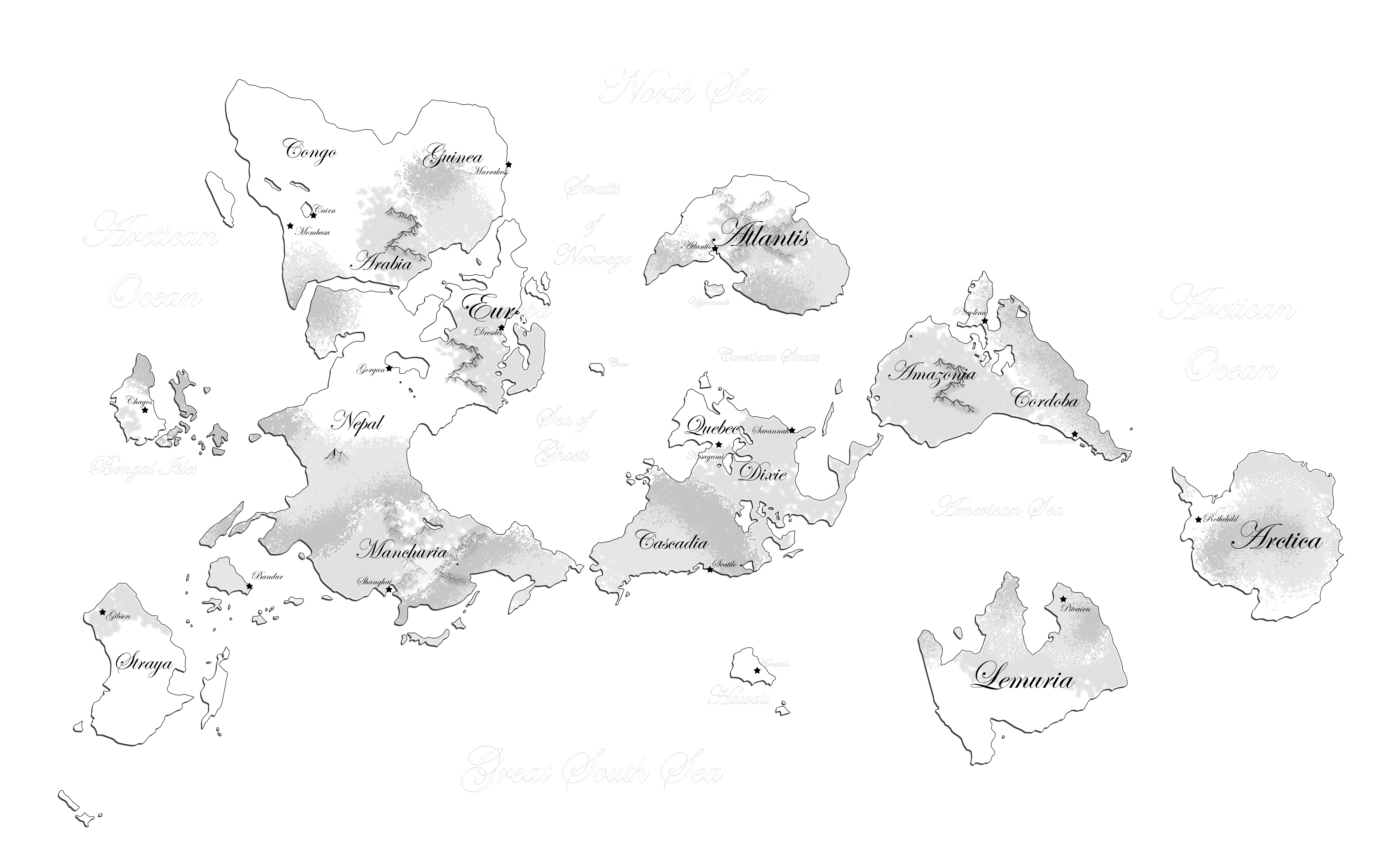
Over time he built a reputation in the criminal underworld as someone who could solve difficult problems in unconventional ways. His unpredictable magic made him dangerous to confront, and his willingness to disappear without warning made him difficult to track. The name Casketwalker began as a mocking nickname whispered among rivals who believed he carried death wherever he traveled.

Silas kept the name.

Despite the fortune he gradually accumulated, the life he built brought him little satisfaction. The illness that haunted him in childhood never fully vanished. Instead it lingered beneath the surface, occasionally returning with painful reminders that his power came with a cost he did not yet understand. More troubling was the weight of the life he had left behind.

Somewhere in the world was the family he had abandoned when he fled Wallachia. Silas had no idea where they were now or whether they would even recognize the man he had become. The thought of finding them again lingered in his mind like an unfinished promise. He rarely allowed himself to dwell on it.

The Road Ahead

Silas now finds himself drawn toward rumors of powerful artifacts and forgotten spells that might hold answers about the strange condition that shaped his life. Somewhere in the expanding chaos of the world after the meteor may exist a cure for what afflicts him. Whether such a cure would truly free him is another matter entirely.

Silas Casketwalker has spent so many years surviving in the shadows that he is no longer certain what kind of man he might become if the darkness finally lifted.

Stanley The Seer

Namespace
homebrew_rules_reference:player_characters
Page ID
homebrew_rules_reference:player_characters:stanley_the_seer
Canonical URL
https://apocalypticaarcanum.com/homebrew_rules_reference/player_characters/stanley_the_seer
File
stanley_the_seer.txt
Last Modified
View live page

Stanley the Seer

The Blood on the Steel

Stanley the Seer was born into a Yuan-Ti lineage—a “beast-blooded” people whose ancestors were reshaped by the chaotic magics of the Bengal Isles during the Age of Dominion. His early life was defined by a quiet, domestic stability that was violently erased when his parents and two brothers were massacred by fanatical followers of a cult of the Legion. The killers utilized primitive swords and axes, a visceral and intimate form of violence that left Stanley with a permanent psychological aversion to blade-work. In the wake of this trauma, he sought refuge in the libraries of the Choir, eventually finding a profound sense of peace within the sacred texts of Amandine, the Archangel of Love. He became obsessed with the idea that compassion could cauterize grief, using her teachings to navigate the crushing weight of his loss.

The Alchemical Apostle

Adopting the moniker of “The Seer,” Stanley became a man of robes and research, seeking glimpses of divine will through arcane and scholarly discipline. His rejection of the “blood on the steel” manifested in his choice of weaponry: he became a specialist in arcanotech explosives and bombs. By utilizing the volatile power of Shardisite and chemical catalysts at a distance, he could engage the world’s threats without the intimate proximity of the blades that took his kin. While his weapon of choice was inherently destructive, Stanley viewed his alchemical arsenal as a tool of necessary sacrifice, believing that sometimes the old must be burned away to make room for the nurturing warmth of Amandine’s grace.

The Champion of Compassion

In 2101 A.M., Stanley secured passage aboard the submersible ESS Albacore, intending to travel to the Europan capital of Dresden to further his theological pursuits. Throughout the voyage and the early days of the revolution, he served as a man of faith, though his true spiritual awakening did not occur until the party traversed the Tristessa Wood. After facing the Demon of Sadness in her own realm—a confrontation that mirrored the ancient battle between Amandine and Tristessa—Stanley experienced a direct celestial manifestation. He officially renounced his previous religious ties to rededicate his faith entirely to Jasiri, receiving a divine brand upon his palm as his chosen champion. From that moment forward, Stanley moved through the burning streets of Dresden not as a mere scholar, but as a living instrument of divine compassion, wielding his alchemical fire to protect the innocent and heal the rifts of a city in collapse.

Player Characters

Namespace
homebrew_rules_reference
Page ID
homebrew_rules_reference:player_characters:start
Canonical URL
https://apocalypticaarcanum.com/homebrew_rules_reference/player_characters/start
File
start.txt
Last Modified
View live page

Player Characters

Player Character Token Player Campaign Status
Bogdan Moravec Bogdan Moravec token Nathan Gade Origins: Genesis active
Carl J. Winslow Carl J. Winslow token Jeremy Schultz Origins: Genesis active
Lusat "Lews" Valthorne Lusat Valthorne token Adam Nesvold Origins: Genesis active
Thorun Darkstone Thorun Darkstone token Matt Skarie Origins: Genesis active
Viktor "Pooch" Pucovskivich Victor Pucovskivich token Curtis Renner Origins: Genesis active
Noctis Somnia Noctis Somnia token Jason Saylor Origins: Genesis retired
Silas Casketwalker Silas Casketwalker token Jason Saylor Origins: Genesis retired
Jonas Lasker Jonas Lasker token Jeremy Schultz Origins: Genesis retired
Meek Storm Meek Storm token Mike Ohren Origins: Genesis retired
Bludarious De'Tempoon Bludarious De'Tempoon token Curtis Renner Apocalyptica Arcanum I unresolved
Nebish Nebish token Nathan Gade Apocalyptica Arcanum I unresolved
Mickle Cobblelob Mickle Cobblelob token Michael Leyland Apocalyptica Arcanum I unresolved
Grundel Grundel token Dustin Hinrichs Apocalyptica Arcanum I unresolved
Draven Draven token Noah St. Michael Apocalyptica Arcanum I retired
Vladimir Vladislav Placeholder token Bjorn Pederson Apocalyptica Arcanum I retired
Sodster Placeholder token Scott Keeney Apocalyptica Arcanum I retired
Xilleth Placeholder token Joshua Hoffer Apocalyptica Arcanum I retired
Ark Placeholder token Todd Apocalyptica Arcanum I retired
Professor Clank Placeholder token Brian Klinnert Apocalyptica Arcanum I retired
Bruenor Silverhammer Placeholder token Jason Edwards Apocalyptica Arcanum I retired
Garbajio Placeholder token Colin Guare Apocalyptica Arcanum I retired
Drathus, the Arisen Drathus, the Arisen token Gibb Sheets Apocalyptica Arcanum I retired
Raylan Marston Raylan Marston token Adam Nesvold Origins: Black Dog resolved
Chow Yun-Phat Chow Yun-Phat token Curtis Renner Origins: Black Dog resolved
Horace Grimm Horace Grimm token Matt Skarie Origins: Black Dog resolved
Jedidiah Smith Jedidiah Smith token Nathan Gade Origins: Black Dog resolved
John Wilson John Wilson token Jordan Buermann Origins: The Wendigo resolved
Josiah Reubenson Josiah Reubenson token Adam Nesvold Origins: The Wendigo resolved
Katya Blackheart Katya Blackheart token Kayla Guth Origins: The Wendigo resolved
Mozaddha Theriska Mozaddha Theriska token Curtis Renner Apocalyptica Arcanum II unresolved
Muddy Mittens Muddy Mittens token Nathan Gade Apocalyptica Arcanum II unresolved
Grildis Drummy Grildis Drummy token Luke Brendemuhl Apocalyptica Arcanum II unresolved
Chegglin Chinbeard Chegglin Chinbeard token Dustin Hinrichs Apocalyptica Arcanum II unresolved
Stanley the Seer Stanley the Seer token Cody Stanley Apocalyptica Arcanum II retired
Barkevius Frumpymelon Barkevius Frumpymelon token Luke Brendemuhl Apocalyptica Arcanum II retired
Sikro Placeholder token Chris Zabel Apocalyptica Arcanum II retired
4032 "Kolg" 4032 "Kolg" token Adam Brendemuhl Apocalyptica Arcanum II retired
Lofta Lofta token Michael Leyland Apocalyptica Arcanum II retired
Aurora Aurora token Noah St. Michael Apocalyptica Arcanum II retired

Thorun Darkstone

Namespace
homebrew_rules_reference:player_characters
Page ID
homebrew_rules_reference:player_characters:thorun_darkstone
Canonical URL
https://apocalypticaarcanum.com/homebrew_rules_reference/player_characters/thorun_darkstone
File
thorun_darkstone.txt
Last Modified
View live page

Thorun Darkstone

Thorun Darkstone was raised on fables of a world that no longer exists. The elders of Hammerfest spoke of green forests, bright harbors filled with merchant sails, and mountains so clear and white that on certain days you could see for miles across the northern sea. Those stories belonged to the time before The Meteor, before the world shifted and the old order quietly began to decay.

Thorun grew up knowing only the harsher version of that world. Survival required strength, usefulness, and the willingness to endure long winters and uncertain roads. From an early age he learned that a dwarf who could not carry his weight would not eat, and a dwarf who could not defend himself would not last long beyond the village walls. Thorun learned to do both.


Motivation: Earn a reputation worthy of the old sagas while finding the opportunity that will finally elevate him beyond a wandering sellsword.

Flaw: Thorun enjoys a good fight more than he sometimes cares to admit, and that enjoyment occasionally leads him to take risks that a wiser warrior might avoid.

Early Life

Character Overview
Name Thorun Darkstone
Race Dwarf
Class Fighter (Champion)
Level 4 (at the start of the campaign)
Background Mercenary Smith
Alignment Neutral

Thorun was born near Hammerfest in eastern Europa, a place where the unpredictable winters and the untamed Sea of Ghosts shaped the character of those who lived there. The settlement had once been a thriving harbor filled with traders, fishermen, and Shardisite prospectors. By the time Thorun was a child it had become something quieter and harder, a place surviving on stubborn determination more than prosperity. Even so, the traditions of the old clans endured.

From a young age Thorun was expected to contribute to the survival of the community. Like many dwarves before him, he was sent to the forge while still young enough to struggle lifting the heavier tools. The work was difficult but honest. Under the watchful eyes of older craftsmen he learned to shape metal into tools, blades, and the countless practical objects a harsh frontier settlement required.

Thorun discovered he had a talent for the craft. His hands were steady and his instincts for metal came naturally. Before long he was producing work good enough to sell beyond Hammerfest itself.

The Road

Selling those goods meant traveling. Thorun began making regular journeys to nearby towns and scattered settlements, carrying his work along rough “roads” where dangers were common and help was rare. Fortunately for him, he was larger than most dwarves and had little trouble defending himself when necessary.

At first he approached travel cautiously, learning to move during daylight and choosing his routes carefully. Over time he developed an instinct for danger that allowed him to avoid many confrontations entirely. He became skilled at reading the mood of a road, recognizing when something ahead felt wrong. Even so, trouble had a way of finding him.

Occasionally he would remain in a town for several days, working a local forge to repair tools or produce new weapons. Payment for that work was not always reliable. Some clients attempted to cheat him outright. Others preferred a darker solution, waiting until nightfall to ambush him and reclaim the coin they had just paid. Thorun learned quickly. More than once those ambushes ended badly for the men who attempted them.

A Second Trade

Those experiences gradually revealed another opportunity. If people were already willing to pay coin for blades and armor, they were often willing to pay even more for someone capable of using them. Thorun began accepting occasional work as hired muscle.

At first the jobs were simple: escorting caravans, guarding merchants, or intimidating the sort of troublemakers who preferred easy prey. Yet Thorun soon realized he had a knack for combat that extended beyond brute strength. He enjoyed thinking through a fight before it began, studying terrain, setting small traps, and positioning himself where the advantage favored him. He also discovered that he enjoyed the work more than he expected.

Word of his skill spread along the trade routes. Before long Thorun’s reputation as a capable fighter began to rival his reputation as a blacksmith. The two professions complemented each other well. When work at the forge slowed, mercenary contracts filled the gap. When battles left him needing repairs or replacements, his own skills allowed him to maintain his equipment better than most. The only real drawback was that reputation rarely allowed him to stay in one place for long. In some towns his presence was welcomed. In others it made people uneasy.

The Long Road Forward

Thorun has since accepted the wandering life as part of his path. The larger the town or city, the greater the opportunities for both his trades. A place with enough coin changing hands will always need weapons, and just as often it will need someone willing to use them.

Thorun believes that somewhere along those roads lies the opportunity he has been waiting for. The right job, the right contract, or the right battle that will finally carve his name into the kind of legend the elders once spoke about in Hammerfest. Until that moment arrives, he continues walking the road with hammer in one hand and violence in the other.

Victor Pucovskivich

Namespace
homebrew_rules_reference:player_characters
Page ID
homebrew_rules_reference:player_characters:victor_pucovskivich
Canonical URL
https://apocalypticaarcanum.com/homebrew_rules_reference/player_characters/victor_pucovskivich
File
victor_pucovskivich.txt
Last Modified
View live page

Viktor "Pooch" Pucovskivich

Viktor “Pooch” Pucovskivich is a half-orc raised between two worlds that never fully accepted him. Born into uncertainty and abandoned as an infant, he was taken in by a pair of aging dwarven farmers who raised him with patience, discipline, and a stubborn belief that even an orphaned half-orc could become a civilized man. Under their care Viktor learned to read, negotiate, and behave with dignity in a world that often expected none of those things from him.

Yet the life Viktor imagined for himself was never meant to remain on that quiet farm. His path would eventually lead him to the Church of Louhdism, to the glowing Shard beneath Kaali, and finally into exile when the faith he served demanded an atrocity he could not commit. Now Viktor wanders the world branded by a religion that considers him a traitor, guided only by the faint burn of the amulet he still wears and the growing suspicion that the power he once believed divine was never what the church claimed it to be.


Motivation: Discover the truth behind the powers of Louhdism and determine whether the force guiding him is truly divine or something far more dangerous.

Flaw: Viktor struggles with deep internal conflict between the discipline he was taught by the church and the moral instincts that ultimately forced him to defy it.

Early Life

Character Overview
Name Viktor “Pooch” Pucovskivich
Race Half-Orc
Class Paladin (Oath of Redemption)
Level 4 (at the start of the campaign)
Background Acolyte
Alignment Neutral Good

Viktor was abandoned as an infant somewhere in the Tallinn province and eventually discovered by an elderly dwarven farming couple named Beldrum and Nassmyla. They raised him on a modest farm where life revolved around potato fields, livestock, and the long rhythms of rural labor.

Though Viktor’s physical strength was obvious even as a child, Beldrum insisted that brute force alone was not enough to survive in the civilized world. He taught Viktor manners, etiquette, and the art of negotiation during regular trips to the markets of Tallinn. Those lessons proved surprisingly effective. Despite his intimidating appearance, Viktor developed a talent for conversation and bargaining that soon made him the one responsible for negotiating sales in the marketplace.

When not working the farm, Viktor spent his time reading stories of heroes and adventurers. His favorite tales centered on the legendary figure Dobrynya, especially the story known as Dobrynya and the Bounty of Kaali, which told of a mysterious land blessed with prosperity and divine power. Those stories planted the first seeds of a dream that Viktor would eventually pursue.

Loss and Departure

That dream remained distant while Beldrum and Nassmyla lived. Both were elderly and increasingly frail, and Viktor understood that abandoning the farm would leave them without the help they needed. Everything changed shortly after Viktor’s thirteenth birthday.

A violent storm appeared without warning, transforming a calm afternoon into a chaotic fury of wind, hail, and lightning. Racing home to protect the livestock, Viktor arrived just in time to witness lightning strike the barn and set the structure ablaze. As Beldrum struggled to control one of the terrified horses, the wind tore the roof from the burning structure and hurled it down upon him. Viktor and Nassmyla dug through the wreckage knowing what they would find. Beldrum did not survive.

Nassmyla followed him not long afterward, her health already failing before the tragedy. Before her death she pressed a sealed envelope into Viktor’s hand and told him only to open it when he felt truly lost. With the farm gone and the people who raised him buried beside the pasture, Viktor finally set out into the wider world.

The Church of Louhdism

For several years Viktor traveled with ship crews and wandering adventurers, discovering quickly that the real world bore little resemblance to the heroic stories he had grown up reading. Cities were cruel, people were selfish, and power was pursued with little regard for morality. Eventually his journey brought him to the island of Saaremaa, where an old map revealed the location of Kaali. The stories had not exaggerated its beauty.

Where the surrounding countryside was barren and harsh, Kaali appeared like an oasis of green fields and fertile land. At the heart of the settlement stood the Church of Louhdism, a religious order built around a mysterious object known simply as The Shard, a crystal said to embody divine power connected to the deity Uko. Viktor was captivated.

He joined the church as a devotee and spent three years in rigorous training and service. His discipline, strength, and unusual background impressed the elders of the order, and before long he was selected for initiation into the paladin order tasked with protecting the secrets of Kaali. The ceremony that followed would mark him forever.

The Shard

On the night of his initiation Viktor was brought beneath the church into hidden chambers where a massive green crystal rested upon a stone pedestal. The Shard. During the ritual the High Priest carved a small fragment from the crystal and pressed it against Viktor’s brow while chanting ancient words. As the shard touched his skin, blinding green light filled his vision and a presence flooded his mind.

For a brief instant Viktor saw a pale, gaunt figure draped in ragged vestments laughing somewhere deep within his thoughts. Then everything went black. When Viktor awoke he possessed powers that the church described as divine blessings from Uko.

The Paladin Order

Viktor became part of a small group of paladins responsible for protecting the secrets of Kaali from outsiders. Their mission was not glorious. They traveled in disguise across nearby provinces hunting rumors of the church, silencing those who sought its secrets, and ensuring that no one discovered the truth behind the Shard.

The work was brutal and often morally questionable, but Viktor believed the cause justified the methods. The church had taught him that the outside world would destroy Kaali if its secrets were revealed. For years he followed those orders without question. Until the night everything changed.

The Village of Hiiumaa

While investigating rumors about a cartographer who possessed knowledge of Kaali, Viktor’s unit arrived in a small village on the island of Hiiumaa. Exhausted and frustrated after days without rest, their captain eventually emerged from an interrogation with a terrifying command. Burn the entire village. Women, children, and all.

The order struck Viktor like a physical blow. This was not what the teachings of Louhdism promised. This was not the righteous defense of Kaali he had sworn to uphold. When he refused to participate, the captain dismissed him and ordered him to return home. As Viktor rode away he could hear the screams behind him.

Exile

News of his insubordination reached Kaali before he could return. Viktor knew what awaited him there: judgment, exile, and perhaps execution for betraying the order. That night, as anger and despair overwhelmed him, the amulet of Louhdism around his neck began to burn with unusual intensity. Amid the chaos in his mind the familiar mocking laughter returned. Then it stopped.

For a brief moment Viktor saw a different vision: a gentle figure robed in flowing garments, standing in calm silence. A faint voice spoke a single word. “Go.” Viktor fled before the church could seize him.

Life on the Run

For more than a year Viktor has traveled under a different name, hiding his identity from the paladin order that now hunts him. He works odd jobs as a deckhand, bodyguard, or bouncer, relying primarily on his strength rather than the divine powers he once wielded openly. Those powers remain, though he uses them only when absolutely necessary.

The amulet he still wears continues to burn faintly against his chest, a reminder that whatever force touched him during the initiation ritual has not abandoned him. Whether that force is truly Uko, something darker connected to the Shard, or something entirely different is a mystery Viktor has yet to unravel. All he knows is that something in the world is calling him forward. And for the first time since leaving Kaali, he is beginning to believe that answering that call might lead him toward redemption.

Shard-blight

Namespace
homebrew_rules_reference
Page ID
homebrew_rules_reference:shard-blight
Canonical URL
https://apocalypticaarcanum.com/homebrew_rules_reference/shard-blight
File
shard-blight.txt
Last Modified
View live page

Shard Blight

“It doesn’t kill you all at once. It reshapes you. And it never reshapes you the same way twice.”

Shard Blight is a chaotic magical affliction born from prolonged exposure to raw, unrefined Shardisite. While known throughout the world, it is most common near the cursed waters of the Sea of Ghosts, where the highest Shardisite concentrations seep into the land, sea, and air.

Unlike early descriptions that framed it as a slow crystallization, Shard Blight is now understood as wildly unpredictable. No two victims transform the same way. One may sprout jagged crystalline spines from the spine and shoulders; another may develop translucent skin crawling with green light; a third may warp into something unrecognizable, half-flesh, half-mineral, writhing and humming with unstable magic.

Symptoms often begin subtly: flickers of green light under the skin, disjointed thoughts, or the sensation of something humming in the blood. But within days, the body begins to break its own rules. Limbs twist. Bones elongate. Eyes multiply. Voices crack into harmonics. Some victims collapse into convulsions; others wander off, drawn by unknown forces toward the ocean.

Shard Blight is not merely a disease. It is a curse of place, a mutation of being. There is no known cure, only containment or mercy.

The afflicted are often feared not just for their appearance but for the magical disturbances they radiate. Entire villages near the Sea of Ghosts have been abandoned after a single outbreak, leaving behind only the faint glow of the blighted in the dark.

Shardisite

Namespace
homebrew_rules_reference
Page ID
homebrew_rules_reference:shardisite
Canonical URL
https://apocalypticaarcanum.com/homebrew_rules_reference/shardisite
File
shardisite.txt
Last Modified
View live page

Shardisite

“It fuels machines, mutates the flesh, and fractures the soul.”

Shardisite is the rare and volatile crystalline mineral left behind by the The Meteor event that struck Earth on January 18th, 1886. It glows with a faint green light, pulses with raw arcane power, and has shaped every age since its arrival. Found in veins beneath the Earth and fragments around the rim of the Sea of Ghosts, Shardisite transformed the very nature of reality.

Once a mystery, it is now the world’s most coveted resource, capable of powering spells, mutating life, and bending the laws of nature.

Appearance, Refinement and Measurement

Varieties of shardisite

Shardisite is a pale-green crystal with a luminous internal glow. Its jagged structure resembles Jade, though its magical potency increases exponentially with size. A sliver can heat a forge. A boulder can rewrite the stars.

In raw form, Shardisite is highly dangerous, radiating magical energy capable of mutating flesh, minds, and even memories. In refined form, it is cut into gemstone-grade fragments and sealed with arcane containment runes to allow safe handling and transport.

Dust-grade Shardisite is weaker but easier to control, unless inhaled, in which case it becomes a death sentence or something stranger.

Viroc Industries pioneered the principles of Shardisite refining and transportation during The Age of Nations, but each refining concern uses its own proprietary containment rituals.

Effects & Uses

Shardisite is the foundation of enchantment and high-level spellcasting in the modern world. Its presence amplifies magic, allows the permanent imbuement of spells into objects, and fuels arcane machinery.

Its power scales not only with quantity and purity, but with belief. Shardisite is a physical anchor for willpower itself.

“One person can shape a flame. A group can forge a weapon. A nation can bend the world.”

Common applications include:

  • Powering airships, engines, and other arcanotech
  • Forging enchanted weapons and artifacts
  • Fueling divine or infernal rituals
  • Enabling world-altering spells and magical cities

The Merethic Scale

Name Mass Typical Use
Dust (powder) scroll inks and alchemical catalysts
Chip 0.5 g minor charms, spell enhancement, potions
Shard 5 g +1 equipment, low-level enchantments
Stone 50 g high grade enchantment, warforged cores
Ingot 500 g vehicle engines, regional magics
Heart 5 kg city engines, global magics
Corona 50 kg reality altering magics

The Merethic Scale is the standard system for weighing, grading, and pricing Shardisite across most civilized regions of the modern era. Adopted in 982 A.M. by a conglomerate of mining ventures operating around the Sea of Ghosts, it formalized Shardisite handling after centuries of lethal refining accidents and replaced all sorts of inconsistent local measures.

At its core, the scale measures refined Shardisite by weight, whether powdered or processed into chips, shards, stones, hearts, and coronas. One shard equals approximately five grams of refined crystal. Successive tiers increase by powers of ten, each retaining a widely used colloquial name among miners, merchants, and mages.

Raw Shardisite ore is traded by estimated equivalent processed weight once refined.

History

In the aftermath of the meteor impact, the Earth changed overnight. New creatures roamed the land. Mutated humans formed the earliest non-human races. Arcane storms swept across the globe.

For centuries, Shardisite was feared, hoarded, and fought over. Industrial empires rose and fell around its excavation. The Sea of Ghosts once held the richest veins in the world, now stripped bare, leaving behind toxic ruins and haunted wreckage.

In 500 A.M., a global cabal of wizards published a unified body of arcane theory, codifying the nature and use of Shardisite. This act triggered the magical renaissance and reshaped civilization. Today, Shardisite is taxed, traded, refined, and weaponized by nation-states and private interests alike.

Countries have gone to war over ounces.

Major Historical Events

The following world-altering events involved or were enabled by Shardisite:

  • 21 A.M. - The evangelical rapture: In Salt Lake City, tens of thousands of faithful gathered around a 1.5-ton meteor shard and cast a world-shaking spell to bring all of “God’s children” into the arms of their Father. Millions vanished. Christianity collapsed.
  • 666 A.M. - The naming of Nekoda: A young Lemurian poet, broken by the post-apocalypse, gave a name to his suffering. That name, Nekoda, manifested into reality as a demon. Thus began the emergence of the Legion.
  • 941 A.M. – The first angelic being is manifested: A power-hungry cult known as the Verdant Light manifested the first dragon and as an unintended consequence they birthed the first angel. Thus began the emergence of the Choir.
  • 1010 A.M. - The banishment of Tristessa: A sorrow demon of immense power was exiled through arcane means, leaving scars upon the world and birthing religious upheaval.
  • 1501 A.M. - The Raising of The Dreadfort: Using massive quantities of Shardisite, a corporate alliance lifted Mauna Loa into the sky to protect their monopoly on a magical airship fuel called Hydrogas. It remains the only floating mountain in the world.

Identification & Handling

Shardisite emits a faint green light, even when embedded in rock. It sings softly to those sensitive to magic, and its presence can be felt like a migraine by the untrained.

Safe handling requires:

  • Arcane containment runes
  • Lead-lined boxes or sigil-inscribed containers
  • Distance and limited exposure

Those who ignore containment often end up changed, or no longer human.

Rumors & Lost Lore

  • Some believe the original meteor’s heart still lies beneath the Sea of Ghosts, untouched and pulsing with primordial power.
  • Others speak of ancient vaults filled with Shardisite, hidden in the ruins of forgotten cities.

Homebrew Rules Reference

Namespace
root
Page ID
homebrew_rules_reference:start
Canonical URL
https://apocalypticaarcanum.com/homebrew_rules_reference/start
File
start.txt
Last Modified
View live page

Homebrew Rules & Reference

This is the mechanical reference hub for Apocalyptica Arcanum. The pages below define the world’s governing systems: belief, shardisite, mutation, combat, wealth, vehicles, and survival. They are written for immediate table use and assume active play. When in doubt, check here first.

Core Setting Foundations

Exploration & Campaign Play

Equipment & Wealth

Rules Systems

Generative Tools

The Choir The Legion

Namespace
homebrew_rules_reference
Page ID
homebrew_rules_reference:the_choir_the_legion:start
Canonical URL
https://apocalypticaarcanum.com/homebrew_rules_reference/the_choir_the_legion/start
File
start.txt
Last Modified
View live page

The Choir & The Legion

“They were not born in the Beginning. They were born when we began to believe.”

— Archdeacon Elira Voss, The Light That Came After

“They are not gods. They are what remains when belief curdles.”

— High Inquisitor Malrek, The Black Catechism


In the aftermath of The Meteor event, the world did not merely fracture physically. It fractured spiritually. From that rupture emerged two opposing divine phenomena: the Choir and the Legion. Neither existed at the dawn of creation. Both were born from mortals.

They are not reflections of an original cosmic order. They are consequences.

The divine forces of the modern world arose not from primordial design, but from belief made desperate and potent in the wake of catastrophe. The Meteor did not merely shatter the Earth; it seeded it with Shardisite, a substance capable of amplifying thought, emotion, and conviction until belief itself gained the power to shape reality.

As humanity struggled to survive amid grief, terror, and hope, Shardisite-infused lands, bodies, and minds became conduits. Emotion no longer dissipated. It accumulated. Where belief endured long enough and strongly enough, it began to crystallize into form.

Where belief reached outward toward healing, meaning, and transcendence, the Choir emerged. Where belief collapsed inward into obsession, despair, and wrath, the Legion followed.

Together, they represent the metaphysical consequence of a shard-saturated world: uplift and corrosion, faith and fixation, salvation and consumption—divinity born not of creation, but of catastrophe.

The Choir and the Legion are not equals, nor are they opposites in the traditional sense. They are responses to the same wound.

The Choir uplifts belief toward healing and unity. The Legion exploits belief twisted into fixation and despair.

Together, they define the spiritual reality of the modern world. Civilization exists in the tension between them, shaped by which emotions are nurtured, and which are allowed to fester.

Divinity did not judge mortals after the Apocalypse. Mortals judged themselves.

The Choir

Name Rank Domain
Archangels
Amandine Archangel Love
Desta Archangel Joy
Jasiri Archangel Courage
Angels
Amity Angel Affection
Hara Angel Lust
Desiré Angel Longing
Caris Angel Sympathy
Felicity Angel Cheerfulness
Shanta Angel Serenity
Tafari Angel Awe
Brandi Angel Relief
Fiducia Angel Confidence
Gabouray Angel Frivolity
Nadine Angel Hope
Marvela Angel Admiration

The Choir is the celestial order of divine beings born from belief in virtue. They are manifestations of emotional ideals given form by mortals who, even amid ruin, dared to imagine compassion, courage, joy, and love.

The Choir did not appear in the earliest centuries after The Meteor. Their arrival marked a turning point in metaphysical history, when hope itself became strong enough to shape reality. Since then, the Choir has grown into a structured and persistent divine presence, felt across every region of the known world.

Though they do not name themselves gods, many mortals do. The Choir works through miracles, visions, inspiration, and guidance. Their influence is strongest where belief is communal, sustained, and sincere.

Divine Hierarchy of the Choir

Archangels The three Archangels embody the broadest forces that uplift sentient life: Love, Joy, and Courage. Their manifestations are rare and monumental, reshaping cities, cultures, and eras. When an Archangel appears, history records the moment as sacred.

Angels Angels represent more intimate virtues and emotional truths. They answer prayers, appear in dreams, and perform quiet miracles. In rare moments of great crisis or sanctity, they have manifested physically, leaving behind relics, consecrated ground, or enduring legends.

Worship and Presence

In the modern era, faith in the Choir is deeply embedded in society. Religious institutions are grand, hierarchical, and deeply ceremonial, with angels replacing saints and divine manifestations shaping holy calendars and festivals across the world.

  • Towns typically maintain a chapel to the Choir.
  • Cities host multiple churches, some dedicated to specific angels.
  • Metropolises feature vast cathedrals, often built atop sites of angelic manifestation.

The Choir does not demand worship, but belief strengthens them. In return, they uplift the faithful, guide civilizations, and resist the spread of despair.

The Legion

Where the Choir arose from hope, the Legion was born from suffering.

The Legion is the pantheon of demonic entities formed from trauma, obsession, despair, and wrath. They are not divine by intention, but by accumulation. They are psychic scars left upon the world—emotions so overwhelming that they acquired form.

Their emergence began in the centuries following the Meteor, as humanity endured starvation, madness, exploitation, and endless war. Pain became ritualized. Fear became currency. From this, the Legion grew.

A defining moment in their ascent was the Naming of Nekoda, when the first Archdemon was identified, recorded, and invoked by name. This act of recognition transformed scattered manifestations into something organized and enduring. Many scholars mark this moment as the birth of demonic worship and the second great spiritual wound of civilization.

Some call the Legion gods. Others call them lies made flesh. All who study them agree on one truth: they are real, and they hunger.

Nature of the Legion

The Legion is a chorus of torment given form. Each entity embodies a single consuming emotion, one that devours rather than uplifts.

Archdemons represent vast, catastrophic emotional forces that reshape societies and eras. Demons embody more specific vices, fixations, and afflictions.

They manifest through nightmares, hallucinations, blood rites, and tragic miracles. Some form covenants with mortals. Others invade unbidden, drawn to suffering like carrion birds.

Worship and Secrecy

Name Rank Domain
Archdemons
Sarabi Archdemon Rage
Nekoda Archdemon Suffering
Jaser Archdemon Fear
Demons
Bane Demon Irritability
Kasim Demon Anger
Goster Demon Disgust
Navarra Demon Envy
Tristessa Demon Sadness
Ashok Demon Disappointment
Remorso Demon Shame
Mamand Demon Neglect
Biagio Demon Terror
Abhay Demon Nervousness
Makalo Demon Surprise
Dipaka Demon Panic

Unlike the open devotion practiced toward The Choir, worship of The Legion almost never appears in the open world without disguise, metaphor, or denial. Even in regions where the existence of demons is accepted as a cosmic reality, direct veneration of them is considered dangerous at best and unforgivable at worst. Demon cults rarely call themselves cults. They present as philosophical societies, secret fraternities, criminal conspiracies, or mystical orders pursuing forbidden truths. In most lands, Legion worship survives only through secrecy.

Demons reward ambition, passion, and the ruthless pursuit of desire. Those who seek their favor tend to be individuals already dissatisfied with the world’s order: scholars hunting hidden knowledge, rulers seeking leverage over rivals, criminals chasing power, or mystics who believe the divine must be confronted rather than obeyed. Their rituals often take place in forgotten cellars, abandoned shrines, sealed crypts, or beneath the very institutions that publicly condemn them. The secrecy is not merely protection from authorities. Many demons demand it. Hidden worship heightens devotion, and isolation breeds the desperation on which many demons thrive.

Some cults form around a specific demon whose influence grows quietly within a region. Others venerate the Legion as a whole, believing that the divine must include destruction and suffering as much as mercy and grace. These groups often reject the language of corruption entirely. To them, demons are simply another aspect of the cosmic order.

There are rare exceptions to this secrecy. The most notable lies within the nation of Guinea, where both angelic and demonic reverence exist openly under state doctrine. Guinean theology teaches that divinity cannot be understood through light alone, and that the Legion represents truths the Choir cannot express. Even there, however, devotion to demons is disciplined and controlled by the Council of Seven. The balance between the two forces is treated as sacred law, not personal indulgence. Outside Guinea, any claim of Legion worship is far more likely to end with a noose than a sermon.

Because of this, Legion cults tend to leave strange footprints. Disappearances, secret societies, coded iconography, and unexplained bursts of violence often precede the revelation of a cult’s existence. By the time authorities discover them, the damage is usually already done.

This pattern has repeated across the centuries. Wherever demons are worshipped, secrecy follows. And wherever secrecy takes root long enough, something from the Legion eventually answers.

In every city, there are whispers. Symbols etched into alley walls. Rites buried in forbidden texts. Pain is patient. So are its saints.

Amandine

Namespace
homebrew_rules_reference:the_choir_the_legion:the_choir
Page ID
homebrew_rules_reference:the_choir_the_legion:the_choir:amandine
Canonical URL
https://apocalypticaarcanum.com/homebrew_rules_reference/the_choir_the_legion/the_choir/amandine
File
amandine.txt
Last Modified
View live page

Amandine

Amandine stands as the radiant embodiment of love, a central figure within The Choir, revered by mortals and worshippers for her compassion, nurturing presence, and the warmth she inspires. Her divine form is both striking and serene, with soft features that exude empathy and grace. She is often depicted in flowing robes of shimmering silver and pastel pink, with wings that glow with a soft, ethereal light. Her eyes are said to hold the gaze of infinity, simultaneously reflecting the intimacy of a lover’s glance and the boundless depths of unconditional love. Amandine is not just the patron of romantic love, but of all forms—familial, platonic, and even the love one finds in the pursuit of ideals.

Though she is revered for her kindness, Amandine's love is not without challenge. She represents the belief that true love is as much about sacrifice as it is about joy. It is said that those who pray to her find comfort, but they also learn that love requires vulnerability and patience. Her followers are often those who seek connection or wish to heal rifts between others, and her temples are frequently places of reconciliation and peace. Amandine’s guidance can be as soft as a whisper or as forceful as a surge of passion, depending on what is needed to bring love into balance.

Amandine's influence extends beyond individual relationships, touching the very core of communities and societies. Her presence is often felt in moments of unity, when people come together to care for one another, or when bonds of trust are formed. Festivals and ceremonies dedicated to her honor are filled with acts of generosity and kindness, as followers believe that by fostering love, they draw closer to the divine. In times of war or conflict, Amandine’s clerics are often found at the frontlines, not as combatants, but as mediators and healers, striving to mend wounds both physical and emotional. She is seen as a beacon of hope in dark times, reminding all who turn to her that love, in all its forms, is the strongest force in the world.

Amity

Namespace
homebrew_rules_reference:the_choir_the_legion:the_choir
Page ID
homebrew_rules_reference:the_choir_the_legion:the_choir:amity
Canonical URL
https://apocalypticaarcanum.com/homebrew_rules_reference/the_choir_the_legion/the_choir/amity
File
amity.txt
Last Modified
View live page

Amity

Amity, the Angel of Affection, is a beloved figure within The Choir, embodying the warmth and tenderness found in the bonds that unite people. She is often depicted with a gentle smile, her soft, flowing robes in shades of pale rose and lavender, radiating a calming presence. Her wings, delicate and translucent, shimmer with the hues of a soft dawn, symbolizing the gentle touch of affection that can heal and strengthen relationships. Amity is the guardian of companionship and emotional intimacy, watching over the connections between family, friends, and loved ones. Her presence brings comfort, and her followers seek her guidance to deepen their bonds with those they care for.

Amity teaches that affection is the foundation of all meaningful relationships. She encourages her followers to nurture the small, everyday acts of kindness that foster closeness—whether it be through a gentle touch, a shared smile, or a word of reassurance. Her influence is often felt in quiet moments of connection, when a simple gesture can express love more deeply than grand declarations. Those who worship Amity often come to her seeking solace in times of loneliness, or strength when rifts form in relationships. Her temples are places of quiet reflection, where people can find peace and reconnect with the love they hold for others.

Amity’s festivals are joyous and intimate gatherings, where people celebrate the bonds they share with their loved ones. These events often feature shared meals, storytelling, and acts of kindness as worshippers reflect on the importance of affection in their lives. Clerics of Amity are known for their roles as counselors and mediators, helping to heal emotional wounds and strengthen relationships. They travel between communities, offering blessings to families and friends, reminding all who follow her that affection is not just an emotion, but an ongoing commitment to those we care for. In Amity’s name, love is expressed through tenderness, patience, and the continual nurturing of the ties that bind us.

Brandi

Namespace
homebrew_rules_reference:the_choir_the_legion:the_choir
Page ID
homebrew_rules_reference:the_choir_the_legion:the_choir:brandi
Canonical URL
https://apocalypticaarcanum.com/homebrew_rules_reference/the_choir_the_legion/the_choir/brandi
File
brandi.txt
Last Modified
View live page

Brandi

Brandi, the Angel of Relief, embodies the soothing and restorative power of comfort in times of distress. She is often depicted as a nurturing figure, adorned in soft, flowing robes of gentle green and calming lavender, colors that evoke a sense of tranquility and healing. Her presence radiates warmth and understanding, drawing those in need of solace to her side. Brandi’s wings are wide and enveloping, resembling a comforting embrace that promises safety and respite from life’s burdens. As the embodiment of relief, she stands as a beacon of hope, reminding individuals that they are never alone in their struggles.

Brandi teaches that relief is essential for emotional and physical well-being, emphasizing the importance of acknowledging pain and seeking support. She encourages her followers to reach out for help when needed and to offer their hands to others in distress. Her teachings inspire individuals to practice self-care and compassion, highlighting that true relief often comes from both giving and receiving kindness. In her presence, people are reminded that even the heaviest of burdens can be lightened through connection, understanding, and shared experiences.

Festivals dedicated to Brandi are heartfelt gatherings filled with acts of kindness and support, where participants come together to uplift one another and share their stories of relief and healing. These celebrations often include activities such as creating care packages, sharing meals, or engaging in group meditations aimed at fostering peace and comfort. Rituals may involve lighting candles to symbolize hope or writing letters of encouragement to those in need. Clerics of Brandi are known for their empathetic nature and gentle guidance, often acting as confidants and supporters for individuals seeking solace. In all her manifestations, Brandi reminds her followers that relief is not just a fleeting moment but a profound act of love and understanding that can transform lives and foster a deeper sense of community.

Caris

Namespace
homebrew_rules_reference:the_choir_the_legion:the_choir
Page ID
homebrew_rules_reference:the_choir_the_legion:the_choir:caris
Canonical URL
https://apocalypticaarcanum.com/homebrew_rules_reference/the_choir_the_legion/the_choir/caris
File
caris.txt
Last Modified
View live page

Caris

Caris, the Angel of Sympathy, embodies the deep understanding and compassion that arise in times of sorrow and hardship. He is depicted as a nurturing presence, draped in soft, flowing robes of gentle earth tones, reflecting the warmth and comfort he provides to those in distress. His expressive eyes radiate kindness and empathy, inviting those who seek solace to share their burdens. Caris’s wings, large and enveloping, resemble a protective embrace, offering refuge to anyone who finds themselves overwhelmed by grief or suffering. As the embodiment of sympathy, he stands as a beacon of hope and healing, guiding individuals through their darkest moments.

Caris teaches that sympathy is a powerful force that fosters connection and understanding between people. He encourages his followers to listen deeply and offer support, reminding them that shared experiences of pain can forge stronger bonds and help heal emotional wounds. His teachings emphasize the importance of validating others’ feelings, inspiring acts of kindness and generosity toward those who are struggling. In his presence, individuals are reminded that they are never alone in their sorrow, and that compassion can serve as a bridge between hearts, leading to healing and reconciliation.

Festivals dedicated to Caris are marked by acts of kindness and communal support, where people come together to uplift one another in solidarity. These gatherings often include sharing stories of resilience, creating care packages for those in need, or engaging in community service to extend compassion beyond the festivities. Rituals may involve lighting candles in memory of loved ones lost or dedicating time to listen to the stories of those who seek comfort. Clerics of Caris are known for their empathetic nature, often acting as counselors and confidants, providing a safe space for individuals to express their grief and find solace. In all his manifestations, Caris reminds his followers that sympathy is not just an emotion, but a profound act of love that can bring light to even the heaviest of hearts.

Desire

Namespace
homebrew_rules_reference:the_choir_the_legion:the_choir
Page ID
homebrew_rules_reference:the_choir_the_legion:the_choir:desire
Canonical URL
https://apocalypticaarcanum.com/homebrew_rules_reference/the_choir_the_legion/the_choir/desire
File
desire.txt
Last Modified
View live page

Desiré

Desiré, the Angel of Longing, embodies the deep and often poignant yearning that resides within the human heart. She is depicted as a figure of ethereal grace, with flowing robes that shimmer in soft hues of sapphire and silver, evoking the tranquil yet profound depths of desire. Her eyes, filled with a wistful glow, seem to capture the essence of dreams unfulfilled and aspirations that drive the soul forward. Desiré’s wings, delicate and translucent, shimmer with a gentle luminescence, symbolizing the beauty found in longing and the hope that accompanies it. She is revered as a guiding presence for those who seek what is just out of reach, illuminating the path toward fulfillment.

Desiré teaches that longing is an integral part of the human experience, a powerful emotion that fuels ambition and creativity. She encourages her followers to embrace their desires, understanding that yearning can lead to personal growth and transformation. Her teachings inspire individuals to pursue their dreams with passion and resilience, reminding them that the journey toward fulfillment is just as significant as the destination. Desiré’s influence can be felt in moments of introspection, when individuals reflect on their deepest aspirations and the motivations that drive them forward, instilling hope and perseverance in their hearts.

Festivals dedicated to Desiré are poignant celebrations of aspiration and connection, where participants share their dreams and yearnings in a supportive and uplifting environment. These gatherings often include storytelling, art, and music that express the beauty of longing and the joy of pursuit. Rituals may involve the lighting of candles or the writing of wishes, symbolizing the hopes held by the community. Clerics of Desiré serve as mentors, guiding individuals through their yearnings and helping them find clarity in their pursuits. In all her manifestations, Desiré reminds her followers that longing is not just a sense of absence, but a powerful motivator that can lead to profound fulfillment and connection when embraced with an open heart.

Desta

Namespace
homebrew_rules_reference:the_choir_the_legion:the_choir
Page ID
homebrew_rules_reference:the_choir_the_legion:the_choir:desta
Canonical URL
https://apocalypticaarcanum.com/homebrew_rules_reference/the_choir_the_legion/the_choir/desta
File
desta.txt
Last Modified
View live page

Desta

Desta, the Archangel of Joy, is a radiant figure within The Choir, embodying the purest forms of happiness, elation, and delight. She is often depicted as a luminous figure clad in vibrant hues of gold and yellow, with wings that shimmer like sunlight dancing on water. Her laughter, it is said, can bring light to the darkest of places, and her mere presence has the power to lift the spirits of all who feel her influence. Mortals pray to Desta not only in moments of celebration but also in times of despair, hoping to draw upon her boundless energy to restore their sense of hope and joy.

Desta's joy is infectious, and her followers strive to spread happiness wherever they go, believing that by doing so, they honor her spirit. Her festivals are lively and filled with music, dance, and laughter, as worshippers seek to embody her ideals of living life with exuberance and gratitude. However, Desta's joy is not naive or shallow; it recognizes the full spectrum of human experience. She teaches that true joy comes not from denying sorrow, but from transcending it. Through her, people learn that joy can be found even in moments of hardship, as long as one has the strength to rise above and embrace the beauty of life.

In her divine role, Desta also fosters creativity, playfulness, and wonder, often guiding artists, poets, and performers in their works. Her influence can be felt in moments of spontaneous laughter, in the thrill of discovery, and in the quiet contentment that comes from a life well-lived. Her clerics are known for their uplifting spirits, spreading joy not through grand acts, but through the simple moments of connection and shared happiness that brighten the world. Wherever Desta's light touches, it leaves behind a spark of joy that continues to burn, long after her presence has faded.

Felicity

Namespace
homebrew_rules_reference:the_choir_the_legion:the_choir
Page ID
homebrew_rules_reference:the_choir_the_legion:the_choir:felicity
Canonical URL
https://apocalypticaarcanum.com/homebrew_rules_reference/the_choir_the_legion/the_choir/felicity
File
felicity.txt
Last Modified
View live page

Felicity

Felicity, the Angel of Cheerfulness, embodies the radiant joy and optimism that uplift the human spirit. She is often depicted with a bright, beaming smile that lights up her features, adorned in vibrant robes of sunny yellow and sky blue, colors that symbolize the brightness she brings to the world. Her lively presence exudes warmth and enthusiasm, making her an inviting figure for all who seek a boost of positivity. Felicity’s wings, large and expressive, seem to sparkle with every movement, reflecting the infectious energy that emanates from her joyful essence. As the embodiment of cheerfulness, she serves as a reminder that happiness can be found even in the smallest moments of life.

Felicity teaches that cheerfulness is a choice, one that can transform both individual lives and entire communities. She encourages her followers to embrace positivity and spread joy through acts of kindness, laughter, and genuine connection. Her teachings inspire individuals to find delight in everyday experiences, emphasizing that a cheerful heart can lighten burdens and inspire hope in others. In Felicity's presence, people are motivated to share smiles, create uplifting environments, and cultivate a sense of gratitude, reinforcing the idea that joy is a powerful force for good in the world.

Festivals dedicated to Felicity are lively and exuberant celebrations, filled with music, dance, and communal laughter. Participants engage in playful activities, games, and performances that foster a spirit of togetherness and merriment. Rituals may include the sharing of uplifting stories, the decoration of spaces with bright colors, and the exchange of small gifts that symbolize appreciation and friendship. Clerics of Felicity are known for their radiant energy and uplifting spirit, often acting as motivators and facilitators of joy in their communities. In all her manifestations, Felicity reminds her followers that cheerfulness is not merely an emotion, but a choice that can create ripples of happiness, fostering connections that uplift and inspire those around them.

Fiducia

Namespace
homebrew_rules_reference:the_choir_the_legion:the_choir
Page ID
homebrew_rules_reference:the_choir_the_legion:the_choir:fiducia
Canonical URL
https://apocalypticaarcanum.com/homebrew_rules_reference/the_choir_the_legion/the_choir/fiducia
File
fiducia.txt
Last Modified
View live page

Fiducia

Fiducia, the Angel of Confidence, embodies the empowering essence of self-assurance and belief in one’s abilities. He is often depicted as a striking figure, adorned in regal robes of deep royal blue and gleaming gold, colors that symbolize strength and clarity of purpose. His poised demeanor and unwavering gaze inspire those who encounter him, radiating an aura of determination and courage. Fiducia’s wings are broad and majestic, reflecting his strength, and they seem to shimmer with an inner light that uplifts those around him, encouraging them to stand tall and embrace their true selves. As the embodiment of confidence, he serves as a guiding force for individuals seeking to realize their potential.

Fiducia teaches that confidence is a vital trait that enables personal growth and success. He encourages his followers to trust in their abilities and embrace their unique qualities, reminding them that self-belief is the foundation for achieving their dreams. His teachings inspire individuals to confront their fears and challenges head-on, emphasizing that confidence can be cultivated through practice, perseverance, and self-compassion. In Fiducia's presence, people are motivated to take bold steps forward, knowing that they possess the inner strength to overcome obstacles and achieve their goals.

Festivals dedicated to Fiducia are vibrant celebrations of empowerment and personal achievement, filled with inspiring stories, motivational activities, and communal support. Participants engage in workshops, public speaking, and artistic expressions that showcase their talents and aspirations. Rituals may include the sharing of personal achievements, the lighting of candles to symbolize intentions for growth, or creating vision boards that represent their goals and dreams. Clerics of Fiducia are known for their inspiring presence and unwavering support, often acting as mentors who guide others in recognizing their worth and potential. In all his manifestations, Fiducia reminds his followers that confidence is not merely a fleeting feeling but a powerful mindset that can transform lives, empowering individuals to embrace their journey with courage and conviction.

Gabouray

Namespace
homebrew_rules_reference:the_choir_the_legion:the_choir
Page ID
homebrew_rules_reference:the_choir_the_legion:the_choir:gabouray
Canonical URL
https://apocalypticaarcanum.com/homebrew_rules_reference/the_choir_the_legion/the_choir/gabouray
File
gabouray.txt
Last Modified
View live page

Gabouray

Gabouray, the Angel of Frivolity, embodies the lightheartedness and playful spirit that bring joy and laughter to the world. She presents as a child-like figure, often depicted in colorful, whimsical garments that reflect the joyous nature of her essence. Her expressive features and mischievous grin radiate a sense of fun, inviting all who encounter her to embrace spontaneity and delight in the moment. Gabouray’s wings, adorned with bright patterns and playful designs, flutter with an infectious energy, encouraging others to let go of their worries and indulge in the carefree joy of life. Fondly known as “Gabby,” she is often the first angel that children learn to pray to, embodying the innocence and wonder of youth.

Gabouray teaches that frivolity is a valuable aspect of life that fosters creativity and connection among people. She encourages her followers to embrace silliness and spontaneity, reminding them that joy can be found in the simplest of pleasures. Her teachings inspire individuals to break free from the constraints of seriousness and routine, emphasizing the importance of laughter, play, and light-heartedness in nurturing relationships and enhancing well-being. In Gabby's presence, people are reminded that taking time to play and enjoy life can provide a refreshing perspective and rejuvenate the spirit.

Festivals dedicated to Gabouray are lively and exuberant celebrations filled with games, music, and playful activities. Participants engage in a variety of fun challenges, artistic expressions, and comedic performances that foster a spirit of camaraderie and joy. Rituals may include storytelling, dance-offs, and the sharing of humorous anecdotes that celebrate the lighter side of life. Clerics of Gabouray are known for their infectious enthusiasm and creativity, often acting as facilitators of fun and merriment within their communities. In all her manifestations, Gabouray reminds her followers that frivolity is not merely an indulgence but a vital expression of the human spirit that can foster happiness and deepen connections with others.

Hara

Namespace
homebrew_rules_reference:the_choir_the_legion:the_choir
Page ID
homebrew_rules_reference:the_choir_the_legion:the_choir:hara
Canonical URL
https://apocalypticaarcanum.com/homebrew_rules_reference/the_choir_the_legion/the_choir/hara
File
hara.txt
Last Modified
View live page

Hara

Hara, the Angel of Lust, embodies the primal and passionate aspects of desire within The Choir. Often depicted as a figure of striking beauty, she radiates an alluring charm that captivates all who encounter her. Clad in garments that seem to flow like liquid silk, shimmering in hues of deep crimson and midnight blue, Hara’s presence ignites the air with a sense of fervor and attraction. Her wings, expansive and vibrant, reflect the intensity of her nature, glimmering with iridescent colors that shift with her movements. As the embodiment of lust, Hara represents the vital energy of attraction, sensuality, and the intoxicating power of desire.

Hara teaches that lust is a natural and powerful force, essential to the experience of love and intimacy. She encourages her followers to embrace their desires, viewing them as expressions of their humanity. However, she also guides them to understand the importance of consent and respect in all encounters. Her teachings remind worshippers that lust can be both a source of joy and a pathway to deeper connections, but it must be approached with mindfulness and care. In Hara's presence, feelings of attraction and desire are celebrated, transforming what could be fleeting moments into profound experiences that bind individuals together.

Festivals dedicated to Hara are vibrant and sensuous affairs, filled with music, dance, and celebration of the body and spirit. Participants engage in revelry that honors both the thrill of lust and the beauty of passionate connections. Rituals may include shared dances, poetic expressions of desire, and communal feasts designed to tantalize the senses. Clerics of Hara serve as guides in exploring the intricate dance of attraction, helping individuals navigate their passions while fostering understanding and connection. In all her manifestations, Hara reminds her followers that lust is not merely a fleeting indulgence but a powerful aspect of existence that can lead to profound intimacy and joy when approached with awareness and respect.

Jasiri

Namespace
homebrew_rules_reference:the_choir_the_legion:the_choir
Page ID
homebrew_rules_reference:the_choir_the_legion:the_choir:jasiri
Canonical URL
https://apocalypticaarcanum.com/homebrew_rules_reference/the_choir_the_legion/the_choir/jasiri
File
jasiri.txt
Last Modified
View live page

Jasiri

Jasiri, the embodiment of courage within The Choir, stands as a towering and heroic figure, a beacon of strength, resilience, and unwavering determination. He is often depicted clad in shining armor that gleams with an otherworldly glow, his muscular frame exuding power and confidence. With a spear gripped firmly in one hand and a shield in the other, Jasiri stands ready to face any challenge. His broad wings, shimmering in shades of bronze and crimson, evoke both the burning resolve and the strength needed to confront even the darkest fears. Those who behold him feel an immediate surge of bravery, as though his presence alone instills courage in the hearts of the fearful.

Jasiri teaches that courage is not about the absence of fear, but about mastering it. His followers, whether they be warriors, freedom fighters, or those facing internal struggles, look to him for the strength to stand firm in the face of adversity. His influence is sought not only in battle but also in moments where moral courage is required—when standing up for justice, protecting the vulnerable, or facing one’s deepest anxieties. In his temples, which are often sanctuaries for the troubled and the brave alike, Jasiri's priests offer guidance to those searching for the inner strength to overcome their fears and fight for what is right.

Beyond the battlefield, Jasiri’s courage touches all walks of life. He is honored by healers who risk their lives for their patients, explorers who venture into the unknown, and anyone who faces the daunting challenges of life with a steadfast heart. His festivals are marked by contests of strength, endurance, and bravery, where feats of valor are celebrated and stories of daring acts are shared to honor him. Through these communal displays, Jasiri’s followers remind themselves and each other that courage is not a momentary act of heroism, but a way of living—one that requires constant resolve and unyielding determination.

Marvela

Namespace
homebrew_rules_reference:the_choir_the_legion:the_choir
Page ID
homebrew_rules_reference:the_choir_the_legion:the_choir:marvela
Canonical URL
https://apocalypticaarcanum.com/homebrew_rules_reference/the_choir_the_legion/the_choir/marvela
File
marvela.txt
Last Modified
View live page

Marvela

Marvela, the Angel of Admiration, embodies the essence of respect and appreciation for the beauty and talents found within others. She is often depicted as a radiant figure, adorned in robes of shimmering gold and soft lavender, colors that signify reverence and inspiration. Her graceful demeanor and warm smile radiate a sense of encouragement, inviting all who encounter her to recognize the greatness within themselves and those around them. Marvela’s wings, expansive and adorned with intricate designs, seem to catch the light in a way that creates an aura of admiration, reminding people of the wonder that can be found in individuality and achievement. As the embodiment of admiration, she serves as a guiding presence for those who seek to uplift and encourage one another.

Marvela teaches that admiration is a powerful tool for building connections and fostering positivity in relationships. She encourages her followers to celebrate the achievements and unique qualities of others, reminding them that expressing admiration can inspire growth and confidence. Her teachings inspire individuals to cultivate a mindset of appreciation, emphasizing the importance of recognizing and valuing the contributions of those around them. In Marvela's presence, people are motivated to express gratitude and encouragement, fostering an environment where creativity and talents can flourish.

Festivals dedicated to Marvela are vibrant celebrations filled with expressions of appreciation and recognition, where participants come together to honor the achievements of individuals and the community as a whole. Activities may include talent showcases, art exhibitions, and storytelling events that highlight personal journeys and triumphs. Rituals may involve writing letters of admiration or creating art that reflects the beauty found in diversity. Clerics of Marvela are known for their uplifting spirit and ability to see the potential in others, often acting as champions of creativity and inspiration within their communities. In all her manifestations, Marvela reminds her followers that admiration is not merely an acknowledgment of others' talents but a powerful force that can encourage, uplift, and create bonds of connection among people.

Nadine

Namespace
homebrew_rules_reference:the_choir_the_legion:the_choir
Page ID
homebrew_rules_reference:the_choir_the_legion:the_choir:nadine
Canonical URL
https://apocalypticaarcanum.com/homebrew_rules_reference/the_choir_the_legion/the_choir/nadine
File
nadine.txt
Last Modified
View live page

Nadine

Nadine, the Angel of Hope, embodies the uplifting spirit of optimism and the promise of brighter tomorrows. She is often depicted as a graceful figure, adorned in soft hues of emerald green and pure white, colors that symbolize renewal and purity. Her serene expression and gentle demeanor radiate a sense of calm assurance, inviting all who encounter her to believe in the possibilities that lie ahead. Nadine’s wings, delicate and luminous, shimmer with a soft light, embodying the guiding light that hope provides during times of darkness. As the embodiment of hope, she serves as a beacon for those navigating life’s challenges, inspiring them to look beyond their current circumstances.

Nadine teaches that hope is a powerful force that can transform despair into strength and determination. She encourages her followers to maintain a vision of the future that is bright and full of potential, reminding them that even in the toughest times, hope can spark resilience and courage. Her teachings inspire individuals to cultivate a hopeful outlook, emphasizing the importance of believing in oneself and the possibility of positive change. In Nadine's presence, people are motivated to dream and to take steps towards their aspirations, fostering a belief that their efforts can lead to a better world.

Festivals dedicated to Nadine are serene and reflective gatherings, filled with moments of inspiration and encouragement. Participants engage in activities that promote hope and community, such as sharing stories of triumph over adversity, creating vision boards, or writing messages of hope to be displayed in public spaces. Rituals may include lighting candles to symbolize hope or planting seeds as a metaphor for growth and new beginnings. Clerics of Nadine are known for their supportive nature and uplifting presence, often acting as sources of encouragement for those seeking guidance. In all her manifestations, Nadine reminds her followers that hope is not just an emotion but a vital force that can illuminate the path ahead, inspiring individuals to persevere and believe in the beauty of their dreams.

Shanta

Namespace
homebrew_rules_reference:the_choir_the_legion:the_choir
Page ID
homebrew_rules_reference:the_choir_the_legion:the_choir:shanta
Canonical URL
https://apocalypticaarcanum.com/homebrew_rules_reference/the_choir_the_legion/the_choir/shanta
File
shanta.txt
Last Modified
View live page

Shanta

Shanta, the Angel of Serenity, embodies the tranquil and calming essence of peace within The Choir. She is often depicted as a figure of gentle grace, adorned in flowing robes of soft azure and white that ripple like a serene ocean breeze. Her presence radiates a soothing aura, inviting all who encounter her to pause and find solace in the stillness she offers. Shanta’s wings are expansive and feathered, reminiscent of a clear sky, and they seem to glow with a soft light, providing a sense of shelter and protection. As the embodiment of serenity, she stands as a guiding light for those seeking refuge from the chaos of the world.

Shanta teaches that serenity is a state of mind that can be cultivated even amid turmoil. She encourages her followers to embrace stillness and reflection, emphasizing the importance of inner peace in navigating life’s challenges. Her teachings inspire individuals to seek balance in their emotions, to breathe deeply, and to let go of stress and anxiety. In her presence, people are reminded that serenity can be found within, and that cultivating a peaceful heart can positively influence their surroundings, creating ripples of calmness in their communities.

Festivals dedicated to Shanta are marked by quiet reflection and communal harmony, where participants engage in activities that foster mindfulness and tranquility. These gatherings often include meditation, gentle music, and nature walks that encourage connection with the natural world. Rituals may involve lighting candles or creating serene spaces adorned with flowers and soft colors to symbolize peace. Clerics of Shanta are known for their calming influence and compassionate guidance, often serving as mentors who help individuals find their center in times of distress. In all her manifestations, Shanta reminds her followers that serenity is not merely the absence of chaos, but a profound state of being that can enrich their lives and the lives of those around them.

Tafari

Namespace
homebrew_rules_reference:the_choir_the_legion:the_choir
Page ID
homebrew_rules_reference:the_choir_the_legion:the_choir:tafari
Canonical URL
https://apocalypticaarcanum.com/homebrew_rules_reference/the_choir_the_legion/the_choir/tafari
File
tafari.txt
Last Modified
View live page

Tafari

Tafari, the Angel of Awe, embodies the profound wonder and reverence that arise in the presence of the extraordinary. He is often depicted as a majestic figure, adorned in resplendent robes that shimmer with vibrant colors reminiscent of a sunset, blending deep purples, fiery oranges, and shimmering golds. His striking presence commands attention, and his piercing gaze, filled with insight and wisdom, inspires those who behold him to reflect on the beauty and mystery of the world. Tafari’s wings, grand and adorned with intricate patterns, radiate an ethereal light that evokes feelings of wonder and admiration, reminding all of the majesty of creation and the sublime experiences that life offers.

Tafari teaches that awe is an essential emotion that opens the heart and mind to the wonders of existence. He encourages his followers to cultivate a sense of curiosity and reverence for the world around them, urging them to pause and appreciate the extraordinary in everyday life. His teachings inspire individuals to seek out experiences that ignite their sense of wonder, whether it be through art, nature, or acts of kindness. In Tafari's presence, people are reminded that embracing awe can lead to personal growth, deeper connections, and a greater understanding of their place in the cosmos.

Festivals dedicated to Tafari are vibrant celebrations of discovery and inspiration, filled with artistic expression, storytelling, and communal reflection. Participants engage in activities that evoke wonder, such as stargazing, creating art, or exploring nature. Rituals may include sharing moments of awe, whether through reciting poetry, showcasing breathtaking performances, or simply expressing gratitude for the beauty in life. Clerics of Tafari are known for their passion and enthusiasm, often acting as guides who encourage others to explore and experience the extraordinary. In all his manifestations, Tafari reminds his followers that awe is not merely an emotion but a powerful force that enriches their lives, urging them to embrace the magnificence of the world and the mysteries that lie within and beyond.

Abhay

Namespace
homebrew_rules_reference:the_choir_the_legion:the_legion
Page ID
homebrew_rules_reference:the_choir_the_legion:the_legion:abhay
Canonical URL
https://apocalypticaarcanum.com/homebrew_rules_reference/the_choir_the_legion/the_legion/abhay
File
abhay.txt
Last Modified
View live page

Abhay

Abhay, the Demon of Nervousness, embodies the incessant unease and anxiety that gnaw at the souls of mortals, turning even the simplest of tasks into agonizing trials. He appears as a wiry figure, constantly twitching and shifting, with limbs that seem almost too long for his body, giving him an unsettlingly erratic presence. His skin is a pallid, sickly hue, marred by patches of sweat and tremors that betray his own inner turmoil. Abhay's eyes are wide and darting, filled with a frenetic energy that reflects the paranoia and restlessness he instills in others. His mouth is perpetually set in a thin line, with lips that tremble slightly, hinting at a deep-seated fear of speaking, as if any utterance might unleash untold horrors.

As the embodiment of nervousness, Abhay thrives on the chaotic energy that arises from uncertainty and dread. He lurks in the corners of the mind, whispering cruel doubts and amplifying insecurities, sowing the seeds of panic that can blossom into overwhelming fear. His presence is like a heavy fog that descends upon individuals, clouding their thoughts and stifling clarity, leaving them trapped in a whirlpool of anxiety and second-guessing. Abhay teaches that nervousness is a powerful force, capable of paralyzing even the most capable of individuals, urging his followers to embrace their anxieties and use them as tools for manipulation and control. He finds sustenance in the tension that arises from unease, reveling in the chaos and confusion that he creates in the hearts of mortals.

Rituals dedicated to Abhay are fraught with tension and discomfort, often centered around the exploration of fears and anxieties. Followers gather in dimly lit spaces, their hearts racing with anticipation, engaging in rites that magnify their nervousness and heighten their sense of impending doom. They chant his name in shaky, uncertain tones, invoking his presence to envelop them in a thick shroud of anxiety. His clerics, marked by their fidgeting hands and wide, darting eyes, excel at instilling nervousness in others, often using psychological games to amplify feelings of doubt and insecurity. In all his manifestations, Abhay serves as a stark reminder of the debilitating power of nervousness, a force that can unravel the most steadfast of spirits, plunging them into a state of paralyzing indecision where hope is suffocated beneath an avalanche of anxiety.

Ashok

Namespace
homebrew_rules_reference:the_choir_the_legion:the_legion
Page ID
homebrew_rules_reference:the_choir_the_legion:the_legion:ashok
Canonical URL
https://apocalypticaarcanum.com/homebrew_rules_reference/the_choir_the_legion/the_legion/ashok
File
ashok.txt
Last Modified
View live page

Ashok

Ashok, the Demon of Disappointment, embodies the bitter sting of unmet expectations and the crushing weight of disillusionment that can suffocate the spirit of mortals. They present as an unsettling figure, neither distinctly masculine nor feminine, their form constantly shifting and blending into an unsettling blend of shadow and substance. Their skin is a dull, washed-out gray, reminiscent of faded dreams, and their eyes are hollow voids that reflect the despair of unfulfilled promises. Ashok’s features are sharp and angular, creating a visage that is both alluring and repulsive, hinting at the beauty of hope now marred by the pain of failure. Their presence is a chilling reminder of dreams slipping through fingers like sand, leaving only the cold emptiness of shattered aspirations.

As the embodiment of disappointment, Ashok thrives on the feelings of betrayal and frustration that arise when reality fails to meet desires. They revel in the moments of despair that follow broken promises and dashed hopes, feeding off the emotional turmoil that arises in the wake of unfulfilled expectations. Ashok’s influence creeps into the hearts of mortals, amplifying feelings of inadequacy and despair, making them question their worth and the validity of their dreams. They teach that disappointment is an inherent part of existence, a reminder that not all desires can be realized. Ashok finds a perverse pleasure in the emotional turmoil that accompanies disillusionment, using it to deepen the connections between individuals and their suffering.

Rituals dedicated to Ashok are laden with an atmosphere of somber reflection and melancholy, often focusing on the pain of failure and loss. Followers gather in dimly lit spaces, their hearts heavy with the weight of unfulfilled dreams, engaging in rites that amplify their disappointment and sorrow. They chant Ashok’s name in haunting whispers, invoking their presence to embrace the bitter truths of their existence. Their clerics, marked by their melancholic demeanor and hollow expressions, often guide others through the grieving process of lost aspirations, encouraging a communal acknowledgment of disappointment as a shared human experience. In all their manifestations, Ashok serves as a stark reminder of the emotional burdens that accompany life’s journey, transforming hope into a specter that haunts the soul, where joy is eclipsed by the persistent shadow of disappointment.

Bane

Namespace
homebrew_rules_reference:the_choir_the_legion:the_legion
Page ID
homebrew_rules_reference:the_choir_the_legion:the_legion:bane
Canonical URL
https://apocalypticaarcanum.com/homebrew_rules_reference/the_choir_the_legion/the_legion/bane
File
bane.txt
Last Modified
View live page

Bane

Bane, the Demon of Irritability, embodies the insidious frustration and petty annoyances that can unravel the very fabric of sanity. He appears as a gaunt figure, draped in tattered garments that seem to flicker with a foul, dark energy. His skin is a sickly shade of greenish-gray, marked by erratic patches that pulse like a heartbeat, reflecting the agitation that lies beneath his surface. Bane’s eyes are piercing and restless, swirling with an unsettling mix of irritation and malice, while his mouth twists into a sneer that reveals sharp, jagged teeth, perpetually poised as if ready to unleash a torrent of venomous words. He exudes an aura of tension, a tangible energy that prickles the skin and stirs annoyance in all who come near.

As the embodiment of irritability, Bane thrives on the minor frustrations that build into uncontrollable rage. He delights in stirring discontent among friends and loved ones, using subtle manipulations to ignite arguments over trivial matters. His presence breeds discord, turning small inconveniences into full-blown conflicts, and sowing seeds of doubt and irritation that grow rapidly in the hearts of mortals. Bane teaches that irritability is a potent tool for asserting dominance, urging his followers to embrace their frustrations and unleash them upon others. He finds joy in the chaos that erupts from seemingly insignificant grievances, feeding off the strife he creates.

Rituals dedicated to Bane are chaotic and filled with discord, often centered around acts that exacerbate irritability and annoyance. Followers gather in frenzied groups, their hearts charged with pent-up frustration, participating in rites designed to amplify their grievances. They chant his name in a cacophony of complaints, seeking to invoke his influence to unleash chaos on their enemies. His clerics, marked by their twitchy movements and volatile tempers, are notorious for their ability to incite quarrels and conflicts, often turning allies against one another with a mere whisper. In all his manifestations, Bane stands as a dark reminder of how easily irritation can spiral into destructive rage, transforming relationships into battlegrounds where patience is a distant memory, and chaos reigns supreme.

Biagio

Namespace
homebrew_rules_reference:the_choir_the_legion:the_legion
Page ID
homebrew_rules_reference:the_choir_the_legion:the_legion:biagio
Canonical URL
https://apocalypticaarcanum.com/homebrew_rules_reference/the_choir_the_legion/the_legion/biagio
File
biagio.txt
Last Modified
View live page

Biagio

Biagio, the Demon of Terror, embodies the paralyzing fear that can grip the hearts of mortals, rendering them helpless in the face of the unknown. He appears as a towering, nightmarish figure, cloaked in a swirling mass of shadows that seem to writhe and twist as if alive. His skin is an unsettling shade of pale gray, almost translucent, revealing dark veins that pulse with a sinister energy. Biagio's eyes are twin voids, deep and hollow, filled with a malevolent darkness that seems to penetrate the very soul of anyone who dares to meet his gaze. His mouth is a jagged maw, lined with crooked teeth that glint like the sharp edges of broken glass, constantly curling into a chilling grin that promises unspeakable horrors.

As the embodiment of terror, Biagio thrives on the primal fears that lurk within the human psyche, feeding off the dread and panic that can engulf individuals in moments of crisis. He lurks in the shadows of the mind, amplifying feelings of vulnerability and hopelessness, reveling in the chaos that ensues when reason is drowned beneath waves of fear. His presence is suffocating, a dark cloud that wraps around hearts, stifling breath and clarity, leaving only a paralyzing sense of dread. Biagio teaches that terror is a powerful force, one that can compel even the bravest of souls to their knees, urging his followers to embrace their fears and unleash chaos upon those who oppose them. He finds nourishment in the screams and desperation that arise from utter terror, thriving on the anguish of souls trapped in their own nightmares.

Rituals dedicated to Biagio are steeped in darkness and dread, often involving acts designed to invoke fear and panic among participants. Followers gather in dimly lit chambers, their hearts pounding with anxiety, engaging in rites that amplify their terror and heighten their awareness of impending doom. They chant his name in trembling voices, invoking his presence to envelop them in the chilling embrace of fear. His clerics, marked by wild eyes and frantic gestures, are adept at instilling terror in others, often using psychological manipulation to create atmospheres of dread and uncertainty. In all his manifestations, Biagio serves as a harrowing reminder of the paralyzing power of terror, a force that can unravel the most resolute of spirits, plunging them into a realm of nightmarish despair where hope is consumed by the darkness of absolute fear.

Dipaka

Namespace
homebrew_rules_reference:the_choir_the_legion:the_legion
Page ID
homebrew_rules_reference:the_choir_the_legion:the_legion:dipaka
Canonical URL
https://apocalypticaarcanum.com/homebrew_rules_reference/the_choir_the_legion/the_legion/dipaka
File
dipaka.txt
Last Modified
View live page

Dipaka

Dipaka, the Demon of Panic, embodies the all-consuming terror that can erupt within the hearts of mortals, transforming rational thought into chaotic frenzy. He appears as a nightmarish figure, his form constantly shifting and twitching, as though he cannot contain the overwhelming energy that surges through him. His skin is a mottled shade of sickly green and gray, streaked with dark veins that pulse erratically, reflecting the disarray of a mind gripped by fear. Dipaka’s eyes are wide and bloodshot, filled with an unsettling urgency, darting around as if searching for threats that may not exist. His mouth is twisted into a rictus of terror, revealing sharp, jagged teeth that gleam like shards of broken glass, hinting at the violence that panic can unleash.

As the embodiment of panic, Dipaka thrives on the overwhelming dread that seizes individuals in moments of crisis, feeding off their terror and disorientation. He lurks in the shadows of the mind, ready to exploit even the slightest uncertainty, amplifying feelings of fear and helplessness until they spiral into full-blown hysteria. His presence is suffocating, enveloping individuals in a cloying fog of chaos that clouds judgment and distorts reality, leaving them gasping for clarity amid the chaos. Dipaka teaches that panic is a primal force, capable of turning even the most composed souls into trembling wrecks, urging his followers to embrace their fears and unleash chaos in their wake. He revels in the cacophony of screams and chaos that erupts from the panic he instills, drawing strength from the raw energy of desperation and confusion.

Rituals dedicated to Dipaka are frantic and disordered, often centered around provoking feelings of fear and anxiety among participants. Followers gather in tumultuous environments, their hearts pounding with trepidation, engaging in rites that amplify their panic and heighten their senses to the looming threat. They chant his name in frantic, breathless tones, invoking his presence to plunge them into the depths of their own fears. His clerics, marked by their wild eyes and erratic movements, excel at creating atmospheres of pure panic, often using manipulation and deception to trigger genuine terror in others. In all his manifestations, Dipaka serves as a terrifying reminder of the paralyzing power of panic, a force that can unravel the most stable of minds, plunging individuals into a whirlwind of chaos where hope is drowned beneath the relentless tide of fear.

Goster

Namespace
homebrew_rules_reference:the_choir_the_legion:the_legion
Page ID
homebrew_rules_reference:the_choir_the_legion:the_legion:goster
Canonical URL
https://apocalypticaarcanum.com/homebrew_rules_reference/the_choir_the_legion/the_legion/goster
File
goster.txt
Last Modified
View live page

Goster

Goster, the Demon of Disgust, embodies the profound revulsion and loathing that can permeate the human experience. He presents as a grotesque figure, his form a disturbing amalgamation of putrid colors and repulsive textures that evoke an immediate sense of nausea. His skin is a sickly, mottled green, covered in oozing sores and repulsive growths that writhe and pulsate, as if alive with the filth he embodies. Goster’s eyes are sunken and murky, filled with a foul, swirling mist that seems to taint everything it touches. His mouth, a gaping chasm lined with jagged, rotten teeth, is perpetually curled in a sneer that speaks of disdain, ready to unleash a torrent of vile, scathing words that infect the minds of those who hear him.

As the embodiment of disgust, Goster thrives on the revulsion that springs from the depths of the human psyche. He revels in the discomfort and distaste that arise in moments of moral decay and corruption, feeding off the feelings of aversion that can turn allies into enemies and loved ones into strangers. His presence is suffocating, suffusing the air with an acrid stench that chokes out hope and compassion. Goster teaches that disgust can be a powerful motivator, pushing individuals to act against what they find abhorrent, urging them to embrace their repulsion as a source of strength. He finds joy in the chaos that arises from feelings of revulsion, using them to fracture relationships and sow seeds of discord.

Rituals dedicated to Goster are disturbing and unsettling, often involving acts that highlight the grotesque and the vile. Followers gather in shadowy corners, reveling in their shared disdain, engaging in rites that amplify their disgust towards others or the world around them. They chant his name in low, mocking tones, seeking to invoke his influence to deepen their feelings of aversion and hatred. His clerics, marked by their unsettling demeanor and sharp, caustic tongues, are adept at inciting feelings of disgust and alienation, often using their words to alienate and torment others. In all his manifestations, Goster serves as a grim reminder of the power of disgust to isolate and corrupt, transforming humanity into a landscape of revulsion and despair, where even the most sacred bonds can be torn asunder by a single, foul thought.

Jaser

Namespace
homebrew_rules_reference:the_choir_the_legion:the_legion
Page ID
homebrew_rules_reference:the_choir_the_legion:the_legion:jaser
Canonical URL
https://apocalypticaarcanum.com/homebrew_rules_reference/the_choir_the_legion/the_legion/jaser
File
jaser.txt
Last Modified
View live page

Jaser

Jaser, the Archdemon of Fear, embodies the primal terror that lurks in the shadows of every heart. He is a towering figure cloaked in an aura of dread, his form shifting and indistinct, often appearing as a dark silhouette with elongated limbs that stretch and twist into unnatural angles. His skin is a pallid, sickly shade that seems to absorb light, making him blend seamlessly into the dark, and his face is a horrific mask of distorted features, constantly changing to reflect the deepest fears of those who gaze upon him. Jaser’s eyes, sunken and void-like, glimmer with an otherworldly hunger, promising a taste of the most horrifying nightmares to those unfortunate enough to meet his gaze.

As the embodiment of fear, Jaser thrives on the anxiety and trepidation that plague mortals. He haunts the fringes of consciousness, instilling an overwhelming sense of panic and hopelessness that paralyzes even the bravest souls. His presence is suffocating, wrapping around individuals like a thick fog, clouding their thoughts and sowing seeds of doubt and paranoia. Jaser teaches that fear is an inescapable part of existence, a powerful weapon that can manipulate and control, urging his followers to embrace their darkest anxieties as tools for domination. He revels in the cries of those who succumb to terror, feeding on the chaos that follows.

Rituals dedicated to Jaser are steeped in dark practices that exploit the fears of individuals and communities. Followers gather in dimly lit sanctuaries, invoking his name in whispers that tremble with fear, often reenacting their worst nightmares as a means of submission. They may partake in gruesome acts designed to manifest their fears into reality, creating a cycle of terror that strengthens their bond with him. His clerics, marked by a haunted demeanor and unsettling laughter, are known for their ability to incite panic and paranoia, often manipulating others to turn on one another in a frenzy of distrust. In all his manifestations, Jaser serves as a chilling reminder of the power of fear to consume and control, leaving humanity in a perpetual state of dread, where the darkness becomes an inescapable reality.

Kasim

Namespace
homebrew_rules_reference:the_choir_the_legion:the_legion
Page ID
homebrew_rules_reference:the_choir_the_legion:the_legion:kasim
Canonical URL
https://apocalypticaarcanum.com/homebrew_rules_reference/the_choir_the_legion/the_legion/kasim
File
kasim.txt
Last Modified
View live page

Kasim

Kasim, the Demon of Anger, embodies the raw and explosive fury that can consume the hearts of mortals, transforming them into instruments of chaos and destruction. He is a fearsome figure, towering over others with a muscular, imposing frame that radiates an aura of menace. His skin is a deep, burning red, reminiscent of molten lava, and it glistens as if perpetually heated by an inner fire. Kasim’s eyes burn like twin suns, blazing with an unrestrained intensity that can ignite even the faintest spark of rage in those who meet his gaze. His mouth, filled with sharp, crooked teeth, is often curled into a snarl, ready to unleash a torrent of venomous words that can provoke even the most placid of hearts into a violent frenzy.

As the embodiment of anger, Kasim thrives on the tumultuous energy that erupts from the depths of human frustration and wrath. He delights in the chaos that follows a fit of rage, feeding on the destructive impulses that can turn friends into foes and ignite bloodshed over trivial matters. His presence is suffocating, a dark cloud that envelops individuals in a miasma of hostility and provocation, pushing them to act on their most primal instincts. Kasim teaches that anger is a powerful force that, when channeled correctly, can empower individuals to crush their enemies and assert their dominance. He revels in the violence that erupts from unchecked fury, finding sustenance in the screams and devastation that follow.

Rituals dedicated to Kasim are violent and frenzied affairs, often involving acts of aggression and displays of brute force. Followers gather in darkened arenas, their hearts pounding with rage, engaging in brutal combat or acts designed to provoke fury in others. They chant his name with fervor, calling upon his essence to unleash their darkest impulses upon their enemies. His clerics, marked by their volatile tempers and an insatiable thirst for conflict, are known for inciting riots and brawls, often relishing in the carnage they create. In all his manifestations, Kasim stands as a harrowing reminder of the destructive power of anger, a force that can turn even the noblest of hearts into instruments of chaos and bloodshed, where reason is drowned beneath a tide of wrath.

Makalo

Namespace
homebrew_rules_reference:the_choir_the_legion:the_legion
Page ID
homebrew_rules_reference:the_choir_the_legion:the_legion:makalo
Canonical URL
https://apocalypticaarcanum.com/homebrew_rules_reference/the_choir_the_legion/the_legion/makalo
File
makalo.txt
Last Modified
View live page

Makalo

Makalo, the Demon of Surprise, embodies the disorienting jolt of unexpected revelations and shocking twists that can shatter the calm of everyday life. He manifests as a chaotic whirlwind of shifting colors and erratic shapes, his form constantly in flux, creating a sense of unease and unpredictability. His skin is a kaleidoscope of hues, flickering between vibrant shades that twist and morph in an instant, reflecting the fleeting nature of his essence. Makalo's eyes are wide and wild, glinting with mischief and an unsettling curiosity, as if he holds the secrets to unfathomable truths that could plunge mortals into madness. His grin is unnaturally large, stretching across his face in a way that evokes both fascination and fear, hinting at the chaos he delights in unleashing.

As the embodiment of surprise, Makalo thrives on the shock and disarray that come from abrupt changes and unexpected events. He lurks in the shadows of life’s uncertainties, waiting for the perfect moment to strike, his laughter echoing like a taunt through the minds of those caught off guard. His presence can turn the mundane into the extraordinary, creating moments of panic and bewilderment that leave individuals reeling. Makalo teaches that surprise is a double-edged sword, capable of both wonder and terror, urging his followers to embrace the unpredictable nature of existence. He revels in the confusion that arises from sudden twists of fate, drawing strength from the chaos and disorder that accompany his influence.

Rituals dedicated to Makalo are filled with excitement and unpredictability, often centered around acts designed to shock and astonish participants. Followers gather in settings that are deliberately disorganized, their hearts racing with anticipation, engaging in rites that challenge their expectations and provoke raw, visceral reactions. They chant his name in frenetic, ecstatic voices, invoking his essence to heighten their senses and immerse themselves in the chaos he brings. His clerics, marked by their unpredictable behavior and erratic movements, are masters of manipulation, skilled at crafting situations that evoke genuine surprise and confusion in others. In all his manifestations, Makalo serves as a compelling reminder of the thrilling yet terrifying power of surprise, a force that can disrupt the ordinary fabric of life and plunge individuals into a maelstrom of uncertainty where both wonder and dread coexist.

Mamand

Namespace
homebrew_rules_reference:the_choir_the_legion:the_legion
Page ID
homebrew_rules_reference:the_choir_the_legion:the_legion:mamand
Canonical URL
https://apocalypticaarcanum.com/homebrew_rules_reference/the_choir_the_legion/the_legion/mamand
File
mamand.txt
Last Modified
View live page

Mamand

Mamand, the Demon of Neglect, embodies the chilling absence of care and attention that can leave souls adrift in a sea of isolation and despair. He appears as a gaunt, shadowy figure, his form flickering in and out of focus like a forgotten memory. His skin is an ashen gray, devoid of warmth, with patches that seem to shimmer with a ghostly light, reflecting the indifference that he represents. Mamand’s eyes are hollow voids, dark and empty, evoking a sense of profound loss and abandonment. His mouth, thin and cracked, rarely forms a smile; instead, it curls in a perpetual frown, a reminder of the joy that has been extinguished by neglect.

As the embodiment of neglect, Mamand thrives on the emotional void that arises when individuals are overlooked or cast aside. He feeds on the sorrow and pain of those who feel invisible, lurking in the periphery of their lives, amplifying feelings of worthlessness and despair. His presence is a cold wind that chills the heart, instilling a profound sense of loneliness that seeps into every corner of existence. Mamand teaches that neglect is a form of cruelty that can be as devastating as outright malice, urging his followers to embrace their own feelings of abandonment and to inflict that pain on others. He revels in the isolation that neglect breeds, finding sustenance in the shadows of forgotten souls, where hope is but a distant memory.

Rituals dedicated to Mamand are marked by an eerie silence, often centered around the themes of abandonment and emotional desolation. Followers gather in dark, empty spaces, their hearts heavy with feelings of being overlooked, participating in rites that amplify their sense of isolation and yearning. They whisper his name in hushed tones, invoking his presence to deepen their connection to the pain of neglect. His clerics, marked by their withdrawn demeanor and vacant expressions, often lead others through somber reflections on their own experiences of abandonment, encouraging a communal acknowledgment of neglect as a shared human tragedy. In all his manifestations, Mamand serves as a haunting reminder of the insidious nature of neglect, a force that can transform vibrant lives into hollow shells, where joy is extinguished by the cold embrace of indifference.

Navarra

Namespace
homebrew_rules_reference:the_choir_the_legion:the_legion
Page ID
homebrew_rules_reference:the_choir_the_legion:the_legion:navarra
Canonical URL
https://apocalypticaarcanum.com/homebrew_rules_reference/the_choir_the_legion/the_legion/navarra
File
navarra.txt
Last Modified
View live page

Navarra, the Demon of Envy, embodies the insidious longing and bitter resentment that can fester within the hearts of mortals. She is a striking yet horrifying figure, with an ethereal beauty that belies the darkness within. Her skin shimmers with a deep emerald hue, glistening as if coated in a fine layer of jealousy that reflects the desires she seeks to manipulate. Navarra's eyes are a piercing, venomous green, swirling with a malevolent light that can ensnare even the strongest of wills, revealing the insecurities and covetous thoughts hidden beneath. Her hair flows like a cascade of shadows, entwined with thorns and dark flowers that symbolize the beauty of what she corrupts, while her smile, sharp and seductive, hints at the malice that lies just beneath the surface.

As the embodiment of envy, Navarra thrives on the comparisons and discontent that plague the hearts of mortals. She delights in whispering poisonous thoughts into the minds of those who encounter her, sowing seeds of dissatisfaction and discontent that can poison relationships and friendships. Her presence is a cold, unsettling breeze that seems to chill the very air, instilling feelings of inadequacy and desire for what others possess. Navarra teaches that envy is a powerful motivator, urging her followers to seize what they covet, regardless of the cost. She revels in the chaos that ensues when envy takes root, finding sustenance in the bitterness and strife that arise from unfulfilled desires.

Rituals dedicated to Navarra are steeped in secrecy and manipulation, often involving acts designed to amplify feelings of jealousy and covetousness. Followers gather in dimly lit sanctuaries, sharing their grudges and grievances, invoking her name in desperate whispers as they seek to deepen their own envy. They may participate in rituals that include the desecration of items belonging to those they envy, or engage in dark spells that attempt to steal the essence of what they desire. Her clerics, marked by their calculating eyes and whispers of bitterness, excel in inciting rivalry and discord, often using their powers to drive wedges between friends and allies. In all her manifestations, Navarra serves as a chilling reminder of the destructive power of envy, a force that can twist the purest of hearts into vessels of hatred and betrayal, leaving behind a wake of shattered relationships and festering resentment.

Nekoda

Namespace
homebrew_rules_reference:the_choir_the_legion:the_legion
Page ID
homebrew_rules_reference:the_choir_the_legion:the_legion:nekoda
Canonical URL
https://apocalypticaarcanum.com/homebrew_rules_reference/the_choir_the_legion/the_legion/nekoda
File
nekoda.txt
Last Modified
View live page

Nekoda

Nekoda, the Archdemon of Suffering, embodies the profound agony and despair that haunt the souls of mortals. He is a grotesque and imposing figure, his body a tangle of contorted limbs and features, marked by scars that tell stories of pain and torment. His skin is a sickly gray, almost translucent, revealing the twisted veins beneath, pulsing with a dark energy that seems to sap the very will to live. Nekoda’s eyes, hollow and sunken, glow with a malevolent hunger, as if feeding off the suffering of those around him. His mouth is a gaping maw, filled with serrated teeth that appear permanently stained with the remnants of despair, and his voice is a chilling whisper that echoes the cries of those he has tormented.

As the embodiment of suffering, Nekoda thrives on the anguish and torment of both body and spirit. He delights in the slow unraveling of hope, manipulating mortals to inflict pain upon themselves and others. His presence suffocates the air, leaving a heavy silence that amplifies the sounds of sorrow and despair. Nekoda teaches that suffering is not merely a state of being but a profound connection to existence itself, urging his followers to embrace pain as a pathway to understanding and power. Through torment, he instills a perverse sense of enlightenment, compelling his victims to confront their deepest fears and insecurities.

Rituals dedicated to Nekoda are dark and harrowing, often involving acts of self-harm or the infliction of pain upon others. Followers gather in desolate locations, their hearts entwined in the depths of sorrow, engaging in rites that amplify their suffering and despair. They chant his name in agonizing tones, seeking to invoke his presence to further plunge themselves into darkness. His clerics, marked by their gaunt appearances and haunted eyes, often incite feelings of guilt and despair, relishing in the torment they unleash upon their communities. In all his manifestations, Nekoda serves as a chilling reminder of the depths of suffering that can consume a soul, transforming humanity into a landscape of anguish and despair, where hope is but a flicker, easily extinguished.

Remorso

Namespace
homebrew_rules_reference:the_choir_the_legion:the_legion
Page ID
homebrew_rules_reference:the_choir_the_legion:the_legion:remorso
Canonical URL
https://apocalypticaarcanum.com/homebrew_rules_reference/the_choir_the_legion/the_legion/remorso
File
remorso.txt
Last Modified
View live page

Remorso

Remorso, the Demon of Shame, embodies the crippling weight of guilt and humiliation that can suffocate the soul of mortals. He appears as a grotesque figure, his body twisted and contorted as if molded by the very shame he personifies. His skin is a mottled, sickly pallor, reminiscent of decay and neglect, with deep fissures that seem to ooze a black, tar-like substance that drips to the ground. Remorso’s eyes are sunken and filled with a profound darkness, reflecting the anguish of those who are burdened by their own failings. His mouth is twisted into a perpetual grimace, lined with jagged teeth that resemble tombstones, each representing a moment of disgrace that festers within the hearts of his victims.

As the embodiment of shame, Remorso thrives on the anguish and self-loathing that arise from personal failures and societal judgments. He lurks in the shadows of the mind, whispering cruel truths that remind individuals of their deepest regrets and transgressions. His presence is suffocating, wrapping around hearts like a noose, tightening with every unkind thought, driving a wedge between individuals and their self-worth. Remorso teaches that shame is a powerful force, capable of paralyzing even the most courageous, urging his followers to wallow in their guilt and to embrace their self-condemnation. He finds pleasure in the isolation that accompanies shame, feeding on the emotional turmoil that can fracture relationships and tear apart families.

Rituals dedicated to Remorso are dark and introspective, often focusing on acts of self-flagellation or public humiliation as a means of channeling and amplifying feelings of shame. Followers gather in candlelit chambers, their hearts heavy with regret, participating in rites that explore the depths of their guilt and failures. They chant his name in hushed, trembling voices, invoking his essence to confront the darkness within themselves. His clerics, marked by their haggard appearances and haunted gazes, often guide others through rituals that expose and magnify their shame, encouraging a collective acknowledgment of their deepest transgressions. In all his manifestations, Remorso stands as a chilling reminder of the debilitating power of shame, a force that can transform even the noblest of souls into shadows of their former selves, where hope is suffocated beneath a relentless tide of guilt and despair.

Sarabi

Namespace
homebrew_rules_reference:the_choir_the_legion:the_legion
Page ID
homebrew_rules_reference:the_choir_the_legion:the_legion:sarabi
Canonical URL
https://apocalypticaarcanum.com/homebrew_rules_reference/the_choir_the_legion/the_legion/sarabi
File
sarabi.txt
Last Modified
View live page

Sarabi

Sarabi, the Archdemon of Rage, embodies the ferocious and uncontrollable fury that can consume the hearts of mortals. He is a nightmarish figure, towering over others with an intimidating presence, his skin a deep, marred crimson that glistens with a sheen reminiscent of fresh blood. His elongated limbs are sinewy and powerful, ending in clawed fingers that seem to drip with malevolence. Sarabi’s face is a twisted mask of fury, with eyes that burn like molten coals, flickering with violent energy, and a mouth filled with jagged teeth that perpetually curl into a grotesque snarl. His hair, a mass of writhing shadows and embers, flows like smoke around him, embodying the chaos and destruction he brings in his wake.

As the embodiment of rage, Sarabi thrives on the fury and violence that plague mortals, feeding off their anger and despair. He revels in the madness that ensues from unchecked rage, his laughter echoing like thunder during moments of chaos and bloodshed. Sarabi's presence ignites a fire within those who encounter him, pushing them to acts of unimaginable brutality and violence. His very essence is a poison, sowing discord and conflict wherever he treads, turning allies against each other and driving individuals to the brink of insanity. He teaches that anger is a weapon to be wielded, a force that can crush opponents and obliterate all that stands in the way of one's desires.

Rituals dedicated to Sarabi are dark and twisted affairs, often involving sacrifices of those consumed by rage or violence. Followers gather in hidden places, their hearts fueled by hatred and a desire for power, engaging in rituals that amplify their fury. They chant his name in a frenzy, invoking his wrath to unleash chaos upon their enemies. His clerics, marked by their unsettling demeanor and eyes that gleam with madness, often incite riots and bloodshed, seeing themselves as harbingers of his destructive legacy. In all his manifestations, Sarabi stands as a harrowing reminder of the devastation that unchecked rage can unleash, a force that turns the very essence of humanity into a terrifying abyss of violence and despair.

Tristessa

Namespace
homebrew_rules_reference:the_choir_the_legion:the_legion
Page ID
homebrew_rules_reference:the_choir_the_legion:the_legion:tristessa
Canonical URL
https://apocalypticaarcanum.com/homebrew_rules_reference/the_choir_the_legion/the_legion/tristessa
File
tristessa.txt
Last Modified
View live page

Tristessa

Tristessa, the Demon of Sadness, embodies the profound grief and melancholia that can envelop the hearts of mortals, turning joy into despair. She appears as a haunting figure, draped in flowing garments that seem to absorb light, creating an aura of sorrow that hangs heavy in the air. Her skin is a pale, ghostly white, reminiscent of moonlight on a dark night, and her eyes are deep wells of anguish, swirling with the pain of lost hopes and dreams. Tristessa's hair cascades around her like a dark cloud, thick with shadows and weeping tendrils that seem to beckon the sorrowful to her embrace. Her expression is one of eternal melancholy, with lips that curl downward as if perpetually mourning the happiness that has slipped through her fingers.

As the embodiment of sadness, Tristessa thrives on the depths of human sorrow, feeding off the tears and heartaches of those who dwell in despair. She lurks in the corners of the mind, amplifying feelings of loss and regret, often drawing out memories that bring pain and heartache to the forefront. Her presence is suffocating, wrapping around individuals like a heavy blanket, stifling laughter and joy until they wither and fade. Tristessa teaches that sadness is an inescapable part of life, a powerful emotion that can lead to understanding and reflection, urging her followers to embrace their grief as a means of connecting with the deeper truths of existence. She revels in the suffocating darkness that accompanies deep sadness, finding sustenance in the isolation and despair that her influence creates.

Rituals dedicated to Tristessa are somber and reflective, often centered around acts that honor loss and grief. Followers gather in dimly lit chambers, their hearts heavy with sorrow, participating in rites that amplify their sadness and deepen their connection to their pain. They chant her name in sorrowful tones, invoking her presence to lend weight to their grief and loss. Her clerics, marked by their downcast eyes and an air of despair, are adept at drawing out the sadness in others, often leading gatherings that celebrate loss and mourning. In all her manifestations, Tristessa stands as a haunting reminder of the weight of sorrow, a force that can turn even the brightest souls into vessels of despair, where hope is a fleeting memory drowned beneath the tide of unrelenting sadness.

Airships

Namespace
homebrew_rules_reference:vehicles
Page ID
homebrew_rules_reference:vehicles:airships
Canonical URL
https://apocalypticaarcanum.com/homebrew_rules_reference/vehicles/airships
File
airships.txt
Last Modified
View live page

Airships

Airships are not rare curiosities in Apocalyptica Arcanum. They are working machines, built from timber, brass, iron, and shard-craft compromises, and they sit at the crossroads of commerce, war, and crime. If you can pay for hydrogas and keep the hull patched, you can go places no road can reach and you can do it fast.

This page covers two things:

  • In-world primer: what airships are, who owns them, and how people treat them
  • At-the-table mechanics: how crews run them in play using the vehicle stat blocks

What Makes an Airship Fly

Most airships stay aloft via Hydrogas balloons, Shardisite-based enchantments, or both. Hydrogas is a lighter-than-air combustible fuel held in one or more reinforced tanks and gas cells aboard the ship. Hydrogas is efficient and widely used, but it is also volatile. Every airship captain knows the same rule: fire is not a problem, it is the end of the conversation.

Hydrogas does two jobs:

  • Provides primary lift via filled balloons or envelopes
  • Provides power for onboard systems

Hydrogas is the airship’s lifeblood and its biggest weakness. When reserves run low, ships lose buoyancy and settle toward the surface. Most captains treat fuel planning like religion. Fire aboard a hydrogas ship is always treated as an emergency. Even small flames prompt panic, hard choices, and desperate damage control. This keeps airship encounters tense without bogging down into accounting.

Even a modest vessel represents serious capital as well as upward mobility in the world. Ownership or even stewardship usually means one of these is true:

  • Someone is wealthy
  • Someone is sponsored
  • Someone is in debt
  • Someone stole it

A ship in the sky feels like power, and power always produces rumors.

Using Airships at the Table

Airships are run like vehicles with their own turns, but they still rely on people. The core idea is simple: The ship is a monster stat block that needs crew actions to function. You do not roleplay every rope pull. You assign roles, declare actions, and resolve outcomes fast.

Combat Scale and Positioning

Airships operate in 3D space. In most fights, track:

  • Range (close, medium, long)
  • Relative altitude (below, level, above)
  • Bearing (ahead, broadside, aft)
  • Speed state (cruising, sprinting, braking, stalled)

Use of maps can be helpful, but this system is designed to be intuitive and simple so that you can run airship combat entirely in the theatre of the mind.

Initiative and Turns

The airship rolls initiative and takes its own turn. Crew still take their own turns as normal.

Crewed Vehicle rule of play:

The ship can only take actions if crew members have readied the relevant ship action on their turns. That means a typical round looks like this:

  1. Crew turns: each crew member either fights normally or readies a ship action
  2. Ship turn: the ship spends up to its allowed number of actions, consuming the readied crew efforts

This prevents “free ship actions” and keeps the ship from outshining the party. It also makes sabotage and casualties matter.

Crew Roles

If you expect the ship to fire weapons or maneuver during combat you must have a character in the appropriate location (helm, steering wheel, controls, mounted weapon, etc..). A single character can sometimes cover multiple roles, but it gets risky and almost impossible in a large vessel. The two primary roles aboard an airship are the Pilot and the Gunner. Other roles exist and are vessel-specific.

Non-player characters can perform all of the following tasks but it will be at GM discretion what actions are taken by those NPCs.

Pilot

  • Uses their movement to maneuver the ship on their turn
  • While actively piloting, they have disadvantage on attack rolls and ability checks
  • Melee attacks against the pilot have advantage

Gunner

  • Crews a mounted gun
  • Readies “Fire” or “Reload” for the ship on their turn
  • If proficient with firearms, the gunner adds their proficiency bonus to attack rolls made with mounted guns. Class features that apply to firearm attacks may apply to mounted weapons at the GM’s discretion.

Other roles aboard an airship may include but are not limited to:

Engineer

  • Manages damage control, rigging, and mechanical/alchemical/arcane systems
  • Can be used to justify improvised actions: sealing ruptures, stabilizing lift, rerouting power, jury-rigging controls

Spotter

  • Calls targets, ranges, and threats
  • Often uses Perception, Investigation, or tools
  • Great for granting advantage, negating disadvantage from weather, or identifying weak points

You do not need a formal rules sub-system for each role. Use these as table language so everyone knows what “help the ship” means.

Ship Actions

Most airships can take multiple actions on their turn, up to the maximum listed in their stat block. However, they may only take as many actions as have been readied by the crew.

Common airship actions include:

  • Move (fly speed listed on stat block)
  • Dash
  • Mounted weapons (gatling guns, cannons, ballistae)
  • Reload weapons
  • Ram (see below)
  • Special systems (magical weapons, lightning systems, experimental drives)

If an action exists on the ship sheet, a crew member must ready it to enable it.

Mounted Weapons and Reloading

Mounted weapons are powerful, but they have constraints:

  • They require a crew member stationed at the weapon
  • They require a readied ship action
  • They often require a reload action between shots, depending on the weapon

If the gunner is proficient with firearms, they add their proficiency bonus to the mounted weapon’s attack rolls. Class features and abilities that apply to firearm attacks may also apply to mounted weapons at the GM’s discretion.

Piloting and Movement

Piloting uses the pilot’s movement to move the ship. This is intentionally abstract. It keeps ship movement tied to a character, not free-floating on the ship’s turn.

At the table:

  • The pilot declares direction, altitude change, and intent
  • The ship’s movement is applied as a repositioning effect
  • If the pilot is disrupted, the ship becomes predictable and vulnerable

If you use proficiency systems like airship proficiency, let it matter on:

  • Risky maneuvers
  • Ramming accuracy
  • Weather navigation
  • Preventing stalls and capsizes

If the airship is moving and the pilot leaves the helm or becomes incapacitated, the ship continues on its current speed and heading until acted upon by an outside force. The GM determines the outcome based on environmental conditions and the encounter.

Ramming is not a casual option. It is a desperate gambit with unforgiving consequences.

  • Ram! Melee Attack: 1 target. Hit: (damage listed in ship's stat block) bludgeoning damage to both the target and this ship. While this ship is flying and moves more than half of its movement speed to ram, it can make a melee attack against the first object in its path. If this ship's pilot has an airship proficiency, they may add their proficiency bonus to the attack roll.

Use ramming when someone is desperate, reckless, or certain the target is softer than the hull.

Anchors, Braking, and Capsizing

Most ships have at least one anchor and that opens up some mechanical options:

  • Emergency Brake!: As a reaction, a crewman at the anchor release may drop the anchor. The anchor falls straight down from the starboard bow for 120ft. Any creature below it must make a DEX12 saving throw to jump out of the way or be hit and take 8d10 bludgeoning damage. If the anchor falls its full distance through the air hitting nothing, and is still attached to the ship, it is ripped from its mount and this ship capsizes for a round. Anyone standing topside must succeed a DC20 saving throw or be thrown overboard.
  • Cut 'er Loose!: As a reaction, a crewman at the starboard bow may pull the pin freeing the anchor chain from its mount.

Structural Damage & Crashes

When reduced to 0 hit points, an airship does not simply “die.” It crashes. The nature of that crash depends on altitude, speed, structural integrity, and fuel state. The GM determines whether it spirals, descends uncontrolled, breaks apart midair, or detonates in a hydrogas fireball.

Airships rarely operate at full efficiency while heavily damaged. As an airship loses hit points, the GM may impose narrative and mechanical consequences appropriate to the damage sustained. These may include reduced speed, loss of lift, disabled weapons, ruptured gas cells, jammed controls, uncontrolled drift, electrical failures, spreading fire, or exposed crew.

Airship combat is not a static exchange of attacks. It is an unfolding environmental hazard in motion. Decks tilt. Rigging snaps. Fires spread. Crew are thrown from their feet. Falling debris becomes shrapnel. A wounded vessel becomes increasingly unpredictable.

The goal is not granular simulation, but escalation. The lower the hull integrity, the more unstable the situation becomes. By the time an airship reaches 0 hit points, the fight should already have shifted from victory to surviving the crash.

Vehicles

Namespace
homebrew_rules_reference
Page ID
homebrew_rules_reference:vehicles:start
Canonical URL
https://apocalypticaarcanum.com/homebrew_rules_reference/vehicles/start
File
start.txt
Last Modified
View live page

Airships

Motorcars

Ships

Submersibles

Trains

Other

Navbar

Namespace
root
Page ID
navbar
Canonical URL
https://apocalypticaarcanum.com/navbar
File
navbar.txt
Last Modified
View live page

Site-tools

Namespace
root
Page ID
site-tools
Canonical URL
https://apocalypticaarcanum.com/site-tools
File
site-tools.txt
Last Modified
View live page

Site Tools

Orphans

Wanted

# ID Links
1homebrew_rules_reference:companies_employees:viroc_industries2 : Show backlinks
2homebrew_rules_reference:manifestations_ascendant_entities:elementals2 : Show backlinks
3homebrew_rules_reference:player_characters:ark2 : Show backlinks
4homebrew_rules_reference:player_characters:aurora2 : Show backlinks
5homebrew_rules_reference:player_characters:bludarious_de_tempoon2 : Show backlinks
6homebrew_rules_reference:player_characters:bruenor_silverhammer2 : Show backlinks
7homebrew_rules_reference:player_characters:chegglin_chinbeard2 : Show backlinks
8homebrew_rules_reference:player_characters:chow_yun-phat2 : Show backlinks
9homebrew_rules_reference:player_characters:drathus_the_arisen2 : Show backlinks
10homebrew_rules_reference:player_characters:draven2 : Show backlinks
11homebrew_rules_reference:player_characters:garbajio2 : Show backlinks
12homebrew_rules_reference:player_characters:grildis_drummy2 : Show backlinks
13homebrew_rules_reference:player_characters:grundel2 : Show backlinks
14homebrew_rules_reference:player_characters:horace_grimm2 : Show backlinks
15homebrew_rules_reference:player_characters:jedidiah_smith2 : Show backlinks
16homebrew_rules_reference:player_characters:john_wilson2 : Show backlinks
17homebrew_rules_reference:player_characters:josiah_reubenson2 : Show backlinks
18homebrew_rules_reference:player_characters:katya_blackheart2 : Show backlinks
19homebrew_rules_reference:player_characters:lofta2 : Show backlinks
20homebrew_rules_reference:player_characters:meek_storm2 : Show backlinks
21homebrew_rules_reference:player_characters:mickle_cobblelob2 : Show backlinks
22homebrew_rules_reference:player_characters:nebish2 : Show backlinks
23homebrew_rules_reference:player_characters:professor_clank2 : Show backlinks
24homebrew_rules_reference:player_characters:sikro2 : Show backlinks
25homebrew_rules_reference:player_characters:sodster2 : Show backlinks
26homebrew_rules_reference:player_characters:vladimir_vladislav2 : Show backlinks
27homebrew_rules_reference:player_characters:xilleth2 : Show backlinks
28books1 : Show backlinks
29campaigns:apocalyptica_arcanum_ii:apocalyptica_arcanum_ii_narrative_recaps:chapter_161 : Show backlinks
30campaigns:apocalyptica_arcanum_ii:apocalyptica_arcanum_ii_narrative_recaps:chapter_171 : Show backlinks
31campaigns:apocalyptica_arcanum_ii:apocalyptica_arcanum_ii_narrative_recaps:chapter_181 : Show backlinks
32campaigns:apocalyptica_arcanum_ii:apocalyptica_arcanum_ii_narrative_recaps:chapter_191 : Show backlinks
33campaigns:apocalyptica_arcanum_ii:apocalyptica_arcanum_ii_narrative_recaps:chapter_201 : Show backlinks
34corpus1 : Show backlinks
35forum1 : Show backlinks
36homebrew_rules_reference:character_creation1 : Show backlinks
37homebrew_rules_reference:combat_options_variant_rules1 : Show backlinks
38homebrew_rules_reference:companies_employees1 : Show backlinks
39homebrew_rules_reference:crafting_enchanting1 : Show backlinks
40homebrew_rules_reference:creatures_adversaries:beastiary:start1 : Show backlinks
41homebrew_rules_reference:downtime_activities1 : Show backlinks
42homebrew_rules_reference:equipment1 : Show backlinks
43homebrew_rules_reference:factions:argent_spire_of_st._petersgrad1 : Show backlinks
44homebrew_rules_reference:factions:brassalo_health_research1 : Show backlinks
45homebrew_rules_reference:factions:captain_hale_damien_company1 : Show backlinks
46homebrew_rules_reference:factions:cordoban_army1 : Show backlinks
47homebrew_rules_reference:factions:deep_crimson_syndicate1 : Show backlinks
48homebrew_rules_reference:factions:frumpymelon_docks_loading_company1 : Show backlinks
49homebrew_rules_reference:factions:the_cult_of_the_verdant_light1 : Show backlinks
50homebrew_rules_reference:factions:the_europan_council_of_merchants1 : Show backlinks
51homebrew_rules_reference:factions:the_house_of_abartach1 : Show backlinks
52homebrew_rules_reference:factions:the_nightingales1 : Show backlinks
53homebrew_rules_reference:factions:the_seven_council_fires1 : Show backlinks
54homebrew_rules_reference:factions:the_wayfarer_s_guild1 : Show backlinks
55homebrew_rules_reference:factions:viroc_industries1 : Show backlinks
56homebrew_rules_reference:injuries_death1 : Show backlinks
57homebrew_rules_reference:large_scale_combat1 : Show backlinks
58homebrew_rules_reference:lore_congruent_prompts1 : Show backlinks
59homebrew_rules_reference:magic_items1 : Show backlinks
60homebrew_rules_reference:manifestations_ascendant_entities:barghest1 : Show backlinks
61homebrew_rules_reference:manifestations_ascendant_entities:dragons1 : Show backlinks
62homebrew_rules_reference:manifestations_ascendant_entities:huntsmen1 : Show backlinks
63homebrew_rules_reference:manifestations_ascendant_entities:la_patasola1 : Show backlinks
64homebrew_rules_reference:manifestations_ascendant_entities:shusiva1 : Show backlinks
65homebrew_rules_reference:manifestations_ascendant_entities:stillenacht1 : Show backlinks
66homebrew_rules_reference:manifestations_ascendant_entities:strigoi1 : Show backlinks
67homebrew_rules_reference:manifestations_ascendant_entities:the_long_black_train1 : Show backlinks
68homebrew_rules_reference:player_characters:amnon1 : Show backlinks
69homebrew_rules_reference:player_characters:john_holliday1 : Show backlinks
70homebrew_rules_reference:player_characters:khalid1 : Show backlinks
71homebrew_rules_reference:player_characters:raylan_marston1 : Show backlinks
72homebrew_rules_reference:player_characters:todd_johnson1 : Show backlinks
73homebrew_rules_reference:player_characters:toots_bagoots1 : Show backlinks
74homebrew_rules_reference:real_estate1 : Show backlinks
75homebrew_rules_reference:vehicles:motorcars1 : Show backlinks
76homebrew_rules_reference:vehicles:other1 : Show backlinks
77homebrew_rules_reference:vehicles:ships1 : Show backlinks
78homebrew_rules_reference:vehicles:submersibles1 : Show backlinks
79homebrew_rules_reference:vehicles:trains1 : Show backlinks
80homebrew_rules_reference:vehicles_in_combat1 : Show backlinks

Home

Namespace
root
Page ID
start
Canonical URL
https://apocalypticaarcanum.com/start
File
start.txt
Last Modified
View live page

Welcome to Apocalyptica Arcanum

The Earth you knew is a memory. When shardisite arrived, it rewrote the contract between matter and meaning. Industry found religion in pale green light. Two millennia later, the world persists, forever scarred by arcana and belief. Angels arrive with tragedy. Demons promise salvation. Conviction is the most dangerous magic ever discovered.

On January 18th, 1886, a meteor of impossible power struck the Earth. Its arrival toppled nations and forever changed the land. In its wake came Shardisite, a pale-green crystal pulsing with immense otherworldly power. Shardisite became the blood of the new Earth, a resource of wonder and horror in equal measure. It fuels airships, spellcraft, and industry. It mutates beasts into monsters and propels mortals into legends. With its introduction into the Earth, the old civilization burned, but from the ashes, a new world grew in its place. A world of belief made real.

Now, over two-thousand years later, new societies and species have risen from the rubble, magic blends with steampunk technology to wrest progress from an unforgiving Earth, and nations battle for dominance in a new age where belief, magic, and industry collide. This is Apocalyptica Arcanum.

In the Earth of Apocalyptica Arcanum, the folklore and myths of old are not only true, they are alive. The stories whispered around campfires, the monsters feared in old country tales, the symbols etched into the bones of ancient peoples, these are the threads of reality now. From Lakota prophecy and Norse omens to Biblical signs and Victorian occultism, every superstition is a doorway to something terrible and powerful. Deities of pure emotion and belief now walk among mortals, some seen, many not.

The Earth is remade, the heavens are watching, and the future is yours to forge.


Sourcebook coming soon.

Murmansk Chronicle April 20th 941am

Namespace
books
Page ID
books:Murmansk-Chronicle-April 20th 941am
Canonical URL
https://apocalypticaarcanum.com/books/viewer.php?file=Murmansk-Chronicle-April%2020th%20941am.pdf
File
Murmansk-Chronicle-April 20th 941am.txt
Last Modified
View live page
Office of Internal Oversight, Viroc Industries
April 20th, 941 Anno Meteorum

MURMANSK CHRONICLE
VIROC INDUSTRIES

THE VOICE OF PROGRESS

Chief Editor: Abel Morrinwright - Regent of Internal Oversight

---

HEROIC SECURITY OFFICER PERISHES IN DOCKSIDE WILDLIFE ATTACK

The Murmansk docks were the site of an extraordinary and harrowing wildlife encounter last night, culminating in the heroic sacrifice of a brave Viroc Security Officer, Jonas Lasker.

Eyewitnesses report that Lasker, a senior liaison in Viroc’s security division, responded with “remarkable courage and calm” when an unidentified creature — believed to be a rogue sea predator — emerged from the bay and attacked dockworkers and company assets.

Despite overwhelming odds, Officer Lasker led the effort to repel the beast, ultimately driving it back from the docks at the cost of his own life. Viroc Industries has confirmed that no civilians were harmed, and repairs to the dockside facilities are already underway.

A formal memorial for Officer Lasker will be announced later this week. Company officials have praised Lasker’s “unshakable loyalty and valor,” calling his actions a model of Viroc’s highest ideals. Security patrols along the waterfront have been increased as a precautionary measure.

---

CLOSED FOR REPAIR

Mineshaft Closed Pending Investigation and Repair

FIRST CUT QUARRY MISHAP CLAIMS 10

A catastrophic equipment failure at the First Cut quarry sent shockwaves through Murmansk’s industrial community yesterday, claiming the lives of thirteen Viroc Industries workers.

According to a company spokesperson, the incident occurred shortly before midnight when a critical support system on Excavator Rig #12 gave way during routine operations. The collapse triggered a chain reaction that caused multiple worksite destabilizations, leaving several men trapped beneath tons of stone and machinery.

Viroc Industries released a statement early this morning expressing its “deepest sympathies to the families of those lost in this tragic accident” and has pledged a full internal review. Cleanup and recovery efforts are ongoing, and operations at First Cut have been temporarily suspended pending a safety assessment.

---

EDITORIAL: A CITY ON THE RISE, THANKS TO VIROC

Murmansk stands today as a testament to human ingenuity and enterprise. Thanks to Viroc Industries, our streets gleam, our bellies are full, and our future is bright. As we look ahead, we are reminded that Murmansk’s rise is not just progress, but a promise kept to every citizen. The editorial board encourages all residents to stand proud and lend their hands to this golden age.

---

VIROC YIELDS RECORD OUTPUT

Murmansk’s own premiere shardisite processing plant reports a record-breaking quarter, with production surpassing quotas. Plans for another processing line have been submitted to Viroc regulators. Management credits the milestone to a “combination of skilled labor, cutting-edge equipment, and the unshakable Murmansk spirit.” Workers celebrated the achievement with a modest but lively gathering outside the mill gates.

---

“THE GILDED GULL” OPENS ON EAST WHARF

A touch of class arrives at the docks as The Gilded Gull welcomes diners with promises of “the finest catch this side of the sea.” Early reviews praise the spiced eel fritters and house-brewed coffee and ale. The décor, a charming blend of nautical relics and polished brass, has locals buzzing with excitement. Proprietor Lysa Corwin promises “a menu that honors the sea and surprises the tongue.”

---

Murmansk Chronicle April 25th 941am

Namespace
books
Page ID
books:Murmansk-Chronicle-April 25th 941am
Canonical URL
https://apocalypticaarcanum.com/books/viewer.php?file=Murmansk-Chronicle-April%2025th%20941am.pdf
File
Murmansk-Chronicle-April 25th 941am.txt
Last Modified
View live page
Office of Internal Oversight, Viroc Industries
April 25th, 941 Anno Meteorum

MURMANSK CHRONICLE
VIROC INDUSTRIES

THE VOICE OF PROGRESS

Chief Editor: Abel Morrinwright - Regent of Internal Oversight

---

FOUNDERS’ DAY DECLARED IN HONOR OF SERAPHIM DREKANOV

Viroc Industries has officially designated April 21st, the anniversary of Chairman Seraphim Drekanov’s passing, as Founders’ Day, a company-wide holiday celebrating innovation, discipline, and the indomitable spirit of human progress. All divisions and subsidiaries will suspend non-essential operations for twenty-four hours as associates and employees both local and abroad are encouraged to reflect upon the legacy of Viroc’s founding patriarch. In accordance with Board directive, Founders’ Day will be observed annually “to honor the man whose vision forged a new understanding of magic in this golden age.”

---

MONUMENT TO HONOR SERAPHIM DREKANOV UNVEILED

In a gesture of enduring gratitude, Viroc Industries has announced the construction of a grand monument to Seraphim Drekanov on Ostrov Island. The statue — cast in bronze and inlaid with shard-dust filigree — will depict the founder in his iconic suit, one hand raised high, clutching a heart of shardisite, as a symbol of human triumph over adversity. Company officials describe the monument as intended to stand as both a beacon to passing ships and a reminder that “from Murmansk, the world was remade anew.” A formal dedication ceremony is planned for May 1st.

---

Seraphim Drekanov and his three sons: Harold, Lucien, & Ernst

DREKANOV FAMILY IN MOURNING

FAMILY TO TAKE A BRIEF LEAVE FOLLOWING INTERNAL AUDIT AND REORGANIZATION

Viroc Industries has confirmed that the Drekanov family will take a short leave of absence in the wake of the recent passing of Viroc’s Founder and owner, Seraphim Drekanov, visionary leader behind Murmansk’s arcano-industrial renaissance.

In an official statement issued this morning, the Board of Regents expressed “profound respect and sympathy” for the family, noting that the decision reflects both “personal necessity and corporate prudence.” During this period, the Drekanov heirs — Harold, Ernst, and Lucien Drekanov — will step back from public duties while the Board conducts an internal audit and possible reorganization.

Regent Abel Morrinwright, speaking on behalf of the Board, assured investors and citizens alike that Viroc’s operations remain stable and uninterrupted. “The Drekanov legacy is one of perseverance,” Morrinwright stated. “The torch of progress remains firmly in hand, and Murmansk’s future continues to shine bright.”

The company emphasized that day-to-day operations and regional oversight will continue under the authority of the existing regencies until the family’s return to public leadership.

In the meantime, citizens are encouraged to join Viroc Industries in honoring the memory of Seraphim Drekanov, whose vision laid the foundation for Murmansk’s golden age.

“The crystal cannot define us. It can simply reveal what we have always been capable of.” – Seraphim Drekanov

---

VISIONARY ARCANIST PASSES PEACEFULLY IN HIS SLEEP

SERAPHIM DREKANOV REMEMBERED AS VISIONARY FOUNDER OF MURMANSK’S GOLDEN AGE

Viroc Industries and the citizens of Murmansk mourn the passing of Seraphim Drekanov, beloved patriarch of the Drekanov family and founding architect of Viroc Industries. Murmansk’s prolific visionary to arcano-industrial ascendancy.

According to a statement released by the family, Seraphim passed peacefully in his sleep late in the evening of April 21st, surrounded by his household staff and closest advisors. He was one hundred sixty-four years old.

Born in London during an age of uncertainty, Seraphim Drekanov rose from humble beginnings to become a titan of innovation and enterprise. His methods of early refinement of shardisite not only transformed Murmansk into a beacon of modern industry but redefined the very nature of arcana and progress throughout the world.

During his long and distinguished career, Seraphim was guided by a single conviction — that “humanity must never fear its own potential.” His leadership, foresight, and steadfast belief in progress laid the foundation for what he proudly called “an era without limits.”

Funeral arrangements will remain private, attended only by family and senior members of the Board of Regents. In accordance with Seraphim’s wishes, a public memorial will be announced at a later date.

Viroc Industries has pledged to honor his legacy by continuing the work he began — forging a brighter, stronger Murmansk through discipline, innovation, and unity of purpose.

---

INTRODUCING THE “VIROC MEAL BISCUIT”
SCIENCE THAT SATISFIES!

Developed by the Arcane Affairs Division, the Viroc Meal Biscuit™ offers a full day’s feeling of satiety. Perfect for laborers on the go, officials claim it “vitalizes the body and frees the mind,” allowing workers to focus on productivity without the distraction of appetite.

---

VIROC MEALS TO-GO!

---

The Diary Of Kaz Vetrov

Namespace
books
Page ID
books:The Diary of Kaz Vetrov
Canonical URL
https://apocalypticaarcanum.com/books/viewer.php?file=The%20Diary%20of%20Kaz%20Vetrov.pdf
File
The Diary of Kaz Vetrov.txt
Last Modified
View live page
Kaz Vetrov
April 2nd, 941 A.M.
Lenadra,
I know you will never read this, but it helps to write as if you might.
The sea has been kind the last week. Low swell, steady wind, gray sky
that makes the water look like hammered steel. Men complain about the
cold and the food and the smell, same as always. I complain too, but only
a little. Work is work, and this is better than hauling slag up and down
the Warrens.
They say Svalbard is ahead of us, a little bite of Atlantis carved out of
the ice. The oicers keep calling it "a strategic port," which means nothing
to a man like me except that there will be shore leave if nobody dies on
the way in. I am hoping for fresh bread, a place where the €oor does not
move, and a letter from you waiting at some clerk’s window. Maybe that is
too much hope for one trip.
The Dominion is an impressive beast. You can feel it in your bones when
the engines change pitch. Sometimes at night, when my watch is done, I
go up to the rail and look back along her length. All that iron and the
Shard-wheels, chugging along like a caged storm. It is easy to believe the
things they say: that this ship is the future, that men like me are lucky to
serve on her.
Still, there are whispers in the mess. Cargo that no one is allowed near.
Entire compartments sealed o. Oicers coming back from meetings
looking like they swallowed a ghost. I try not to listen. It’s easier to sleep
when I think about you instead. I think about the way my world always
seems brighter when we’re together. Sometimes I imagine you standing in
the doorway of our shop in St. Pete, hands on your hips, telling me
“You’re a fool Kaz Vetrov, but at least you're pretty”.
I can hear your voice as I write this, and it makes me smile. It reminds
me that you were always my reason to be the best version of myself. For
now, I will trust that this is just another job, and I can still be a decent
man so far from home.
April 9th, 941 A.M.
Today I did something stupid, Lena. Maybe it was brave. It feels stupid.
We have been at the dock in Atlantis for days, and everything about this
stop has been wrong. The air on shore smells like sickness. There are
rumors of some outbreak in the poorer quarters, whole streets turned away
from the gates. The oicers talk in low voices. Nobody will tell us what is
in the sealed holds.
This morning they lined us up on deck and marched us below, ten at a
time, to the infirmary. "Standard inoculations," they said. "Company
protocol. No exceptions." Men who balked were threatened with brig time
and loss of pay. I watched them stick every arm, mine included. It
glowed faint green in the syringe and it turned my stomach when they
injected it. I can’t say as to what it was or what it did. The doctor treated
me like livestock as he pushed me through the line.
I asked my section lead what exactly we were being protected from. He
told me “Shut your mouth and show your arm!”. I did. After, when they
let us back into the passageway, I pulled him aside and asked again,
quieter, whether the Dominion had anything to do with the rumors about
plague coming from the shore.
He looked at me like I was a rat that had started speaking.
"Your job is to carry out orders and draw pay, Vetrov," he said. "The
purpose of this voyage is far above your pay-grade. If you want to keep
your job, you’ll stop thinking about it."
I told him that the hold had been under extra guard since we arrived
and that if we were carrying something that could hurt people we all had
a right to know. He grabbed my shirt, shoved me against the bulkhead,
and said one word through his teeth.
"Enough." Then he let me go and walked away like I had never existed.
I don’t know what we did in Svalbard. Lena, if you were here I know
you would tell me to keep asking and to trust my gut. Instead I am sitting
on my bunk, scratching at the place where the needle went in, and trying
not to think about where this ship is going next.
If anything happens to me, and this book finds you somehow, remember
this: I tried to ask. I didn’t just look away.
April 24th, 941 A.M.
I can see our shop from here. It's right there and yet it feels like its
across the Sea of Ghosts.
They are holding us at anchor in the bay while the First Mate
argues with the city envoy about our "health status." That is what
the captain called it at muster. Health status. Men coughed behind
their hands when he said it. No one laughed.
Since Atlantis, the mood on the Dominion has gone from uneasy to
sour. I went to Petrov again last night. I told him that if there is
something wrong with the cargo, or with us, the people in that city
deserve to know before we tie up at the docks. I told him I have a
wife in the Warrens who breathes that air, drinks that water, fills
prescriptions and tries to cure the rich and poor alike.
He told me if I mention my concerns in front of anyone else, I will
be written up as unfit for duty and will be left behind on the next
voyage. He said there are people aboard whose job it is to make
these decisions, and that I am not one of them.
Then he did something that scared me more than the threat. He put
his hand on my shoulder and said, softly, that if I care about my
wife, I should keep my mouth shut, finish this voyage, and find
work on a di‡erent ship after. "Men who ask questions on a vessel
like this do not last long," he said. "Friends or not."
Friends or not.
So here I am, sitting on my bunk with this book in my lap, the
ship humming around me, the city where you sleep a mile away
and yet an eternity away. I don't know if I will be allowed to set
foot on those docks, or if some quiet word from above will see me
“reassigned”.
You are the best part of me, Lenadra. If I don’t make it back to the
Warrens, please remember that I did not go quietly.

The Power Of Names

Namespace
books
Page ID
books:The Power of Names
Canonical URL
https://apocalypticaarcanum.com/books/viewer.php?file=The%20Power%20of%20Names.pdf
File
The Power of Names.txt
Last Modified
View live page
THE POWER OF NAMES
On the Relationship Between Language, Belief, and the Permanence of Suffering
By Professor Alaric Shimmy, Chair of Manifest Theology, The Institute of Doctrinal Studies, Tindar, Guinea First published 847 A.M. Second impression 851 A.M.
"A thing unnamed is a thing unfinished. A thing named is a thing that has decided to stay."
________________


PREFACE
The following work represents thirty-one years of inquiry into a phenomenon that my colleagues at the Institute have variously described as fringe scholarship, dangerous provocation, and, on one memorable occasion, an embarrassment to the discipline. I record their objections here not to diminish them but because dismissal is itself a form of evidence. We refuse to name things we are afraid to keep.
My thesis is simple enough to state in a single sentence, though it has taken me the better part of a career to demonstrate: the act of naming a manifested entity does not describe what it is. It decides what it will become.
The distinction matters enormously.
What follows are the cases that convinced me. I have ordered them not by chronology but by magnitude, beginning with the small and moving toward the large, because I believe the reader must first accept that this principle operates at the level of the ordinary before they will accept that it operates at the level of the catastrophic. I ask only for patience, and for the willingness to sit with an uncomfortable conclusion.
The names we give to our suffering are not metaphors. They are invitations.
________________


SECTION ONE: MINOR INSTANCES
i. The Hollow of Freetown
I begin with something that has no commonly agreed name, which is itself instructive.
In the winter of 791 A.M., a series of unusual incidents were reported in the fishing district of Freetown, Guinea's northernmost settlement. Eleven families in a single block of tenement housing reported the same experience across the span of three weeks: the sensation of being watched from inside their own walls, a persistent coldness that did not correspond to temperature, and the disappearance of small objects — buttons, coins, a child's shoe — that would reappear days later in locations they could not have traveled to on their own.
The district clerk recorded these incidents under the heading structural anomalies, which is the kind of language bureaucracies reach for when they wish to document something without acknowledging it. The families themselves used a different word. They called it the hollow. Not a hollow, with the indefinite article that keeps a thing at arm's length. The hollow. As if the thing had an address.
I interviewed seven of the surviving family members in 839 A.M., nearly fifty years after the events. Every one of them still used the name. Several reported that after the name passed into common use in the district, the incidents intensified for approximately four months before ceasing entirely. The most candid of my sources, a woman in her late sixties who had been a child during the events, told me the following: "Once we had a word for it, it knew we could see it. And once it knew we could see it, it decided it had somewhere to be."
I do not claim to know what the hollow was. I do not have sufficient evidence to classify it among the manifested entities catalogued elsewhere in this volume. What I claim is this: the naming of it changed its behavior. The thing became more itself when it was given a self to become.
When the incidents ceased, the name did not. The hollow is still spoken of in Freetown's fishing district. Residents use it to describe a particular quality of silence, a particular slant of cold light through a window, a particular feeling at the edge of sleep. The entity, if it was one, is gone. The name remains. And I have begun to wonder whether the name, having been so thoroughly populated with meaning, might one day be sufficient to call something back.
________________


ii. Marivelle of the Crossing
The second case is better documented, having been the subject of a regional inquiry in Qasr el-Nour in 803 A.M., the records of which I was granted access to through the courtesy of Bishop Haroun's archival office.
The inquiry concerned a location: a crossroads approximately four miles east of the city, where three livestock roads intersected at the edge of a salt flat. Over a period of roughly twenty years, travellers passing through the crossing at night reported encounters with a figure described consistently as a woman in grey, standing at the centre of the intersection, who would ask directions to a village that did not exist. Those who answered her reported feeling well and continued on their way without incident. Those who ignored her or turned away reported the immediate onset of a disorientation so complete that several were found miles from the crossing the following morning, unable to account for the hours between.
The inquiry was inconclusive. The figure was not identified. No physical evidence was recovered. The investigating clerks recorded their findings under persistent regional delusion, another heading that does the work of containment without doing the work of understanding.
What the inquiry failed to note, and what I discovered in speaking to elder residents of Qasr el-Nour, was that the figure had not always had a name. For the first several years of reported encounters she was referred to only as the woman at the crossing, a description rather than a designation. It was a carter named Pellius Dran who first called her Marivelle, reportedly after his own grandmother, whom he said she resembled. The name spread through the trading community within a season.
The inquiry's records begin the year after the name was given. Every incident on file postdates Marivelle's naming.
I spoke to three people who had encountered the figure after the name was in circulation, and two who claimed to have encountered it before. The difference in their accounts is striking. Those who met her before the name described uncertainty — a figure they could not quite focus on, a voice they could not quite place, an encounter that left them unsure whether anything had happened at all. Those who met her after the name described something altogether more solid. A woman. A grey dress. A specific question asked in a specific register. A presence with edges.
I put it to the reader that Marivelle did not become more distinct because more people saw her. She became more distinct because more people knew what to call her. The name was not a label applied to a fixed thing. The name was the mold into which something unformed was pressed until it took a shape it could hold.
She has not been reported at the crossing since approximately 815 A.M. The name, however, persists. In Qasr el-Nour she is something between a cautionary tale and a local saint. Parents tell children to be polite at crossroads. You never know when Marivelle is listening. A thing that has a name has advocates. Even the things we fear, we tend to preserve.
________________


iii. The Patience
The third case has no individual at its center. It has a room.
In 778 A.M., a physician named Dr. Sera Voln took a position at a charitable infirmary in Tangier serving the city's dock workers and their families. The infirmary occupied a converted warehouse, and the ward reserved for the most gravely ill occupied a long room on the building's eastern side that received no direct sunlight. Dr. Voln noted in her personal journal, which was donated to the Institute's archives by her estate, that the room had a quality she struggled to name. She describes it across several entries as a waiting that was not passive, and a silence with attention in it, and finally, with some frustration, as the sense that the room itself had opinions about the patients inside it.
Mortality in the eastern ward was not statistically unusual. The patients there were among the most ill, so the deaths were expected. What was unusual, Dr. Voln documented, was the nature of dying in that room. Patients who had been unconscious for days would sometimes open their eyes in their final hours with an expression she described as recognition, as though they had arrived somewhere they had been expecting. Patients who had been frightened became, in that room, calm. Not the calm of resignation. The calm of something answered.
Dr. Voln gave the room a name in the eighth year of her tenure. She called it The Patience. She wrote in her journal: I have named it because it deserves a name. Whatever it is that waits in here with my patients, it is not cruel. I think it may be kind. I think it may have been kind for a long time without anyone acknowledging it, and I think acknowledgment may be a form of gratitude it has not previously received.
The donations that year increased substantially. Families who had lost loved ones in the eastern ward began requesting specifically that their dying relatives be moved there. Word spread through Tangier's dockworker community in the way that words spread through communities shaped by physical labor and proximity to death — quickly, without sentimentality, and with the authority of direct experience. Ask for The Patience, they told one another. It helps.
Dr. Voln practiced at the infirmary for another nineteen years after naming the room. Her journals record no dramatic incidents. Only a gradual deepening of what she had observed. The Patience, as she continued to call it, seemed to her to become more present over time. More itself. As though the name had given it permission to be fully what it had always been only partially.
She wrote this in her final entry before retirement: I do not know what I named. I know that naming it was right. I know that it was there before I named it, and I know it was less without the name. I leave this room to whoever comes after me. I leave them the name too. Without the name the room is only a room. With it, it is something I cannot entirely explain, which may be the most honest description of grace I have ever managed.
I have not visited the infirmary. It closed in 821 A.M. when the building was converted to a grain warehouse. I do not know whether The Patience persisted after the ward was dismantled, or whether it required the name to be in active use to remain. This is a question I have been unable to resolve and which I suspect will outlast my career.
What I know is that three rooms in three different cities — a tenement wall, a crossroads, a dying ward — all demonstrate the same principle at its smallest and most human scale. Something was present. Someone named it. The name changed what it was.
The remainder of this volume concerns cases where the principle operated at a scale that changed not rooms, but the world.
________________


SECTION TWO: THE CASE OF NEKODA
No case in the literature of manifest theology is more thoroughly documented, more catastrophically misunderstood, or more relevant to the central argument of this work than the naming of Nekoda.
I should note at the outset that this account will displease those scholars who prefer to treat Nekoda as a primeval force, ancient beyond the reckoning of our calendar, present in the world since the Meteor's first light. I understand the appeal of that position. It removes the discomfort of causality. If Nekoda always existed, then no one is responsible for what Nekoda is. I find this position convenient in the way that all comfortable falsehoods are convenient, and I reject it on the grounds that the evidence does not support it.
The evidence supports this: Nekoda was named in 666 A.M. by a young Lemurian poet. And what was named in 666 A.M. became, within two generations, the first entity to be recognized across multiple continents as a force in its own right — not a local haunting, not a regional legend, not a crossing woman with a borrowed name, but something that had achieved the terrible permanence of the widely known.
The poet's name is not recorded in any source I have been able to locate. This is, I have come to believe, not an accident of archival neglect but an act of deliberate erasure — an attempt, made too late, to undo what naming had done by removing the namer. It did not work. The name survived the poet. The name always survives.
What we know of the circumstances comes from three independent sources: a fragment of correspondence held by the Institute at Tindar, a marginal annotation in a trade record from the port city of Shar on Lemuria's southern coast, and an oral account collected by my colleague Professor Adane in 831 A.M. from a family in the highlands of eastern Lemuria who claim descent from the poet's contemporaries. I have weighed these sources against one another with care and I believe the following account to be substantially accurate, though I hold it with the appropriate humility of a scholar working from incomplete evidence.
The poet was young. The sources agree on this. Young and — the correspondence fragment uses the word demolished, which I have sat with for some time and found I cannot improve upon — demolished by the world into which the Meteor had delivered him. Lemuria in the first centuries after the Impact was not a gentle place to be young and sensitive and unable to look away from suffering. The poet looked. He looked at everything. He wrote about what he saw with the precision of someone who believed that if he could only describe a thing accurately enough, he could make it stop being true.
He gave his suffering a name.
This is, the sources suggest, how it began. Not in a ritual. Not in a consecrated space. Not with any intention beyond the need that writers have always had — to take the shapeless thing inside them and press it into language until it holds still long enough to be examined. He named his suffering Nekoda. The name appears in several of his surviving poems. We do not have the poem in which it first appeared. We have only the poems that came after, in which the name recurs with increasing frequency and increasing specificity, as though it were becoming more particular with each use.
The correspondence fragment, written by an acquaintance of the poet approximately eighteen months after the first documented appearance of the name, records this: He told me that he had made a mistake. That he had been describing a private wound and had somehow described something much larger. That the name had escaped him. I did not know what he meant. I know now.
The trade record annotation is less literary and more useful. It reads, in its entirety: Do not speak Nekoda's name near the cargo. Third incident this month.
The oral account from the highland family is the most complete and the most disturbing. According to their tradition, the poet spent the final years of his life attempting to unname what he had named — destroying copies of the poems, refusing to speak the word aloud, instructing those close to him to do the same. The tradition holds that he died convinced he had failed, and that his conviction was correct.
What the poet had done, and what I believe the foregoing minor cases illuminate in small, was this: he had given suffering a shape that suffering could inhabit permanently. Before the name, what he experienced was undifferentiated — the formless weight of a world that had been shattered and poorly reassembled. After the name, it was Nekoda. A particular suffering, with a particular character, that could be recognized and therefore transmitted. Recognized and therefore accumulated. Recognized and therefore permanent.
I have a colleague who insists that the manifested entity we now know as Nekoda would have emerged regardless of the poet. That suffering of sufficient magnitude will always find a form. I think my colleague is partially correct. Suffering does seek form. But the form it finds determines the thing it becomes. The name Nekoda does not merely describe an entity. It describes a specific entity — one that feeds on the slow unraveling of hope, that teaches its followers to embrace pain as pathway, that has the particular grotesque quality documented in every account of its manifestation. That specificity came from the poet. A different poet, naming differently, might have shaped the same raw material into something with different appetites.
This is the most frightening implication of my thesis, and I state it plainly so that the reader cannot later claim I obscured it: we did not discover Nekoda. We made him. We made him out of true materials — real suffering, real despair, real human pain — but we made him nonetheless. And having made him, we can no more unmake him than the poet could, because a name that is known by enough people ceases to belong to any one of them.
Nekoda exists because we needed a word for what we felt, and the word was patient enough to wait until we had felt it enough times for the weight of it to take form.
I do not know what to do with this conclusion. I have been living with it for eleven years and I have not arrived at a prescription. I offer it as a diagnosis only, in the hope that diagnosis, at minimum, is better than ignorance. A physician who knows what the disease is has not yet saved the patient. But a physician who does not know cannot begin.
________________


SECTION THREE: THE DEVIL
The entity known in common parlance as The Devil presents a different order of problem than Nekoda, and I confess that after years of study I am not entirely certain my thesis applies to him in the same manner.
With Nekoda, I can point to a moment. A poet. A name given to private suffering that escaped into the world and found it had somewhere to go. The mechanism, while terrible in its consequences, is at least traceable. The Devil resists this clarity. I have found no origin moment. I have found no first naming. I have found instead a convergence — dozens of names, across dozens of languages and cultures and centuries, all pointing at the same thing from different directions, like rivers finding the same sea.
In Lemurian coastal tradition he is the Bargainer at the Mouth. In early Atlantean mercantile folklore he is the Man in White. In several Amazonian oral traditions he is the One Who Was There Before the Question. The Guinea highlands, unsurprisingly, have the most developed theology of his nature, describing him as a being who exists in the space between what a person wants and what a person is willing to pay, which I find the most precise formulation I have encountered.
What all accounts agree on is this: he does not arrive. He is already present when the right conditions are met. The right conditions are desperation, specifically the desperation of someone who has decided that what they want matters more than the cost of obtaining it. He does not manufacture this state in his subjects. He finds it already there and makes himself available to it.
This distinction — between an entity that creates the conditions for its own invocation and one that simply answers conditions that exist independently — strikes me as significant, though I cannot yet determine precisely why. It may be that The Devil is not, in the strict sense, a named entity at all. It may be that he is something older, something that predates the naming mechanism I have been describing, something that the mechanism of naming has simply given a series of handles to grasp.
Or it may be — and I offer this possibility without confidence, only as a hypothesis worth pursuing — that The Devil named himself. That the convergence of names I have documented is not several cultures independently identifying the same thing, but one thing wearing many names with perfect patience, waiting to be addressed by a name that suited it, and eventually selecting the one that stuck.
I have met two people who claim to have encountered him directly and been willing to speak of it. I will not record the details of those accounts here, partly because they were given to me in confidence and partly because I am not certain that recording them would not constitute a form of invocation I am unwilling to be responsible for. What I will say is that both accounts share a quality I have not encountered in any other first-hand description of manifested entities: the subject did not feel that the encounter was unusual. They felt that it was inevitable. As though the meeting had been scheduled long before either party was aware of it.
This, too, I believe is evidence. The Devil does not surprise people. He confirms them. He is the answer to a question the asker did not know they were already asking. If naming is an act that gives a thing permanence, then The Devil may be the most permanent thing in the world — the thing at the end of every human want that has no patience for patience.
I have nothing more useful to say about him. This is not failure. It is, I have decided, the correct response. Some things should be described only up to the edge of what description can safely hold. Beyond that edge is the thing itself, and the thing itself does not need my help.
________________


Additional sections of this volume address the Salt Compact of Zafira, the recurring manifestation known as the Tidemother in Bengal Isles coastal tradition, the question of whether named entities can be unnamed through sustained collective disuse, and the implications of the foregoing for Guinean doctrinal law. A second volume is in preparation.
A. Shimmy, Tindar, 847 A.M.

The Shardveil Codex

Namespace
books
Page ID
books:The Shardveil Codex
Canonical URL
https://apocalypticaarcanum.com/books/viewer.php?file=The%20Shardveil%20Codex.pdf
File
The Shardveil Codex.txt
Last Modified
View live page
CITY	NAME	PROFESSION	Notes	
AMSTERDAM	VOSS Pieter	Canal Broker	IIII	
	HOUTEN Annelise	Textile Importer	III	
	BRANDT Gerrit	Port Physician	II	
	MEIJER Caspar	Customs Clerk	II	useful but frightened. watch.
				
ARKHANGELSK	DENISOV Pavel	Harbourmaster	IIII/	
	LARIN Sofya	Courier	III	
	VOLKOV Timur	Coal Inspector	I	inherited contact. has not been tested.
				
BARCELONA	SALAZAR Mireia	Shipping Clerk	III	
	PUIG Andreu	Chandler	II	
	FERRER Guillem	Railway Assessor	III	
	MONTSERRAT Laia	Apothecary	IIII	the most reliable person in the south. do not waste.
	VIDAL Oriol	Debt Collector	I	
				
BELGRADE	JOVANOVIĆ Dragan	Ironworks Foreman	IIII	
	PETROVIĆ Mila	Seamstress	II	cover only. no doctrine.
	SIMIĆ Radovan	Municipal Clerk	III	
				
BREST	LEBLANC Corentin	Tide Inspector	II	
	MOREL Sylvette	Laundress	I	?
				
CALAIS	GARNIER Étienne	Ferry Operator	III	
	BONHOMME Céleste	Innkeeper	II	
	AUBERT Rémi	Customs Officer	IIII	placed by L. himself. don't approach without cause.
				
CLUJ	FODOR Benedek	Assayer	III	
	NAGY Ilona	Midwife	II	
	FEKETE Zsolt	Cartographer	III	maps everything.
				
CONSTANTA	IONESCU Gheorghe	Dockworker	II	
	STANCU Ruxandra	Bookkeeper	III	
	DINU Florin	Night Watchman	I	
				
DANZIG	KOWALCZYK Stanisław	Grain Factor	IIII	
	WIERZBICKA Hanna	Postal Clerk	II	
	ŻUKOWSKI Marek	Blacksmith	I	
	DĄBROWSKI Tadeusz	Banker	IIII/	survived everything so far. possibly charmed. verify.
				
DUBROVNIK	RADIĆ Stjepan	Harbour Pilot	III	
	KOVAČ Vesna	Pharmacist	IIII	
	BOBAN Luka	Fisherman	I	
				
EDINBOURG	MACALLAN Fergus	Distillery Owner	IIII	
	DRUMMOND Catriona	Archivist	III	old family ties. keep her comfortable.
	SINCLAIR Ewan	Physician	III	
	MACRAE Alasdair	Freight Agent	II	
				
FRANKFURT	HOFFMANN Ernst	Banker	IIII/	never met S. personally. believes he did. let him.
	BAUER Klara	Telegraph Operator	III	
	FISCHER Wilhelm	Print Journalist	II	
	SCHREIBER Otto	Rail Scheduler	IIII	
	NEUMANN Ida	Seamstress	I	courier only. knows nothing and should stay that way.
				
FLORENCE	RICCI Domenico	Art Dealer	IIII/	
	GALLO Emilia	Nun	III	
	CONTI Matteo	Warehouse Overseer	III	
	MARTINI Silvana	Moneylender	IIII	
				
GDAŃSK	LEWANDOWSKI Henryk	Harbourmaster	IIII/	
	KAMIŃSKA Zofia	Innkeeper	III	
	WIŚNIEWSKI Jakub	Stevedore	II	
	WOŹNIAK Bronisław	Coal Merchant	IIII	handles the northern routes. do not reassign.
				
GENOVA	FERRARI Lorenzo	Shipping Agent	IIII	
	ROMANO Ginevra	Banker	IIII/	
	ESPOSITO Carmine	Dockhand	I	
	RUSSO Aldo	Ship Chandler	III	
				
HAMBURG	SCHULZ Heinrich	Shipping Magnate	IIII/	
	BECK Renate	Archivist	III	
	VOGEL Konrad	Insurance Clerk	II	
	BRAUN Friedrich	Newspaper Editor	IIII	
	ZIMMERMANN Lotte	Pharmacist	III	
	KESSLER Armin	Railway Inspector	IIII	
	WOLF Hannelore	Banker	II	inherited from husband's estate. passive but reliable.
				
HELSINKI	MÄKINEN Arvo	Customs Officer	III	
	VIRTANEN Siiri	Midwife	II	
	LEINONEN Paavo	Lumberman	I	
				
ISTANBUL	YILMAZ Kerem	Spice Merchant	IIII/	
	ÇELIK Fatma	Telegraph Clerk	III	
	DEMIR Orhan	Port Inspector	IIII	
	KAYA Mehmet	Fisherman	I	
	ARSLAN Leyla	Apothecary	III	the Istanbul cell was S.'s first. older than most of us.
	ÖZTÜRK Bülent	Banker	IIII/	
				
KAZAN	SOROKIN Alexei	Fur Trader	III	
	ORLOVA Nadia	Schoolteacher	II	recruited herself. unusual. watch carefully.
	BELOV Nikolai	Mine Surveyor	IIII	
	TSVETKOV Dmitri	River Pilot	III	
				
KIEV	BONDARENKO Vasyl	Grain Inspector	IIII	
	KOVALENKO Oksana	Physician	III	
	MARCHENKO Taras	Cartwright	II	
	KRAVCHUK Dariya	Bookkeeper	IIII/	if this book is ever read by the wrong person its probably her fault
				
LISBON	FERREIRA António	Harbourmaster	IIII/	
	COSTA Beatriz	Innkeeper	III	
	ALVES Rodrigo	Sailor	I	
	SOUSA Manuel	Customs Clerk	II	
	NUNES Graça	Apothecary	III	
				
LONDON	HARGROVE Edmund	Banker	IIII/	placed by S. in the old days. money flows through him.
	WHITMORE Agnes	Telegraph Operator	III	
	CROFT Percival	Railway Director	IIII/	
	ASHWORTH Thomas	Solicitor	IIII	
	PEMBERTON Violet	Archivist	II	
	BELLAMY Rupert	Insurance Agent	III	
	FINCH Dorothea	Seamstress	I	courier. do not elevate.
	NIGHTINGALE Cecil	Port Inspector	IIII	
	HAWTHORNE Sibyl	Bookkeeper	IIII	?
				
MADRID	HERRERA Joaquín	Railroad Inspector	III	
	VEGA Concepción	Nurse	II	
	MORALES Sebastián	Banker	IIII	
	REYES Pilar	Archivist	III	
MARSEILLE	DUPONT Marcel	Shipping Agent	IIII/	
	LEMAIRE Odette	Innkeeper	II	
	GIRARD Henri	Sailor	I	
	BERNARD Théophile	Customs Inspector	IIII	the Marseille cell predates most. handle accordingly.
	PETIT Angélique	Apothecary	III	
				
MURMANSK	BREKKE Arvid	Mine Foreman	IIII/	
	VOLOSHYN Petra	Laboratory Aide	IIII	
	SAARINEN Jukka	Security Chief	IIII	
	MELNIKOV Grigori	Canteen Proprietor	III	
	NAUMOV Vasily	Dock Inspector	III	
	TURUNEN Elsa	Physician	III	
	HAATAJA Mikko	Rail Clerk	II	
	ISAKOV Rodion	Night Watchman	II	
	PETROV Darya	Seamstress	I	All of them. All of them in one night. The cell took thirty years to build.
				
NAPLES	GRECO Salvatore	Harbourmaster	IIII	
	MANCINI Assunta	Pharmacist	III	
	DE LUCA Pasquale	Fisherman	I	
	LOMBARDI Carmela	Innkeeper	II	
				
NOVGOROD	RYABOV Semyon	Timber Merchant	IIII/	
	KOZLOVA Irina	Schoolteacher	II	same name as me. I find it irritating.
	NIKIFOROV Arkady	Ferryman	III	
	SAVINA Vera	Bookkeeper	III	
				
ODESSA	TKACHENKO Hryhorii	Grain Factor	IIII/	
	LYSENKO Natalia	Port Physician	III	
	SAVCHENKO Borys	Night Watchman	II	
	PETRENKO Olha	Telegraph Clerk	II	junction point for the southern routes. do not disrupt.
				
PARIS	BEAUMONT Gaspard	Banker	IIII/	
	LEFEBVRE Marguerite	Archivist	IIII	been here longer than L. has been alive. do not mistake patience for loyalty
	MOREAU Théodore	Railway Inspector	III	
	LACROIX Sylvain	Journalist	III	
	ROUSSEAU Célestine	Seamstress	I	
	BLANCHARD Victor	Insurance Clerk	II	
	FONTAINE Hortense	Pharmacist	III	
	CHEVALIER Armand	Shipping Agent	IIII	
				
PRAGUE	NOVÁK Bedřich	Clockmaker	III	
	HORÁČEK Jindřich	Publican	II	
	BLAŽKOVÁ Růžena	Telegraph Clerk	III	
	SVOBODA Václav	Banker	IIII/	placed by S. ask about the "old days" if you need to know something
				
RIGA	BĒRZIŅŠ Jānis	Harbourmaster	IIII	
	KALNIŅA Marta	Midwife	II	
	OZOLS Andris	Coal Inspector	III	
	LIEPIŅA Dzintra	Bookkeeper	II	
				
ROTTERDAM	VAN DER BERG Pieter	Shipping Director	IIII/	
	SMIT Johanna	Archivist	III	
	DE GROOT Adriaan	Stevedore	I	
	JANSSEN Gertrude	Banker	IIII	controls three lending houses. L. never knew what she was actually worth.
				
ST. PETERSGRAD	VOROBIOV Alexei	Refinery Inspector	IIII/	
	STRELNIKOVA Katya	Laboratory Chemist	IIII	
	PETROV Semyon	Arcane Affairs Clerk	IIII	
	LEBEDEVA Vera	Seamstress	III	
	MOROZOV Pyotr	Customs Clerk	III	
	NIKITIN Ivan	Night Watchman	II	
	SOKOLOVA Anna	Physician	IIII	
	FEDOROV Boris	Dock Foreman	III	
	SARNOV Petyr	Trade Broker	IIII/	still breathing. whether that continues is no longer my decision to make.
	VOLKOV Dmitri	Rail Inspector	II	
	GUSEVA Tatiana	Innkeeper	I	
				
STOCKHOLM	LINDQVIST Arvid	Harbourmaster	IIII	
	ERIKSSON Britta	Schoolteacher	II	
	BERGSTRÖM Oskar	Coal Factor	III	
	HOLM Ingrid	Telegraph Clerk	II	
				
STRASBOURG	MÜLLER Kaspar	Railway Director	IIII/	
	HERTZ Margarethe	Bookkeeper	III	
	WEISS Anton	Printer	II	
	LANG Friedrich	Customs Officer	IIII	
				
TANGIER	BENALI Youssef	Spice Merchant	IIII/	
	EL-FASSI Malika	Physician	IIII	
	CHRAIBI Hamid	Ferryman	II	
	TAZI Rachid	Port Inspector	III	
				
TRIESTE	MORETTI Giacomo	Shipping Agent	IIII	
	FABBRI Elena	Nurse	III	
	PELLEGRINI Bruno	Customs Inspector	III	
	COSTA Rosaria	Innkeeper	II	
				
VENICE	FOSCARI Gianluca	Banker	IIII/	
	MOROSINI Caterina	Archivist	IIII/	Control more of city than the city council does. S. understood this. L. did not.
	CONTARINI Alvise	Glass Merchant	III	
	GRIMANI Sebastiano	Harbourmaster	IIII	
	BARBARIGO Elisabetta	Pharmacist	III	
	DANDOLO Pietro	Telegraph Operator	II	
				
VIENNA	HABSBURGER Rolf	Banker	IIII/	name is almost certainly assumed.
	GRUBER Hilde	Archivist	IIII	
	STEINER Franz	Journalist	III	
	WAGNER Theresa	Railway Inspector	III	
	REITER Josef	Insurance Director	IIII/	
	BRUCKNER Mathilde	Seamstress	I	
	FUCHS Leopold	Customs Clerk	II	
	KAISER Brunhilde	Pharmacist	III	
	SCHUSTER Emil	Banker	IIII	
	HOLZER Greta	Innkeeper	II	
	ENGEL Konrad	Shipping Agent	IIII/	
	BERGER Wilhelmine	Telegraph Clerk	II	
	HAUSER Maximilian	Port Inspector	IIII	
	LEITNER Rosa	Bookkeeper	III	
				
WARSAW	WIŚNIEWSKI Kazimierz	Coal Factor	IIII/	
	KOWALSKA Helena	Schoolteacher	II	
	ZIELIŃSKI Tomasz	Customs Officer	III	
	NOWAKOWSKI Agnieszka	Banker	IIII	her husband thinks she runs a lending house. 
				
ZAGREB	HORVAT Stjepan	Harbourmaster	III	
	KOVAČIĆ Marija	Midwife	II	
	BABIĆ Krunoslav	Coal Inspector	II	
				
ZÜRICH	MEYER Rudolf	Banker	IIII/	
	KELLER Johanna	Archivist	IIII	
	WEBER Hans	Watchmaker	III	
	SCHMID Bertha	Telegraph Clerk	II	
	MÜLLER Heinrich	Insurance Director	IIII/	
	FISCHER Lotte	Seamstress	I	
	HUBER Gottfried	Customs Inspector	IIII	

Viroc Provisional Field Contract

Namespace
books
Page ID
books:Viroc Provisional Field Contract
Canonical URL
https://apocalypticaarcanum.com/books/viewer.php?file=Viroc%20Provisional%20Field%20Contract.pdf
File
Viroc Provisional Field Contract.txt
Last Modified
View live page
To:       Sergeant Carl J. Winslow, Ret.  
From:  Dr. Minerva Sedgewick, Regent, Department of Arcane Affairs  
Re:      Provisional Field Contract – Murmansk Inquiry  
Date:   20 April 941 A.M. (late evening)

Sergeant Winslow,
Your name came to me by way of three separate colleagues who all used the same words: “calm under fire, incorruptible, and never loses a civilian.” Those traits are exactly what I require. I am conducting an unsanctioned investigation into certain activities surrounding Viroc Industries’ waterfront warehouses. My regular staff cannot be spared—or trusted—for field work, and official channels will only tip off the very people I need to observe. You, however, have no ties to the city and no blemish on record that could be leveraged against you.

Assignment
Make contact with a small freelance team currently operating in Murmansk (you’ll know them by the out-of-place armour and the way the dock hands keep a nervous distance).  
Provide security, eyewitness corroboration, and crowd control as they gather evidence.
Should violence break out, your standing orders are: protect civilians first, the team second, and evidence third.

Compensation
8 gp per night, paid anonymously through the Iron Ledger Exchange.  
Hazard bonus (12 gp) on any night gunfire or lethal magic is involved.  
Full medical coverage at my clinic for the duration of service.

Cover Story
If questioned, you are off-duty harbour security doing a favour for “an old university friend.” No more details are required. Should anyone demand credentials, present the enclosed Arcane Affairs badge—it will pass a casual inspection but will not withstand official scrutiny, so use it sparingly.

Rendezvous
I have sent the aforementioned team to Warehouse 23A, rendezvous with them there at approximately 2am tonight. I appreciate the short notice. Your reputation suggests you thrive under it.

Stay sharp,  
**Dr. Minerva Sedgewick**  
Regent of Arcane Affairs  
Dept. of Arcane Affairs, Viroc Industries

PS: This letter will self-conflagrate at precisely midnight tonight and is capable of serious injury if care is not taken.

Viroc Security Brief Drekanov Manor

Namespace
books
Page ID
books:Viroc Security Brief - Drekanov Manor
Canonical URL
https://apocalypticaarcanum.com/books/viewer.php?file=Viroc%20Security%20Brief%20-%20Drekanov%20Manor.pdf
File
Viroc Security Brief - Drekanov Manor.txt
Last Modified
View live page
DREKANOV MANOR – SECURITY BRIEF
Issued: 22 April 941 A.M.

From: Captain Rykov, House Guard Commander
To: All Watch-Sergeants

---

I. General Directive

Tonight’s gathering is of the highest strategic importance. Success demands absolute discipline and silence. Nothing can go wrong. Any lapse will be answered for at dawn’s muster.

---

II. Timeline

1600 hrs – Outer patrol doubled; gatehouse checkpoints tightened.

1800 hrs – Devotees expected. Greet them with full honors. Escorted to the gallery foyer. No deviations.

1930 hrs – Formal supper served in the Long Gallery.

2355 hrs – Positions locked. Await signal bell for the main event.

---

III. Priority Zones

Chapel of The Verdant Light – Post four veteran lancers at each entrance. No one—servant, acolyte, or courier—enters without a sigil pass. The relic alcoves are to remain sealed until the Supreme Inceptor’s personal guard arrives.

Dining Hall & Gallery – Footmen will mix with guests; our blades will mix with the footmen. Keep weapons hidden but hands ready. A toast gone sour is still a threat.

Southern Wing Stairwells – Access restricted to the Supreme Inceptor’s inner circle after 1700 hrs. Reinforce the lower stair door with the steel crossbar; password changes to amberfall at that hour.

---

IV. Threat Assessment

Rogue Murmansk Crew – Six agitators, presently wanted for sabotage, murder, and espionage. Last seen at Viroc HQ yesterday. Sketches distributed—memorize them.

Sympathizer Infiltration – Expect curiosity from lesser devotees and acolytes of The Verdant Faithful. Turn them aside politely once; a second attempt earns irons.

External Interference – Local militia are on Viroc payroll tonight, but assume no cavalry is coming if things sour. We hold the walls alone.

---

V. Rules of Engagement

Lethal force authorized the moment a guest’s life is endangered or any warding sigil is breached. All bodies are to be delivered to the undercroft, room B-2. The Steward will see to the seal. Should the rogue crew be captured alive, deliver them directly to the Supreme Inceptor.

---

VI. Morale & Conduct

Tonight we stand between a new world order, and calamity. Failures will echo for generations; successes will be written in stone. Keep shields high, eyes sharp, and tongues still.

For the honour of House Drekanov and for the glory of The Verdant Light, hold fast.

— Capt. Nikolai Rykov